Like
Share
멍실장
고양이 눈 세정·세안 방법 자주 묻는 질문 Q&A — 보호자가 꼭 알아야 할 핵심

How to Clean Your Cat’s Eyes: A Complete Guide to Cleaning Methods and Precautions

Eye HealthQ&AMeongsiljang Veterinary Advisory Board

Cleaning your cat’s eyes can cause damage if done incorrectly. We’ve compiled safe cleaning techniques and important precautions that every pet owner should know.

Cat Eye Cleaning Methods: Key Points Every Pet Owner Must Know

A photo showing the process of cleaning a cat's eyes
Improper eye cleaning can cause serious damage to your cat’s eyes. - Safe cleaning method: The goal is to gently remove discharge and foreign particles from around the eyes. - Choosing a cleanser: Use fragrance-free, alcohol-free, and preservative-free products, and opt for mild solutions such as sterile saline. - Using cleaning tools: Use a clean cotton swab or pad only once, then discard it, and use a fresh tool for the other eye. - Precautions during cleaning: Avoid direct contact with the pupil, refrain from high-pressure spraying or excessive scrubbing, and stop immediately if your cat shows signs of discomfort. - Need for regular care: Rather than adhering to a fixed schedule, consistently monitor your cat’s eye condition and clean gently as needed. Consult your veterinarian if you notice any abnormalities.

Why Is Cleaning Your Cat’s Eyes Important?

A cat’s eyes are highly sensitive to external irritants. - Tear and discharge buildup: Long-haired breeds or cats with prominent eyes are prone to contamination. - Increased infection risk: Sticky discharge can become a breeding ground for bacteria. - Maintaining eye health: Regular cleaning keeps the skin around the eyes clean. - Early detection of conditions: Signs such as redness, swelling, or a sensation of foreign bodies can help identify issues early. - Minimizing stress: Proceeding gently and slowly helps your cat stay comfortable. If you notice any abnormalities in your cat’s eyes, seek veterinary care immediately.
A cat with discharge from its eyes

What Products Can Be Used for Cleaning Your Cat’s Eyes?
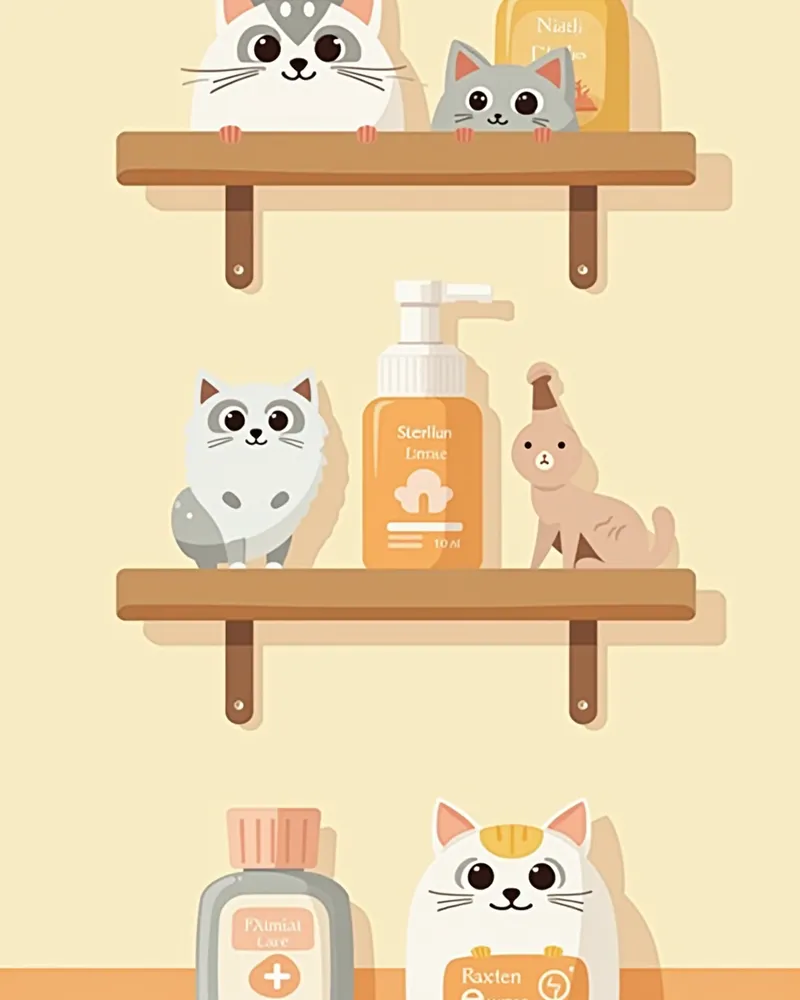
For cleaning your cat’s eyes, it’s best to use a solution that is gentle and has been proven safe. - Sterile saline solution: This is the safest option recommended in veterinary textbooks for eye flushing. - Fragrance-free, alcohol-free, preservative-free: Some preservatives can irritate a cat’s cornea, so it’s best to avoid them whenever possible. - Use opened products promptly: To prevent contamination, do not use old or previously opened solutions. - Clean water can also be used for rinsing: However, sterile saline is safer, and you should avoid high-pressure spraying or excessive washing. - Consult a veterinarian if abnormalities occur: If you notice irritation or pain after cleaning, stop using the solution and seek veterinary care.
Cat eye cleansing products

Step-by-Step Guide to Cleaning Your Cat’s Eyes
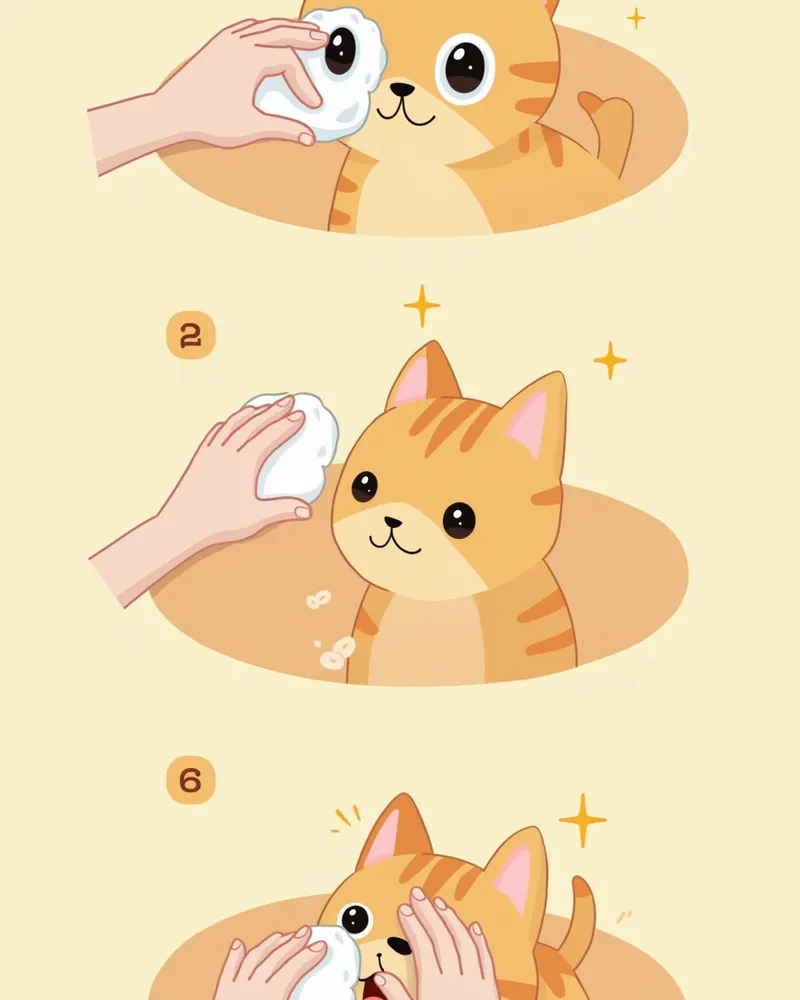
Cleaning your cat’s eyes should be done slowly and gently. Start by washing your hands and preparing clean cotton swabs or cotton pads. Gently wipe around the eyes, being careful not to touch the eyeball directly. Discard used cotton swabs and use a fresh one for each eye. If there is excessive tearing or sticky discharge, lightly wipe the area with a cotton swab moistened with sterile saline. After cleaning, provide a quiet space where your cat can rest comfortably.
Step-by-step guide to cleaning your cat’s eyes

When to Seek Immediate Veterinary Care

If your cat’s eyes become red, feel warm to the touch, remain closed, tear excessively, or produce white or yellow discharge, seek veterinary care immediately. These symptoms may indicate serious conditions such as keratitis, conjunctivitis, or tear duct issues. Home cleaning alone is insufficient; professional diagnosis and treatment by a veterinarian are essential.

5 Precautions for Cleaning Your Cat’s Eyes

- Avoid touching your cat’s eyes with your hands: Bacteria on your hands can enter the eyes and cause infection. - Avoid excessive cleaning and high-pressure rinsing: Overly frequent or forceful cleaning can actually harm the eyes. - Never reuse cotton swabs: Reusing them increases the risk of infection. - Avoid direct contact with the pupil: This can lead to corneal damage. - Stop immediately if your cat shows discomfort: Continuing may cause unnecessary stress. - Observe closely after cleaning: If you notice redness or itching, stop the procedure and consult a veterinarian right away.
Icon for precautions when cleaning a cat's eyes

Comparison Chart of Cat Eye Cleansers by Type

ItemEase of useSafetyRecommended
Saline solutionHighVery highYes
Cat-specific eye cleanserModerateVery highYes
Ophthalmic eyewash solutionHighModerateConditional
Clean water (lukewarm)HighModerateConditional

Veterinary textbooks recommend sterile saline for rinsing the eye, and clean lukewarm water or an ophthalmic eyewash solution can also be used for rinsing. However, avoid excessive rinsing and high-pressure spraying, and consult a veterinarian if irritation occurs.

How Often Should You Clean Your Cat’s Eyes?

There’s no fixed rule for how often to clean your cat’s eyes; it depends on your cat’s individual condition. - For most cats: Gently wiping away any visible discharge around the eyes is usually sufficient. - Special breeds: Cats with long hair or those prone to tear accumulation may need more frequent attention. - If you notice changes in eye condition: If you see excessive tearing or discharge, consult your veterinarian before increasing cleaning frequency. - Avoid over-cleaning: Cleaning too often can actually harm your cat’s eyes, so stick to what’s necessary. - Personalized care: Regularly monitor your cat’s response and eye condition. If you notice any abnormalities, seek veterinary care immediately.
Cat Eye Cleaning Schedule Chart

Reviewed by a veterinarian

Dr. Tony — Punnawat Phongkittirak

Dr. Tony — Punnawat Phongkittirak

Veterinarian

A veterinarian who majored in veterinary medicine at Khon Kaen University, Thailand, and completed the IVSA program at North Carolina State University in the United States. Drawing on clinical experience at animal hospitals, he works in the pet healthcare field and is dedicated to building a digital care environment that connects pet parents with veterinarians.

Frequently Asked Questions

Can I put water in my cat's eyes?
While clean lukewarm water can be used to rinse the eyes, we recommend sterile saline solution for greater safety. Avoid using dirty water or high-pressure sprays, and do not over-clean.
What should I do if my pet’s tears become sticky?
Gently wipe around your pet’s eyes with a soft cotton swab moistened with sterile saline solution. Be careful not to touch the eyeball.
Why might a cat cry or shake its head after eye cleaning?
It could be due to stress or discomfort. If the cleaning is too vigorous or if the cat isn’t in a comfortable state, this kind of reaction may occur.
Where can I purchase eye cleanser?
You can find cat-specific eye cleansers at veterinary clinics, animal hospitals, pet supply stores, and online shopping malls.
Can eye cleaning make my pet’s eyes worse?
Improper cleaning can irritate your pet’s eyes. Follow the correct procedure, and if you notice any abnormalities, seek veterinary care immediately.

Share

Related Guides

References

[1] Cullen CL, Njaa BL, Grahn BH. Ulcerative keratitis associated with qualitative tear film abnormalities. Vet Ophthalmol. 1999;2:197–204.

[2] Featherstone, J.G. and Heinrich, C.L. (2013). Ophthalmic Care. In: Veterinary Ophthalmology, 5e (ed. K.N. Gelatt, B.C. Gilger and T.J. Kern), 533–613. Wiley Blackwell.

[3] Smith L. The dos and don'ts of treating ocular disease in cats. DVM. 360 [Internet]; 2011. Available from: http://www.dvm360.com/ophthalmology/dos-donts-treating-ocular-disease-cats

This information is based on veterinary literature and does not replace diagnosis or treatment. Please consult a veterinarian for specific health concerns.

Metapet Co., Ltd. | CEO: Park Sung-yong | Business Reg. No. 417-88-02562 | Seoul, South Korea | Customer Center

How to Clean Your Cat's Eyes: Complete Guide & Precautions | Meongsiljang