Like
Share
멍실장
강아지 첫 동물병원 방문 자주 묻는 질문 Q&A — 보호자가 꼭 알아야 할 핵심

Frequently Asked Questions About Your Puppy’s First Vet Visit — Key Essentials for Pet Owners

Lifestyle & Age CareQ&AMeongsiljang Veterinary Advisory Board

A puppy’s first visit to the vet is an important milestone for checking their health and starting vaccinations. Here’s a summary of key questions and answers that every pet owner should know.

Why Is Your Puppy’s First Vet Visit Important?
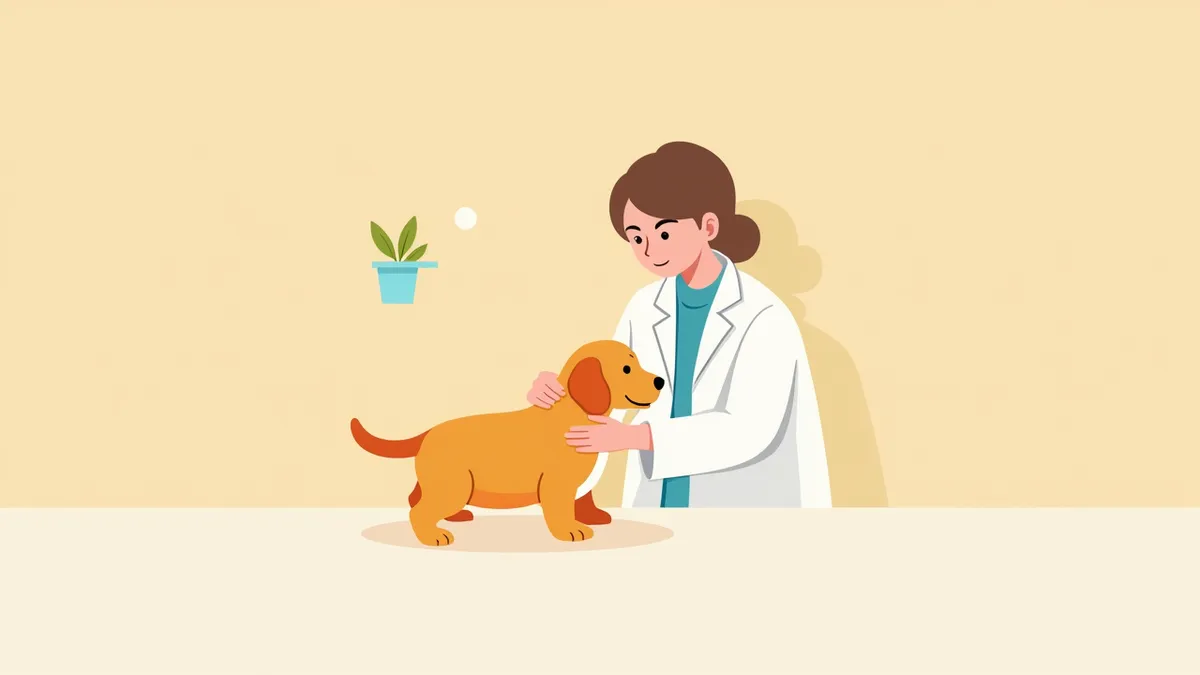
A veterinarian gently examining a puppy’s ears and mouth.
A puppy’s first visit to the vet is a crucial step for assessing their health early on and laying the foundation for vaccinations, deworming, and behavioral training. Exams at this stage are vital for detecting early signs of genetic disorders, parasites, heart abnormalities, and other potential issues. This initial encounter also helps your puppy become comfortable with the clinic environment, which can significantly reduce stress during future visits. For pet owners, it’s an important opportunity to establish a clear direction for your puppy’s ongoing healthcare.

What to Prepare Before the First Visit

Preparing for your puppy’s first visit helps us accurately assess their health. The most important item to bring is a fresh stool sample, as stool testing is essential for detecting parasitic infections. Please also compile your puppy’s medical history, including any recent behavioral changes, eating and drinking habits, bowel movements, and records of previous veterinary visits, vaccinations, or deworming. Based on this information, we may ask additional questions about their diet and living environment. Bringing your dog’s favorite toy or treat can help make the first examination a more comfortable and positive experience.
What to bring for your puppy’s first vet visit: a stool sample, a notepad, and a favorite toy

What Examinations Does the Veterinarian Perform During the First Visit?
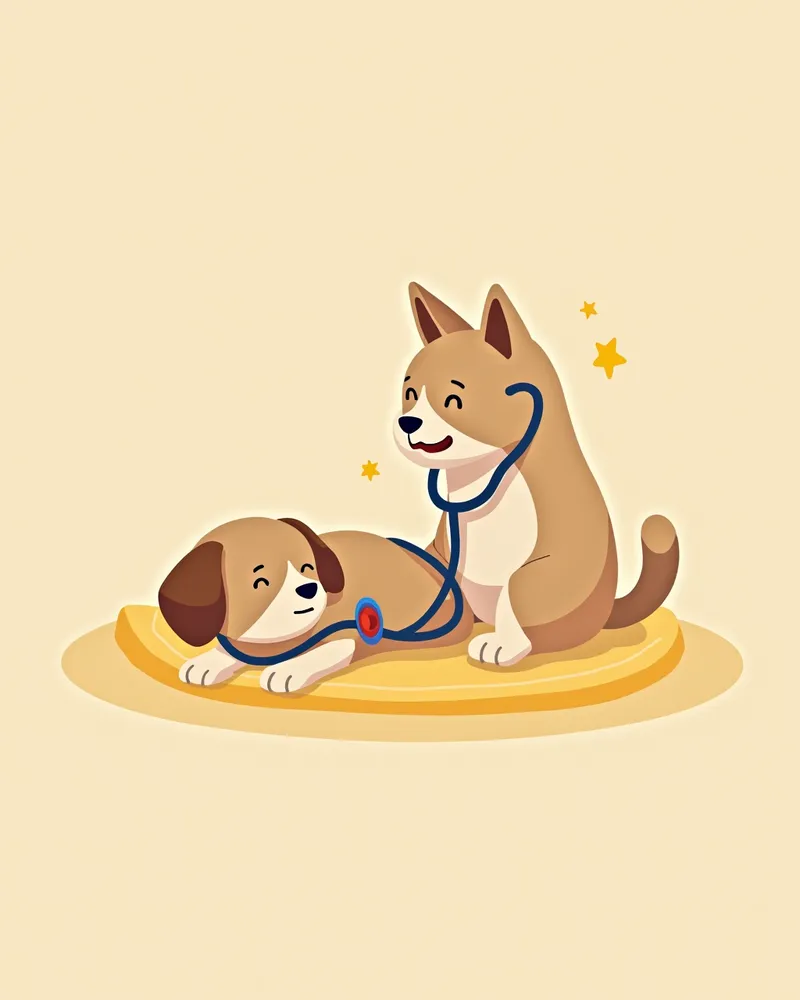
During the first visit, the veterinarian will conduct a comprehensive physical examination to assess your puppy’s overall health. This includes listening to the heart and lungs with a stethoscope, checking the eyes, ears, mouth, and skin, and evaluating the mobility of bones and joints. For young puppies, we carefully screen for congenital abnormalities such as heart murmurs, cleft palate, and umbilical hernias, as well as structural issues like malocclusion (misaligned teeth) and entropion (inward-rolling eyelids). We also weigh your puppy and directly examine for dental and gum disease, parasites, and skin conditions. If necessary, blood and fecal tests are performed to evaluate internal health. Throughout this process, we proceed gently and slowly, taking every precaution to minimize stress for your puppy.
A veterinarian using a stethoscope to listen to a dog's heart.

Comparison of Checklists for Your Puppy’s First Visit by Age

ItemTimingMain Examination ItemsEssential PreparationsPrecautions
2–3 weeks after birthCheck physical developmentRecord amount of nursingTest for parasite infectionNeed to check the mother's health condition
6–8 weeks after birthStart vaccination (distemper, parvovirus, adenovirus type 2)Parasite control (internal/external)Behavioral development assessmentCheck digestive health
12 weeks after birth and olderEstablish full vaccination planHeartworm testMonitor growth rateSocialization training recommended to begin

6–8 weeks of age is generally recommended as the start of vaccination, and it is important to establish a customized plan together with a veterinarian. An early visit after birth is also recommended and may be adjusted according to health condition.

When Should Vaccinations Begin?
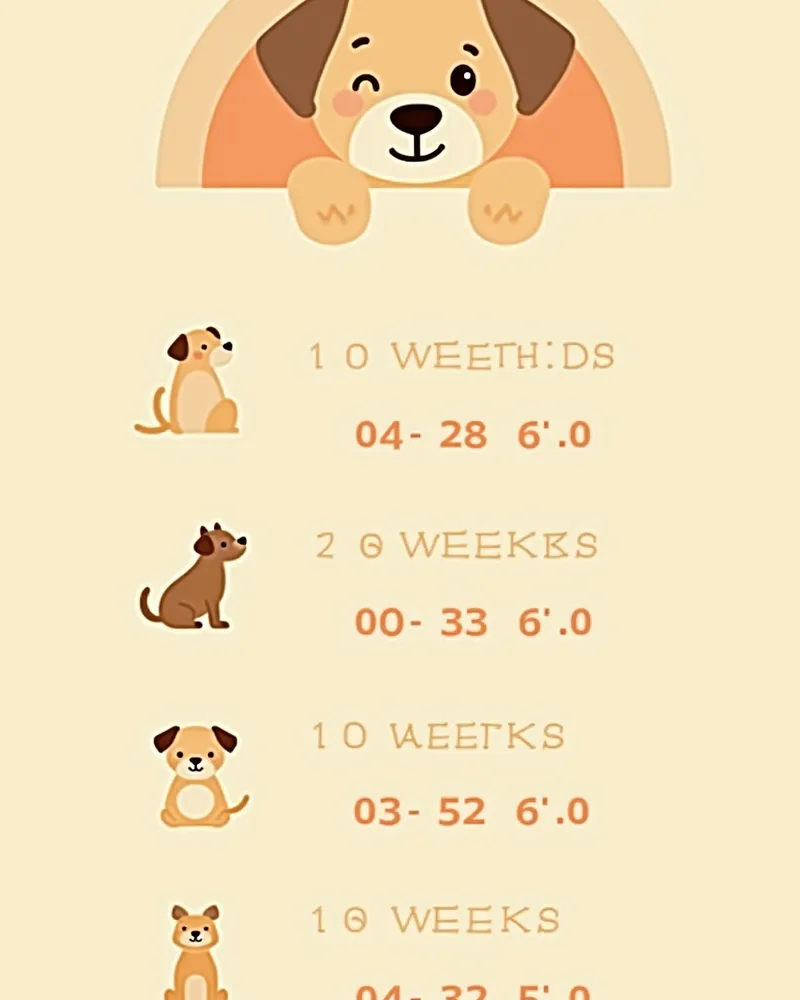
Puppy vaccinations typically begin at 6 to 8 weeks of age. At this stage, the maternal antibodies (passive immunity) received from the mother gradually decline, making it necessary to build the puppy’s own immunity through vaccination. The initial dose usually consists of a combination vaccine covering canine distemper virus (CDV), canine adenovirus type 2 (CAV-2), and canine parvovirus. Booster shots are then administered at 2- to 4-week intervals until the puppy reaches 16 weeks of age. The rabies vaccine can generally be given starting around 12 weeks of age. Since multiple doses strengthen immunological memory more effectively than a single shot, adhering to the scheduled timeline is crucial. Your veterinarian will provide a customized vaccination plan based on your puppy’s weight and overall health status.
Puppy Vaccination Schedule: 6 Weeks, 10 Weeks, 14 Weeks, 16 Weeks

Immediate Vet Visit Required in These Cases

If your puppy experiences severe vomiting, diarrhea, shock symptoms (such as fainting or difficulty breathing), fever, or loss of appetite within 24 hours of their first visit, please contact the clinic immediately. These could be side effects from vaccination and may indicate a serious allergic reaction or infection. Puppies under 8 weeks of age are especially sensitive to external stimuli, so it’s important to closely monitor any changes in their health.

Care Tips After Your Puppy’s First Vet Visit

After your puppy’s first visit, keep a close eye on their health. Tracking changes in appetite, bowel movements, and activity levels will be helpful during consultations with your veterinarian. For 2–3 days after vaccinations, avoid strenuous exercise and let your puppy rest in a quiet environment. Administer any dewormers or supplements exactly as prescribed by your vet, following the recommended schedule and dosage. Regular visits to the clinic are also a good habit to help your puppy become comfortable with the environment.
Puppy Health Care Diary: Meals, Bowel Movements, Playtime, and Vaccination Records

First Visit Checkpoints Every Pet Owner Must Know
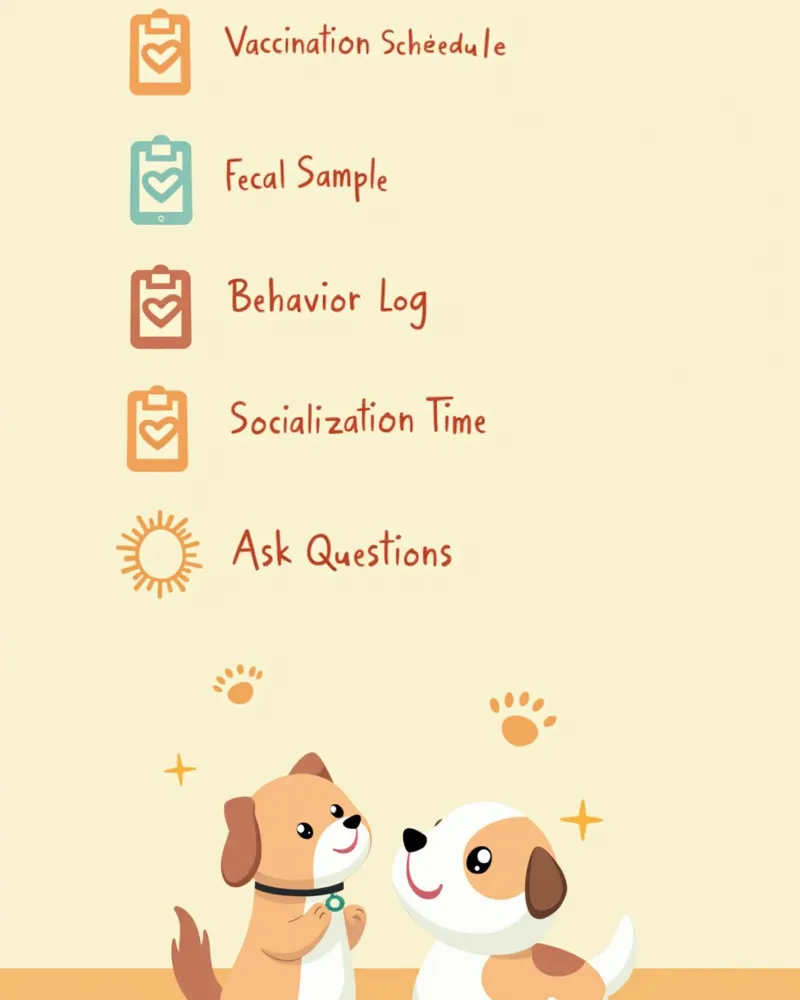
Confirm your vaccination schedule: Work with your veterinarian to create a personalized vaccination plan. Typically, vaccinations begin at 6–8 weeks of age, with booster shots given every 2–4 weeks until your pet reaches 16 weeks of age. Prepare for parasite testing: Be sure to bring a fresh stool sample. Keep a behavior log: Record any changes in appetite, elimination habits, and activity levels. Start socialization early: The period between 8 and 16 weeks of age is the most critical window for socialization. Communicate openly with your veterinarian: Feel free to ask questions whenever you have concerns. Your veterinarian values collaboration with you to ensure the best care for your pet.
First Visit Checklist for Your Puppy: Vaccinations, Stool Sample, Behavior Notes, Socialization, and Questions

Reviewed by a veterinarian

Dr. Tony — Punnawat Phongkittirak

Dr. Tony — Punnawat Phongkittirak

Veterinarian

A veterinarian who majored in veterinary medicine at Khon Kaen University, Thailand, and completed the IVSA program at North Carolina State University in the United States. Drawing on clinical experience at animal hospitals, he works in the pet healthcare field and is dedicated to building a digital care environment that connects pet parents with veterinarians.

Frequently Asked Questions

When should I bring my puppy in for its first vet visit?
Vaccinations are generally recommended to begin between 6 and 8 weeks of age, and it’s important to work with your veterinarian to create a tailored plan. However, an initial visit shortly after birth is also recommended, with the schedule adjusted based on your pet’s health status.
What should I bring for my pet’s first visit?
Bring a fresh stool sample, notes on any recent changes in behavior, details about your dog’s eating habits, and any toys or treats they’ve been using. These will help your veterinarian make an accurate diagnosis. It’s also a good idea to have your dog’s vaccination and deworming records ready.
How do side effects manifest after vaccination?
Mild side effects may include a low-grade fever, loss of appetite, and lethargy. These symptoms typically resolve within one to two days. However, severe symptoms such as intense vomiting, difficulty breathing, or fainting (shock) constitute a medical emergency requiring immediate veterinary attention. Such severe reactions may indicate an immune or allergic response, so close monitoring is essential.
What should I do if my dog is afraid of going to the vet?
Start with short visits and create positive experiences using treats or toys. The veterinarian will also approach slowly to minimize your dog’s stress. Repeated visits are important, and gradual adaptation is key.
When should I bring my pet back for a follow-up visit after the first appointment?
Following the vaccination schedule, you will typically need to return for another visit in 2 to 4 weeks. After that, we recommend regular check-ups based on your pet's health status, following a plan agreed upon with your veterinarian.

Share

Related Guides

References

[1] The Dog Care Handbook, Things I Wish My Vet Had Told Me, 2024

[2] American Veterinary Medical Association (AVMA), Puppy Health Guidelines, 2023

[3] Plumb's Veterinary Drug Handbook, 9th Edition, 2022

This information is based on veterinary literature and does not replace diagnosis or treatment. Please consult a veterinarian for specific health concerns.

Metapet Co., Ltd. | CEO: Park Sung-yong | Business Reg. No. 417-88-02562 | Seoul, South Korea | Customer Center

5 Essential Questions to Ask During Your Puppy's First Vet Visit | Meongsiljang