Like
Share
멍실장
고양이 눈 이물 응급처치 자주 묻는 질문 Q&A — 보호자가 꼭 알아야 할 핵심

Frequently Asked Questions on Emergency First Aid for Foreign Objects in a Cat’s Eye — Key Points Pet Owners Must Know

Eye HealthQ&AMeongsiljang Veterinary Advisory Board

We’ve compiled the five most frequently asked questions to help pet owners stay calm and respond correctly when a foreign object gets into their cat’s eye.

Foreign Objects in a Cat’s Eye Are an Emergency Situation Requiring Immediate Response

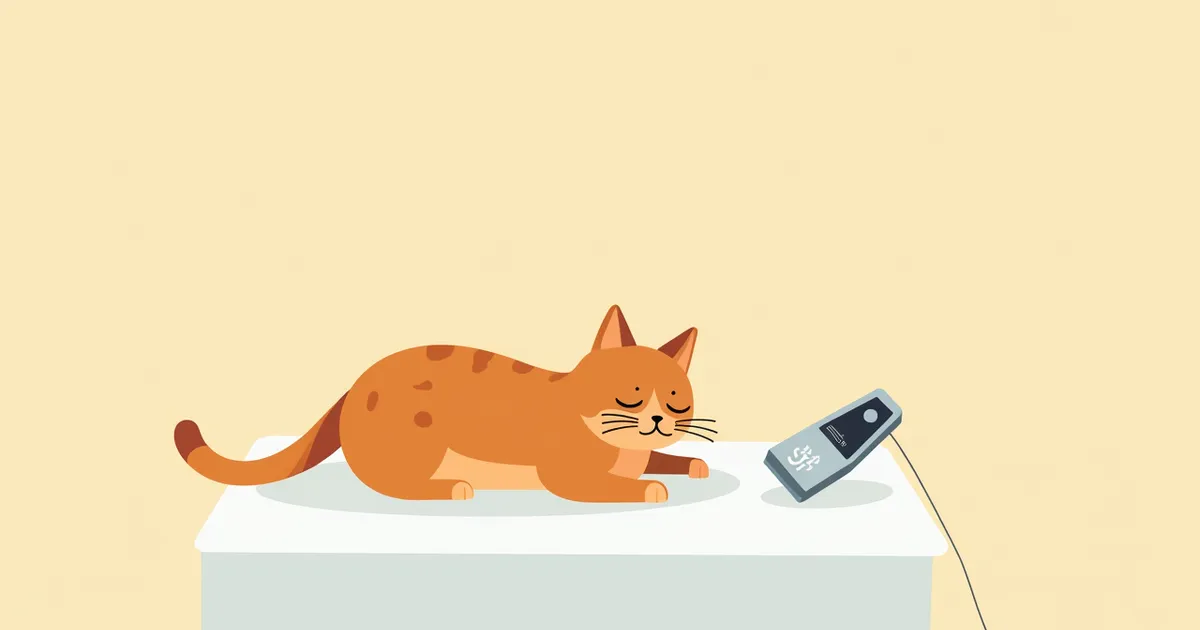
A cat with a foreign object in its eye is keeping its eyes closed.
Foreign bodies in a cat’s eye occur when small particles get trapped in the eye. If the foreign object scratches the cornea, it can cause severe pain and increase the risk of infection, making prompt action essential. Be cautious, as improper handling by the owner can worsen the injury.
Rubbing the eyes: The cat may repeatedly rub its eyes after a foreign body enters.
Watery discharge: There may be continuous, sticky tearing from the eye.
Squinting or closed eyes: Due to pain, the cat may keep its eyes mostly closed or partially shut.
Redness: The conjunctiva may become bloodshot and appear red.
If you notice any of these signs, seek veterinary care immediately.

The Causes of Foreign Objects Are Mainly Due to Environmental Factors and Activity

Foreign objects in a cat’s eyes usually come from the surrounding environment. Indoors, particles like fur, dust, sand, or bits of grass can get into their eyes while they’re playing. When outside, there’s a higher chance of grass, dirt, or small pebbles getting into their eyes.
Indoor environmental factors: Dust, fur, and cleaning cloths can float in the air and enter the eyes.
Risks during outdoor time: Grass blades, sand, small stones, or insects can stick to and enter the eyes.
During activity: Running, rolling, or moving quickly can cause foreign objects to get into the eyes.
Length of fur around the eyes: Long fur can get tangled in the eyes, making it easier for foreign objects to enter.
When a foreign object gets into a cat’s eye, they’ll naturally react. By understanding these causes, pet owners can take steps to prevent such incidents.
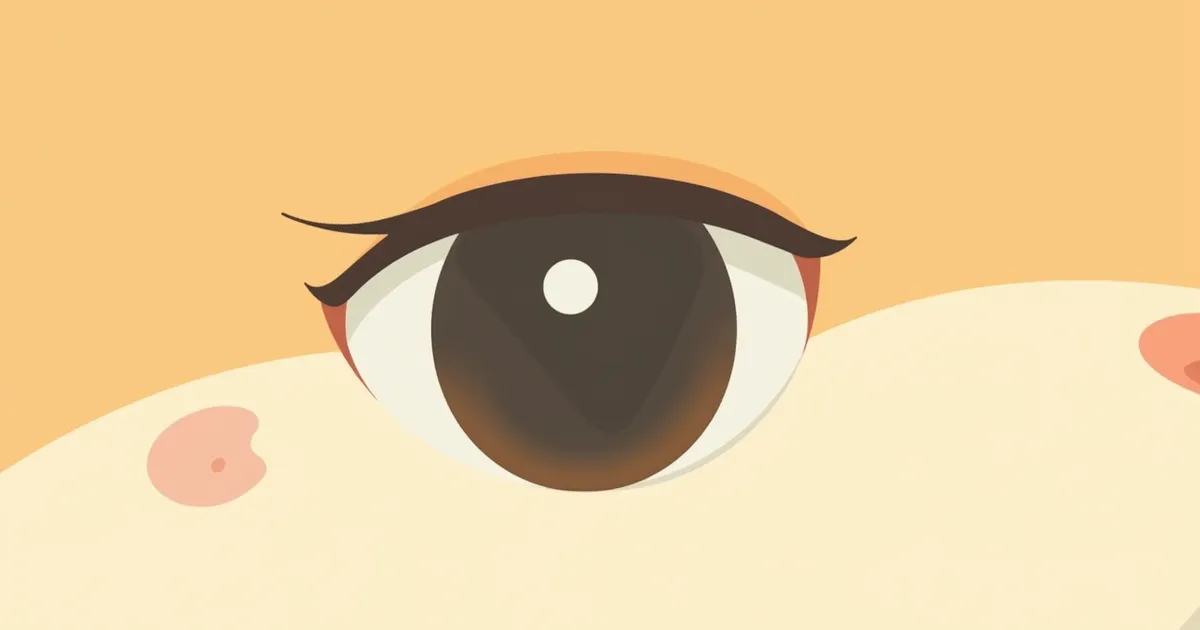
A cat’s long facial hair around the eyes may come into contact with the eye surface.

Professional Assistance Is Absolutely Necessary for Removing Foreign Objects

Attempting to remove a foreign object from your cat’s eye at home is extremely dangerous. The object may be embedded in the cornea, and rubbing the eye can deepen any injuries. A veterinarian must safely remove it using specialized tools.
Use of specialized tools: The veterinarian will first apply topical anesthetic drops to reduce pain, then precisely remove the foreign body using a moistened cotton swab or small forceps.
Anesthesia: If the cat is in severe pain or unable to cooperate during examination and removal, sedation or general anesthesia will be used to ensure a stable and safe procedure.
Post-procedure care: After removal, the veterinarian will check for any corneal ulcers or wounds, prescribe necessary eye drops, and may fit an Elizabethan collar to prevent self-trauma.
Preventing recurrence: If fur around the eyes frequently causes issues, gently trim it and regularly monitor the eye’s condition.
Never attempt to remove a foreign object from your cat’s eye at home. Improper handling can lead to corneal damage or intraocular complications.
A veterinarian removing a foreign object from a cat's eye

If Rubbing or Scratching of the Eye Persists, Immediate Veterinary Visit Is Required

If your cat repeatedly rubs or scratches its eyes and the behavior doesn’t stop, it’s likely that a foreign object is embedded in the cornea or the eye is in severe pain. Leaving this condition untreated can lead to corneal ulcers or scarring, which may impair vision. Please seek immediate veterinary care.

Post-Removal Care Must Follow the Veterinarian’s Instructions

After the foreign object is removed, it is important to use the prescribed eye drops or ointment exactly as directed by your veterinarian. These medications help reduce inflammation and prevent infection. Pet owners should carefully learn how to administer the medication.
How to Use Eye Drops: Wash your hands, gently hold your cat’s head still, and then apply the drops.
Duration of Medication: Use the medication for the full prescribed period. Do not stop using it prematurely, even if symptoms appear to have resolved.
Cleaning Around the Eyes: Gently wipe the area around the eyes with a damp cloth. Avoid rubbing too hard.
Preventing Self-Injury: Keep your cat wearing an Elizabethan collar (neck collar) until the cornea has fully healed to prevent rubbing or scratching the eye.
Follow-Up Appointment: Be sure to visit the clinic for the follow-up examination at the time recommended by your veterinarian. Corneal injuries typically require re-evaluation after a few days.
A cat resting peacefully after having a foreign object removed.

Practical Tips for Prevention: Eye Area Care Is Key

Preventing foreign objects from entering your cat’s eyes is achievable through daily care. Cats with long fur around their eyes are especially prone to debris getting in, so it’s important to regularly check the area and gently groom it as needed.
Grooming around the eyes: Lightly trim or brush the fur to prevent it from getting tangled in the eyes.
Indoor cleaning: Keep the environment free of dust and loose fur. Using an air purifier can help.
Post-outdoor check: Always inspect your cat’s eyes after they’ve been outside.
Prepare a cleaning cloth: Have a damp cotton swab or sponge ready to gently wipe around the eyes if needed.
Safe play area: Avoid toys that shed fur or expose sand, and provide clean, safe toys instead.
A cat gently wiping around its eyes

Comparison of Foreign Object Removal Methods: At Home vs. At the Clinic

ItemTrying at homeProfessional treatment at the clinic
SafetyVery lowVery high
AccuracyLow (possible misidentification)High (precise localization)
Infection riskHigh (if tools are unclean)Low (sterile tools used)
Likelihood of recurrenceHigh (incomplete removal)Low (complete removal)

A veterinarian's professional care is the best way to protect your cat's eye health.

If Symptoms Worsen Within 24 Hours After Removal, Immediate Veterinary Visit Is Required

If your cat’s eye becomes redder, produces more discharge, or if they continue to rub their eye after the foreign object has been removed, there may be a risk of infection or recurrence. Please visit the clinic immediately for further examination and treatment.

Reviewed by a veterinarian

Dr. Tony — Punnawat Phongkittirak

Dr. Tony — Punnawat Phongkittirak

Veterinarian

A veterinarian who majored in veterinary medicine at Khon Kaen University, Thailand, and completed the IVSA program at North Carolina State University in the United States. Drawing on clinical experience at animal hospitals, he works in the pet healthcare field and is dedicated to building a digital care environment that connects pet parents with veterinarians.

Frequently Asked Questions

What can I do at home if my cat has something in its eye?
First, keep your cat calm and prevent them from rubbing their eyes. You may gently wipe around the eyes with a damp cotton swab, but never touch the inside of the eye. Visiting the vet immediately is the safest course of action.
Is it okay that it’s been two hours since a foreign object got into my pet’s eye?
Even if some time has passed, it’s still not safe. A foreign object may be lodged in the cornea, and inflammation could develop. Prompt veterinary care is essential.
Can I use eye drops if something gets into my pet’s eye?
Eye drops should not be used without a veterinarian’s prescription. Incorrect medications can further irritate the eyes. Always use them under veterinary guidance.
What should I do if my cat continues to rub its eyes after a foreign object has been removed?
This behavior may be a sign of pain or discomfort. A prompt veterinary visit for re-examination is necessary. If left untreated, the wound could worsen.
Can I trim the hair around my pet’s eyes to help prevent issues?
Lightly trimming the fur around your pet’s eyes is fine, but cutting it too short can reduce its protective function. For the safest approach, it’s best to consult a professional groomer or veterinarian.

Share

Related Guides

References

[1] The Dog Care Handbook, Things I Wish My Vet Had Told Me, 2024

[2] Small Animal Critical Care Medicine, 3rd Ed, 2023

[3] Feline Emergency and Critical Care Medicine, 2nd Ed, 2022

This information is based on veterinary literature and does not replace diagnosis or treatment. Please consult a veterinarian for specific health concerns.

Metapet Co., Ltd. | CEO: Park Sung-yong | Business Reg. No. 417-88-02562 | Seoul, South Korea | Customer Center

Cat Eye Foreign Object First Aid: 5 Essential Tips for Pet Owners | Meongsiljang