Like
Share
멍실장
고양이 반려동물 연령 환산 공식 자주 묻는 질문 Q&A — 보호자가 꼭 알아야 할 핵심

Cat Age Conversion Formula FAQ — Key Information Every Owner Must Know

Lifestyle & Age CareQ&AMeongsiljang Veterinary Advisory Board

To truly understand your cat’s age, it helps to compare it to human years. This information is essential for proper health care and preventive measures.

The Cat Age Conversion Formula Is Essential Information for Owners

A cute image of a cat wearing a collar with an age calculator.
Understanding your cat’s actual age in human years can be helpful. This conversion serves as a reference for assessing health status and planning appropriate preventive care, and it is useful for detecting age-related health changes early. A one-year-old cat is equivalent to a 15-year-old human, and a two-year-old cat corresponds to a 24-year-old human. After that, each additional year of a cat’s life adds approximately four human years. This conversion is a general guideline reflecting the correlation between physiological changes, metabolic rate, and the risk of developing age-related diseases, and it can serve as a basis for creating age-appropriate health management plans. However, since there may be variations depending on breed and individual health status, it is advisable to continue age-informed care alongside regular health checkups.

A Cat’s Age Progresses Faster Than a Human’s
A cat’s year is not equivalent to seven human years. The long-standing “one year equals seven years” rule is now known to be inaccurate. In reality, a cat’s first year corresponds to about 15 human years, and the second year adds roughly nine more, making a two-year-old cat approximately 24 in human years. Thereafter, each additional cat year adds about four human years. This conversion reflects cats’ physiological changes, metabolic rate, and the increasing health risks that come with age. Understanding your cat’s age in human terms is therefore a key foundation for health care, aiding early detection and prevention while supporting long-term wellness.
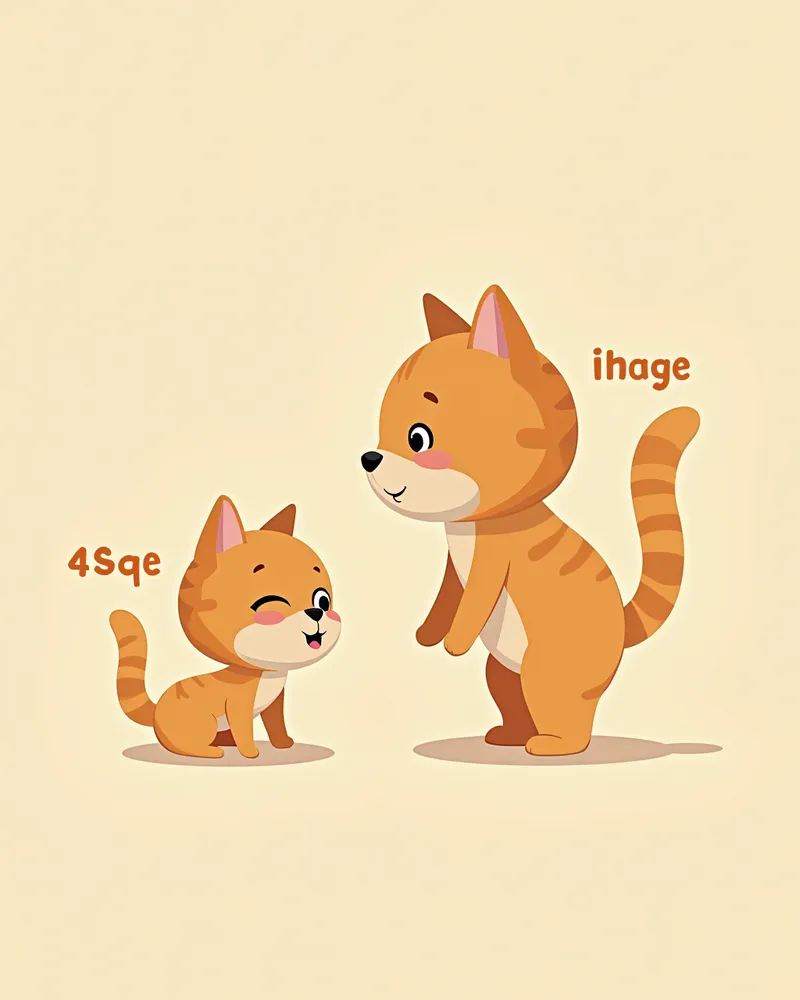
Image comparing the ages of kittens and human infants

Understand Major Health Changes According to a Cat’s Age

As cats age, they experience various health changes. According to veterinary life-stage guidelines, cats aged 7 to 10 years are considered “mature,” while those over 10 are classified as “senior.” During this period, they may commonly develop cognitive decline, reduced kidney function, and degenerative joint disease. Since the risk of chronic conditions increases significantly after age 10, more thorough regular check-ups—including blood and urine tests—are recommended. Changes in appetite, decreased activity levels, and alterations in litter box habits can also be early signs of aging or underlying illness. It’s important to interpret these signals in the context of your cat’s life stage.
An image of an elderly cat sleeping comfortably in a cozy bed

Cat Age to Human Age Conversion Chart (Reference Table)

ItemHuman AgeKey Characteristics
1 year15 yearsStart of young adult cat stage, high activity level
2 years24 yearsYoung adult cat stage, peak health
3 years28 yearsYoung adult cat stage, stable weight
7 years44 yearsStart of maturity, enhanced checkups recommended
10 years56 yearsStart of senior stage, increased risk of chronic disease

This conversion chart is a general guideline and may vary depending on breed and health status.

How to Accurately Determine a Cat’s Age?
To accurately determine a cat’s age, you need to consider various signs in addition to their birthday. The condition of the teeth is one of the clues that helps estimate age and is a factor evaluated by veterinarians. As cats age, their teeth become denser, which can cause them to appear yellowish or have a glass-like sheen, and the frequency of periodontal disease and tooth resorption increases. Additionally, decreased muscle mass, reduced activity levels, and changes in appetite can serve as important indicators. Changes in a cat’s behavioral patterns may be signs of pain or illness, so early detection through regular health check-ups is crucial. Early detection not only aids in treatment but also helps slow the progression of the disease.
An image of a veterinarian examining a cat's teeth.

Regular Checkups Are Essential for Cats Aged 7 and Older

According to veterinary textbooks, cats aged 7 to 10 are considered to be in their "mature" stage, while those over 10 are classified as "senior." As pets age, their risk of chronic conditions such as kidney dysfunction, diabetes, and heart disease increases. Therefore, it is advisable to expand health screenings—such as blood and urine tests—starting around age 7 and to schedule regular check-ups at least once a year. Early detection plays a key role in effective management, so consider establishing an age-appropriate health care plan for your pet.

Check Care Points Tailored to Your Cat’s Age
Cats require different care depending on their life stage. From birth to one year of age, they are in the growth phase, where a balanced diet and weight management are essential. From one to six years, they are young adults, and maintaining a balanced diet, regular activity, and an appropriate body weight is ideal. Between seven and ten years, cats enter the mature stage, so it is advisable to monitor weight, muscle condition, and kidney function more frequently. In the senior stage, beyond ten years, special attention is needed for maintaining kidney function, protecting joints, and supporting digestive health. Because stress responses to environmental changes can increase, maintaining a stable daily routine is important. At any stage, regular check-ups help detect and prevent diseases early.
An image showing care points for cats by age

Reviewed by a veterinarian

Dr. Tony — Punnawat Phongkittirak

Dr. Tony — Punnawat Phongkittirak

Veterinarian

A veterinarian who majored in veterinary medicine at Khon Kaen University, Thailand, and completed the IVSA program at North Carolina State University in the United States. Drawing on clinical experience at animal hospitals, he works in the pet healthcare field and is dedicated to building a digital care environment that connects pet parents with veterinarians.

Frequently Asked Questions

How old is a 1-year-old cat in human years?
A one-year-old cat is roughly equivalent to a 15-year-old human. This rapid aging occurs because the first year brings the most significant physiological changes.
How old is a 5-year-old cat in human years?
A five-year-old cat is roughly equivalent to a 36-year-old human. After the age of two (which corresponds to about 24 human years), each additional year of a cat's life adds approximately four human years.
What are the main health issues in senior cats?
The main health concerns for senior cats include declining kidney function, diabetes, arthritis, and cognitive decline. Regular health check-ups are essential.
How can you accurately determine a cat’s age?
Veterinarians take a holistic look at your pet’s dental health, muscle mass, activity level, and weight changes. The degree of dental wear can also serve as a useful indicator for estimating age.
How should I care for a cat that is 10 years old or older?
Cats aged 10 and older are at increased risk for chronic diseases, so regular check-ups at least once a year are recommended. It’s important to monitor kidney function, joint health, weight, and appetite, while also managing stress and providing appropriate dietary adjustments.

Share

Related Guides

References

[1] The Cat, Clinical Medicine and Management, 2nd Edition. 2021. Elsevier.

[2] Gunn-Moore, D.A. et al. (2007). Cognitive dysfunction and neurobiology of aging cats. Journal of Small Animal Practice, 48(10), 456–553.

[3] Kopecny, L. et al. (2021). Urolithiasis in cats: evaluation of trends in urolith composition and risk factors (2005–2018). Journal of Veterinary Internal Medicine, 35(3), 1397–1405.

This information is based on veterinary literature and does not replace diagnosis or treatment. Please consult a veterinarian for specific health concerns.

Metapet Co., Ltd. | CEO: Park Sung-yong | Business Reg. No. 417-88-02562 | Seoul, South Korea | Customer Center

Cat Age Conversion Chart: Essential Guide for Pet Owners | Meongsiljang