Like
Share
멍실장
펫호텔 매너 훈련, 언제부터 어떻게 시작해야 할까?

Can I Send My Dog to a Pet Hotel? — When and How to Start Manners Training

Brain & CognitionQ&AMeongsiljang Veterinary Advisory Board

The key to good pet hotel manners is preparing your pet in advance by training them to cope with separation anxiety, adapt to unfamiliar environments, and develop basic daily habits. Here’s how you can gradually prepare them starting at least 2–3 months ahead of time.

What Is Pet Hotel Manners Training?
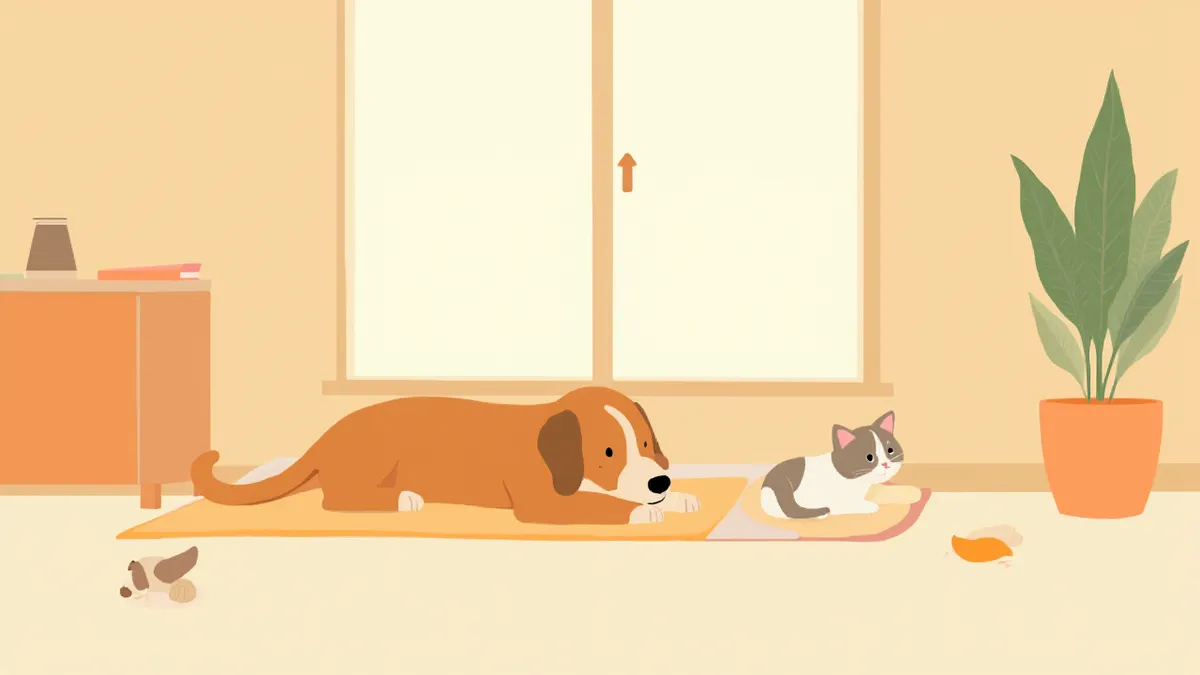
Dogs and cats resting comfortably in their pet hotel rooms
Pet hotel manners training is a form of lifestyle training designed to help your pet adapt to unfamiliar environments, people, and sounds so they can stay without stress. The most important thing is to start this training at least 2 to 3 months before check-in. Issues like separation anxiety, barking, and toileting problems cannot be corrected overnight and often only surface after your pet is left at the hotel. By preparing step by step, both you and your pet can enjoy a stress-free experience during travel or hospitalization.

Why Train in Advance?

The environment of a pet hotel is completely different from home. The barking of unfamiliar dogs, the smell of disinfectants, confined kennels, and the voices of other pet owners all come at once. According to veterinary behavior studies, dogs can exhibit stress hormone responses, such as increased catecholamines (e.g., epinephrine), and show signs of acute stress when placed in unfamiliar clinical or new environments. Cats, being territorial animals, are even more sensitive to environmental changes and may take longer than dogs to adjust to new spaces. In such states, they may skip meals, experience gastrointestinal symptoms (diarrhea or vomiting), over-groom, or bark excessively. Pre-exposure training—gradual, low-intensity habituation and desensitization—is an effective way to reduce this acute stress. However, exposing pets to too many strong stimuli at once can lead to sensitization, increasing fear rather than reducing it. Therefore, it is important to proceed step by step.

Essential Checklist Before Checking Into a Pet Hotel

ItemDogCat
Basic Training (Sit/Stay)RequiredRecommended
Kennel AcclimationRequiredRequired
Adaptation to a Solo SpaceRecommendedRequired
Sociability with Other AnimalsRecommendedNot Needed
Vaccinations & Deworming CompleteRequiredRequired
Separation Anxiety CheckRequiredRecommended

All items must be completed at least 2 weeks before check-in

Step-by-Step Training Guide: For Dogs
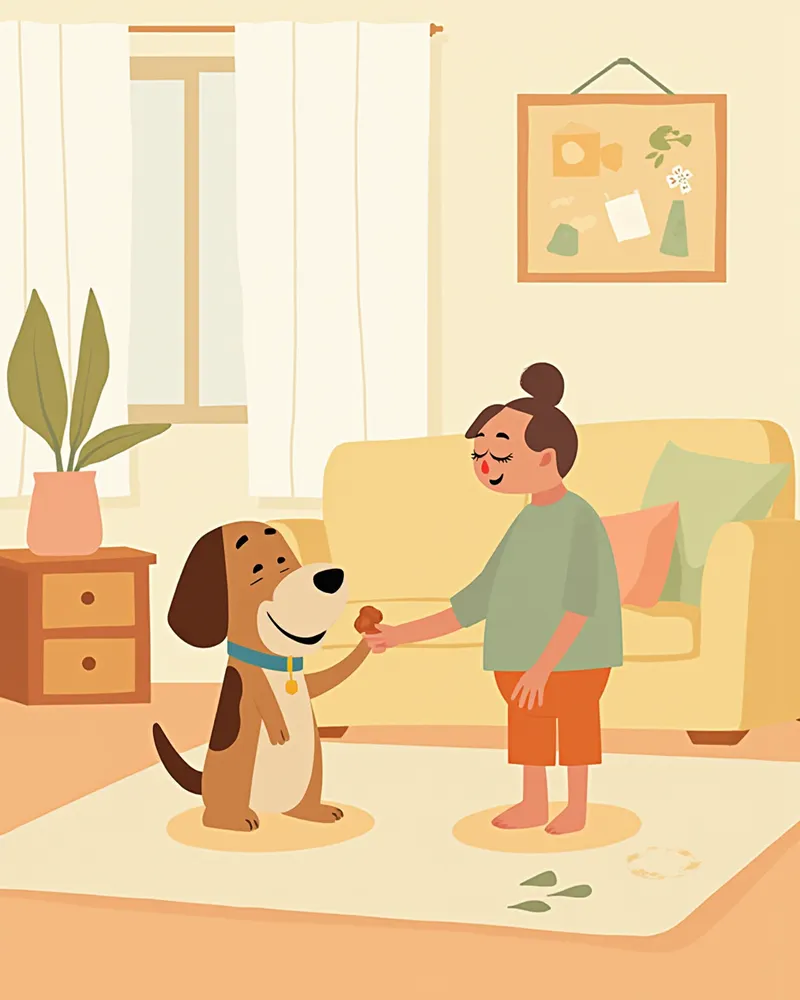
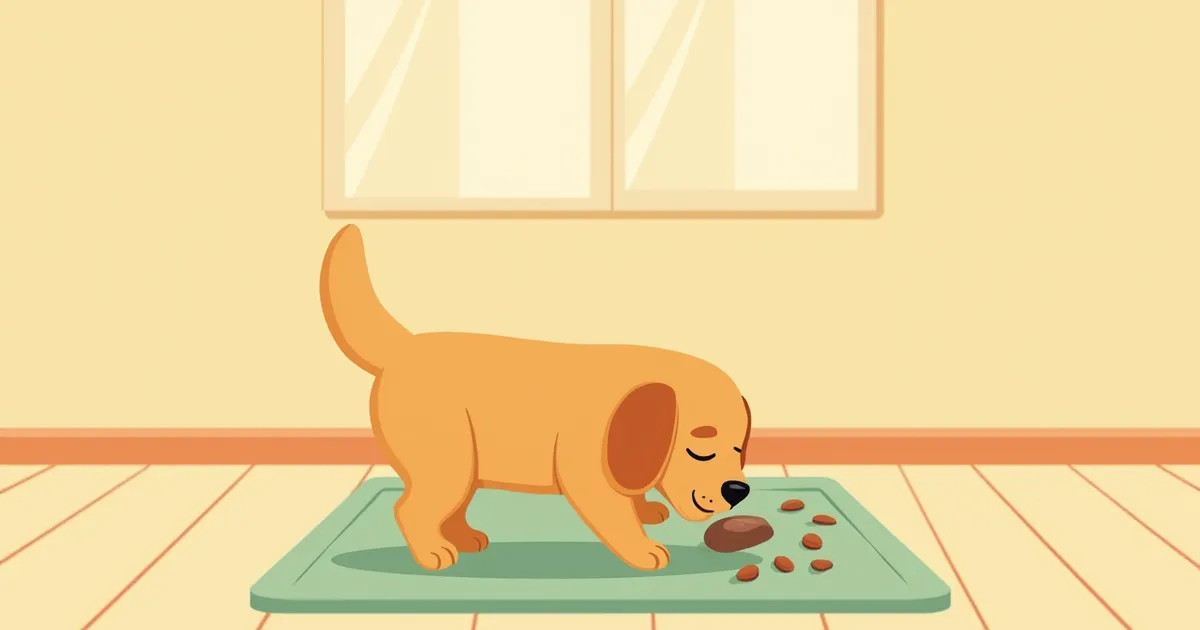
Puppies need socialization and separation training to go hand in hand. - Step 1 (8 weeks before): Feed treats inside the kennel, gradually increasing the time spent inside from 5 minutes to 30 minutes, then to 1 hour. - Step 2 (4 weeks before): The owner briefly steps out, gradually increasing the puppy's alone time from 30 minutes to 2 hours, then to half a day. - Step 3 (2 weeks before): Conduct 1–2 trial day-care visits right before boarding at a hotel. - Step 4 (1 week before): Prepare familiar blankets and toys, and portion out treats and food.
A puppy practicing crate training at home

Step-by-Step Training Guide: For Cats

Cats are territorial animals, so adjusting to unfamiliar spaces is much harder for them than for dogs. It’s important to first address any trauma associated with the carrier. - Step 1 (8 weeks before): Keep the carrier in the living room at all times, placing a blanket and treats inside. - Step 2 (4 weeks before): Practice closing the carrier door and gradually increasing the time spent inside—from 10 minutes to 30 minutes, then up to an hour. - Step 3 (2 weeks before): Place the carrier in the car and take short drives (about 10 minutes), repeating this regularly. - Step 4 (1 week before): Prepare pheromone spray (such as Feliway) and the blanket your cat is used to.

Veterinary Consultation Is Essential Before Boarding These Pets

If your pet has been diagnosed with separation anxiety, has a history of diarrhea, vomiting, or loss of appetite while staying at a pet hotel, or suffers from chronic conditions such as heart disease, diabetes, or kidney disease, you must consult your veterinarian first. For senior pets or puppies under four months of age, whose immune systems and stress tolerance are lower, arranging for a pet sitter or leaving them with a trusted family member may be safer than boarding at a hotel.

Hotel Manners Checklist: What Not to Miss
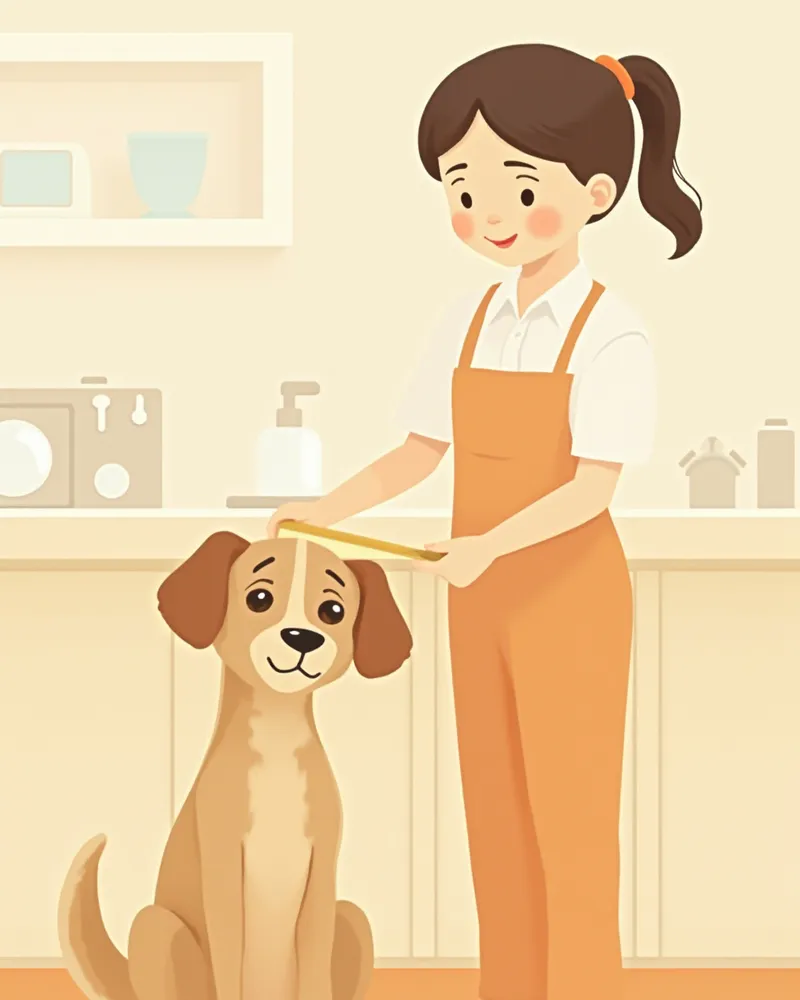
These basic manners help reduce the burden on the boarding facility. - Elimination manners: Trained to use a designated pad or bathroom area - Feeding manners: Eating a set amount at scheduled times, avoiding hand-feeding habits - Barking control: Not overreacting to doorbells or human voices - Acceptance of strangers: Allowing grooming and paw wiping - Medication administration: No resistance to oral medications or eye drops - Kennel sleeping: Falling asleep independently in a single-occupancy space Starting to check these points 1 to 2 months in advance is sufficient.
A pet hotel employee gently brushing a dog's fur.

Check-in Day Essentials and Handover Tips

Preparing these items in advance will help your pet adjust more quickly. Portion out their regular food and treats, labeling each with the date, and compile their essential medications and dosing schedule on a single A4 sheet. A blanket or piece of clothing carrying your scent can significantly ease separation anxiety. When handing over care, provide specific details about what triggers barking, behaviors they dislike, and their favorite treats. Be sure to also share your emergency contact information and the details of your regular veterinary clinic.

What to Verify at the Hotel

Be sure to verify whether staff are on-site 24/7, if you can access CCTV footage, and if a vaccination certificate is required. Hotels that do not require proof of vaccination are likely to have inadequate infectious disease control. It’s also wise to ask in advance about kennel size, the number of daily walks, and whether there’s a partner veterinary clinic available for emergencies.

Reviewed by a veterinarian

Dr. Tony — Punnawat Phongkittirak

Dr. Tony — Punnawat Phongkittirak

Veterinarian

A veterinarian who majored in veterinary medicine at Khon Kaen University, Thailand, and completed the IVSA program at North Carolina State University in the United States. Drawing on clinical experience at animal hospitals, he works in the pet healthcare field and is dedicated to building a digital care environment that connects pet parents with veterinarians.

Frequently Asked Questions

At what age should I start training my pet for pet hotel etiquette?
Adapting to kennels and transport crates, as well as short separation training, is most effective when started during the socialization period. For cats, this critical window is particularly early, spanning from birth to around seven weeks of age, making gentle exposure during this time essential. Habituation, on the other hand, should begin in the neonatal period. While adult dogs and cats can still learn to adapt at any age, the process typically takes longer.
How many days should I leave my pet at the hotel for the first time?
Start with a short trial of one to two days. Once you’ve observed how your pet responds, gradually extend the duration for safety.
Can I also leave my cat at a pet hotel?
You can leave your cat in their care. However, since cats are sensitive to changes in their environment, it’s best to choose a cat-only boarding facility or cattery that offers private rooms.
What should I do if my pet refuses to eat or drink while staying at the hotel?
If your pet doesn’t eat anything for more than 24 hours, the hotel should immediately contact both the owner and the veterinarian. It helps to leave some of their favorite treats or wet canned food with them.
Can I send my dog with severe separation anxiety to a boarding facility?
If your pet has been diagnosed with separation anxiety, it’s safer to opt for a one-on-one pet sitter or leave them with a trusted family member rather than boarding them at a hotel. If boarding is absolutely necessary, consult your veterinarian about using sedatives, behavior-modifying medications, or pheromone-based aids before making a decision.

Share

Related Guides

References

[1] Horwitz, D., Mills, D., BSAVA Manual of Canine and Feline Behavioural Medicine, 2nd Edition

[2] Rodan, I., Heath, S., Feline Behavioral Health and Welfare, 1st Edition

[3] Overall, K.L., Manual of Clinical Behavioral Medicine for Dogs and Cats

[4] Kogan LR, Schoenfeld-Tacher R, Simon AA. Behavioral effects of auditory stimulation on kenneled dogs. J Vet Behav 2012;7(5):268-75

This information is based on veterinary literature and does not replace diagnosis or treatment. Please consult a veterinarian for specific health concerns.

Metapet Co., Ltd. | CEO: Park Sung-yong | Business Reg. No. 417-88-02562 | Seoul, South Korea | Customer Center

Is Your Dog Ready for a Pet Hotel? Manners Training Guide | Meongsiljang