Like
Share
멍실장
척추 융합 수술 (디스크 후)

Spinal Fusion Surgery (Post-Disc Surgery)

Brain & CognitionQ&AMeongsiljang Veterinary Advisory Board

We’ve put together a clear, easy-to-understand overview of spinal fusion surgery for dogs, including when it’s needed after disc surgery, the recovery process, and important precautions, all explained from a pet owner’s perspective.

What is Spinal Fusion Surgery?
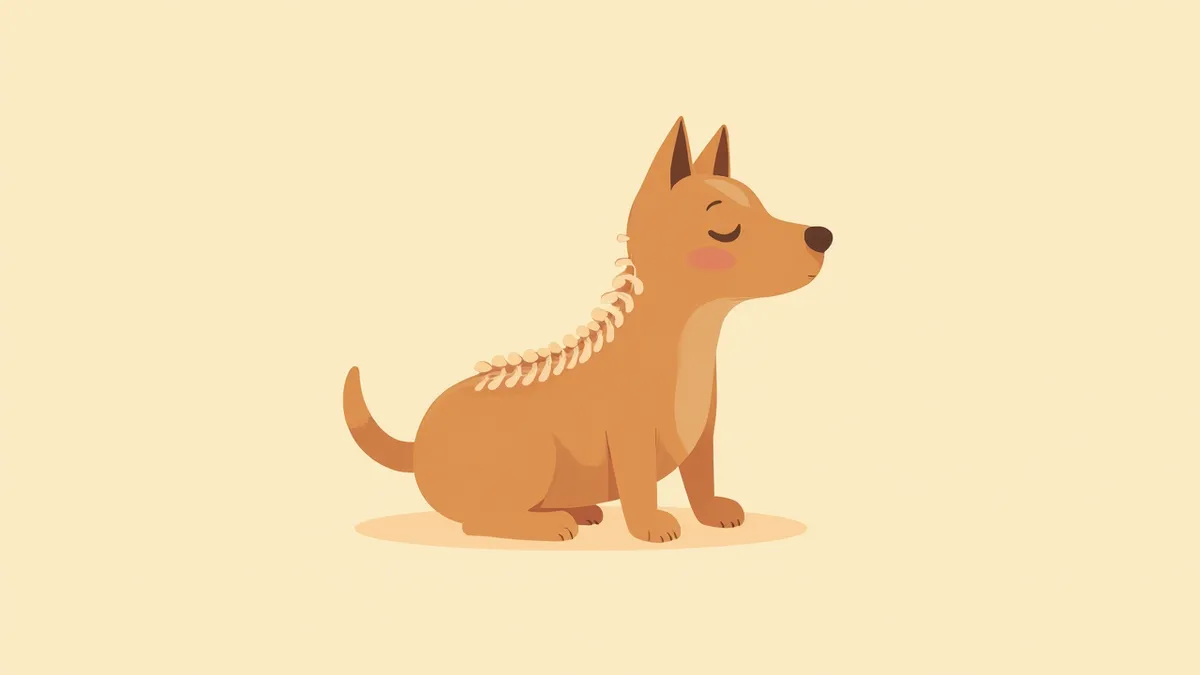
Illustration of the concept of spinal fusion surgery for dogs
Canine spinal fusion surgery is a procedure that firmly stabilizes two or more unstable vertebrae using screws, metal plates, and bone grafts to prevent movement and create a single, solid unit. The primary goal is to prevent nerve damage caused by excessive motion. This surgery is considered when disc surgery (discectomy) alone is insufficient to ensure spinal stability. It is not a routine procedure; it is only performed when imaging studies confirm the presence of spinal instability.

Why is it Needed After Disc Surgery?

Disc surgery, such as laminectomy or hemilaminectomy, relieves nerve compression by removing the protruding disc material. However, because part of the bone is removed, the affected area may become unstable again, or the disc may herniate again between the same vertebrae. In such cases, spinal fusion is performed to immobilize the segment, preventing recurrence and further nerve damage. This approach is particularly considered for breeds prone to recurrent issues, such as French Bulldogs and Dachshunds.

Disc Surgery vs. Fusion Surgery Comparison

ItemDisc surgeryFusion surgery
PurposeRemove the herniated discFixate vertebrae and prevent recurrence
Motion preservationMaintains joint motionNo motion at the affected segment
IndicationsAcute disc herniationPostoperative instability, repeated recurrence
Recovery period4–8 weeks8–12 weeks or more
Brace useOptionalAlmost essential

Actual applicability depends on MRI/CT imaging and the veterinarian's diagnosis.

When is Fusion Considered?
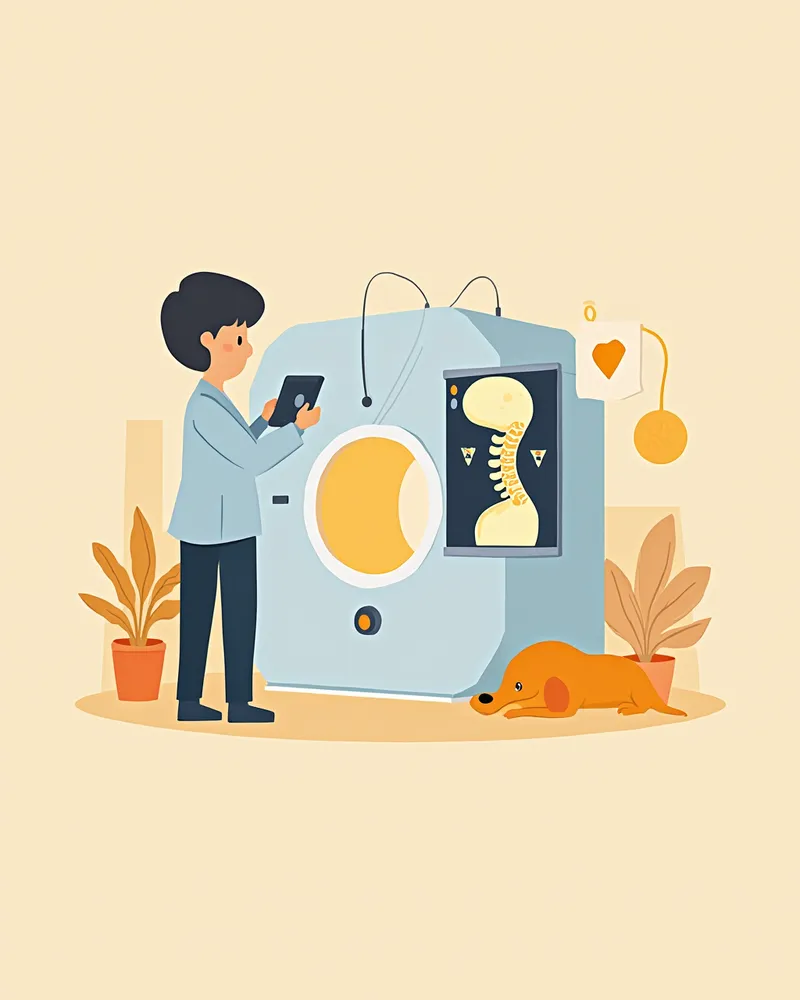
Not every dog with a disc condition is a candidate for spinal fusion. We typically consider this procedure when one or more of the following conditions are present: - Post-surgical recurrence: The disc has herniated again at the same vertebral level. - Radiographic instability: X-rays taken during flexion and extension show vertebral misalignment. - Multilevel lesions: Weakness or damage affecting multiple spinal segments simultaneously. - Spinal deformities: Structural abnormalities such as transitional or hemivertebrae are present. A board-certified veterinary surgeon (such as one certified by the American College of Veterinary Surgeons) will make the final determination by integrating imaging results with a thorough neurological examination.
A veterinarian reviewing a spinal MRI with a dog

When to Seek Immediate Veterinary Care

If any of the following signs appear while your dog is recovering from disc surgery or when you are considering fusion surgery, immediate consultation with a neurosurgeon is necessary. - Sudden recurrence of hind leg weakness or dragging - Inability to control urination or defecation - Loss of deep pain sensation (no response when the toes are pinched) - Severe pain lasting more than 24 hours These signs indicate that nerve damage is progressing rapidly. In particular, if deep pain sensation is lost, veterinary literature suggests that the likelihood of regaining mobility becomes very low. Therefore, it is most important to visit a specialized clinic without delay as soon as these signs appear.

How is the Surgery Performed?
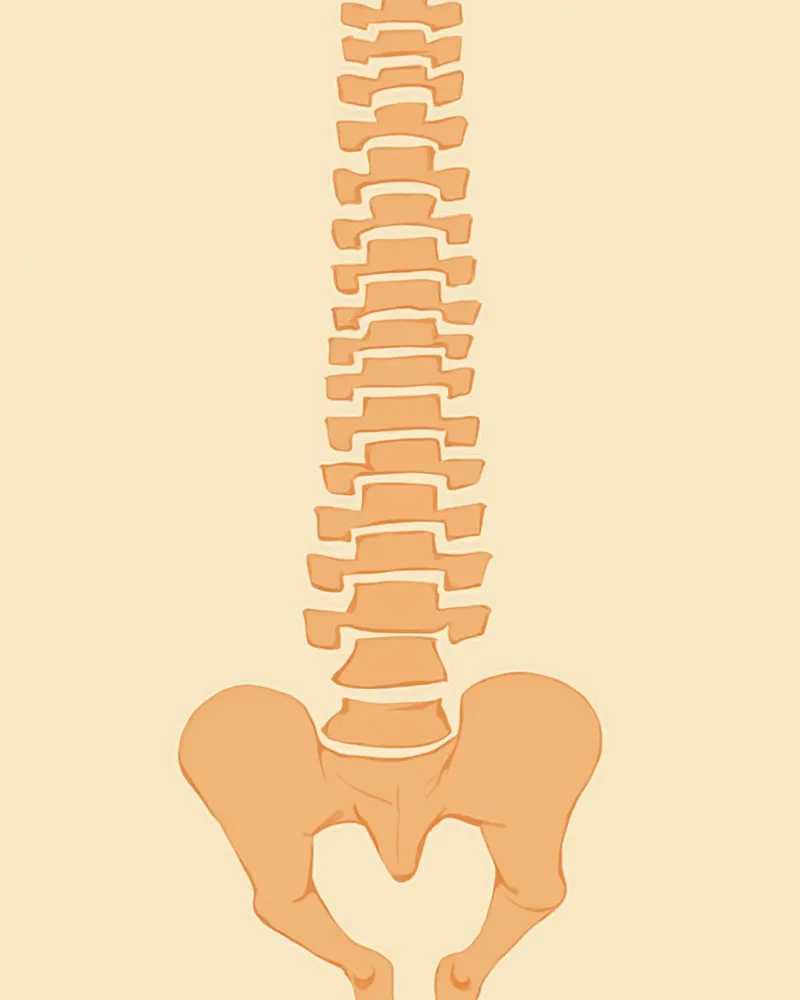
Fusion surgery is performed under general anesthesia, and we first assess anesthesia risk through preoperative blood and cardiac tests. According to veterinary anesthesia textbooks, effective pain management before, during, and after spinal surgery is critical to the speed of recovery. The surgical procedure generally follows these steps: - Step 1: Expose the affected joint and remove the remaining disc material - Step 2: Insert screws and pins into the vertebrae - Step 3: Secure the area with a metal plate or bone cement - Step 4: Apply bone graft material to encourage natural fusion of the two bones
Conceptual diagram of the spinal fusion surgery process

Anesthesia and Pain Management Key Points

Spinal surgery is a procedure that requires a long anesthesia time and involves significant pain. Veterinarians administer pain relief in stages: pre-operative analgesics (pre-medication) tailored to the pet’s weight and health status, additional pain medication during surgery, and combination analgesics post-operatively. Pain management must strictly follow the veterinarian’s prescription and instructions. Administering unprescribed medications on your own can be dangerous, so always consult your veterinarian before giving any medication.

How Long Does Recovery Take?
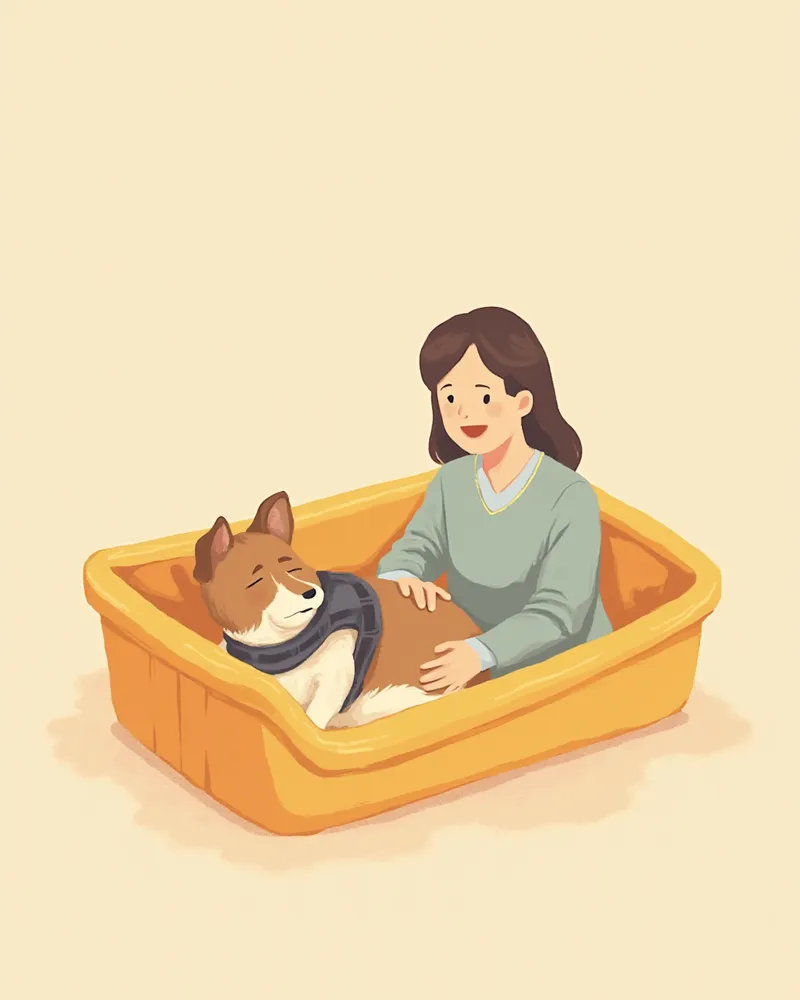
After fusion surgery, it typically takes 8–12 weeks for the bones to heal. During this period, keeping your pet immobilized is the most important factor. - Weeks 0–2: Strict cage rest; no walks; only brief outdoor trips for elimination. - Weeks 3–6: Short indoor walks while wearing a protective brace. - Weeks 6–8: X-rays to assess the degree of bone fusion. - Weeks 8–12: Begin rehabilitation (underwater treadmill and physical therapy). Starting rehabilitation early helps prevent muscle atrophy. However, jumping and using stairs are strictly prohibited until your veterinarian gives the go-ahead.
A puppy recovering while wearing a protective brace

Essential Home Care Guidelines

Even if the surgery is successful, postoperative care at home will determine the outcome. - Prevent slipping on floors: Mats or carpets are essential. - No stairs or sofas: Restrict access for at least 8 weeks, or ideally 12 weeks. - Weight management: Gaining just 1 kg significantly increases the burden on the spine. - Use a harness: Replace the collar with a chest harness. - Regular X-rays: Check the fusion status at 3, 6, and 12 months post-surgery. These same principles apply to cats. Because cats have a strong instinct to jump, you must strictly prevent them from jumping on cat trees or out of windows.

Reviewed by a veterinarian

Dr. Tony — Punnawat Phongkittirak

Dr. Tony — Punnawat Phongkittirak

Veterinarian

A veterinarian who majored in veterinary medicine at Khon Kaen University, Thailand, and completed the IVSA program at North Carolina State University in the United States. Drawing on clinical experience at animal hospitals, he works in the pet healthcare field and is dedicated to building a digital care environment that connects pet parents with veterinarians.

Frequently Asked Questions

I only had disc surgery—do I really need spinal fusion as well?
Not at all. Most dogs recover well with disc surgery alone. Spinal fusion is only considered additionally if imaging shows instability or if the condition recurs at the same vertebral segment.
Will my pet be able to walk again after surgery?
If deep pain sensation remains before surgery, the prognosis for recovery is relatively favorable. Conversely, if deep pain sensation has already been lost, veterinary textbooks report a very poor prognosis for recovery. Therefore, it is essential to have a thorough discussion with your veterinarian about the prognosis in such cases. Regardless of the situation, early diagnosis and prompt treatment are paramount. Even with nerve damage, earlier detection and faster intervention can significantly improve the outcome.
If one joint fuses, do the other joints weaken as well?
It’s possible. The joints above and below the fixed joint take on extra movement, increasing their burden. That’s why weight management and low-impact exercise (such as aquatic rehabilitation) are important.
How much does the surgery cost?
The exact cost varies depending on the number of affected joints, the extent of the lesions, and the type of fixation device used, so it's difficult to provide a precise figure. For the most accurate assessment, we recommend consulting with a veterinary surgical specialist and bringing your MRI results for a detailed evaluation.
Do cats also undergo spinal fusion surgery?
Yes, it can be used. However, in cats, it is often considered for instability caused by trauma or tumors, and the actual applicability is determined based on imaging tests and a veterinarian’s diagnosis.

Share

Related Guides

References

[1] Fossum TW. Small Animal Surgery, 5th ed. Elsevier; 2019 — Chapter: Surgery of the Thoracolumbar Spine

[2] Small Animal Anesthesia and Pain Management: A Color Handbook, 3rd Edition — Perioperative Care

[3] Hosgood G, Scholl DT. Evaluation of age as a risk factor for perianesthetic morbidity and mortality in the dog. J Vet Emerg Crit Care. 1998;8(3):222-36

This information is based on veterinary literature and does not replace diagnosis or treatment. Please consult a veterinarian for specific health concerns.

Metapet Co., Ltd. | CEO: Park Sung-yong | Business Reg. No. 417-88-02562 | Seoul, South Korea | Customer Center

Spinal Fusion Surgery in Dogs After Disc Surgery | Meongsiljang