Like
Share
멍실장
산소 공급 치료(케이지·튜브) 가이드

Oxygen Therapy Guide (Cage & Tube)

ImmunityQ&AMeongsiljang Veterinary Advisory Board

We’ve summarized the essentials every pet owner should know, including the types of oxygen therapy, when to use them, and how to properly use a home cage.

What is Oxygen Therapy?
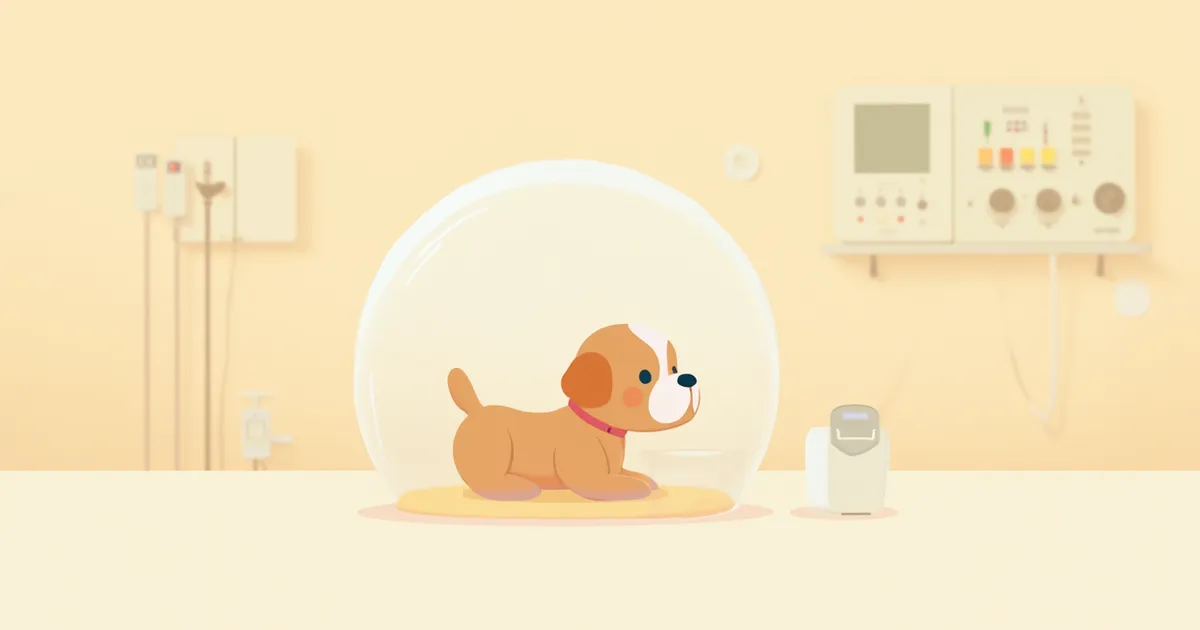
A puppy entering an oxygen cage
Oxygen therapy is an emergency treatment that restores tissue oxygenation by delivering higher concentrations of oxygen than ambient air to pets experiencing respiratory distress or hypoxemia. Rapid intervention is critical. If you notice cyanosis—such as purple gums or a bluish tongue—open-mouth panting, or labored breathing with exaggerated chest movements, contact a nearby veterinary clinic in advance and seek immediate care.

When is Oxygen Therapy Needed?

Oxygen therapy is initiated not merely for panting, but when the body is unable to receive sufficient oxygen. Common indications include respiratory diseases such as pneumonia and bronchitis, pulmonary edema due to heart failure, heatstroke, conditions where oxygen transport or utilization is impaired such as anemia, and low oxygen saturation during anesthesia recovery or immediately after surgery. However, conditions like pneumothorax or pleural effusion, as well as upper airway obstruction, may not respond adequately to oxygen alone; therefore, underlying causes must be addressed concurrently, such as draining pleural fluid or relieving the obstruction. In cases of poisoning, oxygen is essential for smoke inhalation or carbon monoxide poisoning, but it is not recommended for certain toxins like paraquat, so treatment depends on the specific substance involved. Oxygen supplementation is necessary when arterial oxygen saturation (SpO2) falls below 93% or arterial partial pressure of oxygen (PaO2) is less than 70 mmHg. A veterinarian will make the final determination through auscultation and measurement.

Comparison of Four Oxygen Delivery Methods

The method of oxygen delivery depends on the animal’s condition and level of cooperation. Here’s a quick comparison of the four most commonly used methods. Each method differs in the fraction of inspired oxygen (FiO2) it delivers and the amount of stress it causes, so they’re chosen based on whether short-term emergency use or long-term maintenance is needed.

Features of Each Oxygen Delivery Method

ItemOxygen cageNasal catheterOxygen maskFlow-by
Achievable oxygen concentration40-60%30-50%50-80%25-40%
Stress levelLowModerateModerate to highLow
Duration of useLong-termLong-termShort-termShort-term
Main useHospitalization/homeCritical care hospitalizationInitial emergencyExamination/transport
Home use by guardiansPossibleNot possibleAuxiliary useNot possible

Used in combination based on the veterinarian's judgment.

Advantages and Usage Environment of Oxygen Cages

An oxygen cage maintains a steady level of oxygen, temperature, and humidity within a sealed environment, allowing animals to receive stable oxygenation simply by resting inside. - Low stress: Especially suitable for cats and small-breed dogs that strongly resist masks or catheters. - Temperature control: Safe for patients experiencing hypothermia. - Humidity maintenance: Keeps respiratory mucosa from drying out, enabling prolonged use. However, each time the cage is opened, oxygen escapes, causing a temporary drop in concentration.
A cat resting inside an oxygen cage

Go to the Vet Immediately If You See These Signs

If your pet’s gums or tongue turn blue or purple, their chest heaves with labored breathing, their resting respiratory rate remains abnormally fast (significantly exceeding the normal range for dogs or cats), a cat pants with its mouth open, or they struggle to breathe when lying down and instead sit up or stretch their neck out to breathe, these symptoms can worsen within minutes. In such cases, immediate emergency veterinary care is far more important than monitoring at home.

How to Use Home Oxygen Concentrators and Oxygen Cages

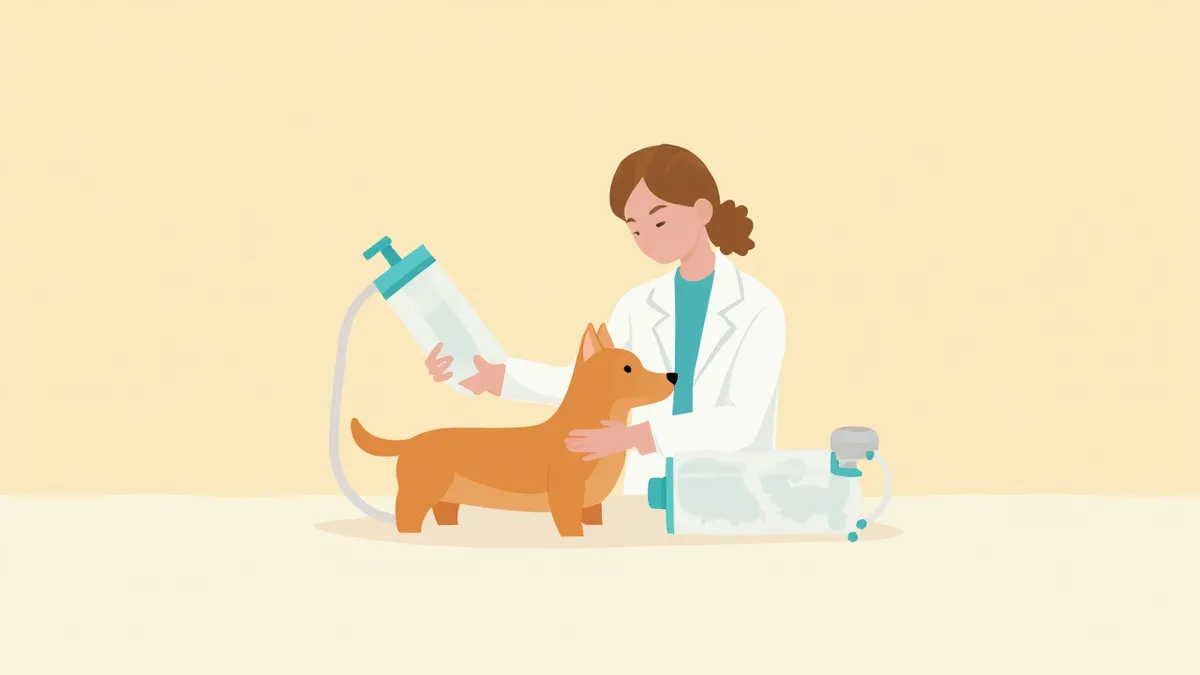
For pets with heart disease or chronic respiratory conditions, veterinarians may prescribe the use of a home oxygen concentrator along with an oxygen cage. There are three key points to keep in mind when using this equipment: - Concentration Settings: Set the target oxygen concentration as prescribed by your veterinarian and always adjust it according to their instructions. It is important not to increase the concentration arbitrarily. - Temperature and Humidity: Maintain the environment inside the cage so that it does not become excessively hot or humid. Excessive heat and moisture can actually cause breathing discomfort. - Usage Duration: In most cases, oxygen therapy is used intermittently during episodes of acute respiratory distress rather than continuously for 24 hours. Do not increase the concentration or duration of use without veterinary guidance.
Home oxygen concentrators and cages

Side Effects and Precautions of Oxygen Therapy

Prolonged exposure to high-concentration oxygen (60% or higher) for more than 12 hours can cause lung tissue damage, known as oxygen toxicity. Additionally, if the cage becomes too hot, respiratory distress may worsen, and there is also a fire hazard; therefore, smoking and the use of heating devices near the cage are strictly prohibited. Low humidity can dry out mucous membranes, while excessively high humidity increases the risk of bacterial growth, so it is important to regularly replace the humidifier filter.

Recovery and Management Points After Treatment

Oxygen therapy is a supportive measure to help manage the underlying condition. To reduce oxygen dependence, it's essential to focus on managing the primary disease. - Heart disease: It's crucial to administer prescribed medications and maintain a low-sodium diet. - Chronic bronchitis: Managing obesity and avoiding inhalant irritants (such as scented candles, cigarette smoke, and perfumes) are key. - Home monitoring: Record your pet's respiratory rate, gum color, and tongue color at the same time each day. Contact your veterinarian immediately if you notice any changes. Regular chest X-rays are recommended to monitor disease progression.

Reviewed by a veterinarian

Dr. Tony — Punnawat Phongkittirak

Dr. Tony — Punnawat Phongkittirak

Veterinarian

A veterinarian who majored in veterinary medicine at Khon Kaen University, Thailand, and completed the IVSA program at North Carolina State University in the United States. Drawing on clinical experience at animal hospitals, he works in the pet healthcare field and is dedicated to building a digital care environment that connects pet parents with veterinarians.

Frequently Asked Questions

Can I use an oxygen cage at home?
It’s possible with a veterinarian’s prescription and monitoring. You’ll need an oxygen concentrator, a specialized cage, and an oxygen level monitor, and you must strictly follow the prescribed oxygen concentration, duration, and temperature. Starting on your own could lead to oxygen toxicity or cause you to miss worsening underlying conditions.
What should I do if my pet refuses to wear the oxygen mask?
Forcing a mask on them can worsen breathing due to stress. In such cases, it’s safer to switch to a flow-by method, where oxygen is delivered near the nose (within a few centimeters), or to use an oxygen cage.
Is a higher oxygen concentration always better?
Not at all. Prolonged exposure to high-concentration oxygen (FiO2 above 60%) for more than 12 hours can lead to lung tissue damage, known as oxygen toxicity. The principle is to maintain the lowest effective concentration that adequately improves symptoms. The target oxygen saturation level and appropriate oxygen concentration are determined by the veterinarian through clinical assessment and monitoring.
Can I feed my pet while it’s receiving oxygen therapy?
Once your pet is stable, you can place small bowls of food and water inside the cage. However, during the acute phase with severe respiratory distress, fasting is safer until instructed otherwise by your veterinarian, due to the risk of aspiration pneumonia.
Do cats receive oxygen therapy in the same way as dogs?
Because cats experience significant stress from masks and catheters, an oxygen cage is the preferred first-line treatment. Open-mouth panting is itself an emergency sign, so you should seek veterinary care immediately.

Share

Related Guides

References

[1] Advanced Monitoring for Small Animal Emergency and Critical Care, 2nd Edition

[2] Small Animal Critical Care Medicine, 2nd Edition - Oxygen Therapy Chapter

[3] BSAVA Manual of Canine and Feline Emergency and Critical Care, 3rd Edition

This information is based on veterinary literature and does not replace diagnosis or treatment. Please consult a veterinarian for specific health concerns.

Metapet Co., Ltd. | CEO: Park Sung-yong | Business Reg. No. 417-88-02562 | Seoul, South Korea | Customer Center

Dog & Cat Oxygen Therapy Guide: Comparing Cages, Tubes, and Masks | Meongsiljang