
What is CHOP Chemotherapy for Canine Lymphoma? — Key Points Pet Owners Must Know
Here’s a clear summary of the essential information pet owners need to know about CHOP chemotherapy, a common treatment for canine lymphoma. We explain the treatment process, potential side effects, and expected survival times in easy-to-understand terms.
What is CHOP Chemotherapy for Canine Lymphoma?

Core Principles and Effects of CHOP Treatment
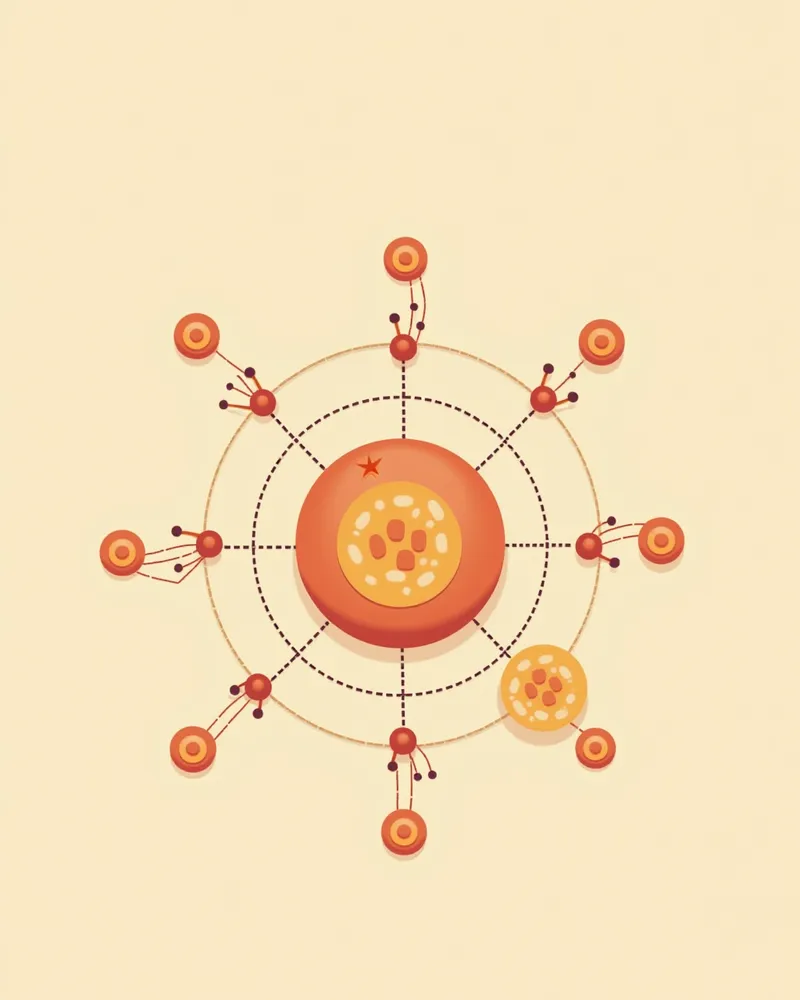
Managing Treatment Cycles and Duration

Common Side Effects and How to Manage Them

CHOP Chemotherapy vs. Other Treatments
| Item | CHOP chemotherapy | Single-agent therapy | Surgical treatment |
|---|---|---|---|
| Complete recovery rate | Complete remission expected in most cases (relatively the best) | Tends to have lower response rate and remission duration than CHOP-based protocols | Single-agent application is not suitable for multicentric lymphoma, a systemic disease |
| Treatment method | A multi-cycle protocol administering several drugs on a schedule | Administration centered on a single drug | Limited to resection/biopsy of localized lesions |
| Side effects | Mostly mild and temporary, but watch for myelosuppression and gastrointestinal toxicity | Generally relatively few | Accompanied by risks of anesthesia/surgery |
| Scope of application | Multicentric (systemic) lymphoma | Adjunctive/palliative situations | Diagnosis/staging confirmation of localized tumors |
According to veterinary textbooks, CHOP-based protocols are the standard treatment for multicentric lymphoma, with superior response rates and remission duration compared to other protocols. Specific figures vary by patient, so consult your attending veterinarian.
Signs Requiring Immediate Veterinary Attention
If your pet develops a high fever, severe lethargy, persistent nausea or vomiting, bloody stools, or signs of shock during chemotherapy, contact your veterinarian immediately. These symptoms may indicate sepsis due to neutropenia from bone marrow suppression, or severe gastrointestinal toxicity. Prompt veterinary assessment and treatment are essential, as delayed intervention can be life-threatening.
Essential Care Points for Pet Owners

Reviewed by a veterinarian

Dr. Tony — Punnawat Phongkittirak
VeterinarianA veterinarian who majored in veterinary medicine at Khon Kaen University, Thailand, and completed the IVSA program at North Carolina State University in the United States. Drawing on clinical experience at animal hospitals, he works in the pet healthcare field and is dedicated to building a digital care environment that connects pet parents with veterinarians.
Reviewed 2026-06-07
Frequently Asked Questions
How long is the survival period after CHOP treatment?
Is it okay to go for walks during chemotherapy?
What should I do if my pet has no appetite?
Will my pet lose its hair after chemotherapy?
Can CHOP therapy be repeated?
Share
Related Guides

Comprehensive Guide to Recommended Hospice Care and Quality of Life Management for Cats with Tumors

7 Factors Determining Prognosis and Life Expectancy in Dogs with Tumors, According to Veterinarians
7 Key Management Points for Canine Transitional Cell Carcinoma (Bladder Cancer) Recommended by Veterinarians — From Symptoms to Care

Dog Schirmer Tear Test FAQ — Key Points Every Pet Owner Should Know

If Your Dog Suddenly Loses Vision — Causes of Retinal Detachment and Emergency Response

Canine Nasolacrimal Duct Obstruction FAQ — Key Points Pet Owners Must Know

What Is Lens Luxation in Dogs? — Timing for Emergency Surgery to Prevent Blindness

What is Canine Keratoconjunctivitis Sicca (KCS)? — How to Recognize Symptoms of Insufficient Tear Production

Should You Definitely Use Cyclosporine for Canine Dry Eye? — A Summary of Effects and Side Effects
Dog Fluorescein Staining Corneal Exam FAQ — Key Information Every Pet Owner Should Know
References
[1] Clinical Medicine of the Dog and Cat, 4th Ed, 2023
[2] The Cat, Clinical Medicine and Management, 2nd Edition, 2021
[3] 100 Top Consultations in Small Animal General Practice, 2022