Like
Share
멍실장
강아지 피하수액 자가 투여 자주 묻는 질문 Q&A — 보호자가 꼭 알아야 할 핵심

Can You Administer Subcutaneous Fluids to Your Dog at Home? — Methods, Dosage, and Precautions Q&A

KidneyQ&AMeongsiljang Veterinary Advisory Board

We’ve put together a guide on how pet owners can safely administer subcutaneous fluids at home and what to watch out for when their dog needs them due to chronic kidney disease or other conditions.

What Is Self-Administration of Subcutaneous Fluids for Dogs?
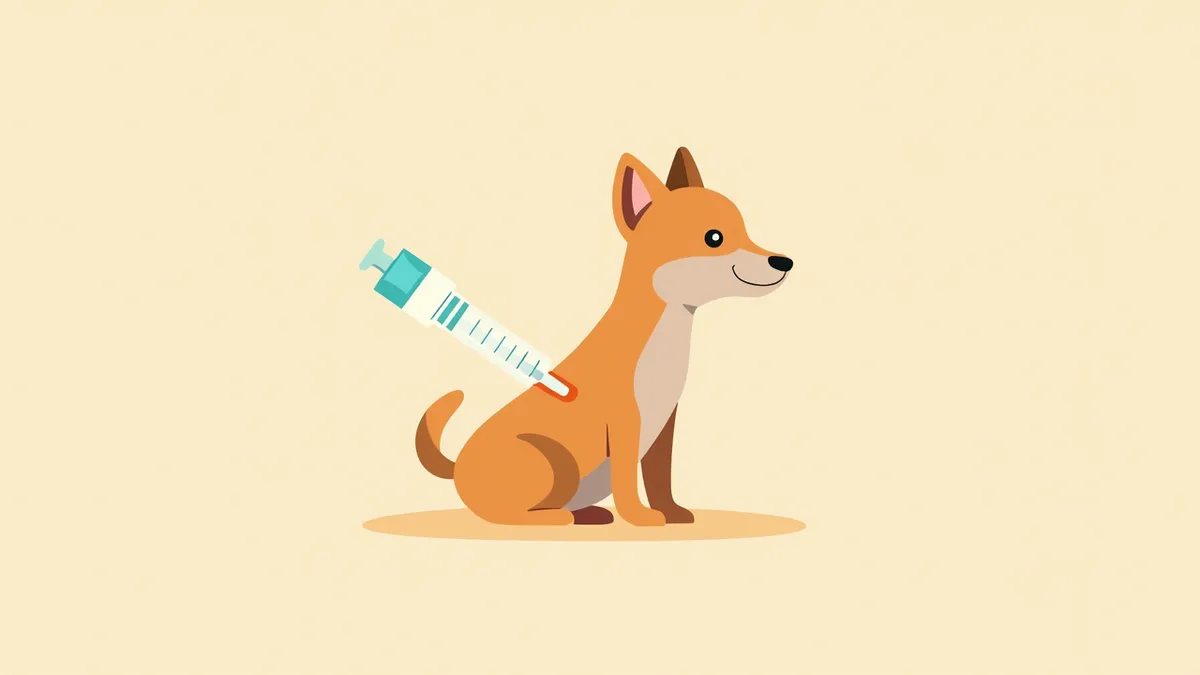
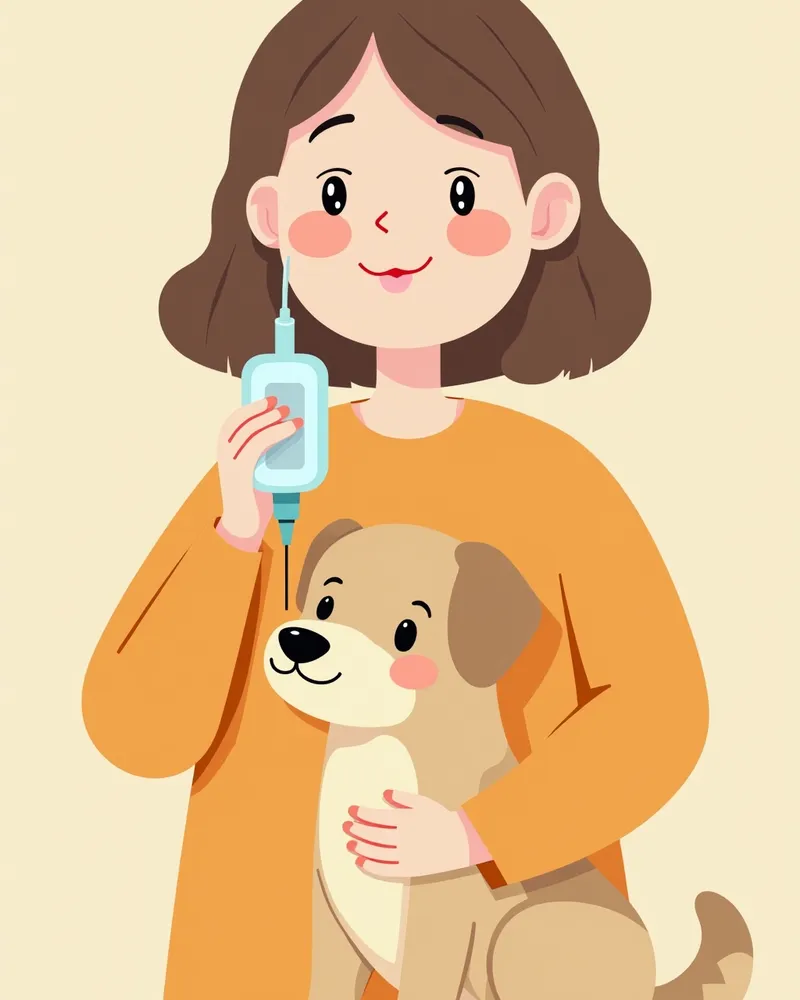
A veterinarian explains to a dog owner how to administer subcutaneous fluids.
Administering subcutaneous fluids at home is a safe way for pet owners to provide hydration to dogs that need it due to conditions like chronic kidney disease. This method involves injecting isotonic fluids, such as Lactated Ringer’s Solution (LRS), prescribed by a veterinarian, under the skin. It is suitable for dogs in relatively mild condition or those manageable at home, helping to reduce clinic visits and support daily care. - Purpose of Subcutaneous Fluid Administration: Helps prevent dehydration and electrolyte imbalances caused by reduced kidney function, and maintains the body’s fluid balance. - Administration Method: Fluids are slowly injected under the skin using a syringe. It is best to change the injection site each time. - Safety: Owners who have received proper training from a veterinarian can safely administer fluids at home to dogs in mild condition. However, this method is not suitable for severe dehydration or critical cases. - Frequency of Administration: The veterinarian determines the number of doses based on the dog’s weight and condition. Consistent, regular care is essential.

Why Are Subcutaneous Fluids Necessary?
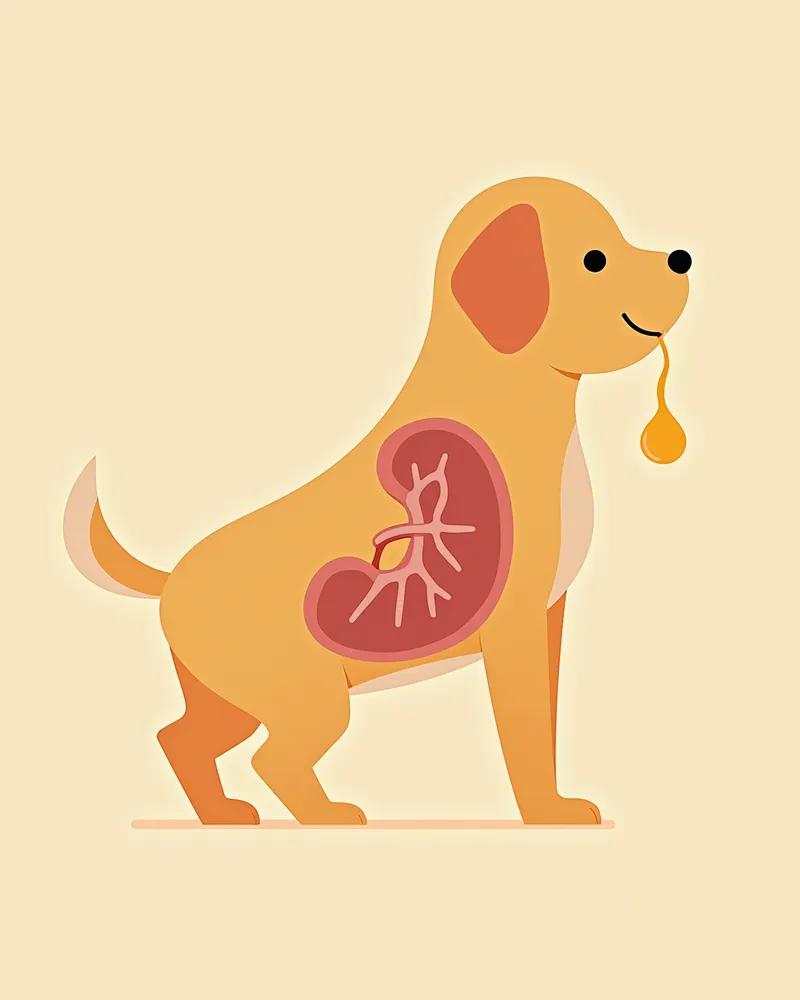
Chronic kidney disease impairs the kidneys’ ability to properly excrete water and waste products, making dehydration and electrolyte imbalances more likely. Subcutaneous fluid therapy helps correct dehydration by replenishing body fluids and supports kidney function. - Need for fluid supplementation: Fluid replacement is necessary depending on the degree of dehydration, and the administration route is determined by the veterinarian based on the patient’s condition. - Supportive effect on kidney function: Fluid administration helps correct dehydration and aids in the elimination of waste products. - Regular monitoring: The veterinarian will regularly assess the patient’s condition and adjust the fluid therapy plan as needed. - Route selection: In cases of severe or critical dehydration, subcutaneous fluids alone may be insufficient, and hospital-based treatments such as intravenous fluids may be required.
An anatomical illustration showing the structure of a dog’s kidneys and the flow of fluids through them

5 Frequently Asked Questions

Here are the most common questions pet owners have about subcutaneous fluid therapy for dogs. How is the frequency of administration determined? Your veterinarian will determine the number of administrations based on your dog’s weight and condition. Consistent, regular administration helps with management. What should I do if the fluid doesn’t absorb? If the injection site becomes swollen or the fluid takes a long time to absorb, contact your veterinarian immediately. Is it okay if the fluid remains for a long time? Some fluid is absorbed slowly. However, if it persists or causes swelling, it could be a sign of complications such as overhydration. What should I do if my dog seems uncomfortable after the injection? Mild discomfort can occur. However, if you notice lethargy or a decreased appetite, further evaluation is needed. Can I administer the fluids at home? Once trained by your veterinarian, you may be able to administer fluids at home for dogs with mild conditions. It’s best to have the vet supervise the first few times.
A dog owner carefully holding a subcutaneous fluid administration device

Comparison of Conditions by Subcutaneous Fluid Administration Frequency

ItemSuitable SituationPrecautions
Mild/Stable ConditionMild decline in kidney function, stable condition manageable at homeRegularly check that weight and appetite are normal
Moderate/Requires MonitoringModerate decline in kidney function with a tendency toward dehydrationThe veterinarian adjusts the route and frequency of administration according to the degree of dehydration
Severe Dehydration/Critical ConditionSevere dehydration or critical conditionSubcutaneous fluids alone are inadequate; hospital treatment such as intravenous fluids is required

The route and frequency of administration are determined by the veterinarian's diagnosis. Monitor the condition with regular tests.

Precautions for Subcutaneous Fluid Administration
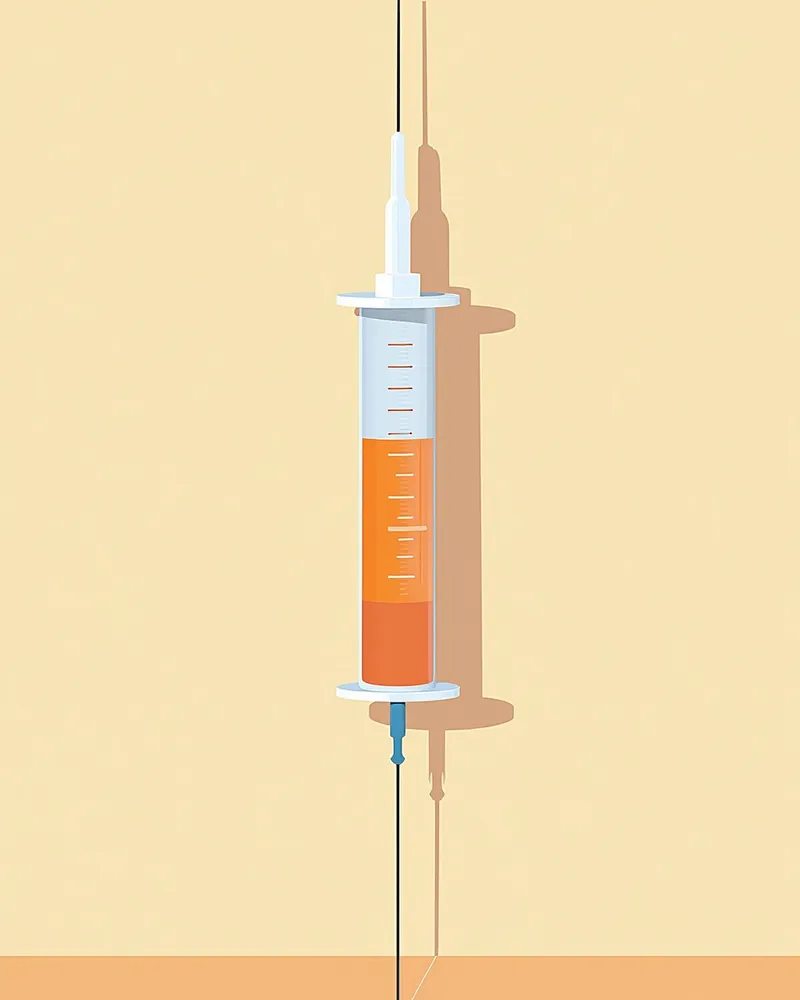
Subcutaneous fluid administration is generally safe, but improper technique can lead to infection or swelling. Always keep the injection site clean and wash your hands before administering the injection. - Injection site care: Rotate injection sites with each dose to minimize skin damage. - Infection prevention: Use single-use syringes and needles, and ensure thorough disinfection. - Monitoring for adverse reactions: Contact your veterinarian immediately if the injection site becomes swollen, discharges pus, or if your dog becomes lethargic or immobile after the injection. - Administration rate: Injecting too quickly can cause significant pain and swelling. - Adherence to instructions: Strictly follow the dosage and administration rate prescribed by your veterinarian. Incorrect administration can pose serious health risks.
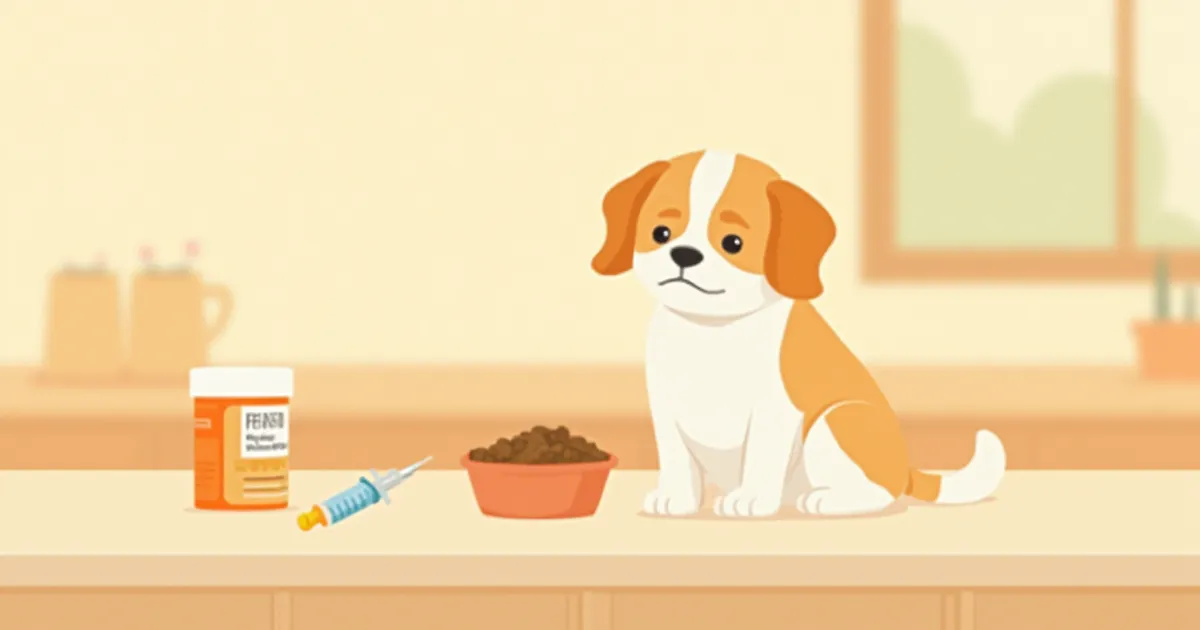
Preparing a sterilized syringe and needle

Signs Requiring Immediate Veterinary Visit

If the injection site becomes severely swollen, discharges pus, your dog becomes unusually lethargic, or vomiting or diarrhea occurs after subcutaneous fluid administration, contact your veterinarian immediately. These could be signs of infection or adverse reactions.

Tips for Safe Administration at Home

Administer the injection in a quiet place so your dog doesn’t become fearful. Show affection before the injection and reward with a treat afterward. - Rotate injection sites: Choose a different area each time to minimize skin irritation. - Prepare the environment: A calm, well-lit space helps your dog feel more secure during administration. - Follow veterinary guidance: Be sure to review and follow the educational materials provided by your veterinarian. - Manage emotions: If your dog is tense, administering the injection becomes more difficult, so approach calmly and gently. - Use positive reinforcement: Reward your dog with treats or play after the injection to create a positive experience. This greatly supports long-term compliance with treatment.
A dog owner giving a treat to their dog after subcutaneous fluid administration

Warning: Do Not Overdose

Giving more than the amount prescribed by your veterinarian can lead to swelling or put extra strain on the heart. Never increase the dose on your own. Always follow your veterinarian’s instructions strictly.

Reviewed by a veterinarian

Dr. Tony — Punnawat Phongkittirak

Dr. Tony — Punnawat Phongkittirak

Veterinarian

A veterinarian who majored in veterinary medicine at Khon Kaen University, Thailand, and completed the IVSA program at North Carolina State University in the United States. Drawing on clinical experience at animal hospitals, he works in the pet healthcare field and is dedicated to building a digital care environment that connects pet parents with veterinarians.

Frequently Asked Questions

How long can I administer subcutaneous fluids at home?
Your veterinarian will regularly assess your pet’s condition and, if necessary, discontinue or adjust the medication. Ongoing management is essential.
Is it normal for the injection site to swell?
Some temporary swelling is normal. However, if it persists for more than 24 hours or if pus appears, it could indicate an infection, so please have your veterinarian check it.
Is it okay if the IV fluid isn't draining?
Some of it may remain on the skin and be naturally absorbed. However, if it persists or causes swelling, it could be a sign of an issue.
My dog is very afraid of injections. What should I do?
Start by having your veterinarian guide you through the training process. Gradually help your puppy become comfortable by rewarding them with treats and praise.
If I stop the subcutaneous fluids, do I need to go back to the hospital?
Your veterinarian may decide to discontinue the medication. However, stopping it abruptly can be dangerous, so always consult your vet first.

Share

Related Guides

References

[1] The Cat, Clinical Medicine and Management, 2nd Edition, 2020

[2] Small Animal Critical Care Medicine, 3rd Ed, 2021

[3] Blackwell's Five-Minute Veterinary Consult Clinical Companion, Small Animal Toxicology, 3rd Edition, 2022

This information is based on veterinary literature and does not replace diagnosis or treatment. Please consult a veterinarian for specific health concerns.

Metapet Co., Ltd. | CEO: Park Sung-yong | Business Reg. No. 417-88-02562 | Seoul, South Korea | Customer Center

Dog Subcutaneous Fluids at Home: Methods, Dosage & Precautions | Meongsiljang