
When to Visit and How to Choose a Veterinary Dental Clinic for Dogs: A User Guide
A specialized veterinary dental clinic is essential for dogs that require more thorough oral examinations and advanced dental treatments than what a general animal hospital can provide. Here’s a guide on when to visit and how to choose the right clinic.
What Is a Veterinary Dental Clinic?
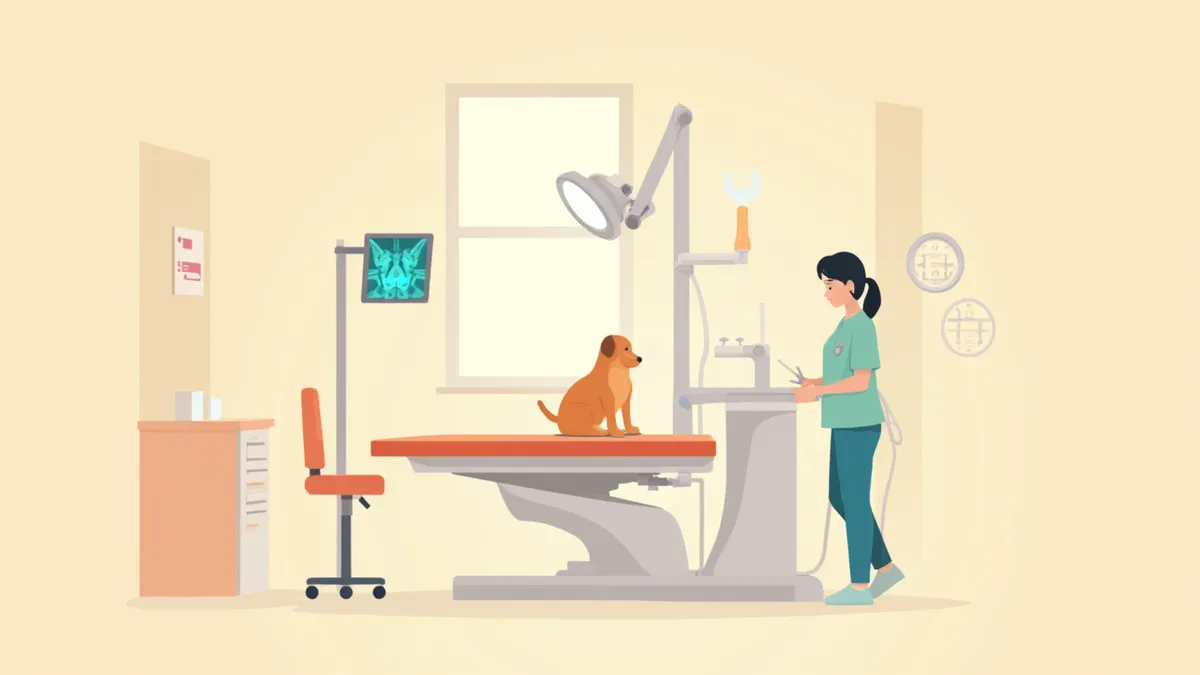
How Is It Different from a General Veterinary Clinic?
Visit Immediately If You Notice These Signs
When It’s an Emergency
If your pet’s face is noticeably swollen, there is persistent pus or blood coming from the mouth, or they are barely eating for more than 24 hours, they may have a severe oral infection or a tooth root abscess. Call a veterinary clinic that offers dental care and visit the same day. If left untreated, this can lead to jawbone resorption or systemic infection.
Key Points to Verify When Choosing a Clinic
General Scaling vs. Specialty Dental Care: A Comparison
| Item | General animal hospital scaling | Specialized dental care |
|---|---|---|
| Dental X-ray | False | True |
| Subgingival diagnosis | Limited | Available |
| Extraction & root canal treatment | Limited | Available |
| Anesthesia monitoring | Basic | Precise, 4 or more types |
| Time required | 30–60 minutes | 60–120 minutes |
There are differences between hospitals, so check by phone before visiting
How Much Should You Budget for Costs?
For Owners Concerned About Anesthesia
For senior dogs or those with heart or kidney disease, it is essential to confirm their overall health through a physical examination and blood tests before anesthesia. Veterinary textbooks emphasize that pre-anesthetic screening helps identify potential systemic abnormalities or dehydration in advance, and advanced age is recognized as a factor that increases anesthetic risk. "Non-anesthetic scaling" only scrapes the visible portion of tartar above the gumline; while this may reduce the amount of visible tartar, it does not address the more critical tartar and root inflammation below the gums. The condition beneath the gumline can only be accurately diagnosed using a periodontal probe and dental X-rays under anesthesia. Therefore, receiving a proper scaling procedure at a veterinary dental clinic equipped with safe anesthetic protocols and pre-anesthetic testing is safer in the long run.
How to Care for Your Pet at Home After the Procedure
Reviewed by a veterinarian

Dr. Tony — Punnawat Phongkittirak
VeterinarianA veterinarian who majored in veterinary medicine at Khon Kaen University, Thailand, and completed the IVSA program at North Carolina State University in the United States. Drawing on clinical experience at animal hospitals, he works in the pet healthcare field and is dedicated to building a digital care environment that connects pet parents with veterinarians.
Reviewed 2026-04-21
Frequently Asked Questions
At what age should puppies start getting dental cleanings?
Is scaling without anesthesia effective?
What should I prepare before a dental checkup?
Will tooth extraction make it difficult for my pet to eat?
My pet hates brushing its teeth. What should I do?
Share
Related Guides

7 Best Cat Dental Chews for Tartar Prevention Recommended by Veterinarians and Selection Criteria

Top 5 Recommended Dental Treats for Dogs in 2026 — VOHC Certification Criteria

7 Criteria for Choosing Dog Tartar Prevention Dental Chews Recommended by Veterinarians

Cat Basic Vaccination Schedule FAQ — Key Points Every Owner Must Know

Indoor Safety Checks for Cats: Frequently Asked Questions — Key Points Every Owner Must Know

Cat External Parasite Prevention (Ticks & Fleas) FAQ — Key Information for Pet Owners

Cat Ear Cleaning FAQ — Key Points Every Owner Must Know

Frequently Asked Questions on Choosing Dry, Wet, and Raw Cat Food — Key Points Every Pet Owner Should Know

Cat Dental Preventive Care FAQ — Key Points Every Pet Owner Should Know

Cat Water Intake Monitoring FAQ — Key Essentials Every Pet Owner Should Know
References
[1] Clinical Medicine of the Dog and Cat, 4th Ed - Dental Disease Management
[2] Applied Veterinary Clinical Nutrition, 2nd Ed - Oral Health Chapter
[3] Logan, E.I. (2006) Dietary influences on periodontal health in dogs and cats. Veterinary Clinics of North America. Small Animal Practice 36, 1385-1401
[4] Rawlings, J.M., Gorrel, C., Markwell, P.J. (1998) Effect on canine oral health of adding chlorhexidine to a dental hygiene chew. J. Vet. Dent. 15(3): 129-134