Like
Share
멍실장
고양이 하부요로질환(FLUTD) 종합 가이드

Comprehensive Guide to Feline Lower Urinary Tract Disease (FLUTD)

UrinaryQ&AMeongsiljang Veterinary Advisory Board

We’ve compiled the essential information every cat owner should know about feline lower urinary tract disease (FLUTD), covering everything from its definition and recognizing emergencies to diagnosis, treatment, and home care.

What is Feline FLUTD?
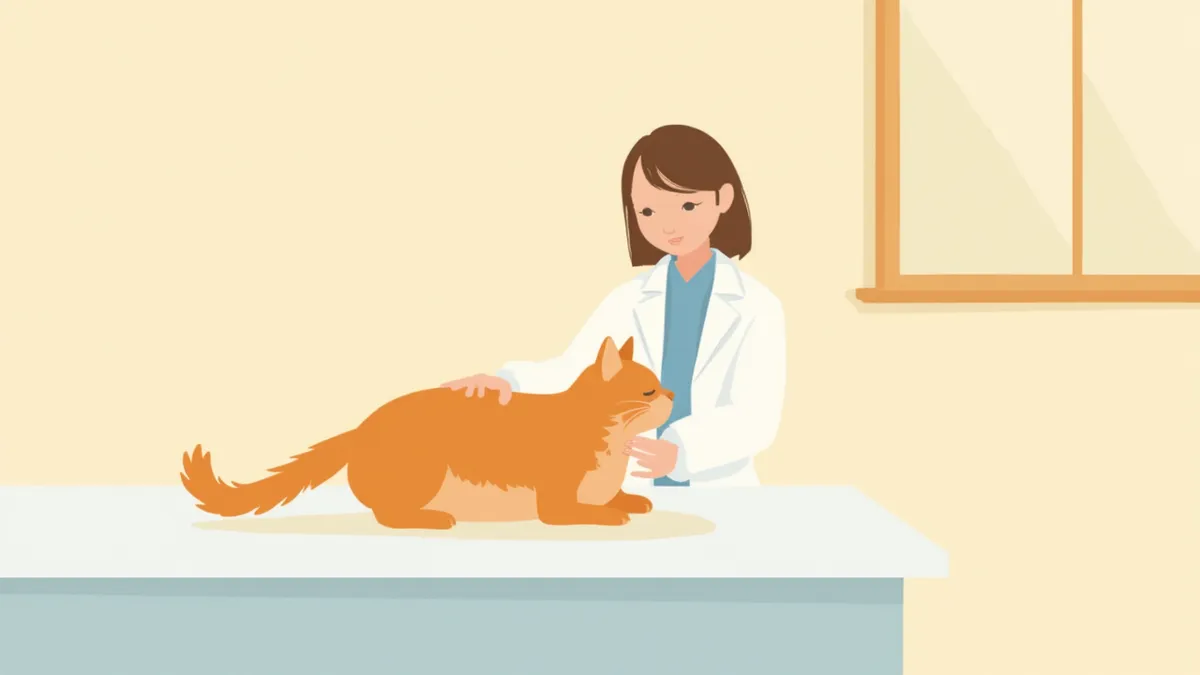
A veterinarian gently palpating a cat’s bladder
Feline Lower Urinary Tract Disease (FLUTD) is an umbrella term for a range of conditions affecting the bladder and urethra, including inflammation, bladder stones, and urinary obstruction. In male cats, a complete urethral blockage that prevents urination is a life-threatening emergency that can become fatal within hours. If your cat is straining in the litter box without producing urine or is crying out in distress, seek veterinary care immediately.

What Causes FLUTD?

Feline lower urinary tract disease (FLUTD) is not caused by a single factor. According to veterinary textbooks, it arises from a combination of causes such as idiopathic cystitis, urinary tract stones, bacterial infections, urethral plugs (aggregates of mucus and crystals), tumors, and anatomical abnormalities. Among these, idiopathic cystitis is the most common, accounting for approximately 55–65% of cases, followed by urinary tract stones at about 15–21%, urethral plugs at 10–21%, bacterial infections at 1–8%, and tumors at 1–2%. However, idiopathic cystitis is a diagnosis of exclusion, made only after all other potential causes have been ruled out. Key risk and exacerbating factors include indoor living, lack of exercise, obesity, multi-cat households, inter-cat conflict, and stress.

Suspect FLUTD If You Notice These Symptoms
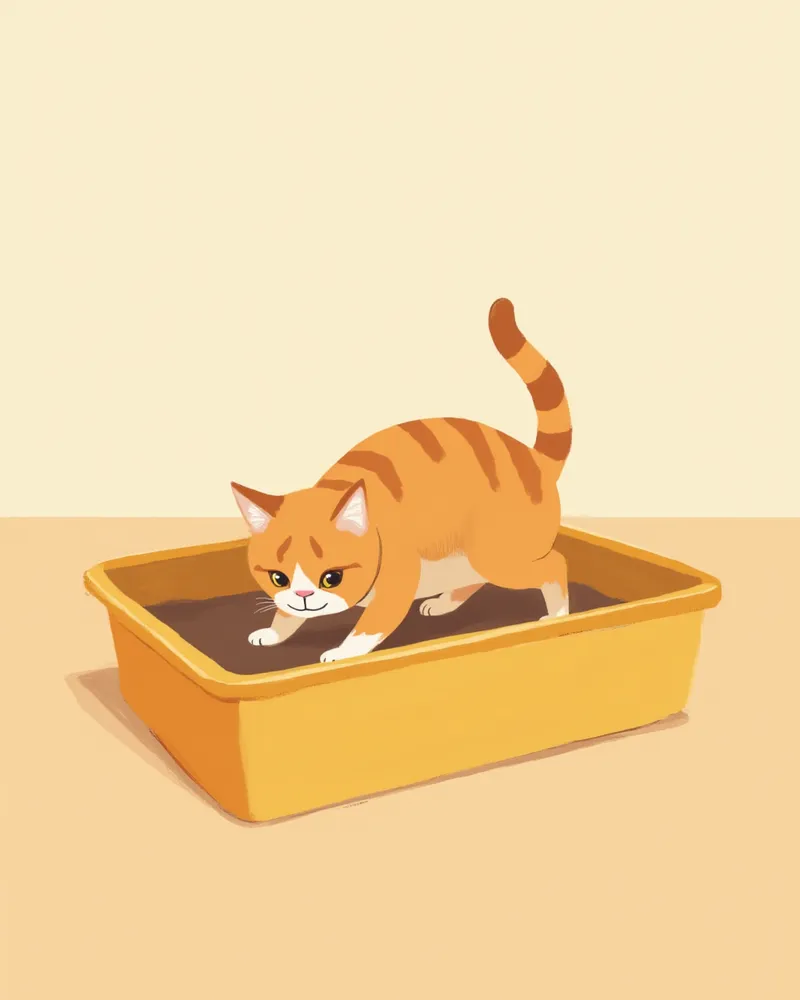
The first sign that pet owners typically notice is a change in bathroom habits. If any of the following symptoms are present, a veterinary visit is necessary. In particular, if your pet is straining to urinate but no urine is coming out, seek emergency care immediately. - Frequent trips to the litter box: Attempting to urinate every few minutes - Straining to urinate (Stranguria): Crouching and straining, but passing little to no urine - Blood in the urine: The litter appears pink or red - Inappropriate elimination: Urinating outside the litter box, such as in the bathtub, on the sink, or on bedding - Excessive licking of the genital area: Licking repeatedly due to pain or discomfort
A cat crouching and straining in the litter box

Emergency Signs of Urethral Obstruction — Seek Immediate Veterinary Care

If your male cat is straining and crying in the litter box, producing no urine, or has a hard, distended abdomen, he may be suffering from a urethral obstruction. As this condition progresses, it can lead to hyperkalemia and severe kidney dysfunction, potentially becoming life-threatening within just a few hours, so immediate emergency treatment is essential. If your cat is vomiting, lethargic, or has a low body temperature, the condition has already advanced. Take him to a 24-hour veterinary clinic without delay.

How Is Diagnosis Performed at the Clinic?

Diagnosis proceeds in the following order: history taking, abdominal palpation, and urinalysis. The veterinarian checks how enlarged the bladder is and whether crystals, blood, or bacteria are present in the urine. If necessary, ultrasound or radiography is used to locate stones, and blood tests measure kidney function indicators (BUN, creatinine) and potassium levels. In cases where obstruction is suspected, urine is often collected via catheterization before insertion for analysis.

Comparison of FLUTD Types by Characteristics

ItemIdiopathic cystitisUrolithiasisBacterial cystitis
Predisposed ageMainly 1–8 yearsAll agesMiddle-aged & senior (varies)
Main causeStress & insufficient hydrationMineral crystallizationBacterial infection
Accompanying hematuriaCommonCommonCommon
Recurrence riskVery highModerate to highModerate
First-line treatmentEnvironmental & dietary managementPrescription diet & surgeryAntibiotics

Diagnosis must go through a veterinarian's urinalysis and imaging tests.

How Is Treatment Conducted?
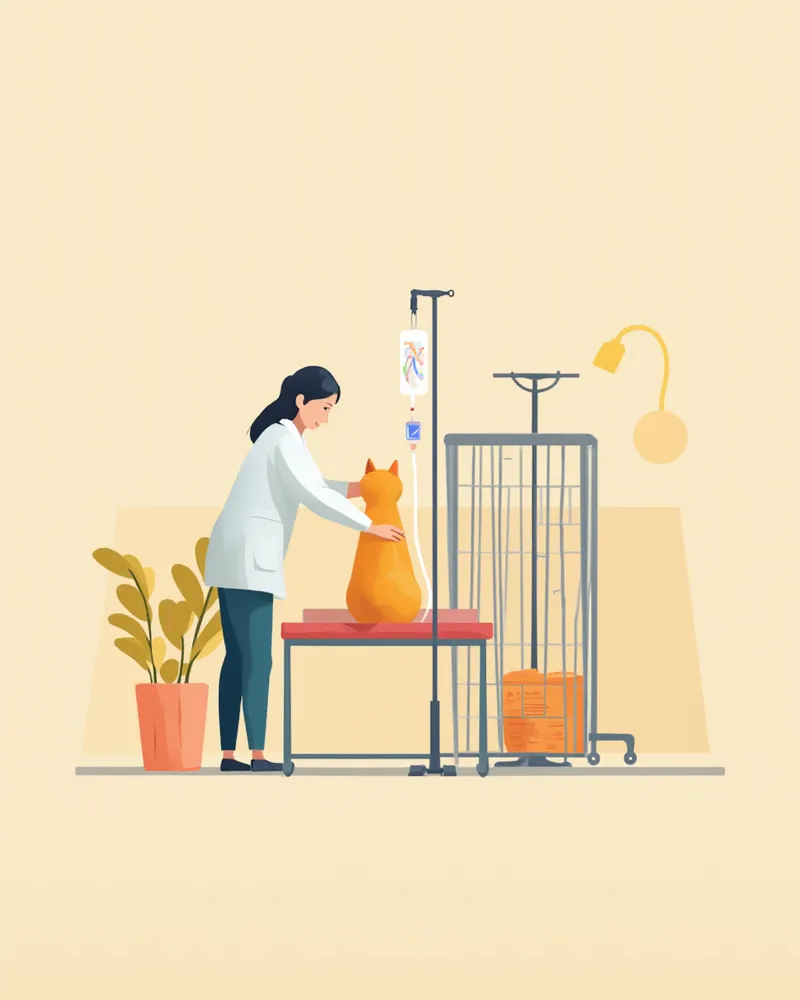
Treatment depends on the underlying cause. If there’s a urinary obstruction, we’ll relieve the blockage using a urethral catheter under anesthesia and administer fluids and electrolytes to support kidney recovery. For bladder stones, we may dissolve them with a prescription diet based on their composition or remove them surgically. In cases of bacterial infection, we prescribe antibiotics tailored to the urine culture results. For idiopathic cystitis, there’s no single “cure”; instead, the focus is on reducing flare-ups through environmental enrichment, adequate hydration, and dietary management, alongside pain control and stress reduction.
A cat receiving intravenous fluids in the hospital ward

Home Care Management Guidelines

Here are key management points to help prevent recurrence after discharge. - Increase water intake: Use a pet water fountain and offer wet food alongside dry kibble, and place water bowls in multiple locations. - Adhere to the prescription diet: Do not mix the prescribed food with regular food for the duration specified by your veterinarian. - Optimize the litter box environment: Provide one more litter box than the number of cats you have, place them in quiet areas, and clean them daily. - Manage weight: Obesity increases the risk of recurrence. - Reduce stress: Ensure your cat has hiding spots and vertical spaces to climb, and consider using pheromone products.

Preventing Recurrence — Idiopathic Cystitis Is a 'Management Condition'

FLUTD, especially idiopathic cystitis, is not a condition that resolves with a single treatment; it can recur throughout your pet’s life. Symptoms may flare up during environmental changes—such as moving, introducing a new pet, or rearranging furniture—or with seasonal shifts. Therefore, it’s essential for owners to develop the habit of monitoring their pet’s litter box habits daily. Seeking veterinary care promptly at the first sign of recurrence allows for evaluation before symptoms worsen, making early intervention the best approach to prevent the condition from escalating.

Reviewed by a veterinarian

Dr. Tony — Punnawat Phongkittirak

Dr. Tony — Punnawat Phongkittirak

Veterinarian

A veterinarian who majored in veterinary medicine at Khon Kaen University, Thailand, and completed the IVSA program at North Carolina State University in the United States. Drawing on clinical experience at animal hospitals, he works in the pet healthcare field and is dedicated to building a digital care environment that connects pet parents with veterinarians.

Frequently Asked Questions

Do only male cats get FLUTD?
Not at all. Bladder inflammation and urinary stones are common in female pets as well. However, emergency situations caused by urethral obstruction occur overwhelmingly more often in males due to their narrower urethra.
If my pet has FLUTD, should I only feed them wet food?
While wet food does help with hydration, it’s not strictly necessary. Even if you feed dry kibble, you can increase your pet’s water intake by providing a water fountain or multiple water bowls.
Is it dangerous if my pet hasn’t urinated for several days?
If a male cat is experiencing a complete urinary blockage, his life can be in danger within just a few hours. You cannot afford to wait for "a few days." If he is straining but unable to urinate, he needs emergency veterinary care immediately on the same day.
Can stress really cause cystitis?
Yes, idiopathic cystitis is closely linked to stress. Factors such as moving, adding a new pet to the household, or changes in the litter box setup often trigger flare-ups.
Once contracted, is it incurable?
Stones and infections can be cured once the underlying cause is removed. For idiopathic cystitis, the focus is on managing recurrences rather than achieving a cure. Environmental and dietary management can significantly reduce the frequency of flare-ups.

Share

Related Guides

References

[1] Clinical Medicine of the Dog and Cat, 4th Ed — Feline Lower Urinary Tract Disease

[2] A Professional's Guide to Feline Behaviour — FLUTD Chapter

[3] The Veterinary Workbook of Small Animal Clinical Cases — Case 18

This information is based on veterinary literature and does not replace diagnosis or treatment. Please consult a veterinarian for specific health concerns.

Metapet Co., Ltd. | CEO: Park Sung-yong | Business Reg. No. 417-88-02562 | Seoul, South Korea | Customer Center

Feline Lower Urinary Tract Disease (FLUTD): Complete Guide | Meongsiljang