Like
Share
멍실장
고양이 갑상선 항진증 치료법 — 약물·수술·방사선 비교

Feline Hyperthyroidism Treatments — Comparing Medication, Surgery, and Radioactive Iodine

EndocrineQ&AMeongsiljang Veterinary Advisory Board

We’ve compared the four treatment options for feline hyperthyroidism—medication, diet, surgery, and radioactive iodine—based on their effectiveness, cost, and recurrence rates, and outlined how to choose the right option for your cat, along with post-treatment care tips.

What Is Treatment for Feline Hyperthyroidism?

An elderly cat sitting comfortably on the examination table at the clinic
Treating feline hyperthyroidism is a lifelong or long-term management process aimed at restoring excess thyroid hormone levels to normal, thereby preventing damage to the heart, kidneys, and body weight. The most critical factors are the timing of treatment initiation and the choice of therapy. If elevated hormone levels are left untreated, conditions such as hypertrophic cardiomyopathy, hypertension, and renal failure can progress rapidly. Therefore, it is essential to select and begin the most appropriate treatment among the four available options immediately after diagnosis, based on your cat’s individual condition.

Why Are There Four Treatment Options?

Feline hyperthyroidism is most commonly caused by benign thyroid tumors (adenomas) that overproduce hormones. Therefore, treatment has two main goals: normalizing hormone levels and controlling the tumor itself. Medications and specialized diets suppress hormone production, while surgery and radioactive iodine therapy remove the tumor tissue. The best approach depends on your cat’s age, kidney function, your ability to administer medication, and budget considerations.

Overview of the Four Treatment Options

The four standard treatment options are medication (methimazole), prescription diet (Y/D), thyroidectomy, and radioactive iodine (I-131). The 2016 American Association of Feline Practitioners (AAFP) guidelines for managing feline hyperthyroidism also list these four as treatment choices, with radioactive iodine often being the first recommendation due to its curative potential and non-invasive nature. However, the best approach depends on your cat’s age, kidney function, ability to take medication, and cost considerations. Please refer to the table below to compare effectiveness, recurrence rates, cost, and impact on kidney function.

Comparison Table of Treatment Options

ItemMedicationPrescription Diet (Y/D)ThyroidectomyRadioactive Iodine
Efficacy (Hormone Normalization)Over 95% (while on medication)Over 82% (when eating diet only)Over 90%Over 95%
CurabilityNot possible (lifelong medication)Not possible (lifelong diet)PossiblePossible
Recurrence RateLow (recurs if medication stopped)Low (recurs if diet stopped)5–10%2–5%
Dosing Frequency1–2 times daily for lifeDedicated food only for lifeOne-time surgeryOne-time injection
Estimated CostKRW 50,000–150,000/monthKRW 100,000–200,000/monthKRW 1.5–3 millionKRW 3–5 million
Kidney BurdenManageableLowSurgical riskLow
Anesthesia RequiredNot neededNot neededGeneral anesthesiaSedation only

Costs are estimates based on 2026 domestic (Korea) standards and vary by clinic and region

Medication — Methimazole as the First-Line Choice
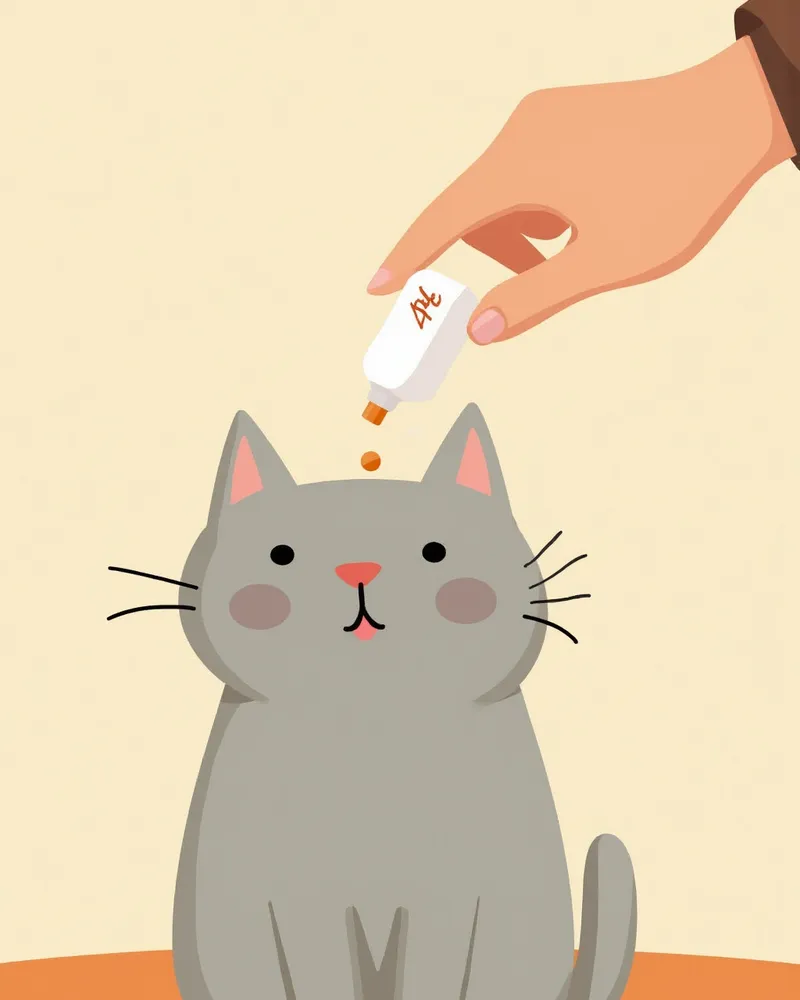
Methimazole is a medication that blocks the enzyme (thyroid peroxidase) responsible for producing hormones in the thyroid gland. It is the most widely used treatment in Korea and is available in two forms: an oral medication and a transdermal gel applied to the inside of the ear. - Advantages: Lower cost, no anesthesia required, and dosage can be adjusted as needed while monitoring kidney function changes. - Disadvantages: Requires lifelong daily administration; a comprehensive initial checkup (including TT4, complete blood count, biochemistry, and urinalysis) is needed approximately one month after starting treatment, followed by monitoring every 4–6 months. Reported side effects occur in up to one in four cats, including decreased platelets and white blood cells (approximately 3–9%), elevated liver enzymes (approximately 2%), and facial or neck itching (2–3%). The transdermal gel is a good alternative for cats that are difficult to medicate orally and may cause fewer gastrointestinal side effects, but the exact difference in efficacy can vary from cat to cat.
A caregiver gently giving a pill to a gray cat

Methimazole Side Effects — Go to the Vet Immediately If You See These Signs

Side effects are most likely to occur within the first three months after starting methimazole. If you notice any of the following signs, stop the medication immediately and contact your veterinarian: - Loss of appetite or vomiting: The most common early side effects (5–10%) - Skin itching (face or neck): May indicate an autoimmune reaction - Gum bleeding or nosebleeds: Possible sign of thrombocytopenia (low platelet count) - Jaundice or darkened urine: Signs of liver damage Abnormal white blood cell counts or liver enzyme levels on blood tests carry the same meaning.

Prescription Diet (Y/D) — Iodine-Restricted Diet

Hill’s Prescription Diet y/d is a food formulated with extremely low iodine levels, which are essential for thyroid hormone synthesis. When iodine is insufficient, the thyroid gland cannot produce hormones, causing thyroid hormone levels to drop naturally. - Pros: No medication required, minimal side effects, suitable for multi-cat households - Cons: Absolutely no other foods or treats allowed (even a trace amount of iodine will negate the effect), higher cost, and it takes 8–12 weeks to see results We only recommend this diet for households where you can strictly prevent access to other foods and treats, such as in multi-cat environments.

Radioactive Iodine (I-131) — The Treatment with the Highest Cure Rate

A single injection of radioactive iodine selectively targets and destroys only the abnormal thyroid tissue, leaving normal thyroid tissue and other organs virtually unaffected. - Advantages: Over 95% cure rate, minimal risk of recurrence, and no need for lifelong medication or dietary restrictions. - Disadvantages: Limited availability (only 3–4 clinics in Korea), required 1–2 weeks of isolation hospitalization post-procedure, and high cost. This is the best option for cats aged 10 or older with stable kidney function, especially if the owner prefers to avoid lifelong medication. For details on the isolation process, please refer to the Cat Radioactive Iodine Treatment Hospitalization Guide.
A veterinarian reviewing a thyroid scan image on a digital tablet.

Thyroidectomy — When Should It Be Chosen?

This surgery involves surgically removing one or both lobes of the thyroid gland. It is typically chosen when radioactive iodine therapy is unavailable or when the thyroid tumor is very large. - Precautions: There is a risk of hypocalcemia if the parathyroid glands are damaged, and recurrence in the remaining lobe is possible even after unilateral removal (5–10%). - Prerequisites: To ensure safety, hormone levels must be normalized with methimazole before anesthesia is administered. For senior cats at high risk for anesthesia, radioactive iodine therapy is increasingly recommended.

Checking Kidney Function Before Starting Treatment Is Essential

When thyroid hormone levels are high, increased blood flow to the kidneys can mask underlying kidney dysfunction. Once treatment begins and hormone levels return to normal, the previously elevated renal blood flow decreases, which may unmask pre-existing chronic kidney disease (CKD). Therefore, it is essential to perform the following tests before and after starting treatment: - SDMA, creatinine, and BUN: To assess kidney function - Blood pressure measurement: Hyperthyroidism can be accompanied by systemic hypertension, so blood pressure should be monitored; if hypertension is present, it is treated with amlodipine - Echocardiogram: To check for concurrent hypertrophic cardiomyopathy Starting treatment without these tests risks missing a worsening of previously hidden kidney disease.

Reviewed by a veterinarian

Dr. Tony — Punnawat Phongkittirak

Dr. Tony — Punnawat Phongkittirak

Veterinarian

A veterinarian who majored in veterinary medicine at Khon Kaen University, Thailand, and completed the IVSA program at North Carolina State University in the United States. Drawing on clinical experience at animal hospitals, he works in the pet healthcare field and is dedicated to building a digital care environment that connects pet parents with veterinarians.

Frequently Asked Questions

Can I switch from methimazole to radioactive iodine therapy?
Yes, it is possible. However, methimazole must be discontinued 1 to 2 weeks before the radioactive iodine treatment. This is because taking the medication reduces the absorption of radioactive iodine, thereby diminishing its effectiveness. The exact timing for discontinuation should follow the protocol of the hospital performing the procedure.
Can it be cured with treatment?
Radioactive iodine therapy and thyroidectomy can be curative, with success rates exceeding 95% and 90%, respectively. In contrast, medication and dietary management are lifelong treatments rather than cures; if discontinued, hormone levels typically rise again within 2 to 4 weeks.
What should I do if the treatment costs are too much of a burden?
While medication has the lowest upfront cost, the cumulative expense of monthly prescriptions and check-ups over five years or more can end up being comparable to the one-time cost of radioactive iodine therapy. If your cat is young and has a good life expectancy, radioactive iodine treatment is often the more cost-effective option in the long run.
Is regular check-up still necessary after treatment?
Yes, regardless of the treatment chosen, thyroid hormone (T4) levels, kidney function, and blood pressure should be checked at least every six months. This is especially important after radioactive iodine therapy, as overtreatment leading to hypothyroidism is common. Depending on the dose, up to 75% of patients may experience temporary hypothyroidism, and up to half may remain hypothyroid even three to six months after treatment. Among these, about half may require thyroid hormone supplementation due to clinical signs or worsening kidney function, making lifelong monitoring of kidney function essential.
Can Y/D prescription food alone truly manage the condition?
In cats that eat the prescribed diet consistently, hormone levels normalize in over 82% of cases. However, even a single bite of other cat food, treats, human food, or a different brand of cat food can negate the therapeutic effect. Additionally, cats with extremely high total T4 (TT4) levels at the time of diagnosis may not achieve normalization through dietary management alone. This approach is not recommended for outdoor cats or in multi-cat households where strict separation during feeding is difficult to maintain.

Share

Related Guides

References

[1] Mooney CT, Peterson ME. BSAVA Manual of Canine and Feline Endocrinology, 4th Edition, Chapter on Feline Hyperthyroidism, 2012

[2] Ettinger SJ, Feldman EC, Cote E. Textbook of Veterinary Internal Medicine, 8th Edition, Hyperthyroidism in Cats, 2017

[3] Carney HC et al., 2016 AAFP Guidelines for the Management of Feline Hyperthyroidism, Journal of Feline Medicine and Surgery, 2016

This information is based on veterinary literature and does not replace diagnosis or treatment. Please consult a veterinarian for specific health concerns.

Metapet Co., Ltd. | CEO: Park Sung-yong | Business Reg. No. 417-88-02562 | Seoul, South Korea | Customer Center

Feline Hyperthyroidism Treatment: Meds, Surgery & Radioiodine | Meongsiljang