Like
Share
멍실장
잇몸 수술 종류 (절개·재건)

Dog Gum Surgery: Differences Between Incision and Reconstruction — Types and Selection Criteria

Oral HealthQ&AMeongsiljang Veterinary Advisory Board

We’ve compiled a veterinary overview of the types of gum surgery for dogs and cats, along with the differences between incision and reconstruction techniques. You can also find everything you need to know about pre-surgical preparation and post-operative care.

What is gum surgery?
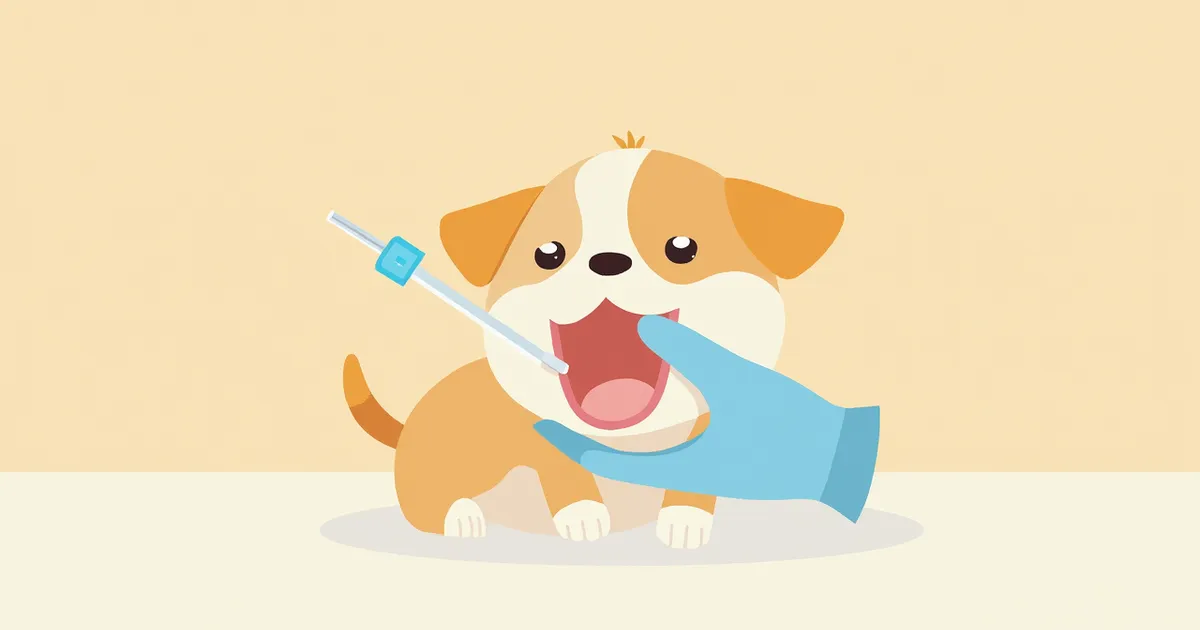
A veterinarian checking a puppy’s gum condition.
Gum surgery is an oral procedure used to treat or restore gums and surrounding tissues damaged by periodontitis, tumors, trauma, or other conditions. It is broadly categorized into incisional surgery and reconstructive surgery, with the specific approach depending on the extent of the damage. The most critical step is an accurate diagnosis before surgery. If you notice bad breath, bleeding, or loose teeth, don’t ignore these signs—schedule a dental checkup right away. Early surgical intervention significantly increases the chances of saving your pet’s teeth.

Why is gum surgery necessary?

Periodontal disease is very common in pets. By the age of three, approximately 80% of dogs and 70% of cats already exhibit some degree of periodontal disease. The prevalence increases with age, affecting nearly all senior pets. As dental plaque hardens into tartar, bacteria beneath the tartar invade the gums, triggering a chain reaction of inflammation, bleeding, and alveolar bone damage. Surgical intervention is necessary when the condition has progressed beyond what can be resolved by scaling alone, such as when gum recession has occurred or tooth roots are exposed. Surgery is also required to restore tissue if part of the gum has been damaged by trauma or tumors.

Comparison of Incisional Surgery vs. Reconstructive Surgery

ItemFlap SurgeryGum Reconstruction SurgeryPeriodontal Tumor Resection
PurposeCleanse deep periodontal pockets and expose the tooth rootRestore receded gumsRemove tumors and lesions
AnesthesiaGeneral anesthesiaGeneral anesthesiaGeneral anesthesia
Recovery Period7–14 days14–21 days14–28 days
Surgical DifficultyModerateHighHigh
Likelihood of RecurrenceLow with proper careLowFollow-up monitoring essential

The surgical method and recovery period may vary depending on the patient's condition.

How is gum incision (flap) surgery performed?
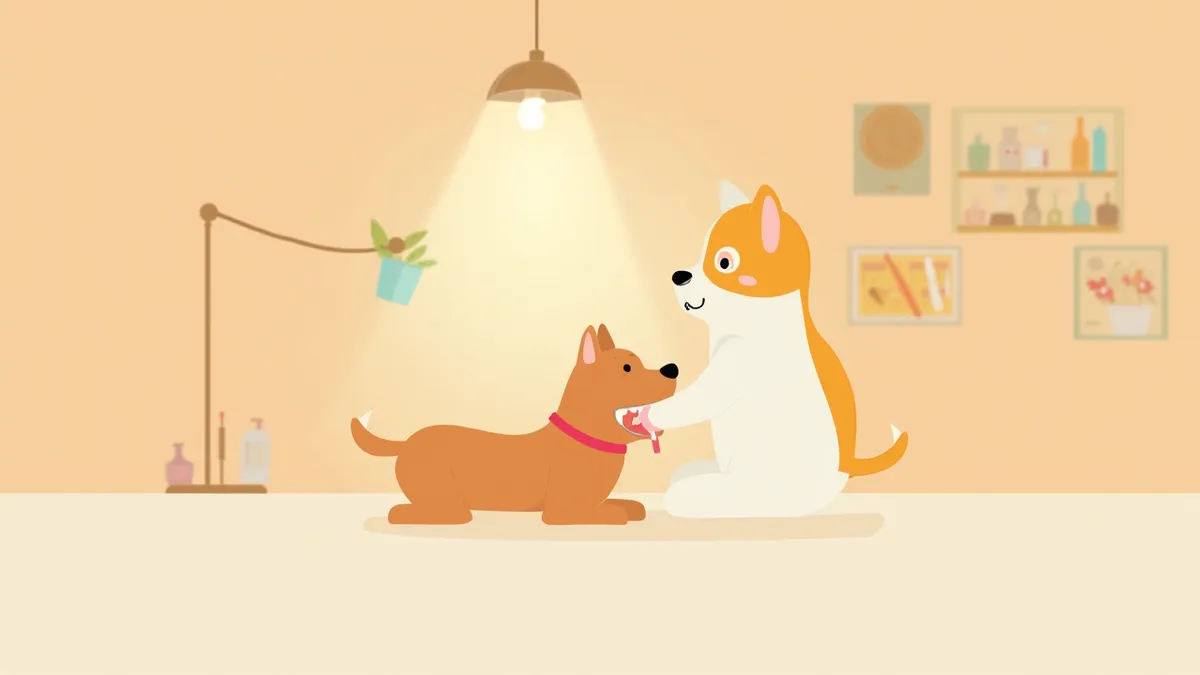
Flap surgery involves gently lifting the gum tissue to directly visualize and treat the tooth roots and alveolar bone. - Procedure: The gums are incised to create a flap → tartar and inflamed tissues are removed → root surfaces are cleaned → bone graft material is placed if necessary → the gums are sutured closed - Indications: Periodontal pockets of 5 mm or deeper, or root areas that are difficult to access with scaling alone - Benefits: By thoroughly removing the source of inflammation, the likelihood of saving the tooth is significantly increased - Duration: Approximately 1 to 2 hours for 1 to 3 teeth
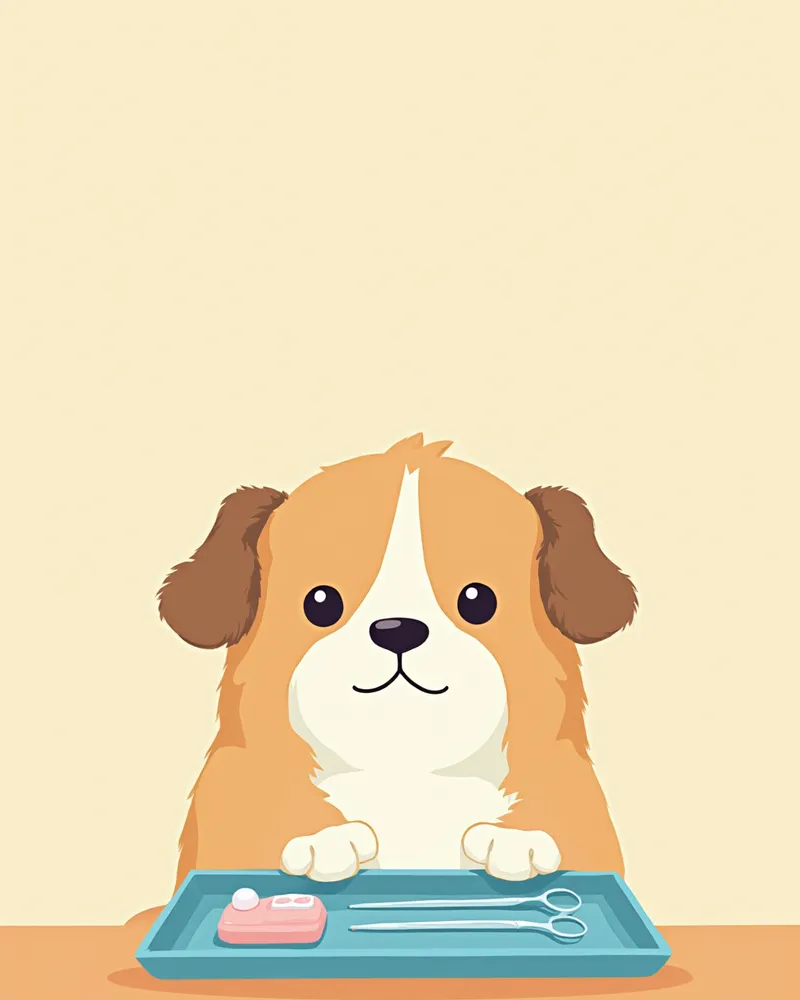
Veterinary dental instruments used in gum surgery

Essential Preoperative Checks

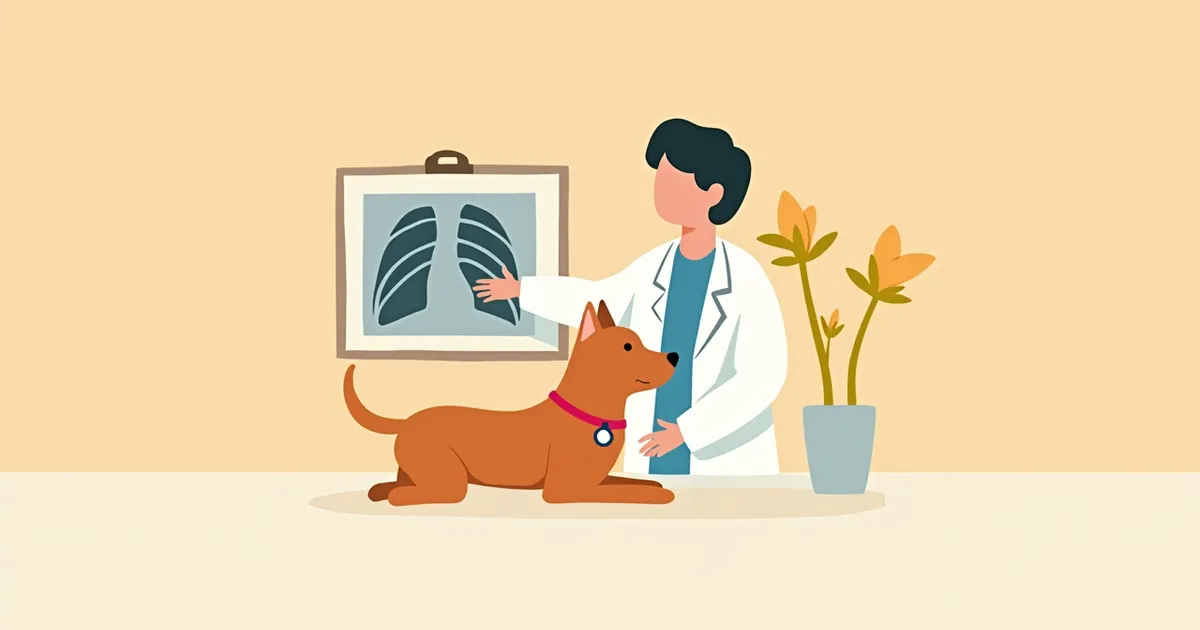
Since this surgery requires general anesthesia, preoperative testing is essential. For senior pets or those with underlying health conditions, blood tests to assess heart, kidney, and liver function are recommended based on your veterinarian’s judgment. Even young, healthy animals should undergo basic blood work. Adequate fasting before surgery is necessary, and the specific fasting duration and whether water is allowed should be adjusted according to your veterinarian’s instructions. Please inform us of any medications your pet is currently taking when scheduling the surgery. If your pet shows signs of a cold or diarrhea, it is safer to postpone the procedure.

How is gum reconstructive surgery performed?

Reconstructive surgery is a highly specialized procedure designed to restore receded or damaged gum tissue and alveolar bone. - Free Gingival Graft: Healthy gum tissue is harvested from the palate (roof of the mouth) and transplanted to the affected area. - Guided Tissue Regeneration (GTR): A barrier membrane is used to encourage the alveolar bone to regenerate ahead of the gum tissue. - Bone Grafting: Grafting material is placed in the damaged alveolar bone to stimulate new bone growth. Regardless of the technique, an evaluation by a veterinary dental specialist is essential. Not all general animal hospitals are equipped to perform every type of reconstructive surgery.
A puppy recovering after surgery while wearing a neck collar

Postoperative Recovery Care Points

Proper care during the recovery period is crucial in preventing recurrence. - Diet: Feed soft wet food for at least 7–10 days. If using dry kibble, soak it thoroughly in water before serving. - Oral Hygiene: Avoid touching the surgical site. Use only the prescribed oral rinse or medicated mouthwash. - Elizabethan Collar: Keep the collar on for 10–14 days to prevent your pet from licking or scratching the incision. - Medications: Administer all prescribed antibiotics and pain relievers exactly as directed by your veterinarian, based on your pet’s weight, and complete the full course. - Follow-up Visits: Typically scheduled at 7 and 14 days post-surgery to check suture integrity and monitor for signs of inflammation.

Go to the Vet Immediately If You See These Signs

Most pets stabilize within 2–3 days after surgery, but complications can occur in some cases. - Persistent bleeding: When bleeding does not stop after 24 hours - Worsening swelling: When the surgical site becomes increasingly swollen - Fever: When body temperature is noticeably higher than normal or the body feels hot to the touch - Loss of appetite: When refusing water and food for more than 48 hours - Suture dehiscence: When stitches come loose or the wound appears to be opening If any of these signs occur, contact your veterinarian immediately.

Small Breeds and Cats Require Special Attention

Small breeds like Chihuahuas, Yorkshire Terriers, and Pomeranians have tightly packed teeth, which allows periodontal disease to progress rapidly. Cats are prone to a specific condition called feline odontoclastic resorptive lesions (FORL), which is difficult to detect through visual examination alone, making dental X-rays essential. For both cases, we recommend shortening the interval for regular check-ups to every six to twelve months. To avoid surgery, the most effective preventive measure is establishing a daily tooth-brushing routine from an early age.

Reviewed by a veterinarian

Dr. Tony — Punnawat Phongkittirak

Dr. Tony — Punnawat Phongkittirak

Veterinarian

A veterinarian who majored in veterinary medicine at Khon Kaen University, Thailand, and completed the IVSA program at North Carolina State University in the United States. Drawing on clinical experience at animal hospitals, he works in the pet healthcare field and is dedicated to building a digital care environment that connects pet parents with veterinarians.

Frequently Asked Questions

How much does gum surgery typically cost?
Costs vary significantly depending on the clinic, location, and scope of surgery. For extraction procedures, the price depends on the number of teeth removed and whether bone grafting is needed. Reconstructive surgeries are more complex, so they tend to be more expensive. To get an accurate estimate, you’ll need a thorough oral exam and dental X-rays, followed by a consultation with your veterinarian.
Can senior dogs undergo gum surgery?
Age alone is not a contraindication for surgery; the key factor is whether the patient can safely undergo anesthesia. Before surgery, a comprehensive assessment of the patient’s overall health—including blood tests, an echocardiogram, and radiographs—should be performed, and the decision should be made in consultation with your veterinarian after carefully weighing the risks and benefits. In fact, leaving periodontal disease untreated can place additional strain on the heart and kidneys.
When can I start brushing my pet’s teeth again after surgery?
Typically, you can begin this process two to three weeks after surgery, once your veterinarian gives the go-ahead. Start gently by wiping the area with soft gauze or a prescribed oral cleanser, and only switch to using a toothbrush after confirming that the sutures have fully healed. Avoiding excessive irritation is crucial, as it can lead to complications such as recurrence or suture dehiscence.
Does gum recession always require surgery?
Not necessarily. In the early stages of periodontal recession, progression can be slowed through scaling, medication, and intensive home care. However, if the tooth roots are exposed or deep periodontal pockets have formed, surgery is required. The decision is based on radiographic findings and measurements of periodontal pocket depth.
Will bad breath disappear right after surgery?
It’s actually normal for a slight odor to linger right after surgery. As the incision heals and inflammation subsides, the smell should gradually improve over the next 2–4 weeks. If bad breath persists beyond 1–2 months, it could indicate reinfection or remaining tartar, so a follow-up checkup is recommended.

Share

Related Guides

References

[1] Fossum TW. Small Animal Surgery, 5th ed. Elsevier, 2018 - Chapter on Oral and Periodontal Surgery

[2] Verstraete FJM, Lommer MJ. Oral and Maxillofacial Surgery in Dogs and Cats, 2nd ed. Saunders, 2019

[3] Wiggs RB, Lobprise HB. Veterinary Dentistry: Principles and Practice. Lippincott-Raven, 1997

[4] Bellows J. Small Animal Dental Equipment, Materials and Techniques, 2nd ed. Wiley-Blackwell, 2019

This information is based on veterinary literature and does not replace diagnosis or treatment. Please consult a veterinarian for specific health concerns.

Metapet Co., Ltd. | CEO: Park Sung-yong | Business Reg. No. 417-88-02562 | Seoul, South Korea | Customer Center

Dog Gum Surgery: Incision vs. Reconstruction Explained | Meongsiljang