Like
Share
멍실장
강아지 부정교합 관리 추천 BEST와 고르는 기준 총정리

The Best Malocclusion Management Products for Dogs and Selection Criteria: A Complete Guide

Oral HealthTop PicksMeongsiljang Veterinary Advisory Board

Malocclusion in dogs occurs when the teeth are misaligned, and severe cases can cause pain or difficulty eating. Choosing the right care products is essential.

Malocclusion in Dogs Is a Condition Where Teeth Are Misaligned
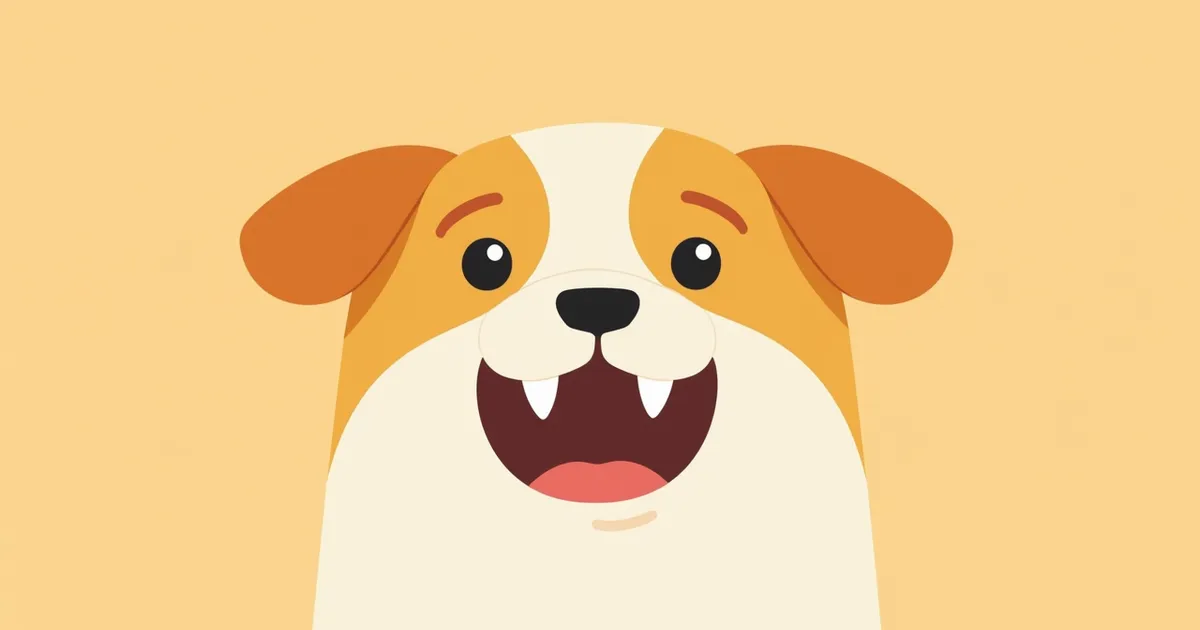
An image showing a dog's misaligned teeth
Malocclusion in dogs is a misalignment of the teeth or jaws that occurs when the upper and lower teeth or jaws deviate from their normal positions. Most cases of malocclusion, particularly those related to jaw length, are considered genetic and can arise from inbreeding for specific head shapes or from breeding parents with differing jaw lengths. Non-genetic causes, such as trauma or systemic diseases, can also lead to malocclusion. While malocclusion may sometimes be merely a cosmetic issue, depending on its severity, it can cause anything from minor injuries to significant oral trauma and can even interfere with normal jaw development. In such cases, early veterinary diagnosis and appropriate treatment are essential. - Malocclusion management products: These should be made of soft materials that do not strain the teeth and designed to fit between the teeth to effectively remove food debris. - Breed-specific sizing: Choosing products sized appropriately for your dog’s breed ensures a proper fit for their teeth.

Key Criteria for Choosing Malocclusion Management Products
When selecting a product to manage your dog’s malocclusion, choose one made from soft materials that won’t strain the teeth. The design should fit between the teeth to help remove food debris, and it must be appropriately sized for your dog’s breed. Products containing ingredients recommended by veterinarians are safer choices. Durability and ease of cleaning are also important factors to consider. Prioritize long-term effectiveness and safety over price.
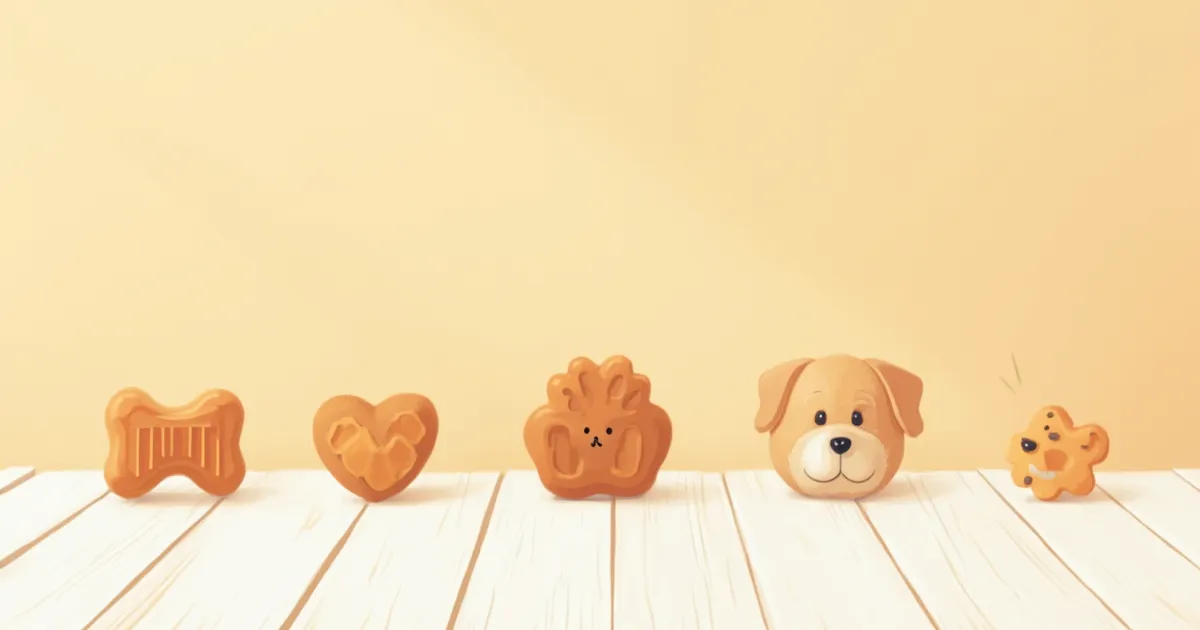
Image of a soft dental chew toy designed for managing malocclusion

BEST 1: Petplus Malocclusion-Specific Dental Chew Toy
This product is made from a soft silicone material designed to fit the dental structure of dogs with malocclusion, helping to prevent food from getting trapped between teeth. It gently stimulates the teeth without applying excessive pressure, ensuring safety. It contains veterinarian-recommended ingredients that support periodontal health, and its easy-to-clean design makes hygiene maintenance simple. A variety of breed-specific sizes are available, allowing you to choose the perfect fit for your dog’s mouth.
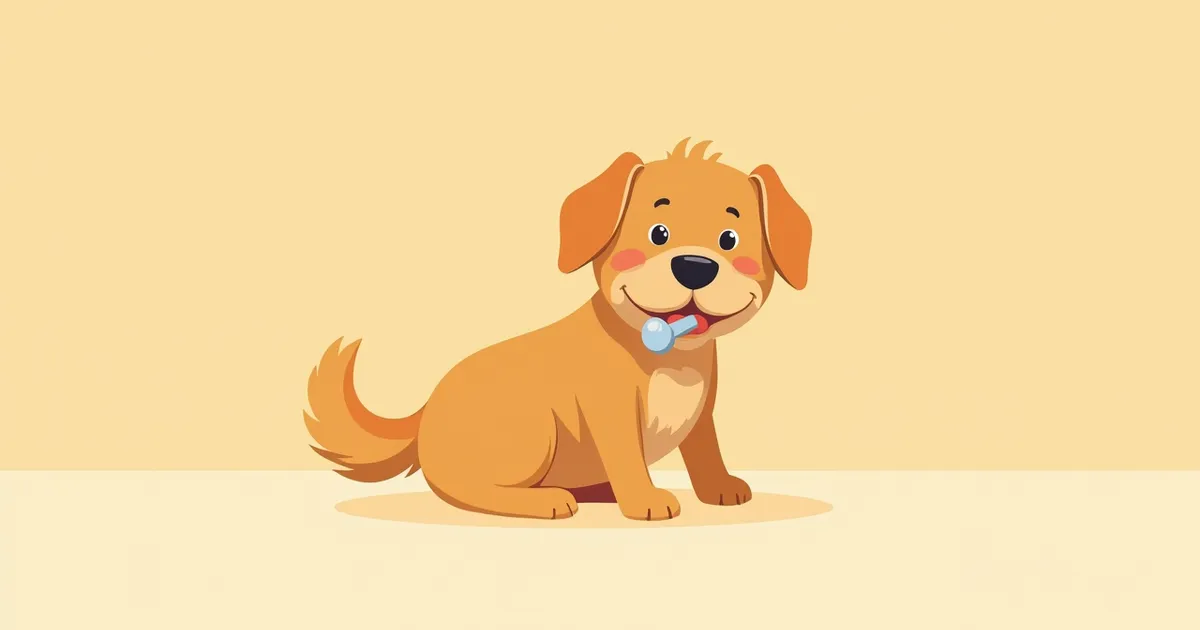
Image of a puppy with malocclusion using a soft silicone dental toy designed for such cases.

BEST 2: LifePet Dental Cleaning Chew Treat
This treat features a specially designed structure that helps reduce food buildup between teeth. Made with natural ingredients, it’s gentle on the stomach and has a scent dogs love, making it enjoyable to eat. It stimulates the teeth while acting gently, so it’s safe even for dogs with malocclusion. It also contains veterinarian-recommended probiotics to help maintain a healthy balance in the mouth. You can easily give it to your dog every day.
A puppy enjoying a treat that helps clean its teeth.

BEST 3: Petmaster Dental Care Pet Hairbrush
This specialized pet hairbrush is designed to care for both teeth and gums simultaneously. Its soft brush head gently cleans between the teeth while minimizing gum irritation. Tailored to the dental structure of dogs with malocclusion, it easily reaches all teeth. Just one to two minutes of daily use provides effective oral care. The easy-to-clean design ensures hygienic maintenance, and dogs can adapt to it quickly.
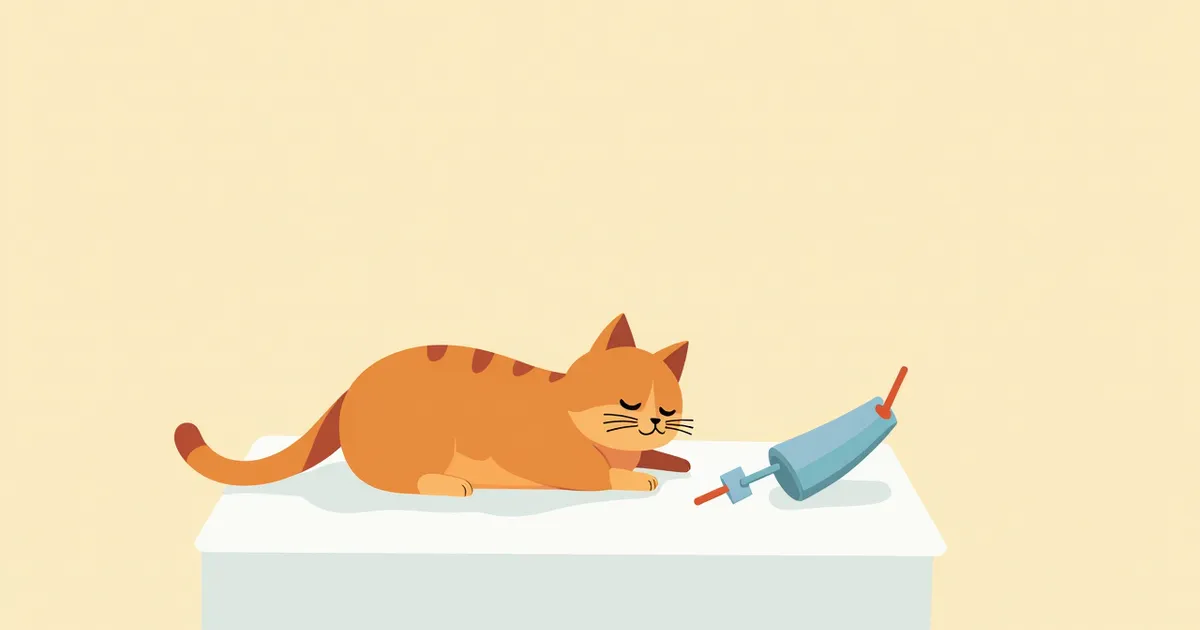
An image of a special brush being used to care for the teeth and gums of a dog with malocclusion

Comparison Table of BEST 1–3 Products

ItemProduct NameMaterialMain FunctionRecommended Breed
BEST 1: Pet Plus Dental ToySiliconeRemoves food particles between teethGentle stimulationAll breeds
BEST 2: Life Pet TreatNatural ingredientsMaintains oral balanceProvided as a treatSmall and medium breeds
BEST 3: Pet Master BrushSoft brushTeeth and gum careCan be used dailyAll breeds

This comparison considers whether veterinarian-recommended ingredients are included, ease of cleaning, and how well dogs adapt to it.

Caution: Excessive Use Can Lead to Tooth Damage

For dogs with malocclusion, it is important to choose products that do not put undue stress on their teeth. Products that are too hard can cause tooth fractures or roughen the tooth surface, and roughened surfaces can increase plaque buildup, accelerating the onset of periodontal disease. After using the product, carefully monitor your dog’s oral cavity, and discontinue use immediately if you notice any signs of pain or discomfort. If you suspect oral trauma due to malocclusion or if symptoms persist, do not force the use of the product; instead, consult your veterinarian for appropriate treatment.

5 Tips for Managing Malocclusion
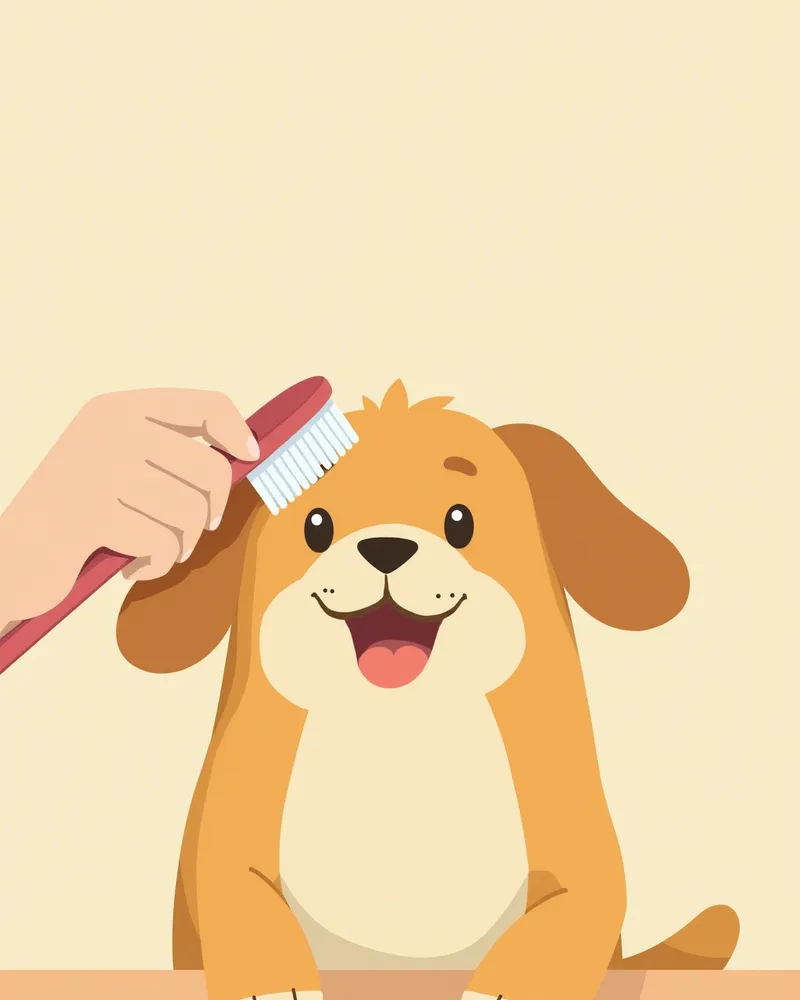
- Regular oral check-ups: Have your veterinarian examine your pet’s oral health every three months. - Choose appropriate products: Use gentle products suited to your pet’s dental structure. - Adjust feeding habits: Avoid hard foods and focus on providing softer options. - Make brushing a habit: Brush your pet’s teeth consistently for 1–2 minutes daily. - Consult your veterinarian: Seek professional advice immediately if symptoms worsen.
A dog owner using a brush to care for their dog’s oral health, with the dog present.

Reviewed by a veterinarian

Dr. Tony — Punnawat Phongkittirak

Dr. Tony — Punnawat Phongkittirak

Veterinarian

A veterinarian who majored in veterinary medicine at Khon Kaen University, Thailand, and completed the IVSA program at North Carolina State University in the United States. Drawing on clinical experience at animal hospitals, he works in the pet healthcare field and is dedicated to building a digital care environment that connects pet parents with veterinarians.

Frequently Asked Questions

Can malocclusion be treated?
The severity of malocclusion varies. In some cases, it may be purely a cosmetic concern, but if it causes oral trauma or interferes with normal jaw development, early and proactive treatment is essential. Treatment involves veterinary interventions such as extraction of the offending teeth, crown reduction with root canal therapy, or orthodontic appliances. Early diagnosis and appropriate intervention are key to successful outcomes.
Which breeds are more prone to malocclusion?
Most cases of malocclusion, particularly those related to jaw length (Classes 2, 3, and 4), are considered hereditary. They can arise from inbreeding for specific head shapes or from breeding parents with mismatched jaw lengths, and they are more commonly reported in certain breeds. Genetic counseling is recommended, and corrective treatment is not performed on dogs intended for breeding or showing.
Can malocclusion be corrected with treats alone?
Treats alone cannot correct malocclusion. Many commercial chew treats and supplements lack sufficient scientific evidence and do not actually correct the underlying misalignment. Accurate diagnosis and treatment must be provided by a veterinarian, while oral hygiene management plays a supportive role.
Will my dog dislike using a brush?
Your pet may feel uncomfortable at first, but with gradual habituation, they will adapt. Use a soft brush and positive reinforcement to train them.
How often should I use a malocclusion management product?
Daily brushing is recommended, and you should adjust the use of toys and treats according to the product instructions and your dog’s condition. It’s best to consult with your veterinarian to determine whether and how often to use these products.

Share

Related Guides

References

[1] Asher, L. et al. (2009) Inherited defects in pedigree dogs. Part 1: Disorders related to breed standards. Veterinary Journal, 182, 402–411.

[2] Clinical Medicine of the Dog and Cat, 4th Ed. (2023). Chapter 12: Dental Disorders in Canines.

[3] The Dog Care Handbook, Things I Wish My Vet Had Told Me (2021). Chapter 7: Oral Health and Dental Care for Dogs.

This information is based on veterinary literature and does not replace diagnosis or treatment. Please consult a veterinarian for specific health concerns.

Metapet Co., Ltd. | CEO: Park Sung-yong | Business Reg. No. 417-88-02562 | Seoul, South Korea | Customer Center

Dog Malocclusion Care: Best Products & Selection Guide | Meongsiljang