Like
Share
멍실장
고양이 녹내장 관리 추천 BEST와 고르는 기준 총정리

Top 7 Feline Glaucoma Management Products Recommended by Veterinarians — Criteria for Controlling Intraocular Pressure

Eye HealthTop PicksMeongsiljang Veterinary Advisory Board

Feline glaucoma is a serious eye condition that can lead to vision loss. Here’s a guide on how to choose effective management products, along with our top three recommendations.

Feline glaucoma is a serious eye condition that can lead to vision loss.

A cat's eye clouded by glaucoma
Feline glaucoma is a condition in which sustained elevation of intraocular pressure (IOP) damages the optic nerve. In the early stages, the eye may appear red, and the cat may squint frequently or have a cloudy appearance; over time, vision deteriorates and pain can develop. Unlike in humans, most cats develop secondary glaucoma caused by underlying conditions such as uveitis, lens luxation, or tumors, while primary glaucoma associated with genetics or breed is relatively rare. Regardless of the type, persistent elevation of IOP can lead to blindness if not detected early. - Regulating intraocular pressure: Lowering IOP is the cornerstone of treatment. In acute cases with a sudden rise in IOP, veterinarians administer IOP-lowering therapies such as intravenous mannitol. Some medications, including miotics (pupil-constricting agents), are not recommended and may even be contraindicated, so avoid self-medicating. - Safety: All eye drops carry the potential for irritation or side effects. Always use them strictly according to your veterinarian’s diagnosis, prescription, and instructions, and do not use them long-term without professional guidance. - Regular check-ups: Routine monitoring of IOP and overall eye health by a veterinarian is essential.

Know-How: Feline Glaucoma Management
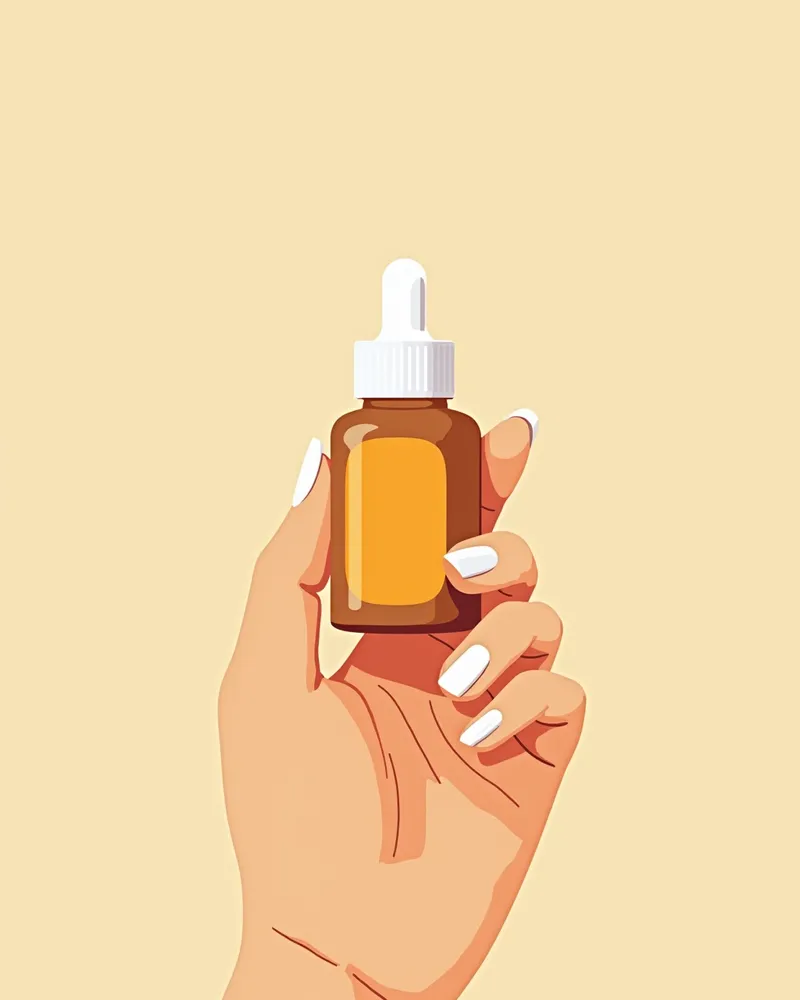
When choosing a glaucoma management product for your cat, keep three key criteria in mind. First, the product should contain ingredients proven to help regulate intraocular pressure. Second, it must be a stable formulation that minimizes eye irritation and side effects in cats. Third, ease of use matters—look for a design with an easy-to-open cap and a nozzle that allows for precise, hassle-free application into the eye. Considering all three factors together is essential for achieving consistent, long-term management.
Cat eye medication bottle and drop forceps

Know-How 1: What is the condition and why is it an emergency?
Feline glaucoma occurs when aqueous humor doesn’t drain properly from the eye, causing abnormally high intraocular pressure. If this elevated pressure persists, it can damage the optic nerve and retina, potentially leading to blindness. In the early stages, your cat may frequently squint, produce excessive tears, or show redness in the eye. As the condition progresses, the eye may become noticeably enlarged (buphthalmos), and your cat might avoid light or lose its appetite. An acute glaucoma attack, characterized by a sudden spike in intraocular pressure, is a medical emergency that can result in vision loss within hours. If you suspect your cat has glaucoma, it’s crucial to visit a veterinary clinic immediately.
What is the condition and why is it an emergency? Related guide image

Know-How 2: Diagnosis and treatment options

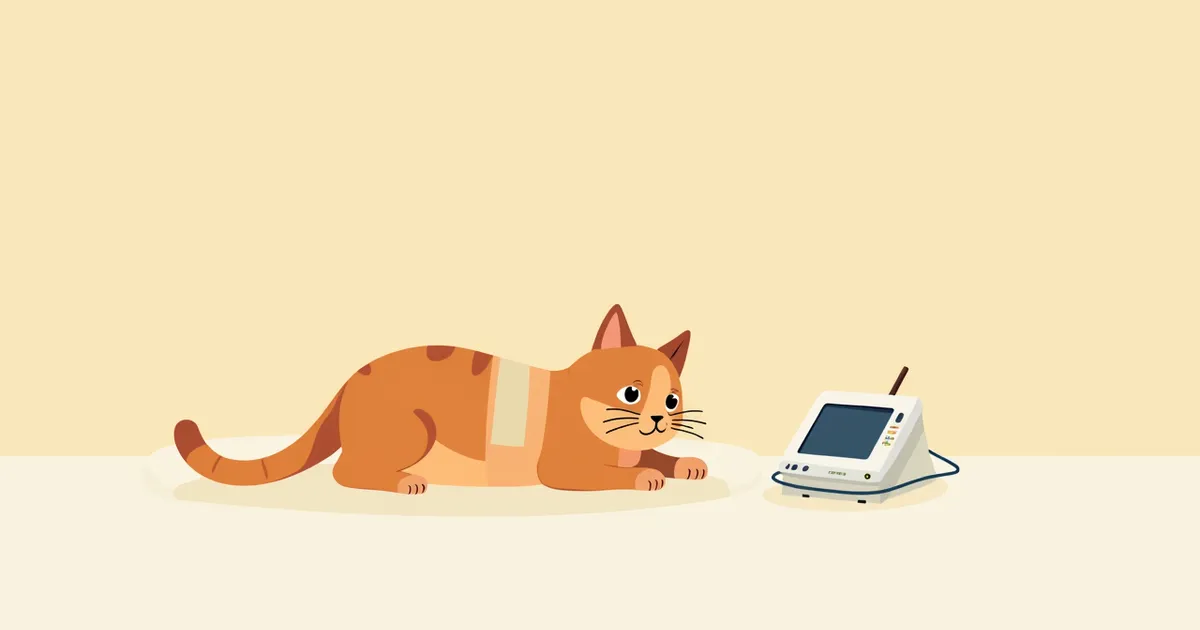
Diagnosis involves a veterinarian measuring intraocular pressure with a tonometer and identifying the underlying cause through fundus and slit-lamp examinations. Glaucoma is classified as primary (due to genetic or structural factors) or secondary (resulting from conditions such as uveitis, lens luxation, or tumors), and the treatment approach varies accordingly. Medical management typically includes topical eye drops or systemic medications to lower intraocular pressure. If medical therapy fails to control pressure or if vision loss has already occurred, surgical options such as laser therapy, intraocular drug delivery, or enucleation may be considered. The treatment plan must always be determined by a veterinarian.
What are the diagnostic and treatment options? Related guide image

Know-How 3: Daily management and precautions
For cats undergoing treatment, the most important thing is to administer prescribed eye drops or medications exactly as scheduled, without missing any doses. Stopping medication or changing dosages on your own can cause intraocular pressure to rise again, potentially leading to vision loss. Be sure to keep all veterinary check-up appointments for regular monitoring of intraocular pressure. Even if one eye has already been removed, it is still essential to care for the remaining eye and attend regular check-ups. Be cautious of unverified supplements or home remedies sold online, as their effectiveness has not been proven and they may delay proper treatment. If you notice any changes in your cat’s condition, contacting your veterinarian immediately is the most effective way to protect their vision.
Guidance image on daily care and precautions

What pet owners should know about feline glaucoma

ItemKey Points
SymptomsRedness, increased tearing, eye closing, enlargement of the eyeball
CauseElevated intraocular pressure due to impaired aqueous humor drainage (primary or secondary)
DiagnosisConfirmed through veterinary intraocular pressure measurement and ophthalmic examination
TreatmentIntraocular pressure–lowering eye drops or surgery (decided according to cause and stage)
CautionDo not arbitrarily stop medication; regular intraocular pressure monitoring is essential

This is not a table recommending specific products or clinics, but a reference to consult with your veterinarian. Always make treatment and testing decisions together with your veterinarian through an examination.

Be sure to consult with a veterinarian before use

Managing glaucoma requires an accurate diagnosis and prescription from a veterinarian. Using eye drops without veterinary guidance can increase intraocular pressure or cause side effects. Be sure to inform your vet if your pet is currently using other eye medications or has other health conditions. Eye drops are prescribed by the veterinarian based on your pet’s weight and condition.

Usage tip: What to do if your cat dislikes eye drops?
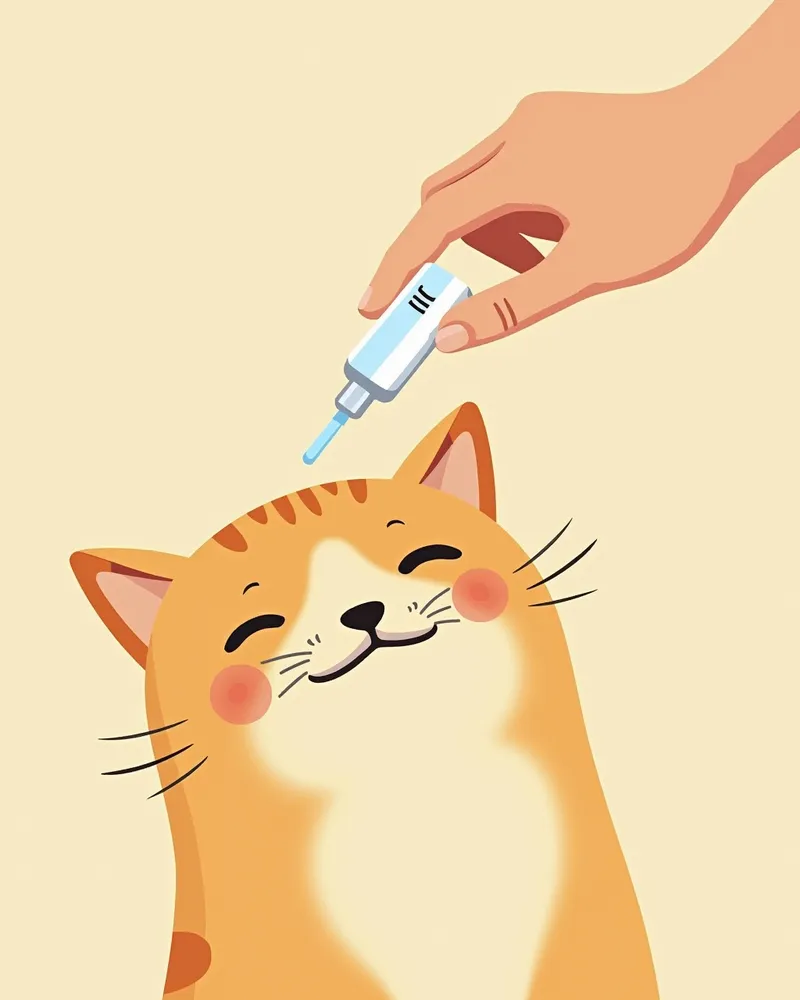
If your cat dislikes eye drops, training is essential. Start by slowly approaching your cat and gently touching its eyes to help it get used to the sensation. When administering the drops, lightly hold your cat’s head in place and gently drop the medication onto the eye. Offering a treat as a reward creates positive associations, which aids the training process. Begin with just one attempt per day, gradually increasing the frequency as your cat becomes more comfortable. - Start gradually: It’s important to observe your cat’s reactions and allow it to adapt slowly. - Consistent rewards: Repeating positive experiences will help reduce resistance.
Gently holding the cat's head and administering eye drops

Reviewed by a veterinarian

Dr. Tony — Punnawat Phongkittirak

Dr. Tony — Punnawat Phongkittirak

Veterinarian

A veterinarian who majored in veterinary medicine at Khon Kaen University, Thailand, and completed the IVSA program at North Carolina State University in the United States. Drawing on clinical experience at animal hospitals, he works in the pet healthcare field and is dedicated to building a digital care environment that connects pet parents with veterinarians.

Frequently Asked Questions

Can feline glaucoma be cured?
While a complete cure remains challenging, early detection and consistent management can help preserve your pet’s vision. Regular check-ups with your veterinarian are essential.
What should I do if I miss a dose of eye drops?
A missed dose here and there is usually not a big concern, but if it happens frequently, it’s important to establish a consistent schedule. We recommend consulting with your veterinarian to adjust your pet’s routine accordingly.
Is it safe to keep eye drops for a long time?
Since expiration dates and storage requirements vary by eye drop, it’s safest to follow the product’s labeled expiration date and the guidance provided by your veterinarian or the manufacturer. Use the drops within the recommended timeframe after opening, store them away from direct sunlight, and refrigerate any products that require it according to the instructions.
Will my cat be in pain if I put eye drops in?
When used correctly, cats rarely experience discomfort. However, since the drops can irritate the eyes, it’s important to apply them precisely to the intended area.
If glaucoma is suspected, what tests should be performed?
Veterinarians diagnose the condition through tonometry (eye pressure measurement), fundus examination, and ophthalmic ultrasound. Early detection plays a crucial role in effective treatment.

Share

Related Guides

References

[1] Plumb's Veterinary Drug Handbook, 9th Edition. 2022. Wiley-Blackwell.

[2] Veterinary Ophthalmology, 5th Edition. 2020. Wiley-Blackwell.

[3] American College of Veterinary Ophthalmologists (ACVO) Guidelines on Feline Glaucoma Management. 2021.

This information is based on veterinary literature and does not replace diagnosis or treatment. Please consult a veterinarian for specific health concerns.

Metapet Co., Ltd. | CEO: Park Sung-yong | Business Reg. No. 417-88-02562 | Seoul, South Korea | Customer Center

Top 7 Feline Glaucoma Products Vets Recommend for IOP Control | Meongsiljang