Like
Share
멍실장
고양이 옥살산칼슘 요석 관리 추천 BEST와 고르는 기준 총정리

Top Recommended Products and Selection Criteria for Managing Feline Calcium Oxalate Uroliths

UrinaryTop PicksMeongsiljang Veterinary Advisory Board

Calcium oxalate urinary stones in cats are a condition with a high risk of recurrence, making proper diet and management essential. This article outlines effective management strategies and recommended products.

What Are Feline Calcium Oxalate Uroliths?
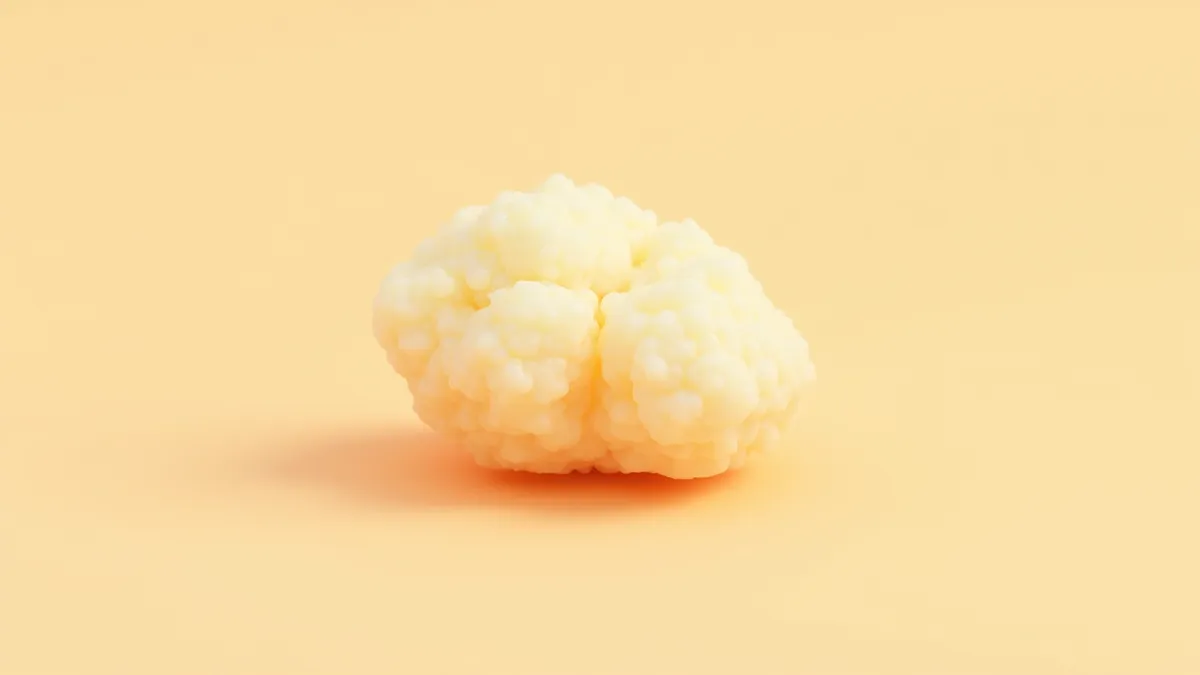
Microscopic image of calcium oxalate crystals using polarized light
Feline calcium oxalate uroliths are crystals formed when oxalate and calcium in the urine bind together, causing pain and urinary difficulties when they develop in the urinary tract. The risk of formation increases significantly when urine concentration is high. This condition has a high recurrence rate, making early management essential. The key is to work with your veterinarian to adjust your cat’s diet and water intake. Maintaining urinary tract health relies on consistent daily care habits, with regular check-ups and lifestyle improvements serving as effective preventive measures.

Selection Criteria: How to Choose a Diet for Managing Calcium Oxalate Uroliths
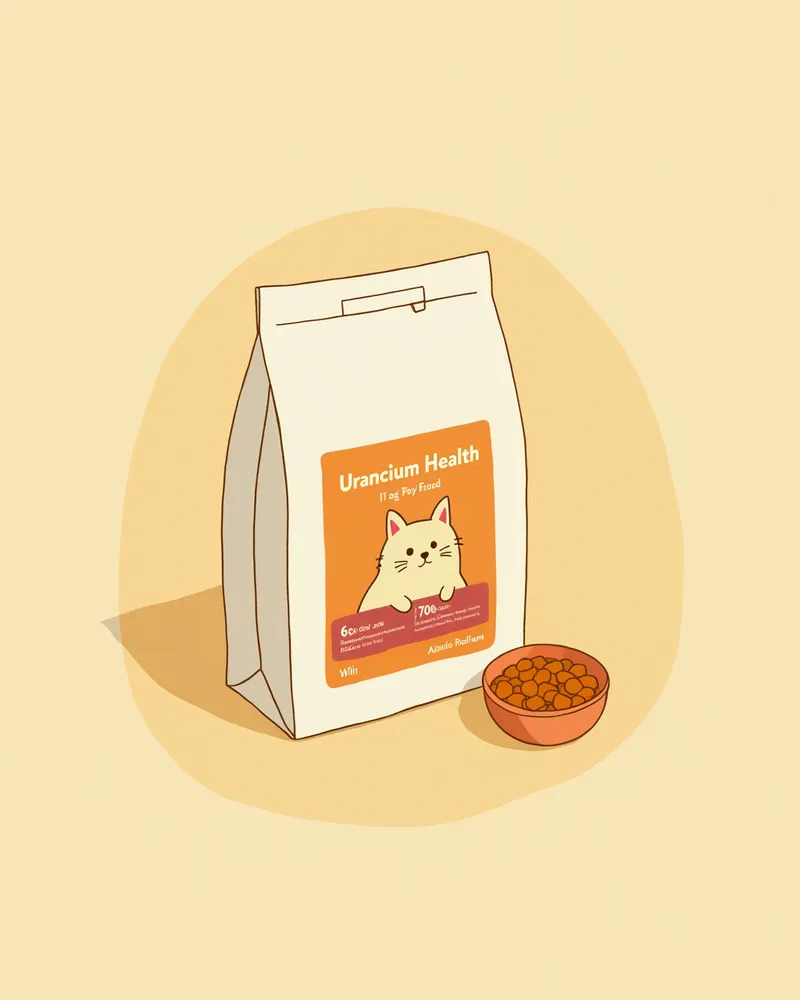
For managing calcium oxalate urinary stones in cats, it is essential to choose a diet specifically recommended by your veterinarian. The key is to maintain a urine pH between 6.6 and 7.5 while controlling excessive intake of calcium and oxalate. Increasing water consumption is also crucial. Be sure to check for the following features:
Urine pH-regulating ingredients: The food should contain components that help maintain a slightly alkaline urine pH to inhibit stone formation.
Low calcium and low oxalate: Avoid excessive intake of calcium and oxalate.
High moisture content: Encourages water intake to dilute the urine.
Dietary fiber: Can help support intestinal motility and digestive function.
Additive-free formula: Opt for products free from artificial colors and preservatives.
Specialized food packaging for preventing calcium oxalate uroliths

BEST 1: Propolis Cat Urinary Tract Health Food

Propolis Cat Urinary Tract Health Food is a specialized diet designed to prevent the recurrence of calcium oxalate urinary stones, and it’s a veterinarian-recommended product. Its low-calcium and low-oxalate formula helps reduce excessive urine concentration. The high moisture content naturally encourages increased water intake. It also contains dietary fiber and antioxidants to support digestive health and boost immunity. Its appealing taste and texture make it a favorite among cats. Regularly switching to this food is an effective way to maintain urinary tract health.
A cat happily enjoying its urinary health diet food.

BEST 2: Lake’s Feline Urinary Tract Management Diet
Lake’s feline urinary tract management diet is specially formulated to help prevent calcium oxalate uroliths, and it’s best used under veterinary guidance. It contains alkalinizing agents that help maintain urine pH between approximately 6.6 and 7.5, while controlling excessive calcium and oxalate intake. The high-moisture formula dilutes urine, which helps reduce the risk of stone formation. With palatability designed to suit cats’ appetites, feeding is easy, making this diet ideal for long-term management to prevent recurrence.
A white cat eating urinary tract care food.

BEST 3: PetPlus Cat Urinary Stone Prevention Food
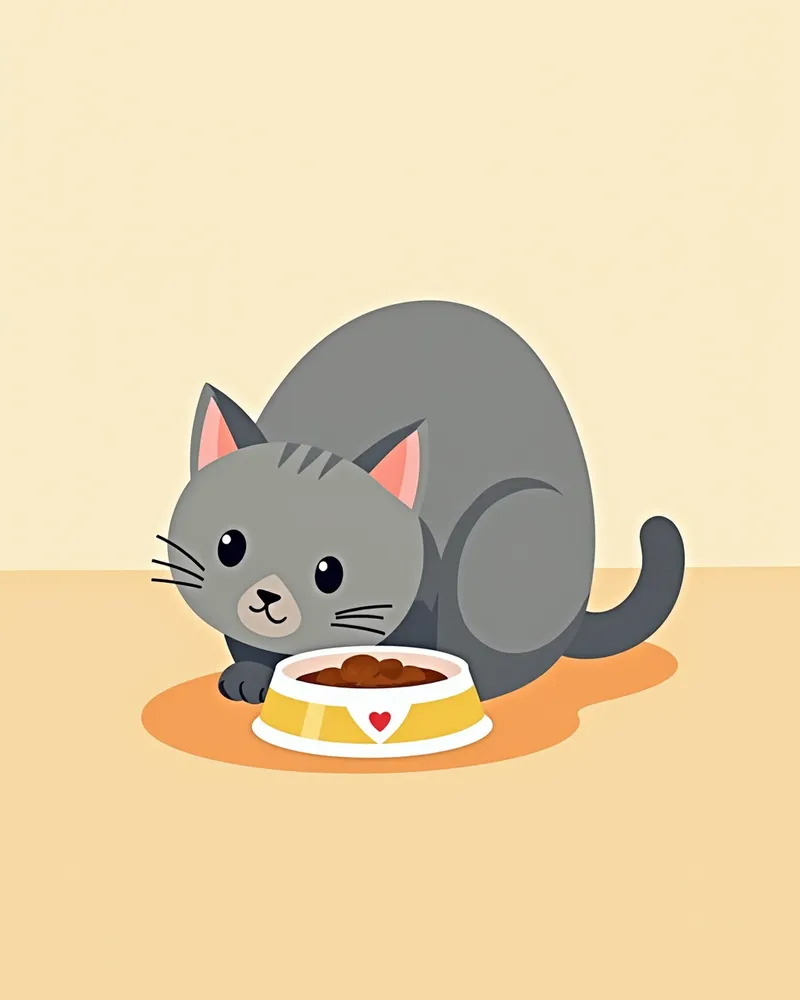
PetPlus Cat Urinary Stone Prevention Food is a specialized diet known to help prevent the recurrence of calcium oxalate stones, and it’s best used under veterinary guidance. It features a low-calcium, low-oxalate formula to control excessive intake of these minerals, along with antioxidants and probiotics to support digestive health. Designed with high moisture content, it encourages water consumption to dilute urine, while its size and flavor are tailored for easy eating by cats. Offering excellent value for money, it’s ideal for long-term use.
A gray tabby cat eating urinary stone prevention food

Comparison Table of BEST 1–3 Diets

ItemPropolis FoodLakes FoodPet Plus Food
Calcium ConcentrationLow calciumLow calciumLow calcium
Oxalate ConcentrationLow oxalateLow oxalateLow oxalate
Moisture ContentHigh moistureHigh moistureHigh moisture
Additional IngredientsAntioxidants, dietary fiberProbioticsProbiotics, antioxidants
Price-Performance RatioVery goodGoodGood

All products should be used according to veterinary advice, and the feeding amount should be adjusted to the cat's weight and condition.

Caution: Points to Note When Switching Food

When switching your cat’s food, gradually transition over seven days. An abrupt change can cause diarrhea or vomiting. During the transition, closely monitor your cat’s bowel movements and appetite. Do not switch to a different food without consulting your veterinarian.

Usage Tips: Practical Guide to Managing Calcium Oxalate Uroliths
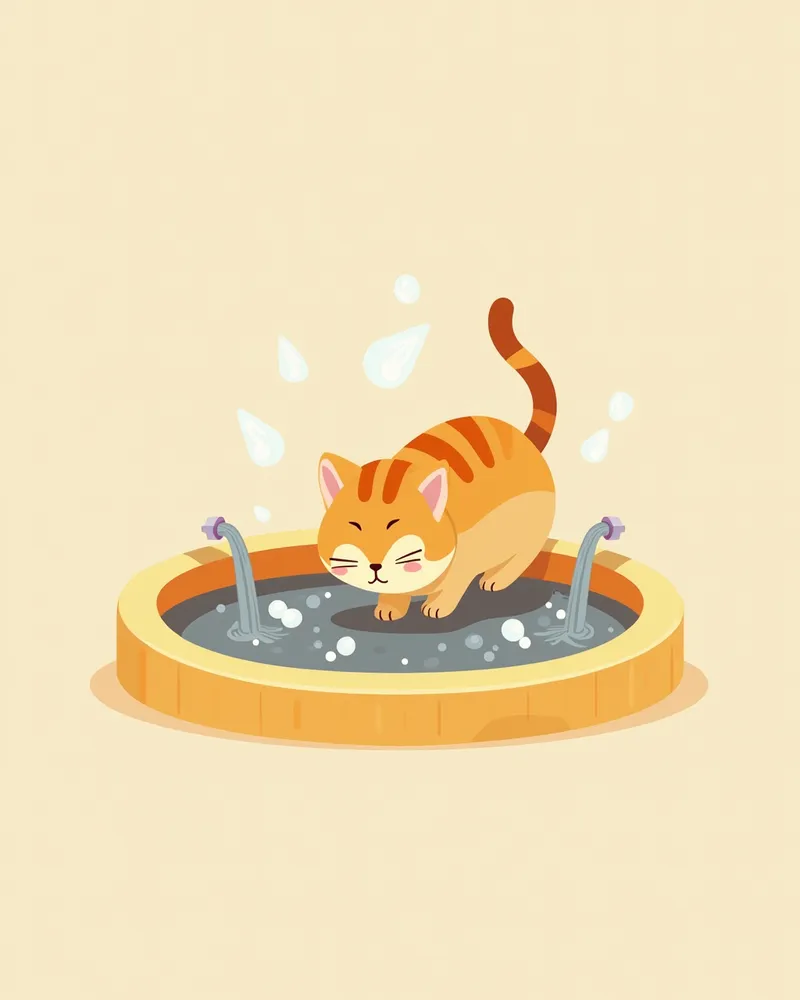
Managing calcium oxalate urinary stones in cats requires more than just a special diet. First, place multiple water bowls around the house to encourage frequent drinking. Adequate hydration is crucial because it dilutes the urine and reduces the risk of stone formation. Additionally, regularly monitor your cat’s litter box habits, including frequency and stool consistency. If you notice signs of pain or difficulty urinating, seek veterinary care immediately. The safest approach is to work with your veterinarian to develop a tailored management plan.
A cat drinking water from a fountain

Reviewed by a veterinarian

Dr. Tony — Punnawat Phongkittirak

Dr. Tony — Punnawat Phongkittirak

Veterinarian

A veterinarian who majored in veterinary medicine at Khon Kaen University, Thailand, and completed the IVSA program at North Carolina State University in the United States. Drawing on clinical experience at animal hospitals, he works in the pet healthcare field and is dedicated to building a digital care environment that connects pet parents with veterinarians.

Frequently Asked Questions

Can calcium oxalate urinary stones in cats be cured?
Since this condition carries a high risk of recurrence, ongoing management is more important than aiming for a complete cure. You can effectively reduce the likelihood of flare-ups by providing an appropriate diet and maintaining healthy daily habits.
Can urinary stones be prevented with diet alone?
While diet is a cornerstone of your pet’s health, comprehensive care—including adequate hydration, stress management, and regular veterinary check-ups—is essential. Focusing on just one aspect is simply not enough.
My pet developed diarrhea after switching to a new food. What should I do?
Gradually transition over the next seven days. If diarrhea persists for more than two days, consult your veterinarian.
My cat won’t eat its prescription food. What should I do?
Gradually mix small amounts of the new food with the old to help your pet adjust slowly. Alternatively, try a palatable prescription diet recommended by your veterinarian.
Should I change my pet’s food after they’ve developed urinary stones?
Once urinary stones have formed, it’s essential to switch to a prescription diet under your veterinarian’s guidance. This step is crucial for preventing recurrence.

Share

Related Guides

References

[1] Lulich, J.P., Osborne, C.A., Lulich, J.P. et al. (2009). Efficacy and safety of laser lithotripsy in fragmentation of urocystoliths and urethroliths for removal in dogs. Journal of the American Veterinary Medical Association, 235(4), 425–432.

[2] Bartges, J.W., Kirk, C.A., Moyers, T. (2004). Influence of alkalinization and acidification on urine saturation with calcium oxalate and struvite and bone mineral density in healthy cats. American Journal of Veterinary Research, 65(1), 138–142.

[3] McHarg, T., Rodgers, A., Charlton, K. (2003). Influence of cranberry juice on the urinary risk factors for calcium oxalate kidney stone formation. BJU International, 92(7), 765–768.

This information is based on veterinary literature and does not replace diagnosis or treatment. Please consult a veterinarian for specific health concerns.

Metapet Co., Ltd. | CEO: Park Sung-yong | Business Reg. No. 417-88-02562 | Seoul, South Korea | Customer Center

Best Products for Feline Calcium Oxalate Stones: How to Pick | Meongsiljang