
Like
Share
멍실장
고양이 형광 염색 각막 검사 관리 추천 BEST와 고르는 기준 총정리

7 Best Care Products for Feline Corneal Fluorescein Staining to Check for Injuries

Eye HealthTop PicksMeongsiljang Veterinary Advisory Board

Fluorescein staining of the cornea is essential for maintaining your cat’s eye health, as it helps accurately identify any injuries. Learn about effective care methods and recommended products.

Feline Corneal Fluorescein Staining Is a Key Test for Accurately Identifying Eye Injuries

A veterinarian applying a fluorescent dye to a cat’s eye
Fluorescein staining of the cornea is a diagnostic test that allows for quick and relatively accurate detection of corneal damage or ulcers. After applying a water-soluble fluorescent dye to the cornea, the area is examined under a cobalt blue light source with magnification. The dye adheres to damaged areas, appearing green, which helps the veterinarian identify the location of the injury. This test is performed when the eye appears red, scratched, or if trauma is suspected. Early detection significantly aids treatment, and since cats often mask pain, this examination is especially important. - Fluorescein staining test: A diagnostic method that uses blue light to detect dye retained in areas of corneal damage. - Veterinary-administered test: Because this test involves direct application to the eye, it is performed by a veterinarian using medical-grade fluorescein stain. - When to perform: Conducted at the clinic whenever an eye abnormality is observed. - Accurate interpretation: Clinics equipped with cobalt blue light and magnification tools can more precisely detect even subtle corneal injuries. - Storage instructions: Store staining strips and solutions according to the manufacturer’s recommendations to prevent contamination. - Post-test care: Monitor your cat in a quiet environment to avoid further irritation to the eyes.

Selection Criteria: Tips for Choosing a Clinic for Corneal Fluorescein Staining
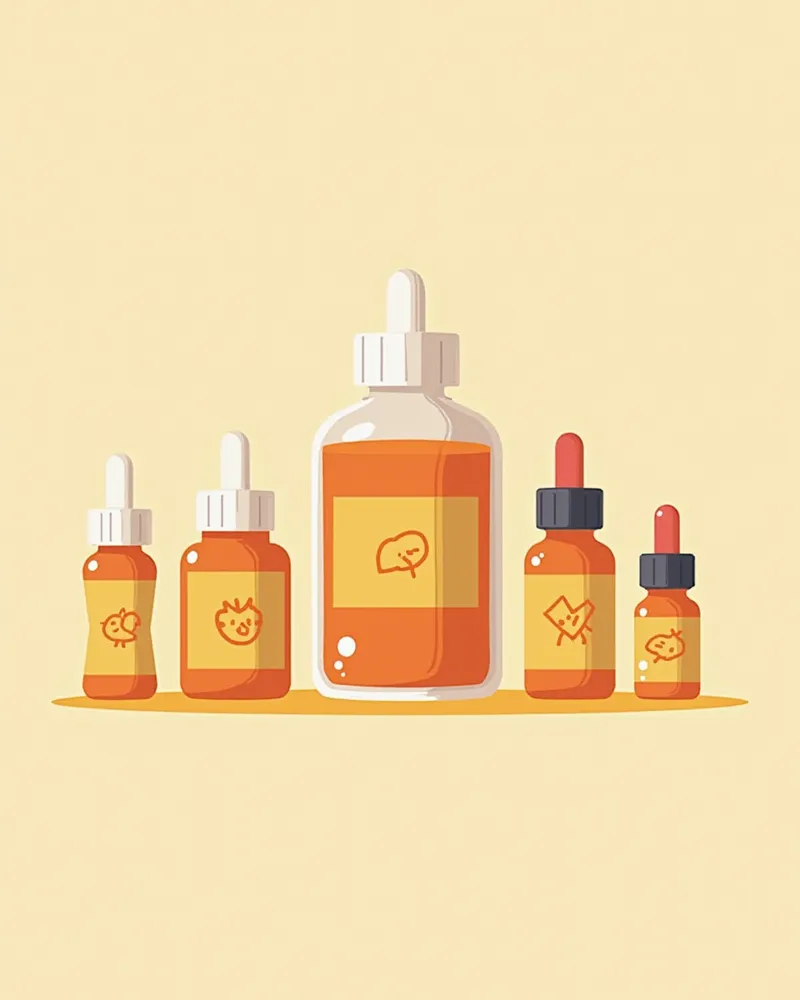
When choosing a fluorescein stain product for feline corneal examinations, safety and accuracy should be your top priorities. - Veterinary-grade products: Always select medical-grade products specifically designed for veterinary use. Since they are applied directly to the eyes, they must be gentle and highly stable to minimize irritation. - Rapid absorption: The solution should be quickly absorbed by the eye, leaving minimal residue to reduce discomfort for your cat. - Precise reaction: Affected areas should glow a clear, bright green to ensure accurate diagnosis. - Secure packaging: Opt for products in containers with tight-fitting caps for easy storage and reduced risk of contamination. - Cost-effectiveness: Choosing a product that offers excellent performance for its price is both economical and practical. Following these guidelines will help ensure a safe and reliable examination.
A neat row of fluorescent dye bottles for cats

Check 1: Whether Fluorescein Staining Is Examined Under Blue Light or With a Slit Lamp
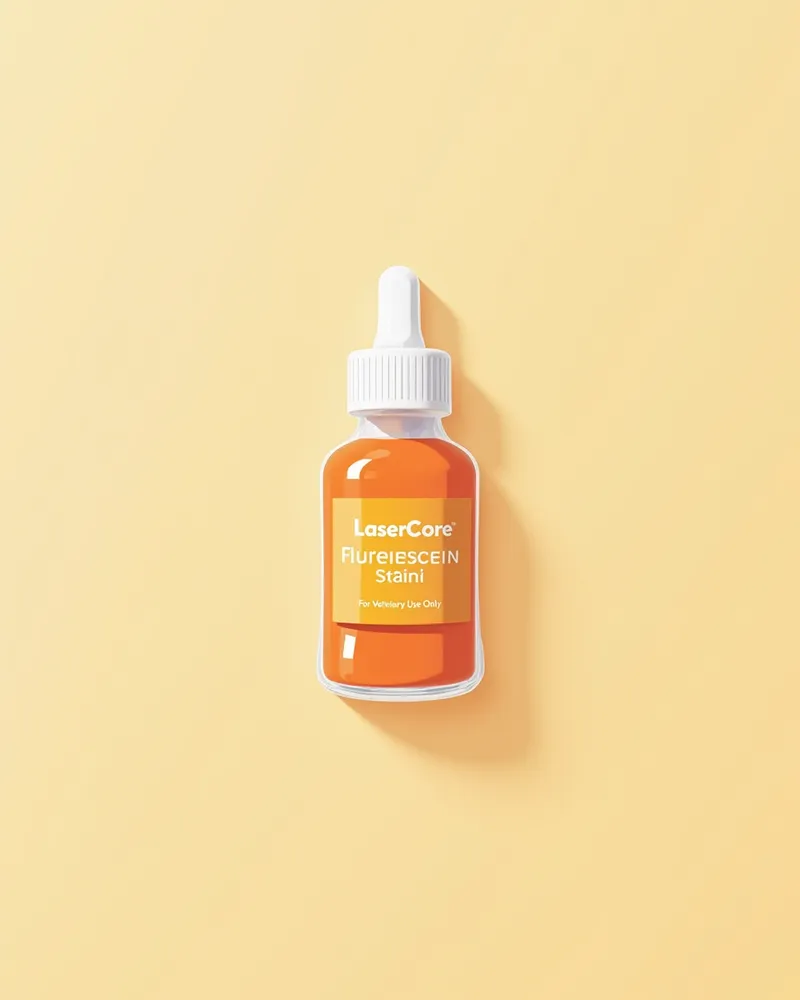
Corneal fluorescein staining is a diagnostic test that involves applying a special dye to the surface of the eye to detect scratches or ulcers on the cornea. To ensure an accurate assessment, the stained area must be examined under blue light or with a slit lamp, which allows even the most subtle damage to be clearly identified. Therefore, it is advisable to choose a veterinary clinic equipped with appropriate lighting and magnification tools, rather than one that relies solely on standard illumination after staining. The procedure itself is virtually painless and quick, so even cats experiencing eye discomfort can undergo it with minimal stress.
An illustrative image showing how to check for fluorescence using a fluorescent stain and a blue light or slit lamp.

Check 2: Whether Indications for Suspected Eye Pain or Ulcers Are Properly Assessed

If your pet frequently blinks or rubs their eyes, or if you notice redness, tearing, or cloudiness of the cornea, a fluorescein stain test can help determine whether the cornea is damaged. In cats, corneal ulcers caused by the feline herpesvirus (FHV-1) are common, so it’s important to distinguish between a simple injury and an infectious cause. Choose a veterinary clinic that also checks for other potential causes, such as foreign bodies, eyelash abnormalities, or eyelid disorders. Providing a clear and accurate description of the symptoms will assist in both the examination and interpretation of results.
When suspecting eye pain or ulcers, it is important to carefully review the indications. Here is a guide image for your reference.

Check 3: Whether Ulcer Depth and Cause Are Interpreted and Linked to Treatment

Corneal ulcer treatment varies depending on the depth and cause, so it’s important to accurately assess whether the ulcer is superficial or deep. It’s best to choose a clinic with a veterinarian experienced in ophthalmology who can evaluate the staining pattern, explain the severity of the ulcer and potential causes (such as infection, foreign bodies, or dryness), and provide a clear plan for eye drops, protective measures, and follow-up exams. Since deep ulcers require prompt treatment, select a clinic that provides immediate results and seamlessly transitions into treatment.
An illustrative guide that interprets ulcer depth and underlying causes, linking them to appropriate treatment strategies.

Checklist for Choosing a Clinic for Corneal Fluorescein Staining

ItemRecommended Criteria
Examination MethodA place that checks even microscopic damage using fluorescein staining followed by blue light and a slit lamp
Examination PracticeA place that also examines underlying causes such as foreign bodies, eyelids, and infection
Interpretation CapabilityAn ophthalmology-experienced veterinarian who accurately assesses ulcer depth and cause
Result InterpretationA place that immediately guides an eye-drop, protection, and re-examination plan matched to the cause
Cost GuidanceA place that informs you in advance of the estimated cost and the possibility of additional tests before the examination

This is not a table recommending specific products or clinics, but a reference to consult with your veterinarian. Always make treatment and testing decisions together with your veterinarian through an examination.

Caution: Quality Verification Is Essential Since the Product Is Applied Directly to the Eye

Fluorescent dyes are medical-grade products specifically designed for direct use on the eyes. Low-cost products purchased for home use or online may be overly irritating or contaminated. Always choose only medical-grade products used by veterinarians. If you notice any abnormalities in your pet’s eyes, seek veterinary care immediately.

4 Tips for Using Corneal Fluorescein Staining

- Pre-examination calmness: Conduct the examination in a quiet environment to help keep your cat relaxed and reduce stress. - Staining method: At the clinic, the veterinarian will moisten a fluorescent dye strip with a cleaning solution and gently apply it to the surface of the eye (conjunctival sac and corneal limbus). Any excess dye is then softly rinsed away with saline solution. - Reaction check: Using cobalt blue light (blue light) and magnification equipment, the veterinarian examines the green dye remaining on the cornea to identify any damaged areas. - Storage instructions: Store the staining agent according to the manufacturer’s recommendations to prevent contamination. This procedure must be performed by a veterinarian using specialized equipment to ensure accurate results. Carefully monitor your cat’s condition before the exam, and consult your veterinarian if your cat appears anxious. After the exam, be careful to prevent your cat from rubbing its eyes. Gently wipe the surrounding area with a soft towel to minimize discomfort. If any abnormal symptoms appear after the examination, contact your clinic immediately. Following these steps ensures a safe and effective examination.
A veterinarian correctly applying a fluorescent dye to a cat's eye

Reviewed by a veterinarian

Dr. Tony — Punnawat Phongkittirak

Dr. Tony — Punnawat Phongkittirak

Veterinarian

A veterinarian who majored in veterinary medicine at Khon Kaen University, Thailand, and completed the IVSA program at North Carolina State University in the United States. Drawing on clinical experience at animal hospitals, he works in the pet healthcare field and is dedicated to building a digital care environment that connects pet parents with veterinarians.

Frequently Asked Questions

Does the fluorescent dye corneal test hurt?
No. Because a special dye is used, your cat may feel a slight sensation, but there is virtually no pain.
Does the eye turn green after the test?
After the examination, your pet’s eyes may appear green for a short time, but this will fade as the solution is naturally absorbed or rinsed away with water.
Do I need to have it checked frequently?
If your pet has eye issues or has suffered trauma, a veterinary examination is essential. For preventive care, follow your veterinarian’s recommendations.
Can I perform the test at home?
No. For an accurate diagnosis, a veterinarian must perform the procedure using specialized equipment and expertise.
What should I do if my cat scratches after the examination?
After the examination, your pet may experience temporary discomfort and scratch the area. Using an Elizabethan collar or a cage can help prevent this.

Share

Related Guides

References

[1] Featherstone, J.G. and Heinrich, C.L. (2013). Ophthalmic examination and diagnostics. In: Veterinary Ophthalmology, 5e (ed. K.N. Gelatt, B.C. Gilger and T.J. Kern), 533–613. Wiley Blackwell.

[2] Mandell, D.C. and Holt, E. (2005). Ophthalmic emergencies. Vet. Clin. North Am. Small Anim. Pract. 35: 455–480.

[3] Glaze MB. Congenital and hereditary ocular abnormalities in cats. Clin Tech Small Anim Pract. 2005;20(2):74–82.

This information is based on veterinary literature and does not replace diagnosis or treatment. Please consult a veterinarian for specific health concerns.

Metapet Co., Ltd. | CEO: Park Sung-yong | Business Reg. No. 417-88-02562 | Seoul, South Korea | Customer Center

7 Best Care Products for Feline Corneal Fluorescein Staining | Meongsiljang