Like
Share
멍실장
강아지 물기 교정 관리 추천 BEST와 고르는 기준 총정리

Why Is My Puppy Biting? — 7 Key Bite Correction Methods and Guidelines for Choosing Management Tools

Brain & CognitionTop PicksMeongsiljang Veterinary Advisory Board

Here’s a clear overview of the top four training methods to correct puppy biting, along with guidelines for choosing the right tools based on age and bite intensity.

What Is Puppy Bite Correction? Timing and Core Goals
A young puppy undergoing bite inhibition training
Puppy bite correction is a form of behavioral training that teaches your dog to control the intensity and context of its biting. The goal isn't to eliminate biting entirely, but to establish clear guidelines on when and how hard it's acceptable to bite. The golden window for this training is between 8 and 16 weeks of age, so it's crucial to start with the right approach before this critical period passes.

Why You Should Start Bite Correction Early
If you let your puppy’s playful biting go unchecked, it can harden into dangerous biting behavior once they reach adulthood. After six months of age, their jaw strength increases and the habit becomes entrenched, making correction significantly more difficult.
Problems caused by ignoring biting:
Owner injury: Uncontrolled biting can cause skin damage.
Socialization issues: It can lead to biting attempts toward strangers or other animals.
Worsening stress: Uncorrected biting impulses can be linked to anxiety and separation anxiety.
Demonstration of bite inhibition training for puppies

3 Criteria to Check Before Choosing a Method

Age: Puppies under 16 weeks of age should first undergo gentle, socialization-focused training. Adult dogs require a behavior modification approach.
Bite intensity: Clearly distinguish between light, playful bites that cause no pain and hard bites that leave marks on the skin.
Cause of biting: The approach varies significantly depending on whether the biting stems from teething, play drive, stress, or aggression.
Once you’ve assessed these three factors, selecting the best method from the options below will help you see results much faster.

These Types of Biting Require Professional Consultation First

If your pet growls, stares intensely before biting, bites reflexively when lightly touched, or continues to lunge after biting, this may not be playful behavior but rather a sign of aggression or fear. In such cases, consulting a veterinarian or a certified animal behavior specialist should take priority over training.

BEST 1. Bite Inhibition — Teaching Puppies to Self-Regulate Bite Force
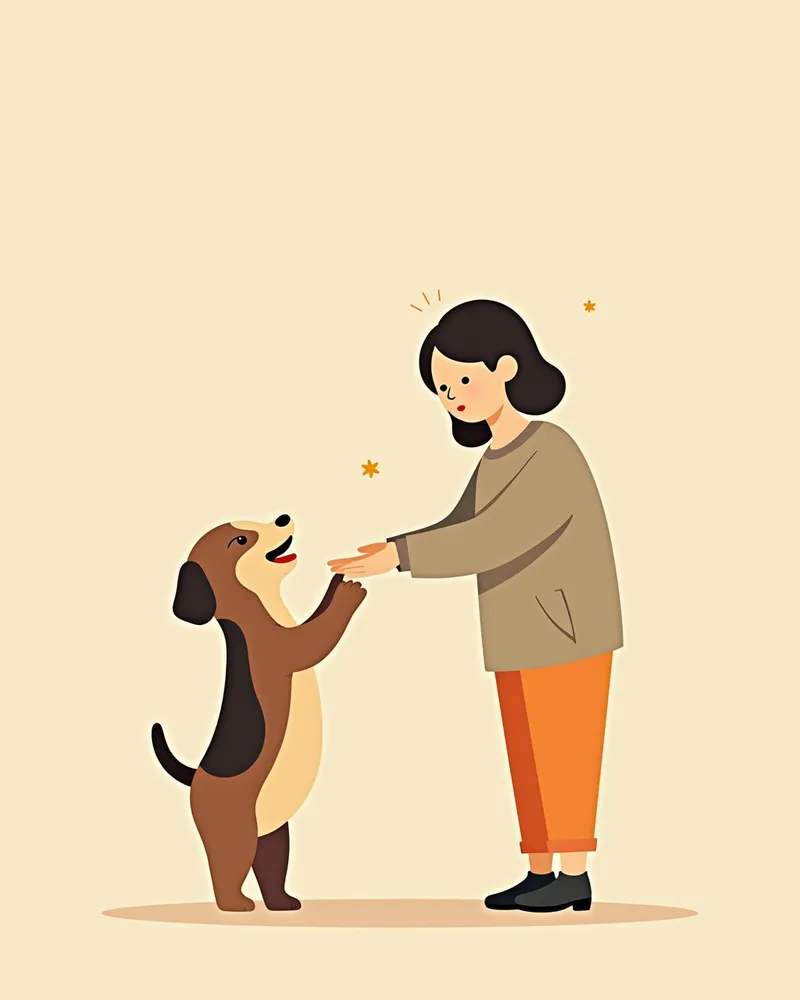
Bite inhibition is the most fundamental training that teaches puppies to self-regulate the force of their bites. When a puppy bites, loudly exclaiming "Ouch!" and immediately stopping play helps them learn that biting hard ends the fun.
Ideal candidates: Puppies aged 8 to 20 weeks
Key point: Consistent responses every time are essential for effectiveness.
Caution: Yelling or physical punishment can increase excitement and produce counterproductive results.
A puppy undergoing bite inhibition training

BEST 2. Toy Substitution Method — Teaching the Correct Object to Bite

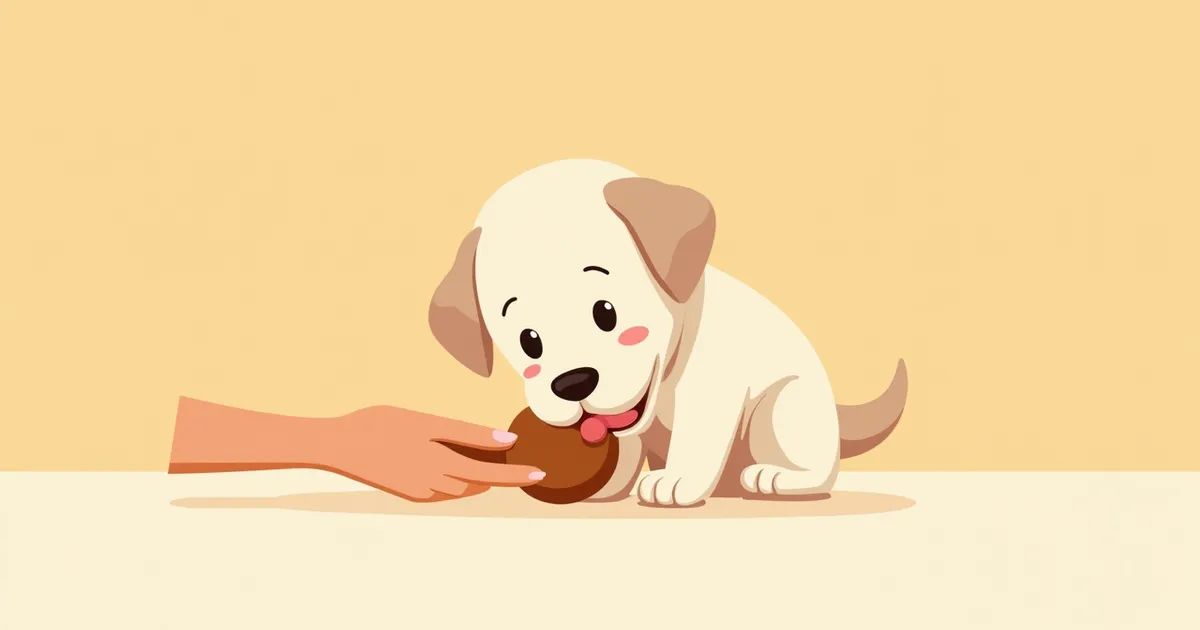
Instead of using your hand, immediately offer a chew toy. When your puppy tries to bite your hand, bring a rope toy or natural rubber chew close to their mouth to naturally redirect their attention. How to choose the right product:
Size: Choose a toy larger than your puppy's mouth to prevent swallowing.
Material: Opt for materials like natural rubber or cotton rope that stimulate the gums and soothe teething discomfort.
Durability: Select toys that won't break even when chewed with molars.
Appropriate chew toys satisfy your puppy's urge to chew while helping them learn self-soothing techniques. The teething period typically occurs between 3 and 7 months of age, during which products that cool the gums, such as frozen rubber toys, are especially effective.

BEST 3. Positive Reinforcement Training — Reinforcing Non-Biting Behavior
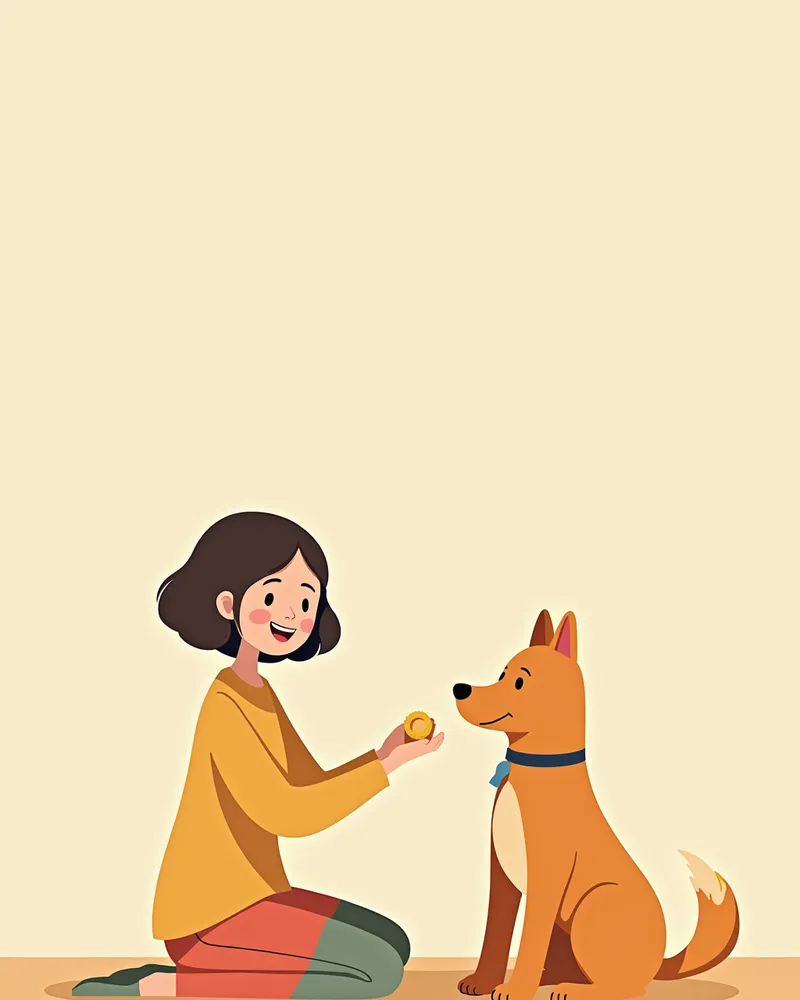
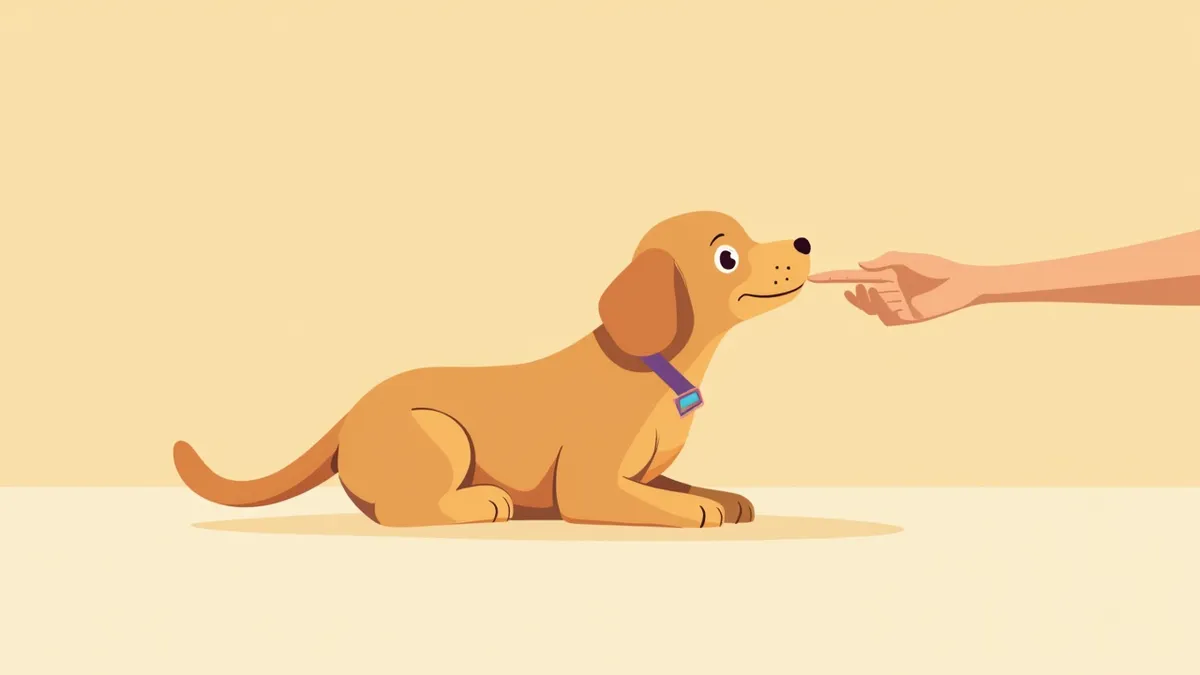
Reward your pet with treats or praise when it stays calm and doesn’t bite. By consistently reinforcing the association that “biting = boring” and “not biting = good things,” you’ll gradually reduce the frequency of biting. This method is especially effective when combined with clicker training. By pre-associating the clicker sound with a reward, you can clearly signal to your pet that its current behavior is desirable.
Training tip: Keep sessions short—5 to 10 minutes—and repeat them 2 to 3 times a day for best results. Sessions that are too long can lead to loss of focus and counterproductive outcomes.
A dog receiving rewards during positive reinforcement training

BEST 4. Time-Out Method — Clearly Establishing Boundaries

When biting becomes intense, immediately pause all interaction for 30–60 seconds. You can leave the room or simply turn your back. The key is to consistently signal that “biting ends playtime.”
Precautions:
Duration: Time-outs are most effective when kept under one minute. If too long, the dog may forget why they were separated.
Location: Ensure the isolation area does not become a source of fear.
Consistency: All family members must respond in the same way so the dog can learn the pattern.

Comparison of Bite Correction Methods at a Glance

ItemSuitable AgeDifficultyOnset of Effect
Bite inhibition8~20 weeksEasy2~4 weeks
Toy substitution methodAll agesEasyImmediate
Positive reinforcement trainingAll agesModerate2~6 weeks
Time-out method12 weeks and olderModerate2~4 weeks
Professional training classAll agesLed by a professional4~8 weeks

The onset of effect varies depending on training consistency and individual differences among puppies

Start Earlier for Breeds with Strong Biting Tendencies

Puppies vary widely in their biting instincts and temperaments, so the time it takes to correct the behavior can differ even with the same training approach. For puppies that bite hard or frequently, it’s best to start training earlier and maintain consistency. If your puppy has a sensitive temperament or a history of negative experiences (trauma), it’s safer to consult a veterinarian or a certified animal behavior specialist before beginning formal training. Additionally, if your puppy suddenly starts biting more than usual, it could be due to pain or an underlying health issue, so a veterinary check-up is recommended.

Reviewed by a veterinarian

Dr. Tony — Punnawat Phongkittirak

Dr. Tony — Punnawat Phongkittirak

Veterinarian

A veterinarian who majored in veterinary medicine at Khon Kaen University, Thailand, and completed the IVSA program at North Carolina State University in the United States. Drawing on clinical experience at animal hospitals, he works in the pet healthcare field and is dedicated to building a digital care environment that connects pet parents with veterinarians.

Frequently Asked Questions

My puppy is over 6 months old and still bites severely. Can this behavior be corrected?
It’s possible to correct biting behavior in adult dogs as well. However, it typically takes longer than with puppies, and the approach depends on the underlying cause of the biting. If aggression is involved, it’s best to consult a veterinary behaviorist first.
Isn't it faster to correct biting behavior through punishment?
Physical punishment can actually increase fear and aggression, undermining the bond of trust between you and your pet. This often leads to a counterproductive effect, where biting behavior worsens. The field of veterinary behavior strongly recommends positive reinforcement-based training methods.
Is bitter spray effective for correcting chewing habits?
While some dogs respond well to it, it doesn’t work for every dog. Using the spray alone won’t address the root cause of the behavior; it can only be used as a supplementary tool when combined with proper training.
My dog gets even more excited and bites more during training. What should I do?
If your dog becomes overly excited, stop the training session immediately and give them time to calm down. This often happens when sessions are too long or overstimulating. Try keeping training sessions short, under five minutes.
Can attending puppy training classes help correct biting behavior?
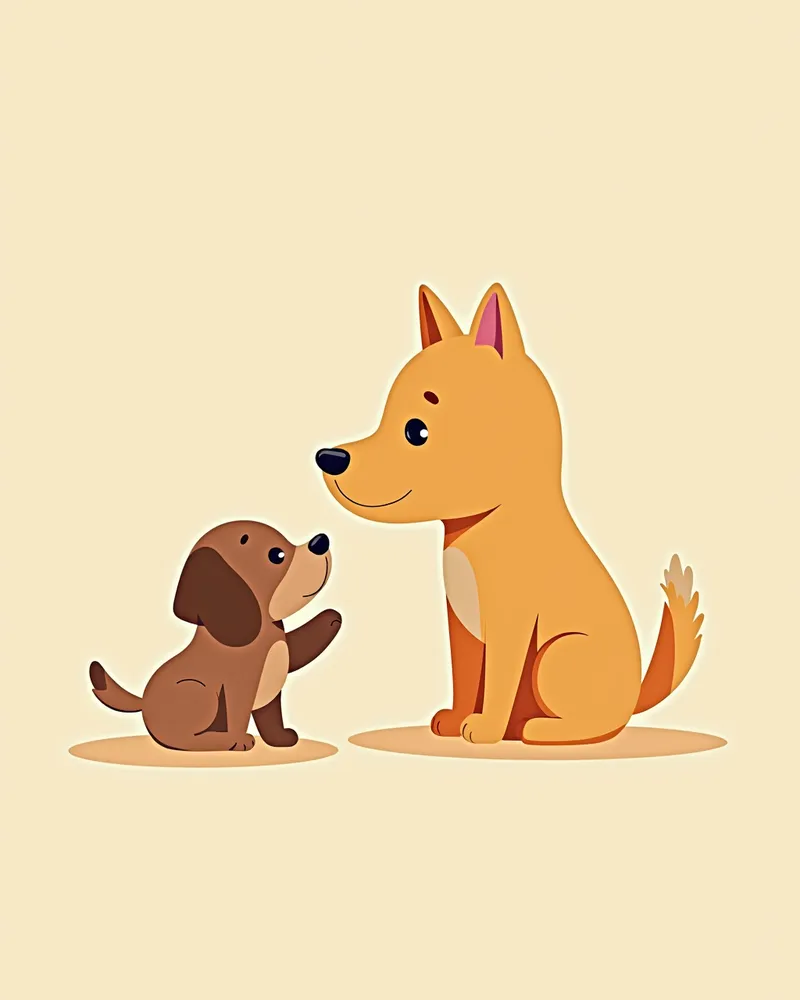
Yes, it’s very effective. Playing with other dogs helps your puppy naturally learn to control its bite pressure. It’s a great way to achieve both socialization and bite correction at the same time.

Share

Related Guides

References

[1] Dunbar I., After You Get Your Puppy, James & Kenneth Publishers, 2001

[2] American Veterinary Society of Animal Behavior (AVSAB), Position Statement on the Use of Punishment for Behavior Modification in Animals, 2007

[3] Overall KL., Manual of Clinical Behavioral Medicine for Dogs and Cats, Elsevier Mosby, 2013

This information is based on veterinary literature and does not replace diagnosis or treatment. Please consult a veterinarian for specific health concerns.

Metapet Co., Ltd. | CEO: Park Sung-yong | Business Reg. No. 417-88-02562 | Seoul, South Korea | Customer Center

Why Is My Puppy Biting? 7 Bite-Correction Methods & Tools | Meongsiljang