
7 Best KCS Management Products for Cats Recommended by Veterinarians — Including Selection Criteria
Feline dry keratoconjunctivitis (KCS) is a condition in which insufficient tear production leads to dry, inflamed eyes. Here’s a guide to choosing effective management products, along with our top three recommendations.
Feline Keratoconjunctivitis Sicca (KCS) is an Eye Condition Caused by Insufficient Tear Production

Good to Know: Managing Keratoconjunctivitis Sicca (KCS)
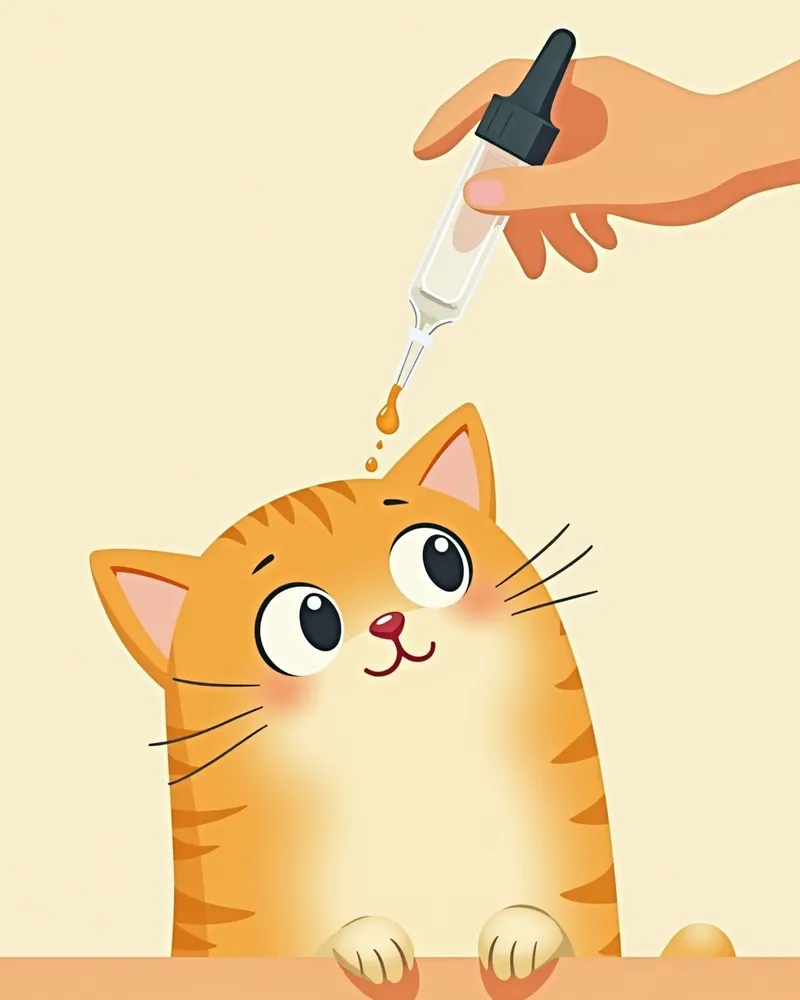
Good to Know 1: KCS is a Condition of Insufficient Tear Production

Good to Know 2: Diagnosis and Treatment Options
Good to Know 3: Consistent Management and Monitoring Are Required
Key Points to Know About Keratoconjunctivitis Sicca (KCS)
| Item | Key Points |
|---|---|
| Condition | Deficiency of the aqueous tear layer causes dryness and inflammation of the cornea and conjunctiva, with risk of scarring and ulcers |
| Symptoms | Recurring sticky mucoid eye discharge, redness, corneal cloudiness, discomfort |
| Causes | Immune-mediated is most common; also trauma, neurogenic causes, drugs (sulfonamides, etodolac, atropine), third eyelid gland removal, etc. |
| Diagnosis & treatment | Diagnosed with the Schirmer test; artificial tears plus immunomodulatory eye drops (e.g., cyclosporine) prescribed |
| Caution | It takes time to work; apply consistently and do not stop without guidance; do not use human eye drops |
| Management | Regular Schirmer follow-up and medication adjustment; re-examine if it worsens |
This is not a table recommending specific products or clinics, but a reference for criteria when consulting your veterinarian. Treatment and testing decisions must always be made together with your veterinarian through an examination.
Caution: Excessive Use Can Irritate the Eyes
Using eye drops too frequently can irritate the eyes or worsen the condition. Do not exceed the recommended daily dosage, and always follow your veterinarian’s instructions. If your pet’s eyes become redder or discharge increases, stop using the drops immediately and visit the clinic.
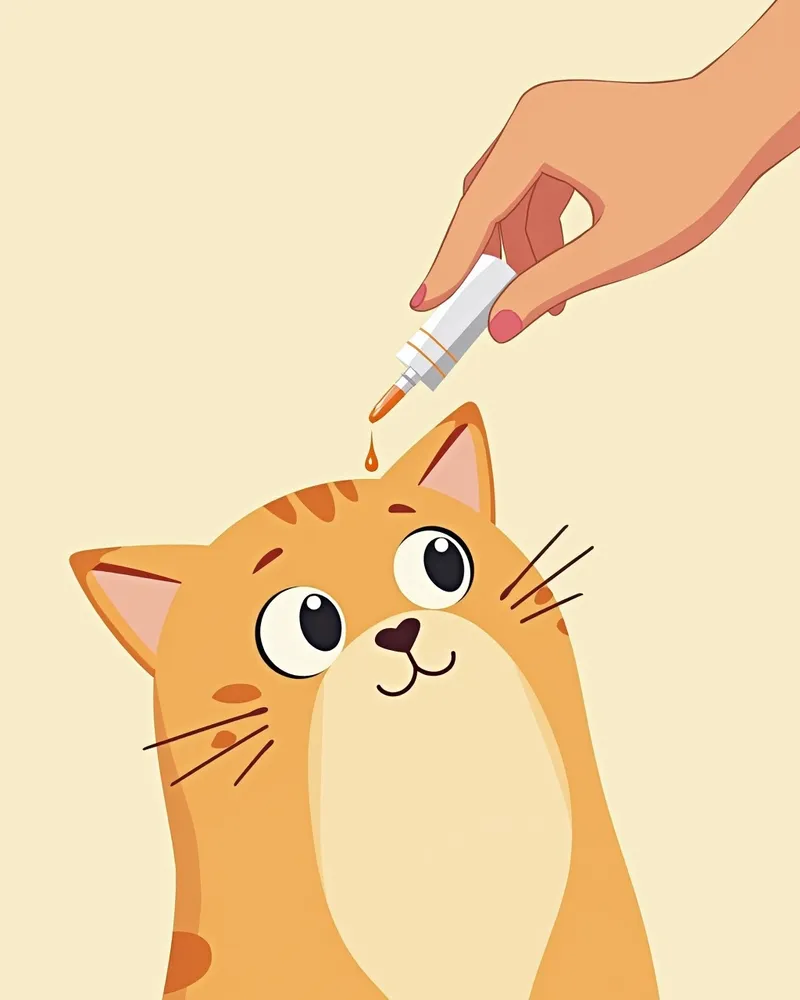
Usage Tip: Ensure Your Cat Accepts It Comfortably
Reviewed by a veterinarian

Dr. Tony — Punnawat Phongkittirak
VeterinarianA veterinarian who majored in veterinary medicine at Khon Kaen University, Thailand, and completed the IVSA program at North Carolina State University in the United States. Drawing on clinical experience at animal hospitals, he works in the pet healthcare field and is dedicated to building a digital care environment that connects pet parents with veterinarians.
Reviewed 2026-06-02
Frequently Asked Questions
Can feline dry keratoconjunctivitis be cured?
Can I use eye drops multiple times a day?
What should I do if my cat rubs its eyes after I’ve administered eye drops?
Can eye drops be stored in the refrigerator?
What should I do if my pet’s eyes don’t improve even after using eye drops?
Share
Related Guides

Top 5 Dog Tear Supplements Recommended for 2026

What is Lutein? Effects on Dog Eye Health

The Best Canine Uveitis Management Products and Selection Criteria: A Comprehensive Guide

Top Recommended Products and Selection Criteria for Managing Canine Fungal Respiratory Infections (Aspergillosis)

Best Recommended Products for Managing Dog Nosebleeds and Key Selection Criteria

Best Products for Managing Elongated Soft Palate in Dogs and Selection Criteria
Top Recommended Products and Selection Criteria for Managing Canine Diaphragmatic Hernia

Top Recommended Management Strategies and Selection Criteria for Differential Diagnosis of Chronic Cough in Dogs

Top Recommendations and Selection Criteria for Managing Bronchoscopy in Dogs
Top 3 Recommendations and Selection Criteria for Managing Bordetella Respiratory Infections in Dogs
References
[1] Esson, D.W. & Calvarese, S. (2022). Clinical Atlas of Canine and Feline Ophthalmic Disease, 2nd Ed. John Wiley & Sons, Inc.
[2] Plumb's Veterinary Drug Handbook, 9th Ed. (2022). Wiley-Blackwell.
[3] Veterinary Ophthalmology, 5th Ed. (2021). Wiley-Blackwell. Chapter 12: Dry Eye in Cats.