Like
Share
멍실장
강아지 인슐린종 관리 추천 BEST와 고르는 기준 총정리

7 Key Management Strategies and Selection Criteria for Canine Insulinoma to Prevent Hypoglycemia

EndocrineTop PicksMeongsiljang Veterinary Advisory Board

Insulinoma in dogs is a rare condition that causes hypoglycemia due to excessive insulin secretion. Proper management and the right choice of nutritional supplements are crucial in determining survival time and quality of life.

Canine Insulinoma is a Hypoglycemic Condition Caused by Excessive Insulin
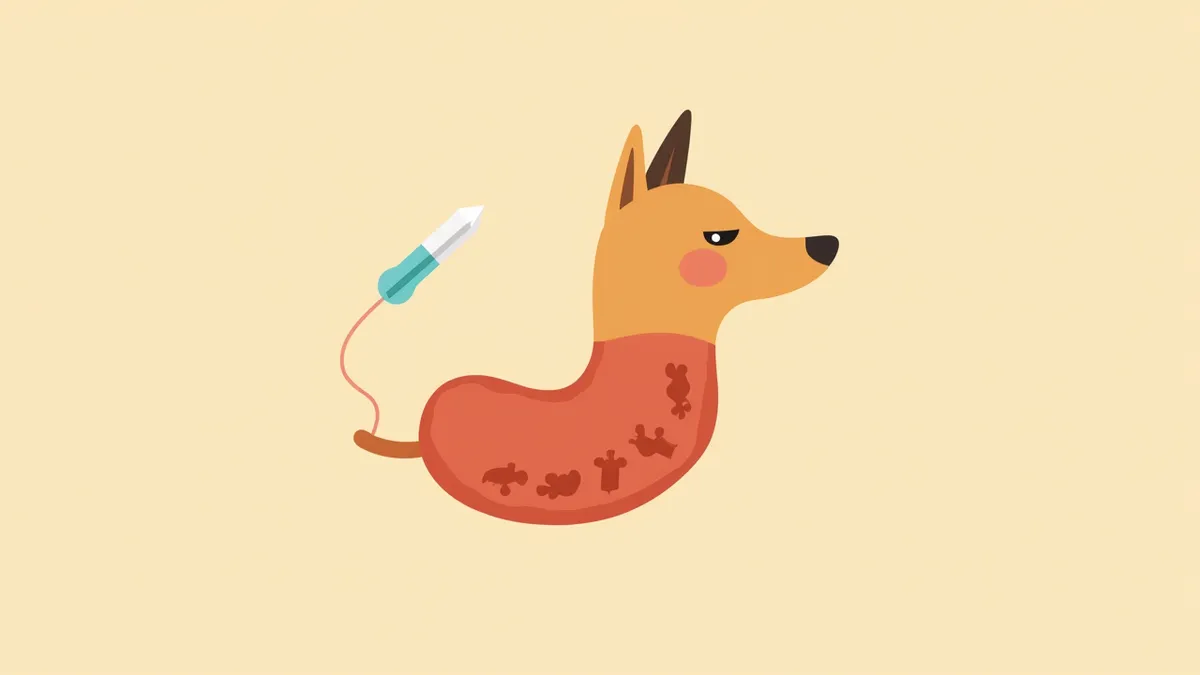
Image of pancreatic insulin cells, the cause of insulinoma in dogs
Canine insulinoma is an endocrine disorder caused by excessive insulin secretion from a functional tumor of the pancreatic beta cells, leading to low blood sugar. It is the most common functional neuroendocrine tumor in dogs and can cause weakness and seizures due to persistent or intermittent hypoglycemia. Intermittent hypoglycemia may be confirmed through a fasting test lasting up to 72 hours. If you suspect symptoms of hypoglycemia, consult your veterinarian immediately for blood glucose testing. Accurate diagnosis requires blood glucose and insulin tests, along with imaging studies; fasting blood glucose levels are often below 54 mg/dL (3 mmol/L). Early detection and consistent management help improve both survival time and quality of life.

The Key to Insulinoma Management is Maintaining Stable Blood Glucose Levels

The cornerstone of managing insulinoma in dogs is maintaining stable blood glucose levels. Because sudden hypoglycemia can be life-threatening, dietary management is fundamental, involving frequent, small meals rich in protein, fat, and complex carbohydrates. If medical management is necessary, your veterinarian may prescribe medications such as prednisolone, which inhibits insulin action and stimulates glycogen breakdown, or diazoxide, which suppresses insulin secretion. It is essential to promptly record any changes in symptoms and report them to your veterinarian. Blood glucose monitoring is central to management, allowing for adjustments to the treatment plan. This medical management approach is employed in cases where metastasis has occurred or if hypoglycemia recurs after surgery.
A scene showing a dog with insulinoma being fed a therapeutic diet and taking nutritional supplements.

BEST 1: Glucosamine + Chondroitin Complex Supplement
Glucosamine + Chondroitin Complex Supplement: Glucosamine and chondroitin are supportive ingredients originally intended to protect joint cartilage. While glucosamine is known as a precursor for the production of glycosaminoglycans and hyaluronic acid, objective data supporting its efficacy remain limited. There is no evidence that these ingredients protect pancreatic or liver function or treat insulinomas themselves. Therefore, they cannot replace blood glucose management for insulinoma, and should only be considered as an adjunct after consulting with a veterinarian if joint health is also a concern. Remember that the cornerstone of insulinoma management is dietary control and, when necessary, medication.
Glucosamine + Chondroitin Complex Supplement for Managing Canine Insulinoma

BEST 2: Low-Sugar, High-Protein Dietary Supplement

High-protein, complex-carbohydrate dietary supplement: This nutritional approach helps avoid the rapid absorption of simple sugars and supports a steady energy supply. For patients with insulinoma, it is recommended to provide small, frequent meals rich in protein, fat, and slowly absorbed complex carbohydrates. This dietary structure can help reduce drastic blood sugar fluctuations, lowering the risk of hypoglycemia. It also aids in maintaining body weight and preserving muscle mass. It is best to consult with your veterinarian to determine the specific diet and feeding frequency tailored to your pet's condition.
Low-sugar, high-protein dietary supplement for managing insulinoma in dogs

BEST 3: Probiotic Complex for Insulin Regulation
Probiotic (beneficial bacteria) supplements: Probiotics are used to help maintain gut health by supporting a balanced intestinal microbiome and competing with harmful bacteria. However, there is currently no veterinary evidence that probiotics improve insulin sensitivity or directly help regulate blood sugar in pets with insulinomas. Therefore, they should not be expected to replace insulinoma treatment. If you’re also concerned about your pet’s gut health, consult your veterinarian about using probiotics as a supportive measure only. The cornerstone of insulinoma management remains dietary control and, when necessary, medication.
Insulin-regulating probiotic complex for managing insulinoma in dogs

Comparison Table of Products BEST 1–3

ItemProduct NameMain IngredientsSuitable SituationAdditional Benefits
BEST 1Glucosamine + Chondroitin combination formulaGlucosamine, ChondroitinWhen joint health support is neededSupports cartilage protection (efficacy evidence is limited)
BEST 2High-protein, complex-carbohydrate dietHigh protein, Fat, Complex carbohydratesWhen blood sugar stabilization is neededHelps reduce the risk of hypoglycemia
BEST 3Probiotic supplementBeneficial bacteria (probiotics)When gut health support is neededSupports maintenance of intestinal balance

These supplements do not replace insulinoma treatment; the core of insulinoma management is dietary control and, when needed, drug therapy. Whether to administer and the dosage should be decided in consultation with your veterinarian.

Excessive Sugar Intake is Dangerous

For dogs with insulinoma, it’s best to avoid regularly giving treats high in simple sugars. Simple sugars can stimulate insulin secretion, which may lead to rapid fluctuations in blood glucose levels. Instead, offer small, frequent meals focused on protein, fat, and complex carbohydrates. However, during a hypoglycemic crisis, emergency administration of sugar may be necessary. Therefore, it’s essential to distinguish between routine dietary management and emergency situations, and always follow your veterinarian’s guidance.

Usage Tips: Regular Meals and Monitoring are Key

Managing insulinoma in dogs requires consistent meal times and regular blood glucose monitoring. Feed a diet rich in protein, fat, and complex carbohydrates in small, frequent portions throughout the day, and administer any prescribed medications exactly as directed by your veterinarian. Promptly record and report any changes in symptoms. Blood glucose levels can be monitored using a home glucometer or continuous glucose monitoring system, allowing treatment plans to be adjusted based on the data. Regular consultations with your veterinarian are also essential. Consistent management plays a vital role in maintaining your dog’s long-term health.
Tips for managing your dog’s insulinoma through diet and blood glucose monitoring

Reviewed by a veterinarian

Dr. Tony — Punnawat Phongkittirak

Dr. Tony — Punnawat Phongkittirak

Veterinarian

A veterinarian who majored in veterinary medicine at Khon Kaen University, Thailand, and completed the IVSA program at North Carolina State University in the United States. Drawing on clinical experience at animal hospitals, he works in the pet healthcare field and is dedicated to building a digital care environment that connects pet parents with veterinarians.

Frequently Asked Questions

Is insulinoma in dogs treatable?
While partial pancreatectomy or medication can help manage the condition, metastasis occurs in about half of cases, making a complete cure difficult. Consistent care is key to extending survival time and maintaining quality of life.
What are the symptoms of hypoglycemia?
Symptoms may include weakness, lethargy, and seizures; in severe cases, this can lead to shock or decreased consciousness. If you suspect this condition, consult a veterinarian immediately.
When should I give my pet medications or supplements?
It’s best to administer veterinarian-prescribed medications and diets at the designated meal times. The cornerstone of managing insulinoma is feeding small, frequent meals, along with medication when necessary. Whether to use supplements should be decided in consultation with your veterinarian.
What kind of food should I switch to?
We recommend feeding small, frequent meals that are rich in protein, fat, and complex carbohydrates while low in simple sugars. Always consult your veterinarian before making any dietary changes.
Which dog breeds are most commonly affected by insulinoma?
The available evidence doesn't allow us to definitively conclude that it's more common in certain breeds. Insulinoma is the most common functional neuroendocrine tumor in dogs, originating from the beta cells of the pancreas, and can occur in any breed.

Share

Related Guides

References

[1] Plumb's Veterinary Drug Handbook, 10th Ed. (2023). Wiley-Blackwell.

[2] Small Animal Endocrinology, 2nd Edition. Elsevier (2022).

[3] Veterinary Internal Medicine: A Textbook of Small Animal Medicine, 8th Ed. (2021). Elsevier.

This information is based on veterinary literature and does not replace diagnosis or treatment. Please consult a veterinarian for specific health concerns.

Metapet Co., Ltd. | CEO: Park Sung-yong | Business Reg. No. 417-88-02562 | Seoul, South Korea | Customer Center

7 Ways to Manage Canine Insulinoma & Prevent Hypoglycemia | Meongsiljang