Like
Share
멍실장
강아지 사구체신염 관리 추천 BEST와 고르는 기준 총정리

7 Key Tips for Managing Proteinuria in Canine Glomerulonephritis Recommended by Veterinarians

KidneyTop PicksMeongsiljang Veterinary Advisory Board

Canine glomerulonephritis is a condition in which damage to the kidney’s glomeruli allows protein to leak into the urine. Proper management and careful selection of nutritional supplements can significantly impact treatment outcomes and prognosis.

Glomerulonephritis in Dogs Is a Condition in Which the Kidney’s Glomeruli Are Damaged
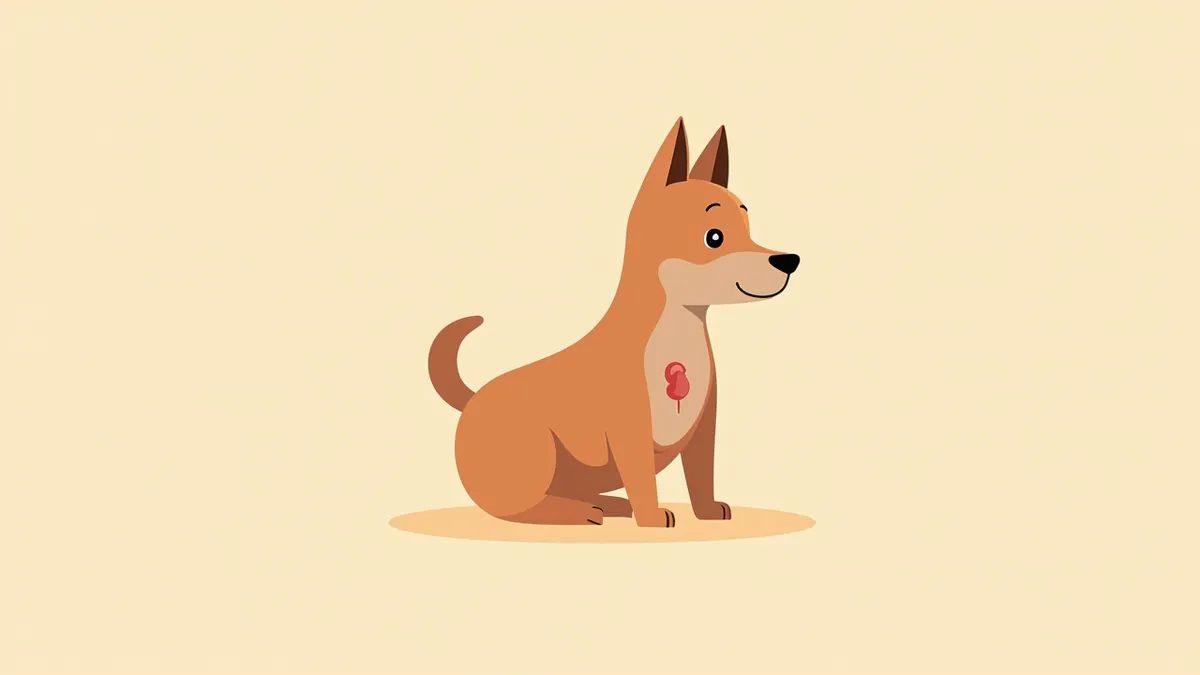
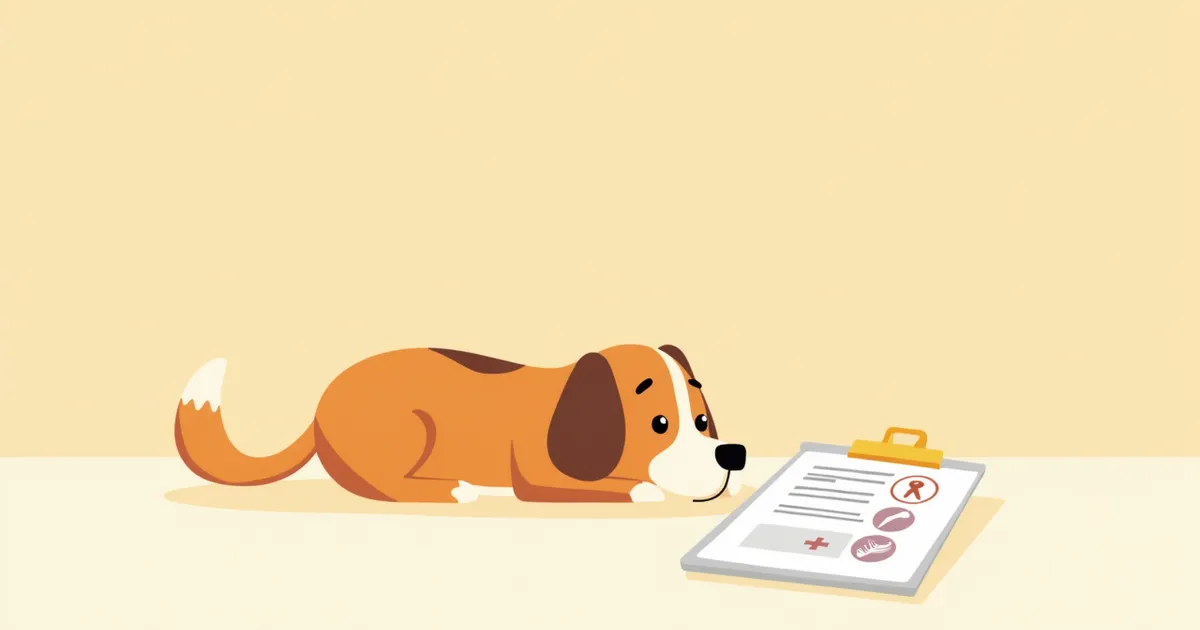
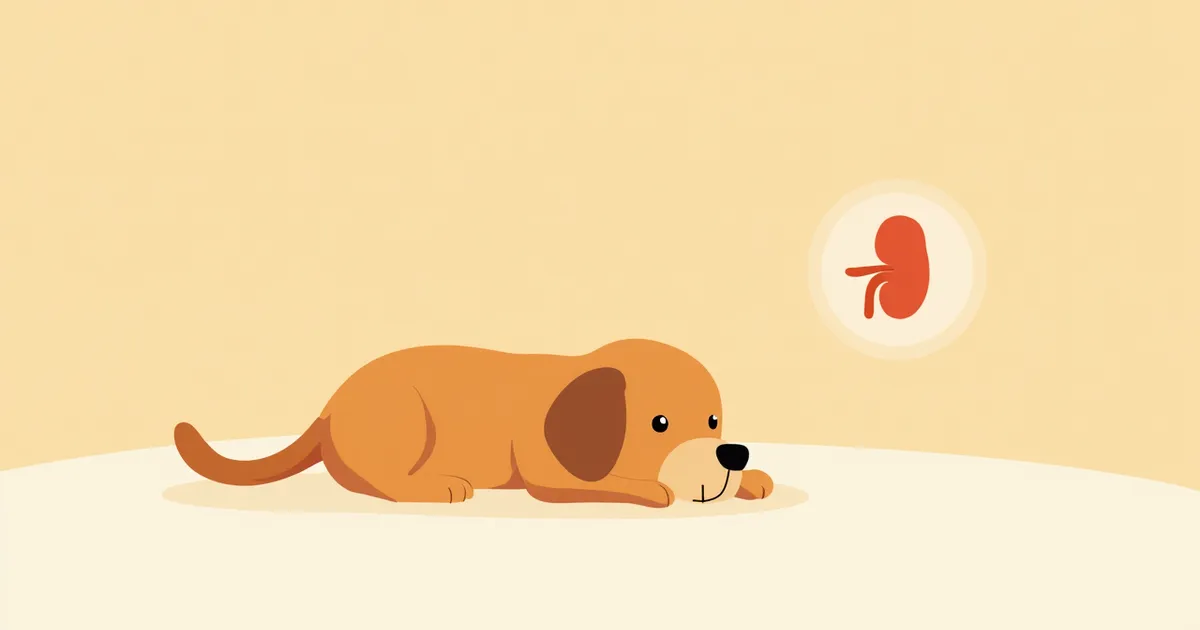
Image of a dog's kidney glomerular structure and damage status
Glomerulonephritis in dogs is a condition in which damage to the kidney’s glomeruli allows protein to leak into the urine. Because it can progress to chronic kidney disease, early detection and proper management are crucial. Pet owners should watch for signs such as swelling, lethargy, and decreased appetite. Urinalysis and blood tests are essential for veterinary diagnosis. Early intervention plays a significant role in preserving kidney function, making regular check-ups and lifestyle adjustments indispensable.

5 Key Criteria for Selecting Glomerulonephritis Management Supplements
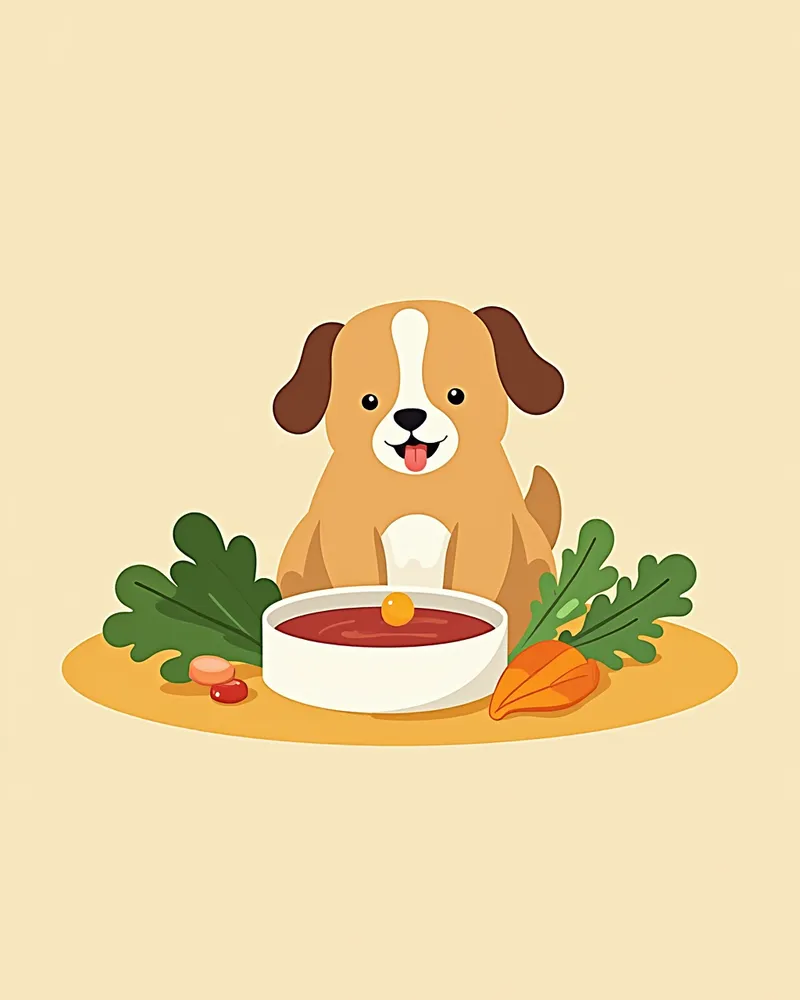
- Low-protein diet: Excessive protein intake can strain the kidneys, so it’s helpful to moderate protein levels to a “moderate” range using high-quality proteins with a balanced amino acid profile. - Omega-3 fatty acids: Fish-derived omega-3s help regulate inflammatory pathways in the body, support blood flow within the kidneys, and have been shown to reduce proteinuria (UPC). - Antioxidants: Antioxidant components like vitamin E may help slow the progression of kidney damage by reducing oxidative stress. - Phosphorus control: Since excessive phosphorus intake can increase the burden on the kidneys, a renal diet with limited phosphorus is recommended. - Veterinary consultation: Some ingredients, such as glucosamine and coenzyme Q10, have not yet been clearly proven to protect the kidneys, so it’s safest to always consult your veterinarian before choosing a product.
Criteria for selecting nutritional supplements for managing glomerulonephritis

BEST 1: Premium Care Glucosamine + Omega-3
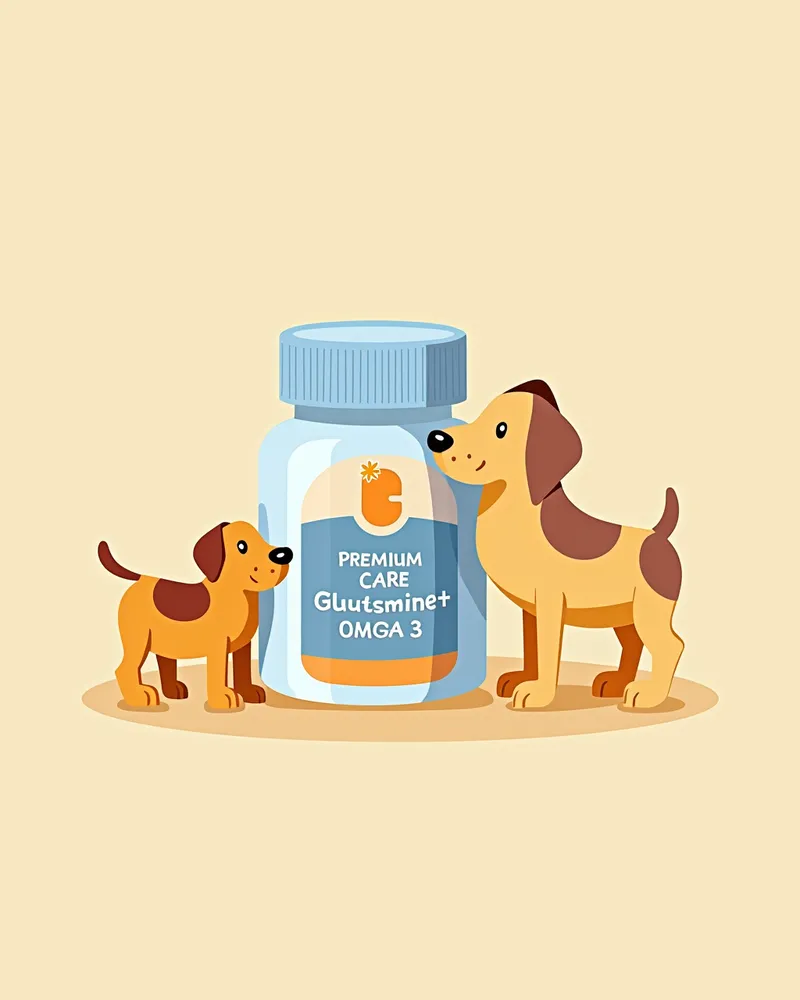
This product is a comprehensive supplement designed to support the management of glomerulonephritis. Its primary ingredient is omega-3 fatty acids; fish-derived omega-3s have been reported to help regulate inflammatory pathways and improve renal blood flow and proteinuria. However, it is worth noting that while glucosamine is included, it is primarily a joint-support ingredient, and its efficacy in protecting kidney cells has not yet been sufficiently proven. The formula is flavored to encourage appetite in dogs with reduced interest in food, making administration easier. For safety, your veterinarian should determine the appropriate daily dosage and whether this product is suitable based on your dog’s weight and condition.
BEST 1 Glomerulonephritis Management Supplement Image

BEST 2: Renewal Care Low-Protein + Antioxidant Complex
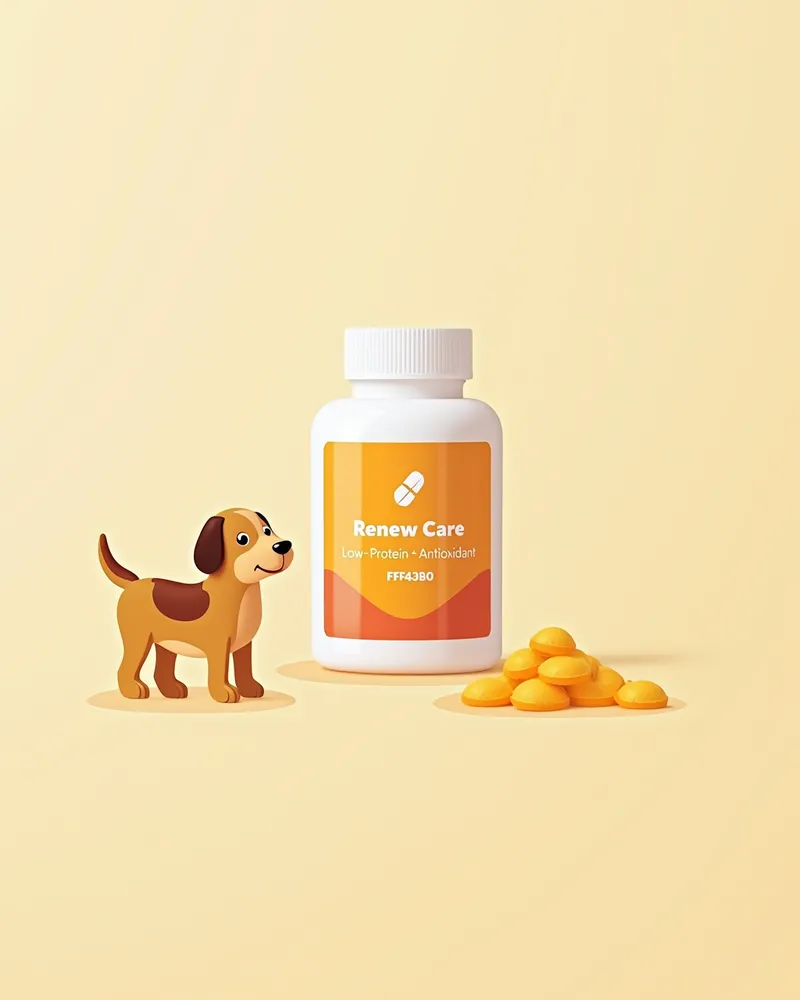
This product is a supportive supplement for glomerulonephritis, formulated with appropriate protein levels and antioxidant ingredients. Among antioxidants, vitamin E has been reported to help slow the progression of kidney disease by reducing oxidative stress and proteinuria. Selenium and lutein are also included for their antioxidant properties, but there is currently insufficient evidence to support their specific effects on the kidneys. The formula is designed with reduced phosphorus content to lessen the burden on the kidneys, and its strong flavor makes it relatively easy to administer to dogs with decreased appetites. For the safest results, please consult your veterinarian to determine the appropriate daily dosage.
Image of the top two nutritional supplements for managing glomerulonephritis

BEST 3: Premium Care Coenzyme Q10 + Glucosamine
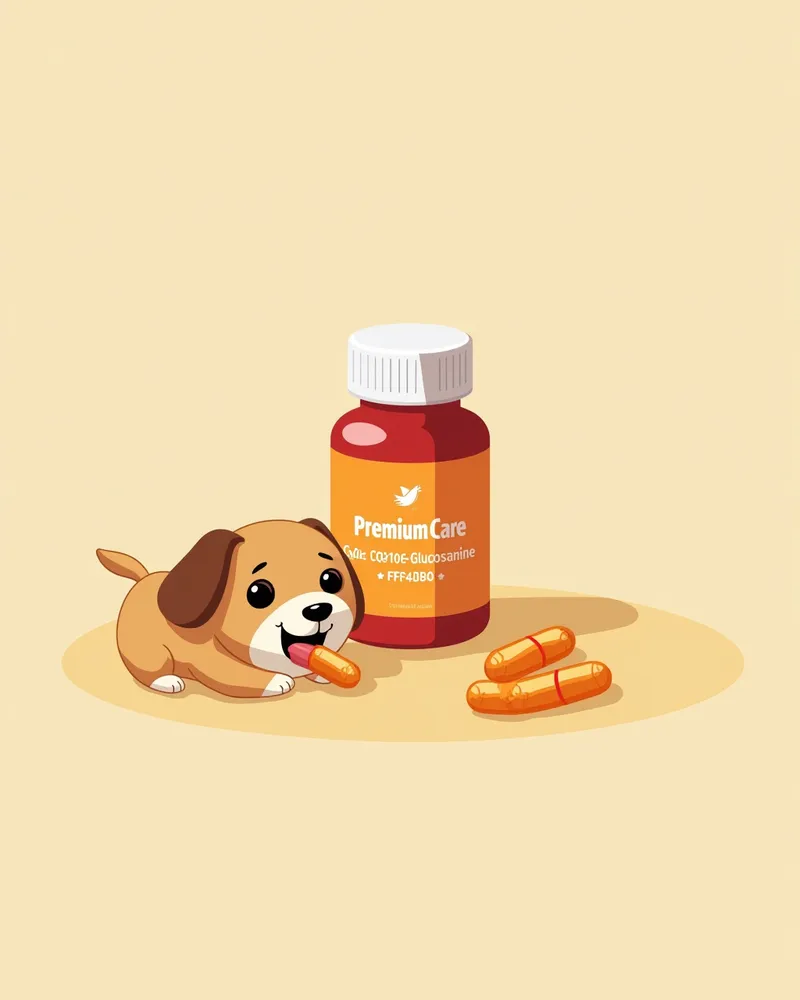
This supplement is formulated primarily with coenzyme Q10 and glucosamine to support dogs with glomerulonephritis. However, the effects of coenzyme Q10 on renal cellular energy production and protection against oxidative damage have not yet been sufficiently proven in veterinary medicine, and glucosamine is mainly used for joint health. On the other hand, omega-3 fatty acids, also included in this product, have been reported to help regulate inflammation and improve proteinuria, making their role in kidney care more well-established. The product has a pleasant flavor and is designed in a small size that is easy for small breed dogs to consume. Please consult your veterinarian to determine the appropriate daily dosage.
Top 3 Nutritional Supplements for Managing Glomerulonephritis

Comparison Table of BEST 1–3 Products

ItemBEST 1: Glucosamine + Omega-3BEST 2: Low-Protein + AntioxidantBEST 3: Coenzyme Q10 + Glucosamine
Main IngredientsGlucosamine, omega-3Low-protein, vitamin E, seleniumCoenzyme Q10, glucosamine
Phosphorus ContentLowVery lowLow
Additional Effects (Evidence)Omega-3's inflammation regulation and proteinuria improvement (evidence exists); glucosamine's kidney effect unprovenVitamin E's reduction of oxidative stress (evidence exists)Helpful when combined with omega-3; evidence for coenzyme Q10's kidney effect is limited
Usage1 tablet per day1 capsule per day1 tablet per day
Recommended Age6 months or older6 months or older6 months or older

The kidney-protective effects of glucosamine and coenzyme Q10 have not yet been sufficiently proven. Check the products and feeding amounts recommended by your veterinarian according to weight and condition.

Caution: Side Effects May Occur with Overdosing

Glomerulonephritis management supplements must be given at the exact dosage prescribed by your veterinarian. Overdosing can cause side effects such as vomiting, diarrhea, and loss of appetite. In particular, products high in omega-3 fatty acids may affect blood clotting, so extra caution is needed for dogs with a history of bleeding.

4 Tips for Managing Glomerulonephritis
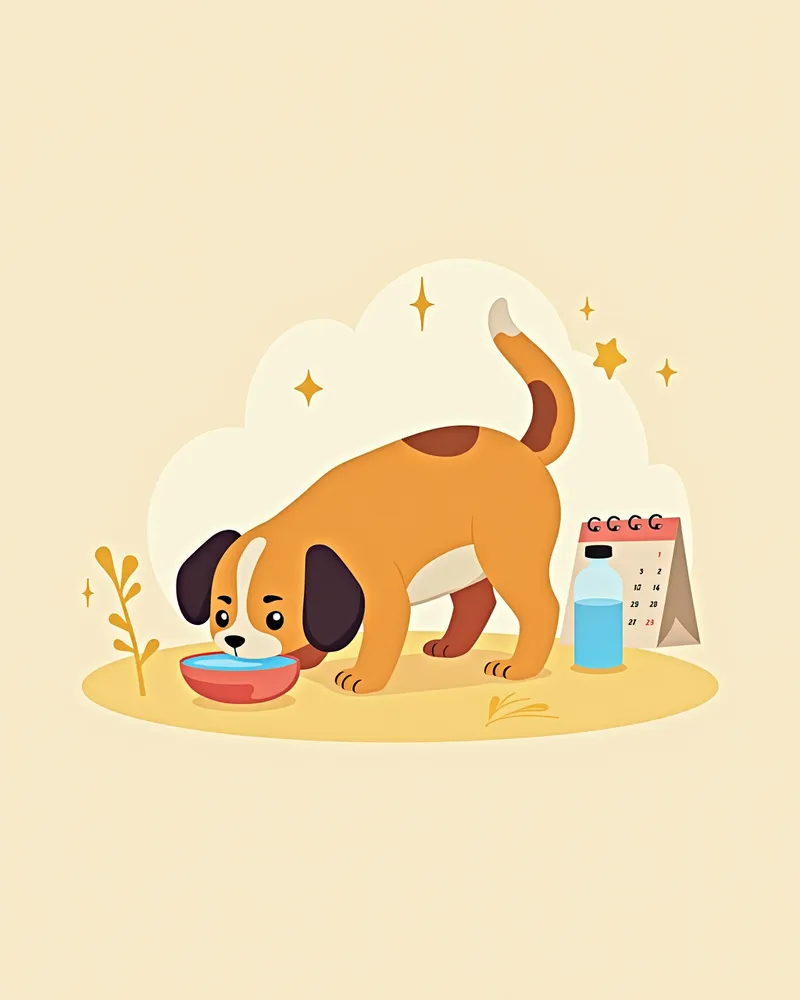
- Regular check-ups: We carefully monitor your pet’s condition through urine and blood tests every three months. - Encouraging hydration: Offer water frequently and provide jelly-based foods or other moisture-rich options alongside their regular diet. - Stress management: Be cautious of environmental changes or excessive exercise, as these can place added strain on the kidneys. - Dietary management: Strictly follow the dietary plan prescribed by your veterinarian and avoid excessive treats. Healthy daily habits are the key to long-term care.
Tips for Managing Glomerulonephritis Image

Reviewed by a veterinarian

Dr. Tony — Punnawat Phongkittirak

Dr. Tony — Punnawat Phongkittirak

Veterinarian

A veterinarian who majored in veterinary medicine at Khon Kaen University, Thailand, and completed the IVSA program at North Carolina State University in the United States. Drawing on clinical experience at animal hospitals, he works in the pet healthcare field and is dedicated to building a digital care environment that connects pet parents with veterinarians.

Frequently Asked Questions

Is glomerulonephritis curable?
Glomerulonephritis is a chronic condition that is difficult to cure completely. However, with proper management and treatment, it is possible to stabilize the condition and improve quality of life.
When should I start giving my pet nutritional supplements?
It’s best to start management as soon as your veterinarian makes the diagnosis. Early intervention can help slow the decline in kidney function.
Can it be taken with other supplements?
While generally safe, it may interact with other medications or supplements. Always consult your veterinarian before use.
Will my pet’s condition worsen if I stop giving the supplement?
Supplements themselves do not reverse kidney function. However, abruptly stopping dietary management and care can disrupt your pet’s condition, so it’s best to consult with your veterinarian before making any changes to their supplement regimen.
Which dog breeds are most prone to glomerulonephritis?
Certain hereditary kidney diseases that cause proteinuria in the glomeruli are known to occur, sometimes appearing with a family history in specific breeds. If there is a family history or suspected genetic predisposition, it is advisable to monitor closely through regular check-ups.

Share

Related Guides

References

[1] Kirk CA, et al. (2020) Small Animal Internal Medicine, 5th ed. Elsevier, St. Louis.

[2] Hosgood G, et al. (2019) Glomerular disease in dogs: A review of pathogenesis and management. Veterinary Clinics of North America: Small Animal Practice, 49(3), 457-472.

[3] Plumb's Veterinary Drug Handbook, 9th ed. (2021). Wiley-Blackwell.

This information is based on veterinary literature and does not replace diagnosis or treatment. Please consult a veterinarian for specific health concerns.

Metapet Co., Ltd. | CEO: Park Sung-yong | Business Reg. No. 417-88-02562 | Seoul, South Korea | Customer Center

7 Vet Tips for Managing Proteinuria in Canine Glomerulonephritis | Meongsiljang