Like
Share
멍실장
강아지 탈수와 신장 손상 관리 추천 BEST와 고르는 기준 총정리

7 Warning Signs of Dehydration and Kidney Damage in Dogs That Veterinarians Warn About

KidneyTop PicksMeongsiljang Veterinary Advisory Board

Early detection and proper management are key to saving your dog’s life when it comes to dehydration and kidney damage. We’ve compiled a guide to effective management products and how to choose them wisely.

Early Response Is Key to Managing Dehydration and Kidney Damage in Dogs
Image for diagnosing dehydration in puppies
Dehydration and kidney damage in dogs is a concerning condition characterized by both insufficient fluid intake and impaired kidney function. Dogs with compromised kidney function cannot concentrate their urine effectively, leading to excessive fluid loss and a higher risk of dehydration. If not detected early, waste products can accumulate in the body, worsening the condition. Senior dogs and those with underlying health issues require particular attention. In cases of chronic kidney disease, dietary management is crucial to slow disease progression, typically involving prescription diets that are low in phosphorus and enriched with omega-3 fatty acids. Severe dehydration may require intravenous fluid therapy administered by a veterinarian. Ensuring your dog always has access to fresh, clean water and scheduling regular veterinary check-ups are essential steps to safeguard their health and life.

Criteria for Choosing Products to Manage Dehydration and Kidney Damage in Dogs

- Ingredient stability: Choose a product that contains electrolytes and kidney-supporting ingredients recommended by veterinarians. - Absorption rate: Opt for forms with high absorption rates, such as liquids or capsules. - Taste and palatability: The product should have a good taste so that dogs can easily consume it. - Ease of use: Look for products that are easy to administer and convenient to store. - Medical backing: Products recommended by veterinarians or developed based on clinical research tend to be more reliable. - Adherence to dosage guidelines: Always follow your veterinarian's instructions regarding the correct dosage.
Product image of a puppy dehydration supplement

BEST 1: Fluid Replenishment Protein Capsules

This product is a supplement designed to help replenish fluids and electrolytes in dehydrated dogs. The inclusion of electrolytes aids in fluid absorption. However, in dogs with compromised kidney function, excessive protein intake can increase metabolic waste products, thereby placing additional strain on the kidneys. Therefore, for dogs with kidney disease, it is recommended to limit protein quantity while providing high-biological-value protein with a balanced amino acid profile. Although the capsule form makes administration easy, ensuring your dog willingly consumes it is paramount. Dosage must be determined in consultation with your veterinarian, based on your dog’s weight and renal status. Fluid supplementation serves as an adjunctive measure; severe dehydration may require intravenous fluid therapy administered by a veterinarian.
A puppy taking a hydration supplement capsule

BEST 2: Kidney Health Liquid Supplement
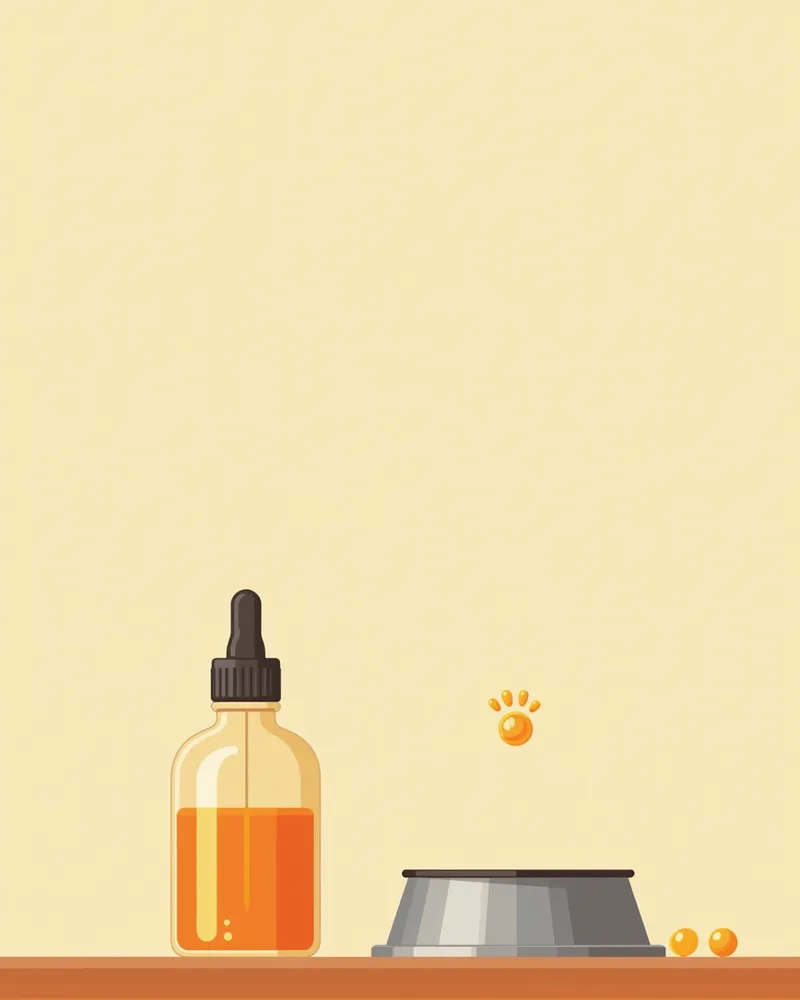
This liquid supplement is a supportive aid designed to help manage your dog’s kidney health. - Omega-3 Fatty Acids: Omega-3s are known to support blood flow within the kidneys, help regulate inflammation, and reduce proteinuria and glomerular damage, thereby helping to slow the progression of kidney disease. - Antioxidant Nutrients: Antioxidant nutrients are considered an important part of kidney nutritional care, playing a role in supporting long-term cellular health. - Hydration and Electrolyte Management: Dogs with kidney disease typically need restricted sodium intake, so electrolytes should not be increased arbitrarily. Instead, manage them under veterinary guidance while ensuring adequate hydration. - Easy Administration: Simply dissolve the supplement in water after meals, allowing your dog to drink it naturally. Ensuring your dog consumes it consistently is the most important factor. - Long-Term Management: Dietary management is central to caring for chronic kidney disease. Consistent management alongside phosphorus-restricted, low-protein prescription diets can help slow the decline in kidney function. However, the appropriate product and stage-specific plan must always be determined in consultation with your veterinarian.
Image of a liquid supplement for supporting kidney health in dogs

BEST 3: Dehydration Prevention Dry Supplement

This supplement is designed to help manage hydration in dogs that don’t drink enough water. - Hydration support: It’s easy to administer by dissolving it in water, and its palatable taste encourages dogs to consume it willingly. However, keep in mind that dogs with kidney disease are especially prone to dehydration, so wet (canned) food with higher moisture content is generally recommended over dry kibble. - Electrolyte management: Electrolytes such as sodium and potassium may need to be restricted depending on the dog’s kidney condition. Do not increase them arbitrarily; always adjust under veterinary guidance. - Water-soluble vitamins: Dogs with kidney disease may lose water-soluble vitamins (such as B vitamins) through urine, so supplementation can be beneficial. However, not all dogs require this. - Convenient storage: Its dry form makes it relatively easy to store. - Daily use: You can mix it into your dog’s food once a day. Ensure your dog gets adequate water intake and regular veterinary check-ups. In cases of severe dehydration, veterinary fluid therapy may be necessary.
Image of a dry supplement to prevent dehydration in puppies

Comparison Table of BEST 1–3 Products

ItemHydration Protein CapsulesKidney Health Liquid SupplementDehydration Prevention Dry Supplement
Main IngredientsElectrolytes, amino acids (high biological value form)Omega-3, antioxidant nutrientsElectrolytes, water-soluble vitamins
FormulationCapsuleLiquidDry powder
Dosing Frequency1–2 tablets per day1–2 times per dayOnce per day
Recommended Weight Range5kg or more3kg or more2kg or more
Palatability RatingGoodVery goodAverage

Supplements do not replace dietary management (phosphorus restriction, low-protein prescription diet). In kidney disease, protein and sodium must be restricted, so always consult a veterinarian to determine whether to use them and the dosage according to weight and kidney condition.

Caution: Side Effects May Occur with Overdose

Excessive intake of electrolytes can strain the heart or damage the kidneys. Always follow the dosage prescribed by your veterinarian. If vomiting, diarrhea, or lethargy occurs after administration, stop giving the product immediately and seek veterinary care.

Tips for Managing Dehydration and Kidney Damage in Dogs

Keep a close eye on your dog’s daily water intake. If they aren’t drinking frequently, they’re at a higher risk of dehydration. - Water accessibility: Always provide fresh, clean water. Placing water bowls in several locations around the house can encourage them to drink more. - Diet adjustments: Dogs fed only dry kibble are prone to insufficient hydration. Consider increasing wet food in their diet to help boost their water intake. - Regular check-ups are essential: To support kidney health, schedule blood and urine tests at the intervals recommended by your veterinarian. - Supplement use: Only use supplements when necessary and after consulting your vet. Prioritize dietary management, such as phosphorus-restricted or low-protein prescription diets. - Environmental adjustments: Change the water more often on hot days. Dogs with kidney disease are particularly vulnerable to dehydration, so pay close attention to their hydration. Consistent daily care habits are key to protecting their long-term health.
Tips for tracking and managing your dog’s water intake

Reviewed by a veterinarian

Dr. Tony — Punnawat Phongkittirak

Dr. Tony — Punnawat Phongkittirak

Veterinarian

A veterinarian who majored in veterinary medicine at Khon Kaen University, Thailand, and completed the IVSA program at North Carolina State University in the United States. Drawing on clinical experience at animal hospitals, he works in the pet healthcare field and is dedicated to building a digital care environment that connects pet parents with veterinarians.

Frequently Asked Questions

What are the signs of dehydration in dogs?
Typical symptoms include a dry mouth, decreased skin elasticity, sunken eyes, and drowsiness or lethargy.
When should I start giving my pet supplements?
Managing kidney disease starts with dietary care, such as phosphorus restriction and a low-protein prescription diet. If dehydration symptoms appear or a veterinarian confirms reduced kidney function, consult your vet about starting supplements when necessary. Supplements aren’t needed for every dog.
How many times a day should I give my pet supplements?
This varies depending on the product. In general, administer it once or twice daily, following the dosage prescribed by your veterinarian.
Can I give my pet supplements and medication at the same time?
While it’s generally safe, it’s best to consult your veterinarian before administering it, as there may be potential drug interactions.
Is it safe to give supplements to my pet long-term?
It can be taken long-term under a veterinarian’s guidance. Regular check-ups are necessary to monitor your pet’s condition.

Share

Related Guides

References

[1] Plumb's Veterinary Drug Handbook, 9th Edition, 2022

[2] The Cat, Clinical Medicine and Management, 2nd Edition, 2021

[3] Small Animal Critical Care Medicine, 3rd Edition, 2020

This information is based on veterinary literature and does not replace diagnosis or treatment. Please consult a veterinarian for specific health concerns.

Metapet Co., Ltd. | CEO: Park Sung-yong | Business Reg. No. 417-88-02562 | Seoul, South Korea | Customer Center

7 Warning Signs of Dehydration and Kidney Damage in Dogs | Meongsiljang