
7 Best Management Strategies for Dog-on-Dog Aggression Recommended by Veterinarians and How to Choose
We’ll help you understand the types and causes of dog-on-dog aggression, and guide you through step-by-step management strategies based on veterinary behavior science.
What Is Dog-on-Dog Aggression?
4 Main Types of Same-Species Aggression
Signs That Require Immediate Consultation with a Veterinary Behavior Specialist
If your pet has recurring severe injuries, bites without any prior warning signs like growling or stiffening, shows unpredictable aggression, or if the aggression escalates to attacks on people, do not attempt to correct the behavior on your own. Instead, contact a veterinary behavior specialist or a certified behavior trainer immediately.
Management BEST ① — Identifying Triggers and Environmental Separation
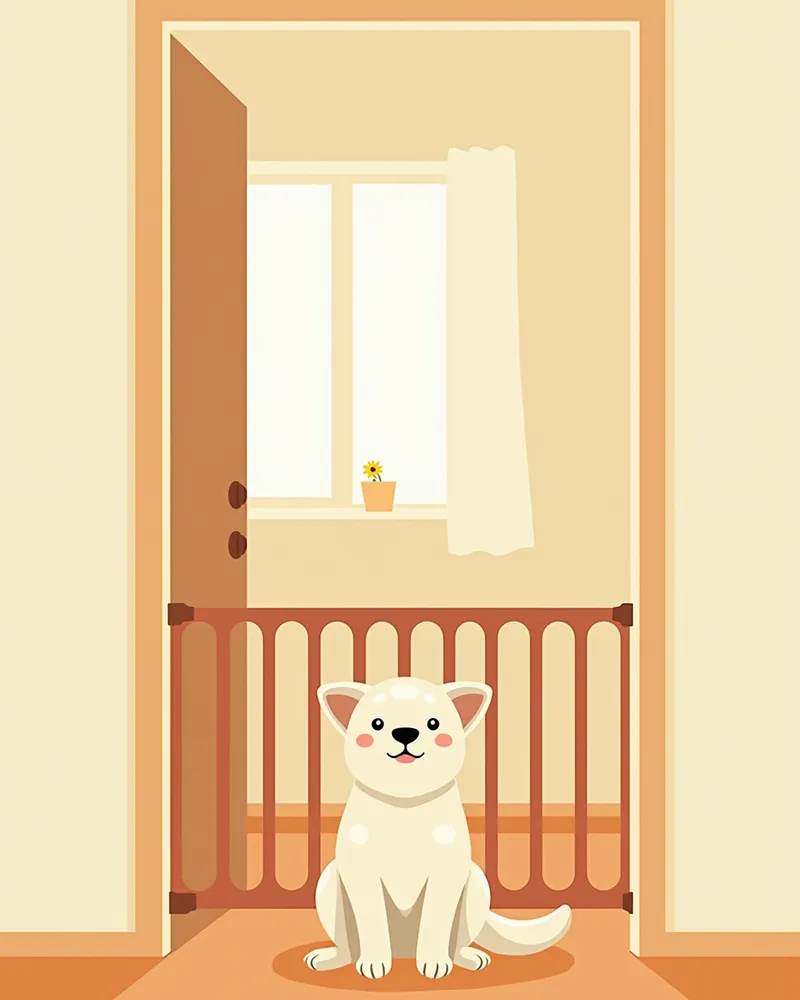
Management BEST ② — Proper Use of Safety Equipment
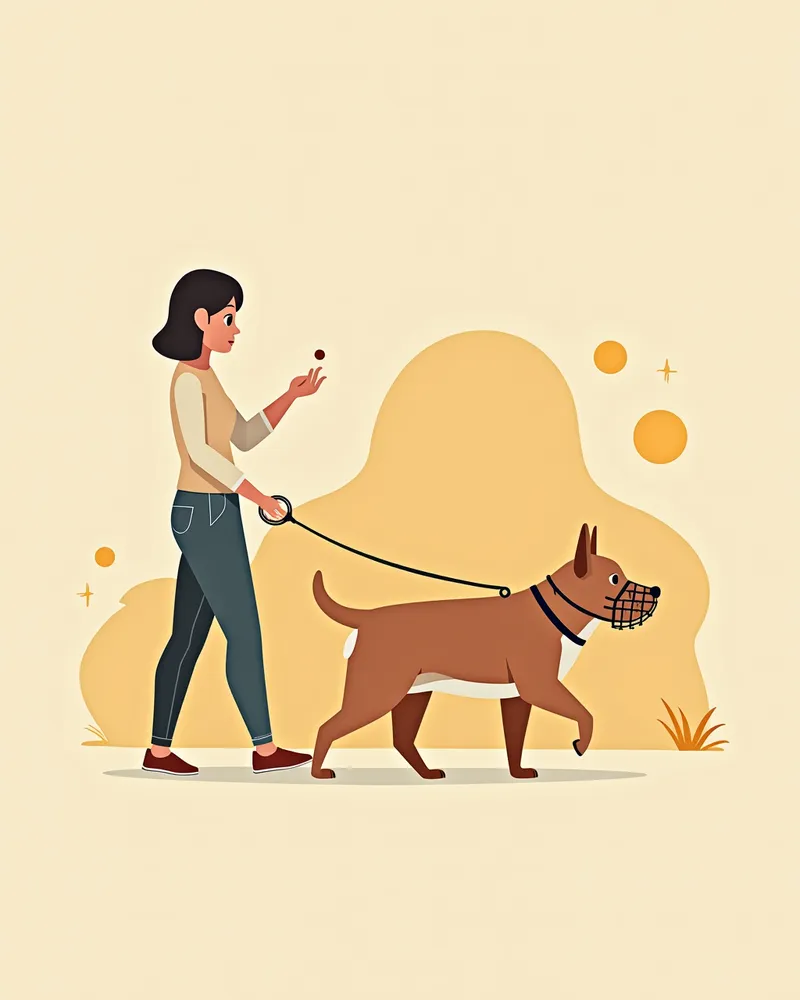
Management BEST ③ — Counterconditioning and Systematic Desensitization
Management BEST ④ — Teaching Alternative Behaviors

Situations and Selection Criteria for Each Management Method
| Item | Suitable Situations | Key Precautions |
|---|---|---|
| Trigger Avoidance & Environmental Separation | The first step in all cases | Exposure training also needed in the long term |
| Use of Safety Equipment | Ensures physical safety during outings and training | Must not be used as a punishment tool |
| Counterconditioning & Desensitization | Effective for fear- and reactivity-based aggression | Can worsen if done without distance control |
| Alternative Behavior Training | Suitable for long-term correction goals | Effective only if maintained consistently |
General guidelines based on veterinary behavior textbooks — professional consultation recommended for individual situations
Will Neutering Reduce Aggression?
Veterinary research shows limited evidence that neutering is generally effective in reducing aggression between animals of the same species. Behavioral modification training and environmental management are far more critical for managing aggression. It’s best to discuss the decision regarding neutering with your veterinarian through individual consultation.
Reviewed by a veterinarian

Dr. Tony — Punnawat Phongkittirak
VeterinarianA veterinarian who majored in veterinary medicine at Khon Kaen University, Thailand, and completed the IVSA program at North Carolina State University in the United States. Drawing on clinical experience at animal hospitals, he works in the pet healthcare field and is dedicated to building a digital care environment that connects pet parents with veterinarians.
Reviewed 2026-06-01
Frequently Asked Questions
Can a dog’s aggression toward other dogs be completely cured?
Is fighting between dogs living in the same household also considered conspecific aggression?
Won't putting a muzzle on my pet make it more aggressive?
What should I do if my pet remains aggressive despite training?
My dog barks and lunges at other dogs during walks. What should I do?
Share
Related Guides

7 Behavioral Enrichment Strategies for Mental Stimulation Recommended by Veterinarians

Top 5 Calming Supplements for Dogs and Cats in 2026

L-Theanine Effects and Calming Support

7 Key Dietary Management Tips for Dogs with Diabetes Recommended by Veterinarians — Blood Sugar Stability Guide

7 Key Tips for Managing Canine Diabetes from a Veterinarian — From Symptoms to Diet
7 Tips for Managing Trilostane and Mitotane in Dogs with Cushing’s Disease, as Recommended by Veterinarians
Veterinarian-Recommended Top 7 Tips for Managing Feline Thyroid T4 Testing and Selection Criteria

7 Key Management Points for Cat Radioactive Iodine Therapy — From Hospitalization to Recovery

7 Key Tips from Veterinarians for Cat Insulin Injections and Dosage Adjustment — From Administration to Adjustment

7 Key Strategies for Managing Feline Hypocalcemia Recommended by Veterinarians — How to Prevent Seizures
References
[1] Appleby, D., Bradshaw, J., and Casey, R. (2002). Relationship between aggressive and avoidance behaviour by dogs and their experience in the first six months of life. Veterinary Record, 150(14): 434–438.
[2] Reisner, I. (1997). Assessment, management and prognosis of canine dominance-related aggression. Veterinary Clinics of North America: Small Animal Practice.
[3] Shuler, C., DeBess, E., Lapidus, J., and Hedberg, K. (2008). Canine and human factors related to dog bite injuries. Journal of the American Veterinary Medical Association.
[4] Horwitz, D. Veterinary Guide to Preventing Behavior Problems in Dogs and Cats. Chapter 9, Table 9.4: General treatment plan for aggression in dogs.
[5] Introduction to Animal Behavior and Veterinary Behavioral Medicine. Chapter 15: Aggression — behavior modification plans and safety management tools.
[6] 100 Top Consultations in Small Animal General Practice. Section 14: Inter-dog and territorial aggression — neutering evidence and specialist referral criteria.