
Like
Share
멍실장
강아지 복수와 간 질환 관리 추천 BEST와 고르는 기준 총정리

7 Key Tips from Veterinarians for Managing Canine Ascites and Liver Disease

Liver HealthTop PicksMeongsiljang Veterinary Advisory Board

Early detection and proper management are key when it comes to ascites and liver disease in dogs. A comprehensive approach that includes nutritional support, medication, and dietary adjustments is essential.

A Comprehensive Approach is Essential for Managing Canine Ascites and Liver Disease

Puppy ascites and abdominal swelling associated with liver disease
Canine ascites occurs when declining liver function leads to fluid accumulation in the abdomen due to portal hypertension or hypoalbuminemia, making early detection and consistent management crucial. Please remember that nutritional and supplement support plays only an adjunctive role and does not replace treatment of the underlying cause. - Liver-supporting ingredients: Antioxidants such as silymarin (milk thistle), SAMe, and vitamin E are known to help protect the liver, particularly in cases of inflammatory liver disease. - Low-sodium diet: Mild sodium restriction can help reduce fluid retention. However, excessive restriction is not recommended, so please consult your veterinarian to determine the appropriate level. - Palatable formulation: Choosing a formulation your dog will accept and take consistently is more important for practical management than the specific product itself. - Electrolyte balance: Electrolytes such as potassium and magnesium should be monitored regularly and adjusted according to your dog’s condition. - Veterinarian-recommended products: Always consult your veterinarian before selecting any supplements to use alongside hospital-based treatment.

6 Key Criteria to Consider When Managing Canine Ascites and Liver Disease
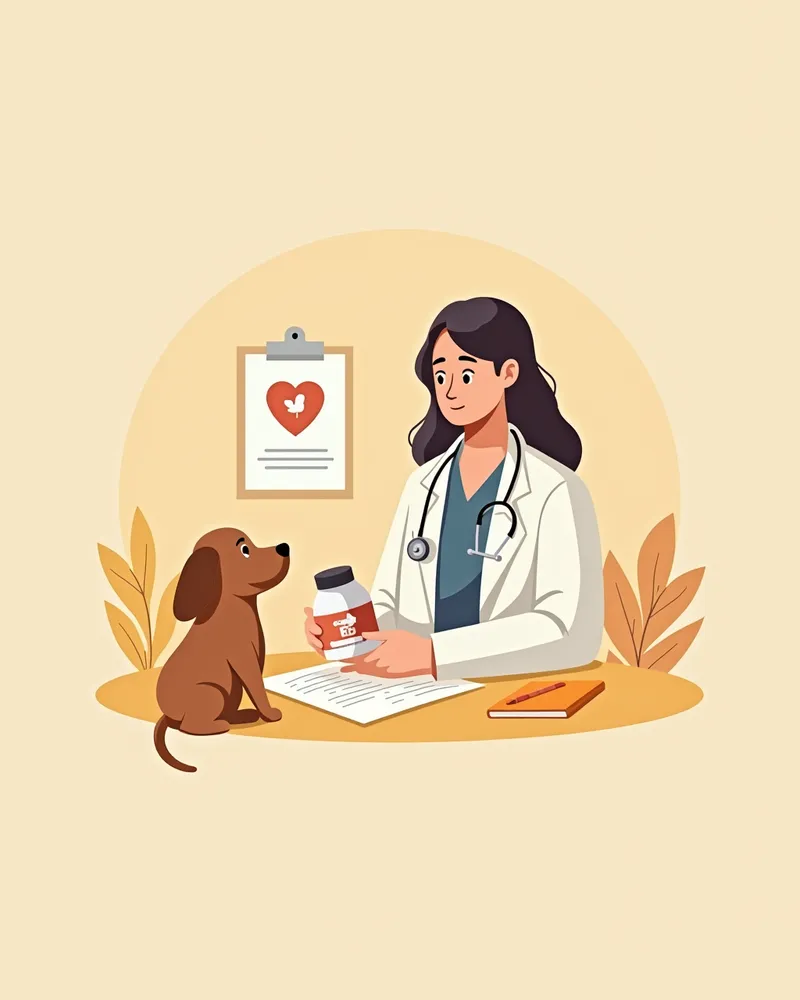
When selecting products to manage ascites and liver disease in dogs, several factors should be considered. Each item should be designed to complement hospital-based treatment, with the understanding that supplements play a supportive role alongside primary cause-directed therapy.
Liver-protective ingredients: Look for products containing antioxidants known to support liver health in inflammatory liver diseases, such as silymarin (milk thistle), SAMe, and vitamin E.
Sodium-restricted diet: Mild sodium restriction may help reduce fluid retention. Avoid excessive restriction.
Antioxidants: These can help mitigate liver damage caused by oxidative stress.
Digestive absorbability: Since impaired digestion may accompany liver disease, choose formulations that are palatable and easy for your dog to consume.
Potential drug interactions: Your veterinarian must confirm that the product does not interact with any current liver medications.
Veterinarian-recommended products: Prioritize products that are clinically validated and recommended by your veterinarian.
A veterinarian reviewing a product for managing canine liver disease.

BEST 1: Hepatocyte Renewal Protein Capsules
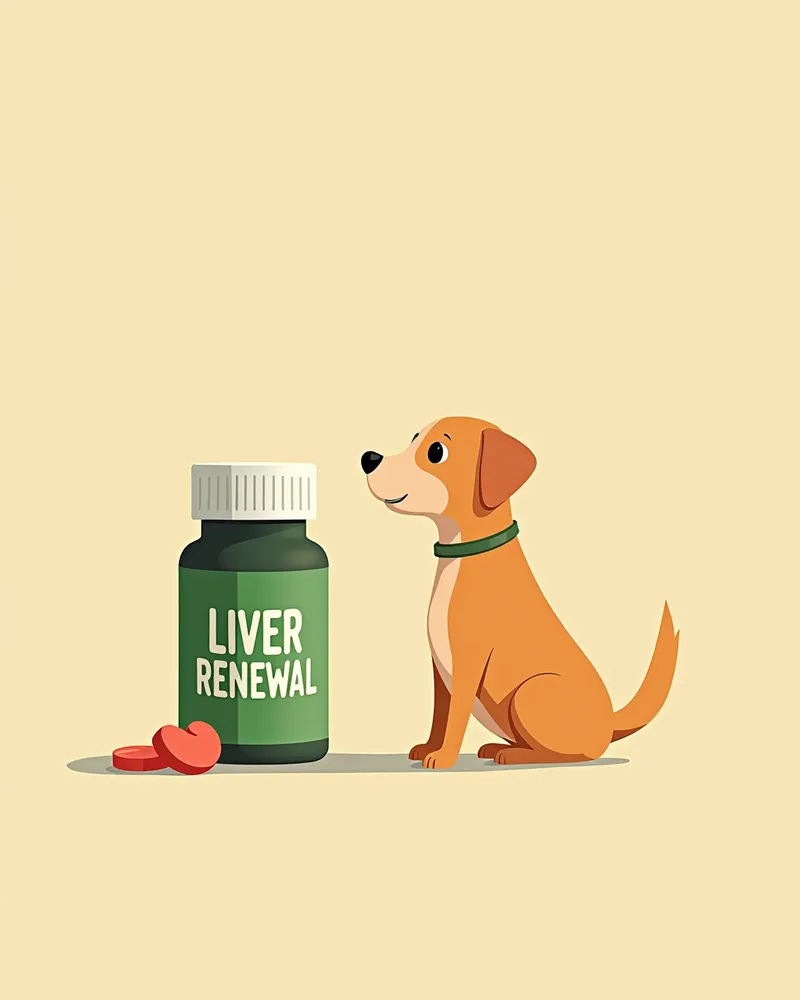
This product contains silymarin (milk thistle) as its key ingredient, which is known to support liver health. - Liver-protective ingredient: Silymarin (milk thistle) is known to help protect liver cells, particularly in cases of inflammatory liver disease. - Antioxidant effects: Antioxidants such as vitamin E and SAMe may help reduce liver damage caused by oxidative stress. - Palatable formulation and low-sodium composition: The convenient capsule form makes administration easy, and the low sodium content is specifically designed to support ascites management. - Veterinarian-recommended product: Always consult your veterinarian to ensure safe use when combining this product with hospital-based treatment. - Support for ascites management: Supplements do not guarantee immediate relief of ascites and should be viewed solely as an adjunct to address the underlying cause.
Product image of Hepatocyte Renewal Protein Capsules

BEST 2: Low-Sodium Liver Health Perustic

This product contains antioxidant ingredients such as silymarin (milk thistle) and vitamin E, making it suitable as a supplement to help alleviate liver damage. - Antioxidant effect: Vitamin E may help reduce liver cell damage caused by oxidative stress. - Advantages of powder form: It can be easily mixed into meals, making administration convenient. - Liver protection support: Silymarin (milk thistle) is known to play a protective role for the liver in inflammatory liver diseases. - Support for ascites management: The supplement does not directly drain ascites but plays a supportive role in helping treat the underlying cause. - Comprehensive management possible: For safe use alongside veterinary treatment, please consult with your veterinarian.
Salt-restricted liver health Perustic product image

BEST 3: Liver Function Recovery Blend Powder

This product contains antioxidant ingredients such as silymarin (milk thistle) and vitamin E, making it suitable as a supplement to help alleviate liver damage. - Antioxidant effect: Vitamin E may help reduce liver cell damage caused by oxidative stress. - Liver protection support: Silymarin (milk thistle) is known to play a protective role for the liver, particularly in inflammatory liver diseases. - Ease of administration: The powder form can be easily mixed into meals, allowing dogs to take it consistently without refusal. - Support for ascites management: The supplement does not directly drain ascites but serves to complement the treatment of the underlying cause. - For long-term management: Use this supplement for ongoing liver health maintenance, alongside regular veterinary check-ups.
Product image of the liver function recovery blend powder

Comparison Table of Products BEST 1–3

ItemBEST 1: Liver Cell Renewal CapsuleBEST 2: Salt-Restricted Feru-StickBEST 3: Liver Recovery Blend Powder
Main IngredientsSilymarin (milk thistle), Vitamin ESilymarin (milk thistle), Vitamin ESilymarin (milk thistle), Vitamin E
FormCapsuleFeru-stickPowder
Salt ContentExtremely lowLow sodiumLow
Ease of FeedingHighHighHigh
Veterinarian-RecommendedYesYesYes

All products are supplements to help manage ascites and declining liver function; they do not guarantee immediate effects. Use them alongside veterinary treatment and after consulting your veterinarian.

Caution: Overdose May Increase Liver Burden

In puppies with impaired liver function, an excess of ingredients can actually place additional strain on the liver. A veterinarian should determine the recommended dosage based on the puppy’s weight and overall condition.

Tips for Using Products to Manage Canine Ascites and Liver Disease

Consistent care is key to managing ascites and liver disease in dogs. Please keep the following tips in mind when using the product:
Split Meals: Divide daily food into three to four small portions to reduce digestive burden.
Sodium Management: Mild sodium restriction may help alleviate ascites more effectively than fluid restriction. Always adjust fluid intake and diet strictly according to your veterinarian’s instructions.
Monitor Weight Changes: Weigh your dog regularly to detect changes related to ascites.
Adjust Activity Levels: Avoid strenuous exercise; instead, opt for light walks tailored to your dog’s condition.
Regular Check-ups Are Essential: Liver enzyme levels can fluctuate over several months, so check enzyme levels and ascites status every one to two months.
Check for Drug Interactions: Always consult your veterinarian to confirm potential interactions before administering this product alongside other medications.
Tips for Managing Ascites and Liver Disease in Dogs

Reviewed by a veterinarian

Dr. Tony — Punnawat Phongkittirak

Dr. Tony — Punnawat Phongkittirak

Veterinarian

A veterinarian who majored in veterinary medicine at Khon Kaen University, Thailand, and completed the IVSA program at North Carolina State University in the United States. Drawing on clinical experience at animal hospitals, he works in the pet healthcare field and is dedicated to building a digital care environment that connects pet parents with veterinarians.

Frequently Asked Questions

When should I start giving my dog a supplement for managing ascites and liver disease?
It's best to start the medication right after a veterinarian diagnoses liver and kidney dysfunction. Early intervention is more effective.
Is it safe to give these products alongside your pet’s prescription medications?
While most products can be taken alongside prescription medications, please always consult your veterinarian first, as potential drug interactions may occur.
Will the abdominal fluid decrease after taking the medication?
This product is a supplement designed to help alleviate ascites, so it won’t provide immediate results. With consistent use, you can expect a reduction in ascites and improved liver function.
Is it safe to give these products to my pet long-term?
When taken consistently for the period recommended by your veterinarian, it can be used safely. Regular check-ups are necessary for long-term use.
Will ascites return if the medication is stopped?
If the underlying disease persists, ascites can recur. This product is a management aid only, and it must be used alongside treatment of the root cause.

Share

Related Guides

References

[1] Notes on Canine Internal Medicine, 4th Ed, 2020

[2] Fundamentals of Veterinary Clinical Pathology, 3rd Edition, 2018

[3] BSAVA Manual of Canine and Feline Dermatology, 4th Ed, 2021

This information is based on veterinary literature and does not replace diagnosis or treatment. Please consult a veterinarian for specific health concerns.

Metapet Co., Ltd. | CEO: Park Sung-yong | Business Reg. No. 417-88-02562 | Seoul, South Korea | Customer Center

7 Vet-Recommended Tips for Managing Canine Ascites & Liver Disease | Meongsiljang