

Must-Do Before Bringing Home a Second Dog: 7 Best Ways to Reduce Adjustment Stress in Dogs
We’ve compiled the best, evidence-based strategies to reduce stress in dogs when a new baby, pet, or partner joins the household, along with criteria for choosing products and methods, all grounded in veterinary behavioral science.
What Is Stress from Introducing a New Family Member to Your Dog?
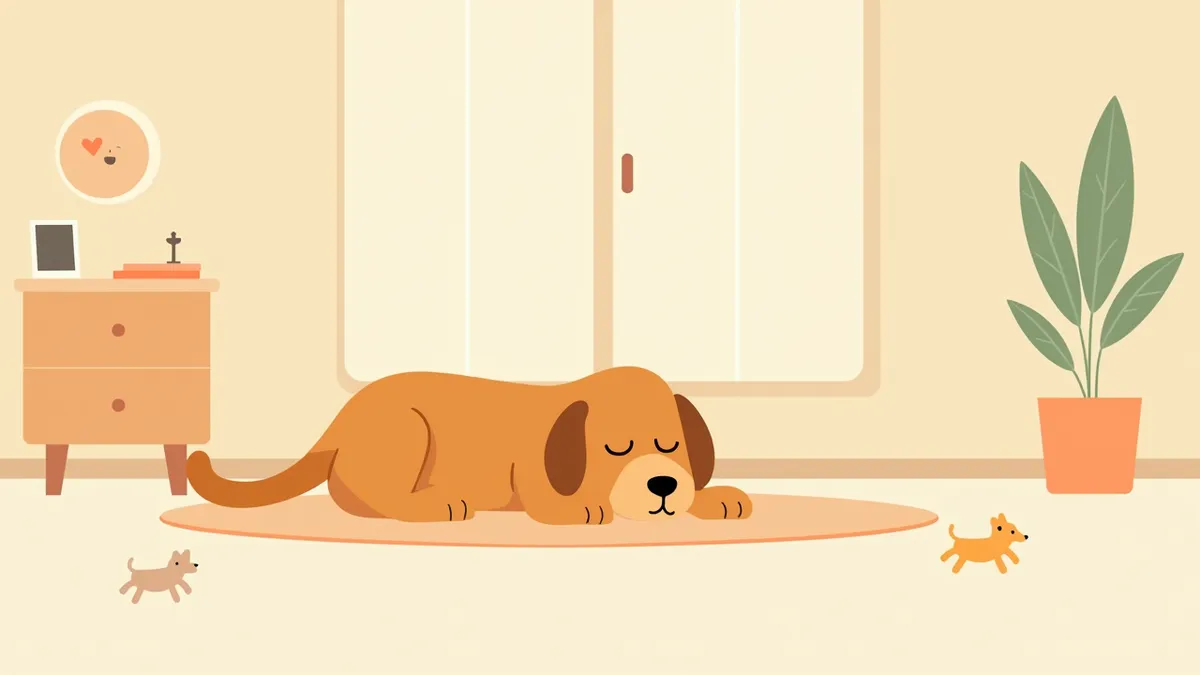
Stress Response Signs to Watch For

Signs That Require Immediate Veterinary Attention
If your pet refuses food and water for more than 48 hours, exhibits severe trembling or drooling, has difficulty breathing, or shows sudden aggression toward new family members, this goes beyond simple stress. You should consult a veterinarian or a veterinary behavior specialist without delay.
Top 4 Recommended Environmental Preparations Before Introduction

Top 4 Recommended Step-by-Step Introduction Methods
Top 4 Stress Reduction Methods: At-a-Glance Comparison
| Item | Suitable Situation | Onset of Effect | Precautions |
|---|---|---|---|
| Pheromone diffuser | Preventive use 2 weeks before introduction | Gradual with consistent use | Requires periodic ventilation |
| Pressure vest | Immediate anxiety on the same day | Large individual variation | Do not wear for long periods |
| Calming supplement | Chronic/long-term anxiety | Decide after consulting a veterinarian | Veterinary consultation essential |
| Nosework/KONG | Energy dispersion/positive association | Immediately during activity | Difficulty must be adjusted |
Rather than using it alone, combining it with a step-by-step introduction method works better
Complete Guide to Choosing Methods and Products

Important Tips When You Already Have a Dog
When introducing a second dog to a household that already has one, the first dog may be particularly sensitive to the owner’s attention being divided. It’s important to maintain the original dog’s routine—such as walk, play, and meal times—exactly as before, and to keep their resting areas and food bowls strictly separate.
Reviewed by a veterinarian

Dr. Tony — Punnawat Phongkittirak
VeterinarianA veterinarian who majored in veterinary medicine at Khon Kaen University, Thailand, and completed the IVSA program at North Carolina State University in the United States. Drawing on clinical experience at animal hospitals, he works in the pet healthcare field and is dedicated to building a digital care environment that connects pet parents with veterinarians.
Reviewed 2026-06-01
Frequently Asked Questions
What’s the best way to reduce stress in your dog when a new baby arrives?
I just brought home a second dog, and my original dog hasn’t eaten for several days. What should I do?
Do pheromone diffusers really work?
My dog is showing aggression toward a new family member. What should I do?
How long does it usually take for a new family member to adjust?
Share
Related Guides

7 Behavioral Enrichment Strategies for Mental Stimulation Recommended by Veterinarians

Top 5 Calming Supplements for Dogs and Cats in 2026

L-Theanine Effects and Calming Support

7 Best Care Products for Cats Becoming Sensitive After a Baby Is Born — Selection Criteria
7 Key Tips for Managing Canine Mammary Tumors Selected by Veterinarians — Criteria for Distinguishing Benign from Malignant
Top 5 Joint-Support Mats and Stairs for Dogs and How to Choose Them

Top 5 Recommended Recovery Diets for Dogs After Joint Surgery — Nutritionally Balanced Food for the Recovery Period

When Are Prescription Diets Needed for Dogs? — Selection Criteria by Kidney, Liver, and Obesity Conditions

Top 5 Cat Water Fountains for Increasing Water Intake and Kidney Health

5 Key Differences in Dog Food Grades Explained by a Veterinarian
References
[1] Horwitz, D.F. & Mills, D.S. (eds.), Introduction to Animal Behavior and Veterinary Behavioral Medicine, Chapter 15: Separation-Related Disorders, CABI Publishing
[2] Quarto Publishing Group, The Dog Care Handbook: Things I Wish My Vet Had Told Me, 2024
[3] Archer, J. (1997). Why do people love their pets? Evolution and Human Behavior, 18, 237–259.