
7 Best Ways to Manage Your Dog’s Aggression Toward Strangers, According to a Veterinarian, and How to Choose
We’ve broken down everything you need to know about your dog’s aggressive behavior—such as barking or lunging at strangers—into clear, actionable steps. From understanding the causes and types of aggression to behavior modification techniques, safety gear, and when to seek professional help, this guide empowers you to take immediate, effective action.
What Is Canine Aggression Toward Strangers?
Types of Aggression — You Must Understand the Cause First
Signs That Require Immediate Consultation with a Veterinary Behaviorist
If any of the following situations apply, do not attempt to correct the behavior on your own; instead, consult a veterinary behaviorist or a certified professional trainer. • The dog has already bitten a person and caused injury. • The dog bites suddenly without giving warning signals, such as growling. • The dog has lunged at children or elderly or frail individuals. • The dog’s aggression has worsened after attempts to correct the behavior.
BEST 1 — Identifying Triggers and Environmental Management
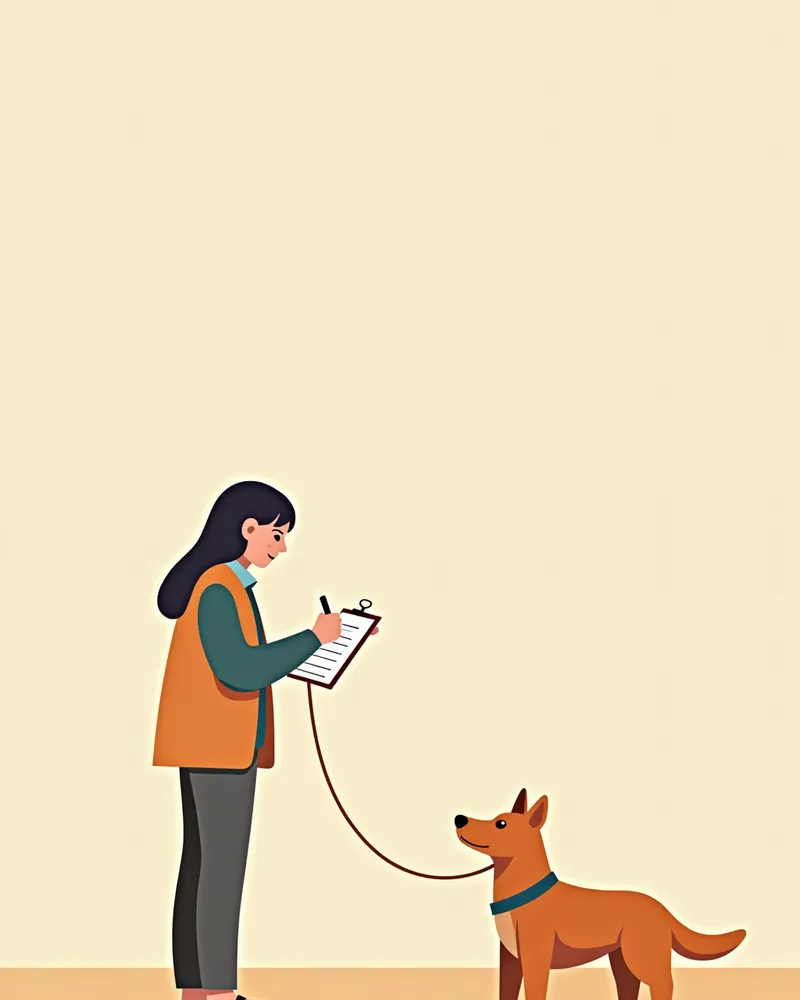
BEST 2 & 3 — Desensitization and Counter-Conditioning Training
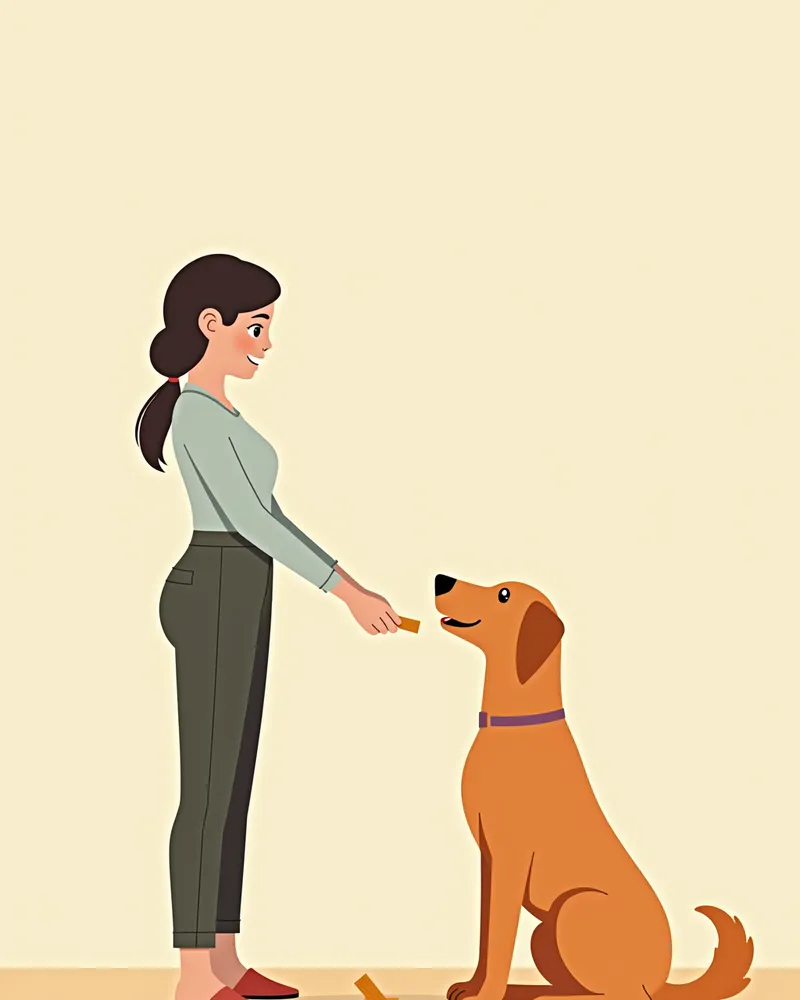
BEST 4 — Teaching Alternative Behaviors
BEST 5 & 6 — Choosing Safety Gear and Using It Correctly

BEST 7 — Professional Behavioral Consultation and Medication
Comparison of Management Methods — Selection Criteria by Situation
| Item | Trigger avoidance/Environmental management | Desensitization/Counterconditioning | Safety equipment | Professional behavioral consultation |
|---|---|---|---|---|
| Main effect | Prevents worsening/habituation | Reduces underlying anxiety | Prevents biting incidents | Precise diagnosis/customized plan |
| Difficulty | Easy | Medium (consistency needed) | Easy (adaptation needed) | Delegated to a professional |
| Expected timeframe | Immediate effect | Consistently over several months or more | Immediate (adjunctive) | Requires long-term management |
| Recommended situation | Essential before starting modification | Priority for fear/territorial types | Outings/visitor situations | When severe or not improving |
Compiled based on veterinary behavior textbooks — methods are more effective when combined than used alone
Punishment and Forced Exposure Can Have Counterproductive Effects
Forcing your dog to approach strangers or punishing them for growling can actually worsen aggression or eliminate warning signals altogether. A dog that bites without warning signs like growling is far more dangerous. Always use positive reinforcement-based training methods.
Reviewed by a veterinarian

Dr. Tony — Punnawat Phongkittirak
VeterinarianA veterinarian who majored in veterinary medicine at Khon Kaen University, Thailand, and completed the IVSA program at North Carolina State University in the United States. Drawing on clinical experience at animal hospitals, he works in the pet healthcare field and is dedicated to building a digital care environment that connects pet parents with veterinarians.
Reviewed 2026-06-01
Frequently Asked Questions
My dog is only aggressive toward strangers. Is this a socialization issue?
Is it possible to correct aggressive behavior even after a dog has reached adulthood?
Does neutering reduce aggression?
What should you do when an unfamiliar visitor comes to your home?
Can I train my pet on my own, or is it necessary to have a professional trainer?
Share
Related Guides

7 Behavioral Enrichment Strategies for Mental Stimulation Recommended by Veterinarians

Top 5 Calming Supplements for Dogs and Cats in 2026

L-Theanine Effects and Calming Support

7 Things to Know Before a Dog Liver Biopsy — From Procedure to Recovery

7 Warning Signs of Canine Jaundice and Management Methods Recommended by Veterinarians
7 Essential Signs for Managing Canine Infectious Hepatitis, as Recommended by Veterinarians

7 Essential Tips for Dog Liver Ultrasound Exams from Veterinarians
Top 7 Liver-Support Diets for Dogs Recommended by Veterinarians — Based on Liver Function Protection Criteria
7 Prognostic Indicators for Canine Liver Disease That Veterinarians Focus On

7 Best Liver Tumor Management Products for Dogs Recommended by Veterinarians — Criteria for Primary and Metastatic Cases
References
[1] Battersby, I. et al. (2010). 100 Top Consultations in Small Animal General Practice. Section 14: Treatment of inter-dog or territorial aggression. Wiley-Blackwell.
[2] Horwitz, D.F., Mills, D.S. (eds.). Veterinary Guide to Preventing Behavior Problems in Dogs and Cats. Table 9.4: General treatment plan for aggression in dogs.
[3] Reisner, I. (1997). Assessment, management and prognosis of canine dominance-related aggression. In: Introduction to Animal Behavior and Veterinary Behavioral Medicine, Chapter 15.
[4] Appleby, D., Bradshaw, J., Casey, R. (2002). Relationship between aggressive and avoidance behaviour by dogs and their experience in the first six months of life. Vet. Rec. 150(14): 434–438.