
Safe with Kids and Dogs — 7 Best Rules for Preventing Dog Bites in Children
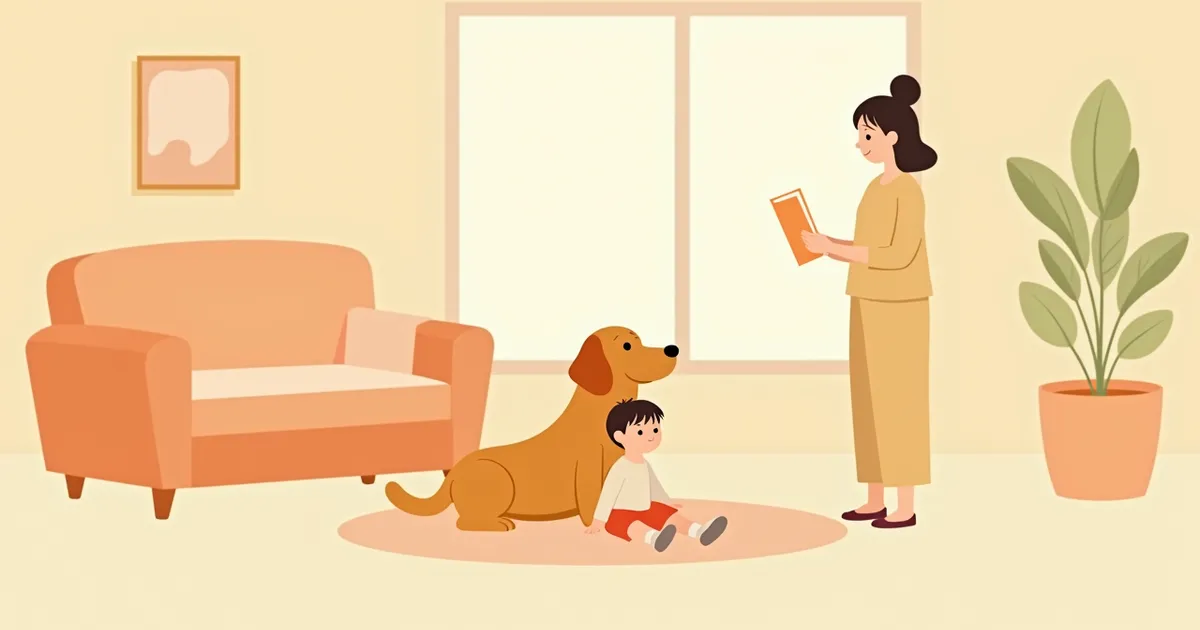
We’ve compiled the key strategies for preventing dog bites in households where children and dogs live together. Step by step, we’ll cover everything from early warning signs of a potential bite to how to educate your child and what guidelines parents should follow.
What Is Dog Bite Prevention?
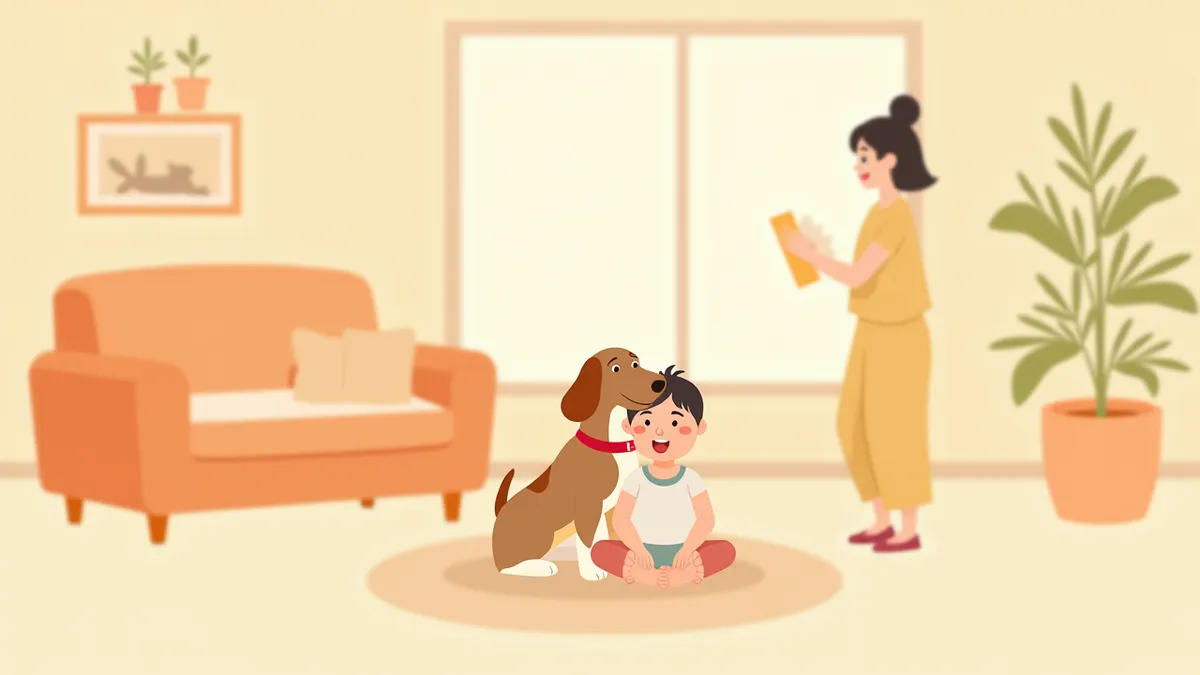
Warning Signs Before a Dog Bite — Stop When You See These Body Signals

Situations to Absolutely Avoid — 3 Mistakes Even Adults Make
The three situations with the highest risk of biting are when a child suddenly wakes up or hugs a sleeping dog, touches a dog while it is eating, or is left alone to approach a dog that is in pain or injured. Even the gentlest puppy can react instinctively in these situations.
Best Dog Bite Prevention Methods Compared — Which Method Fits Your Situation?
| Item | Be-a-Tree Training | Touch Cue Training | Safe Space Separation | Behavioral Desensitization Training |
|---|---|---|---|---|
| Main Target | Children (age 3+) | Children + dog | Environmental management | Dog |
| When to Start | From age 3–4 | Anytime | Right after adoption | Recommended during socialization period |
| Preventive Effect | Suppresses immediate reactions | Respects the dog's choice | Physical separation | Long-term reduction of aggression |
| Owner's Role | Guide repeated practice | Set up situations | Design the space | Collaborate with professionals |
| Difficulty | Easy | Moderate | Easy | Difficult (professional needed) |
All methods are more effective when applied together
BEST 1 — "Become a Tree" Training: Instilling the Right Response in Your Child

BEST 2 — Touch Signal Education: Let the Dog Choose First
BEST 3 — Parental Supervision Principles: Never Leave Them Alone, Not Even for a Minute
Go to the Vet Immediately After a Bite
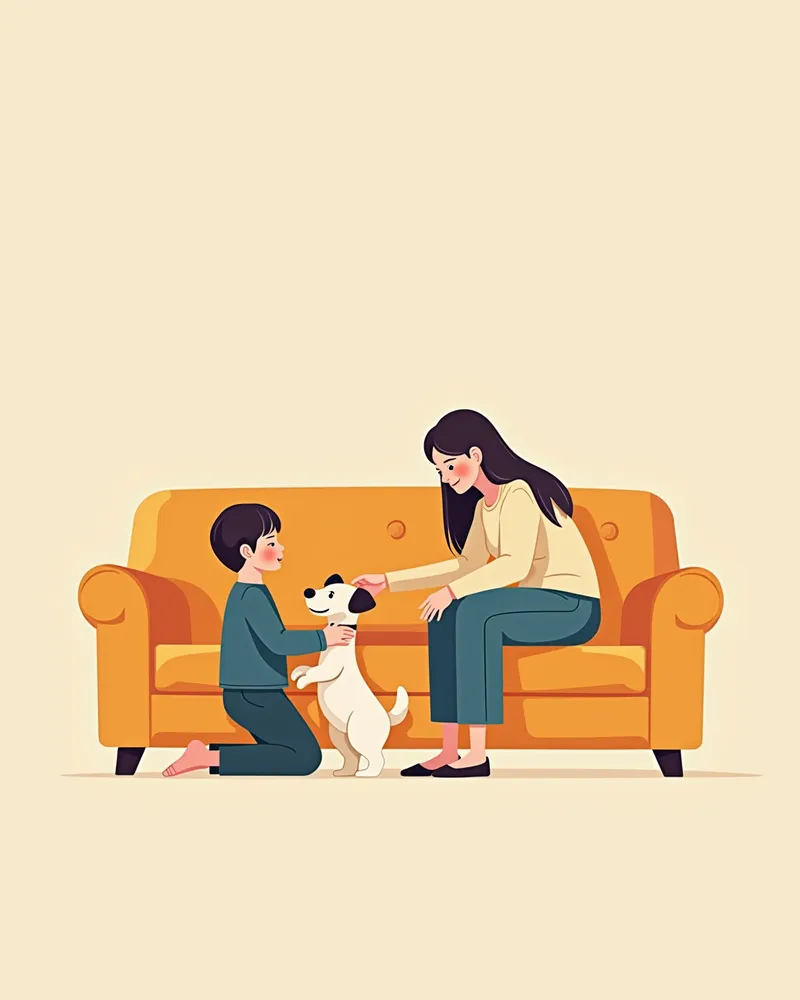
If your pet has been bitten, seek veterinary care immediately, regardless of the wound’s apparent depth. This applies even if the bite was inflicted by another dog. What may look like a minor puncture on the surface can conceal severe internal injuries, such as rib fractures, chest wall damage, or lung perforation. Penetrating wounds to the upper body cavities, particularly the chest and abdomen, often require imaging studies and prompt surgical intervention. Bite wounds typically necessitate thorough cleaning, removal of dead tissue, and antibiotic therapy. Bites to the face or neck demand even more urgent attention. During the visit, your veterinarian will assess the risk of infection and review your pet’s vaccination history.
Reviewed by a veterinarian

Dr. Tony — Punnawat Phongkittirak
VeterinarianA veterinarian who majored in veterinary medicine at Khon Kaen University, Thailand, and completed the IVSA program at North Carolina State University in the United States. Drawing on clinical experience at animal hospitals, he works in the pet healthcare field and is dedicated to building a digital care environment that connects pet parents with veterinarians.
Reviewed 2026-06-01
Frequently Asked Questions
Can a puppy that grew up with a child from an early age still bite the child?
At what age should you start bite-prevention training for puppies?
My dog is unusually aggressive toward my child. Why is that?
How should you prepare your dog before the baby arrives?
Can using a muzzle prevent bite incidents?
Share
Related Guides

7 Behavioral Enrichment Strategies for Mental Stimulation Recommended by Veterinarians

Top 5 Calming Supplements for Dogs and Cats in 2026

L-Theanine Effects and Calming Support
Top 3 Recommended Dog Kidney Support Supplements (Omega-3, etc.) and Selection Criteria

7 Best Prescription Kidney Diets for Dogs Recommended by Veterinarians — How to Choose Based on Phosphorus and Protein
7 Key Points on Dog Kidney Markers — BUN, Creatinine, and SDMA — According to Veterinarians
7 Warning Signs of Dehydration and Kidney Damage in Dogs That Veterinarians Warn About

7 Best Products for Managing Canine Chronic Kidney Disease (CKD) Recommended by Veterinarians and Selection Criteria
7 Best Products and Selection Criteria for At-Home Subcutaneous Fluid Administration in Cats Recommended by Veterinarians

5 Best Omega-3 Kidney Supplements for Cats Recommended by Veterinarians
References
[1] Bergman, L. and Gaskins, L. (2008). Expanding families: preparing for and introducing dogs and cats to infants, children, and new pets. Veterinary Clinics of North America, Small Animal Practice 38(5): 1043-1063.
[2] Levine, E.D. (2023). Pets and the family dynamic. In: Behavior Problems of the Dog and Cat. ed. L. Acker.
[3] Kerns, K.A., Dulmen, M.H., Kochendorfer, L.B. et al. (2023). Assessing children's relationships with pet dogs: a multi-method approach. Social Development 32(1): 98-116.