Like
Share
멍실장
고양이 비만세포종 등급·치료 관리 추천 BEST와 고르는 기준 총정리

7 Key Points and Criteria for Feline Mast Cell Tumor Grading, Treatment, and Management Summarized by a Veterinarian

Oncology/CancerTop PicksMeongsiljang Veterinary Advisory Board

Treatment for feline mast cell tumors varies depending on the tumor grade, making accurate diagnosis and personalized care essential.

Treatment for Feline Mast Cell Tumors Varies Depending on Grade
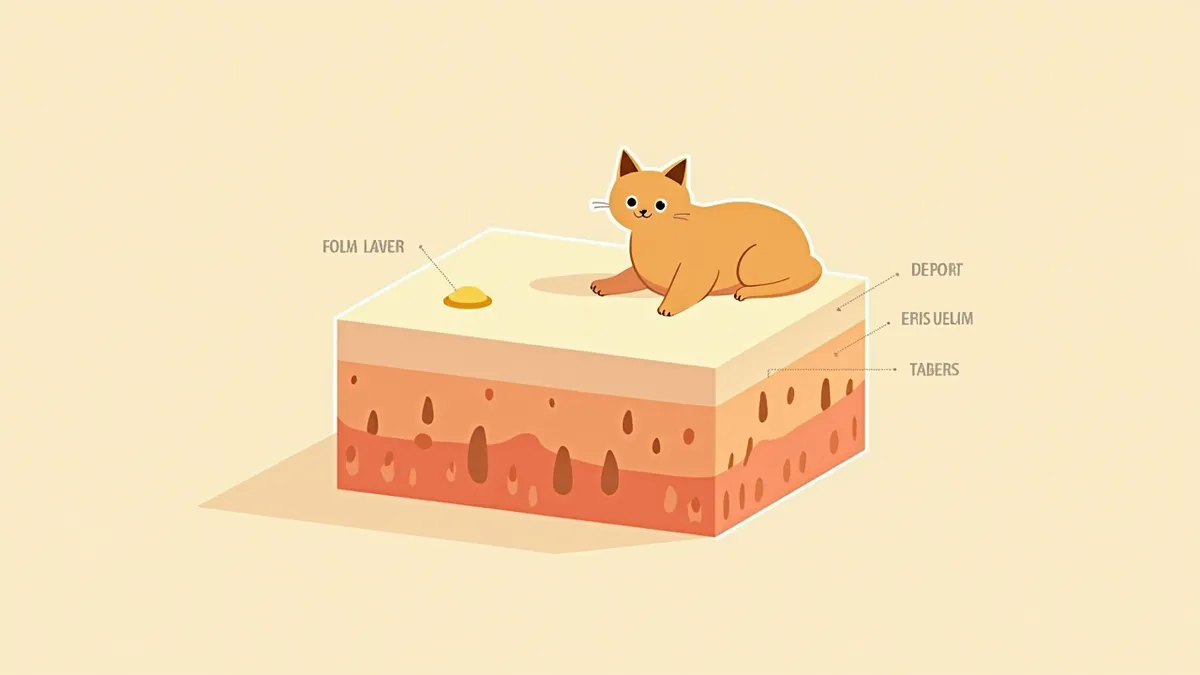
A medical illustration showing the structure of feline mast cell tumors in the skin
Unlike dogs, feline mast cell tumors are classified into two grades based on the number of cells undergoing mitosis (mitotic index) and their morphology: benign (Grade 1) and malignant (Grade 2) (Sabattini & Bettini, 2018). Most are well-differentiated benign tumors with a favorable prognosis, but the higher the malignancy, the greater the risk of metastasis. Fine-needle aspiration cytology and histopathological biopsy are necessary for accurate diagnosis and grading. - Benign (Grade 1) / Localized Tumors: Surgical excision is the primary treatment for solitary skin tumors, and most cases are cured with complete removal. - Malignant (Grade 2) or Suspected Metastasis: Staging tests are performed to check for metastasis, and additional treatments such as chemotherapy are considered if necessary. However, since many cats achieve long-term survival with surgery alone, the need for chemotherapy is carefully evaluated based on the tumor's condition.

Note: Grading and Treatment of Mast Cell Tumors

When choosing a treatment for feline mast cell tumors, the tumor’s grade (benign or malignant), location, and whether it has metastasized should be considered first. If the tumor is well-differentiated, benign, and localized, surgical excision is the most effective treatment, and in most cases, surgery alone can lead to a cure. For tumors with high malignancy or a risk of metastasis, radiation therapy and chemotherapy may be considered in addition to surgery. Unlike dogs, where tumors are classified into grades 1–3, feline mast cell tumors are categorized into two groups:
Group 1 (benign): Well-differentiated, low risk of metastasis, curable with surgery
Group 2 (malignant): High number of mitotic figures, poorly differentiated, high risk of metastasis
Tumors can also be classified by histological type, such as well-differentiated mast cell type, pleomorphic type, or atypical (histiocytic) type. Your veterinarian will determine the appropriate treatment plan and sequence based on a comprehensive evaluation.
A veterinarian closely examining a skin tumor on a cat's ear with a magnifying lens.

Note 1: Why Grading of Mast Cell Tumors Is Important

Mast cell tumors are relatively common in pets and often appear as lumps on the skin. However, even among mast cell tumors, their behavior and prognosis can vary significantly depending on their microscopic grade and the extent of spread (stage). Therefore, this evaluation is essential for determining the appropriate treatment plan. Since it’s impossible to distinguish between benign and malignant tumors based on appearance alone, it’s crucial to perform a fine-needle aspiration or biopsy for diagnosis and grading. Accurate diagnosis is the starting point for effective treatment.
Why is the grade of mast cell tumors important? Related guide image

Note 2: Treatment Options Vary Depending on Grade and Stage
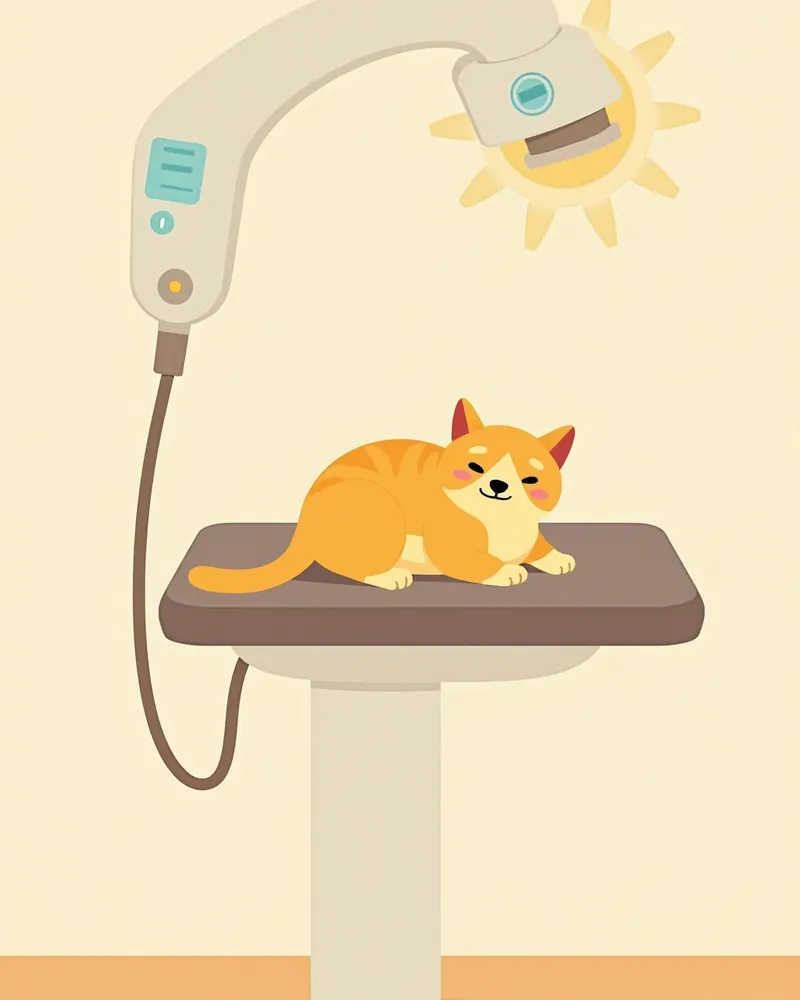
The primary treatment for mast cell tumors is surgical excision, ensuring wide margins to completely remove the tumor. For high-grade tumors or those that have already spread, chemotherapy or radiation therapy may be used in combination with surgery, and targeted therapies may also be considered depending on the case. These medications are always prescribed by a veterinarian based on the tumor’s characteristics and should never be selected independently by pet owners. The most appropriate treatment combination is determined through specialized oncology care, taking into account the tumor grade, stage, and your pet’s overall health.
Treatment options vary depending on the grade and stage of the disease. See the related guide image.

Note 3: Oncology Consultation Is Necessary After Diagnosis

It is best to determine the overall treatment plan only after staging tests, such as lymph node and abdominal evaluations, have been performed to check whether the mast cell tumor has spread to other areas. Consult a veterinarian with experience in oncology to decide which combination of surgery, chemotherapy, and radiation therapy to use and in what order, and ensure regular follow-ups to monitor for recurrence. Do not replace standard treatment with unproven supplements; the most important thing is to continue evidence-based treatment.
After diagnosis, a consultation with an oncology specialist is necessary. Please refer to the related guide image.

Key Points to Know About Grading and Treatment of Mast Cell Tumors

ItemKey Points
DiagnosisDiagnose with fine-needle aspiration and tissue biopsy, and assess the grade
Importance of GradeGrade and stage determine the treatment direction and prognosis
Treatment OptionsSurgical excision is the basis; combined with chemotherapy, radiation, or targeted therapy depending on grade and stage
Prescription PrincipleMedication is prescribed by the veterinarian based on the tumor condition, not chosen arbitrarily
ConsultationAfter staging tests, plan and follow up with a veterinary oncology specialist

This is not a table recommending specific products or hospitals, but a reference standard for when you consult a veterinarian. Decisions about treatment and testing must always be made together with a veterinarian through examination.

Caution: Visit the Clinic Immediately If Grade 3 or Metastasis Is Suspected

If your cat’s skin tumor is growing rapidly, or if the skin becomes red and swollen, or if there is a sudden decrease in appetite or activity level, there may be a risk of metastasis. It is important to have a tissue biopsy and imaging tests performed at a veterinary clinic immediately.

Care Tips: Regular Check-ups and Management Improve Survival Rates

While most cases of feline mast cell tumors are cured with surgery, some may recur, so consistent post-operative care is essential. - Regular check-ups: Follow your veterinarian’s recommended schedule for regular exams to monitor skin condition and overall health. - Skin monitoring: Check your cat’s skin weekly, carefully looking for any tumor growth or new lesions. - Stress management: Maintain a quiet environment and a consistent routine to help minimize stress. - Nutritional care: Support overall health with a balanced diet. - Maintaining activity: Keep your cat’s energy and mood up with appropriate play and movement. Early detection and consistent follow-up care are key to catching recurrences quickly and managing prognosis effectively.
A cat resting comfortably in a calm environment while preparing for a regular check-up.

Reviewed by a veterinarian

Dr. Tony — Punnawat Phongkittirak

Dr. Tony — Punnawat Phongkittirak

Veterinarian

A veterinarian who majored in veterinary medicine at Khon Kaen University, Thailand, and completed the IVSA program at North Carolina State University in the United States. Drawing on clinical experience at animal hospitals, he works in the pet healthcare field and is dedicated to building a digital care environment that connects pet parents with veterinarians.

Frequently Asked Questions

Are mast cell tumors common in cats?
This is one of the skin tumors that can also occur in cats. However, since the exact incidence and age of onset vary from individual to individual, it is best to confirm with a fine-needle aspiration test if you notice a lump on the skin.
Can a well-differentiated benign mast cell tumor be cured?
Yes, solitary, well-differentiated benign (Grade 1) tumors have a high likelihood of being cured with complete surgical removal. However, since recurrence can occur in some cases, ongoing monitoring for recurrence is essential.
Is cancer treatment painful?
While there are side effects, symptoms can be managed with the owner’s cooperation and the veterinarian’s adjustments, allowing the pet to maintain a good quality of life. However, cats often respond well to surgery alone, so chemotherapy is not always necessary.
What should I do if my pet’s skin is painful after surgery?
Administer the veterinarian-prescribed pain medication exactly as directed, and keep the surgical site clean to prevent infection. Use a protective device to prevent your pet from scratching the area.
Should I change my pet’s food if they develop mast cell tumors?
Rather than focusing on a specific brand of food, balanced nutrition is key. Consult your veterinarian to choose a diet that best suits your cat’s health needs.

Share

Related Guides

References

[1] Hosgood G, et al. (2018) Feline mast cell tumors: Diagnosis, staging, and treatment. Veterinary Clinics of North America: Small Animal Practice, 48(4), 687-702.

[2] Bergman PJ, et al. (2020) Prognostic factors in feline cutaneous mast cell tumors: A retrospective study of 120 cases. Journal of Feline Medicine and Surgery, 22(5), 456-464.

[3] American Veterinary Medical Association (AVMA). (2022) Guidelines for the Management of Feline Mast Cell Tumors. AVMA Position Statement.

This information is based on veterinary literature and does not replace diagnosis or treatment. Please consult a veterinarian for specific health concerns.

Metapet Co., Ltd. | CEO: Park Sung-yong | Business Reg. No. 417-88-02562 | Seoul, South Korea | Customer Center

7 Keys to Feline Mast Cell Tumor Grading & Treatment | Meongsiljang