Like
Share
멍실장
강아지 과잉 흥분·충동 조절 불가 관리 추천 BEST와 고르는 기준 총정리

Veterinarian-Recommended Top 7 Management Methods for Canine Excessive Excitement and Impulse Control, Plus Selection Guidelines

Brain & CognitionTop PicksMeongsiljang Veterinary Advisory Board

If your dog overreacts to stimuli and struggles to calm down on their own, you need to manage exercise, training, and nutrition together. Here are the top seven effective management methods for improving impulse control, along with guidelines for choosing the right approach.

What Is Excessive Excitement and Impulse Control Issues in Dogs?
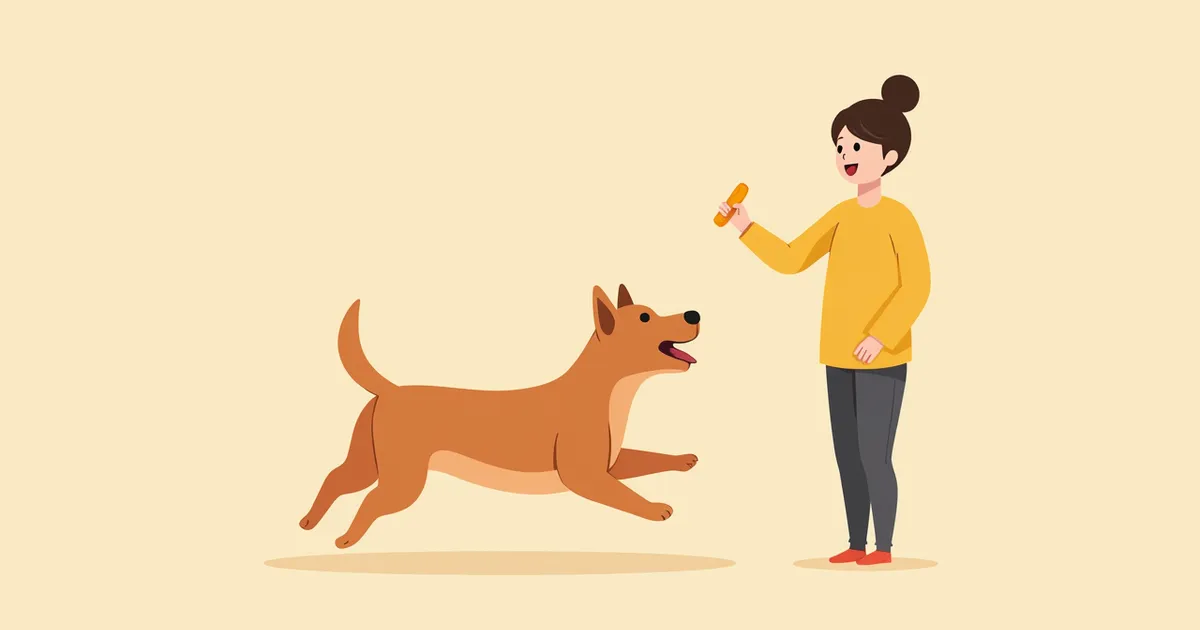
An excited dog and its owner in training
Excessive excitement and impulse control issues in dogs are behavioral problems where the dog overreacts to external stimuli, cannot calm itself down, and continues to exhibit behaviors such as barking, jumping, and biting. This is not simply "distractibility," but rather a fundamental lack of self-regulation ability, so it is important to manage the environment, training, and nutrition together for effective results. If your dog remains overexcited even when you try to control the situation, please follow the recommended management steps below in order.

Why Impulse Control Fails — 4 Causes

Lack of exercise: When energy builds up, the threshold for excitement drops, causing overreactions to even minor stimuli.
Insufficient mental stimulation: Without brain-boosting activities like scent exploration or puzzle play, the brain can become overloaded.
Inadequate socialization: If not exposed to a variety of stimuli during puppyhood, dogs may develop persistent overreactions to new situations.
Genetic predisposition: High-energy breeds such as Border Collies and Jack Russell Terriers naturally have lower thresholds for stimulation.

Rule Out Medical Causes First

If your pet suddenly becomes highly agitated or exhibits self-harm, compulsive behaviors, or seizures, it may indicate a neurological or endocrine disorder rather than a behavioral issue. In such cases, medical treatment should take precedence over training. Any sudden behavioral changes occurring within one to two weeks warrant an immediate veterinary examination.

Recommended Impulse Control Management BEST 1–4
BEST 1 — Increase daily exercise: The foundation is regular aerobic exercise to help your dog burn off built-up energy. Insufficient activity can lead to overreactions to minor stimuli. Consult your veterinarian to determine the appropriate exercise amount based on your dog’s breed, age, and physical condition.
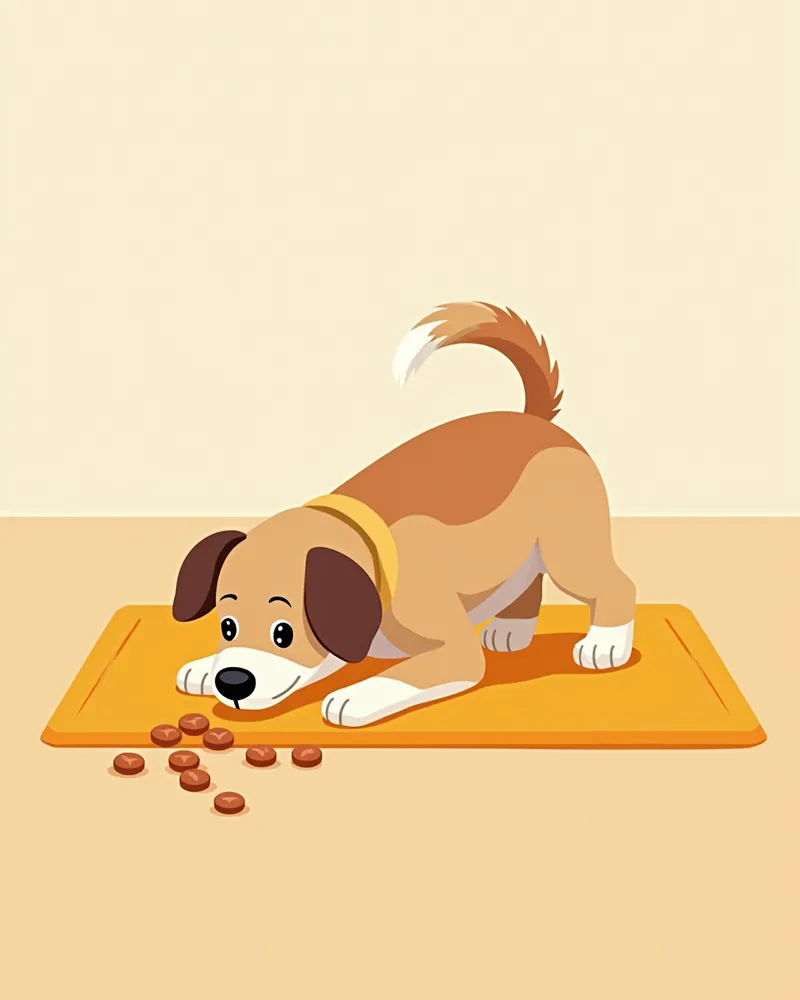
BEST 2 — Nose work and puzzle toys: Scent exploration and puzzle feeders engage the brain, promoting mental fatigue and focus. Replacing part of mealtime with nose work can naturally enhance concentration.
BEST 3 — Basic “sit” and “stay” training: Conduct short, repetitive sessions of 5–10 minutes daily. Teaching alternative behaviors instead of excitement through basic training is an effective starting point for impulse control.
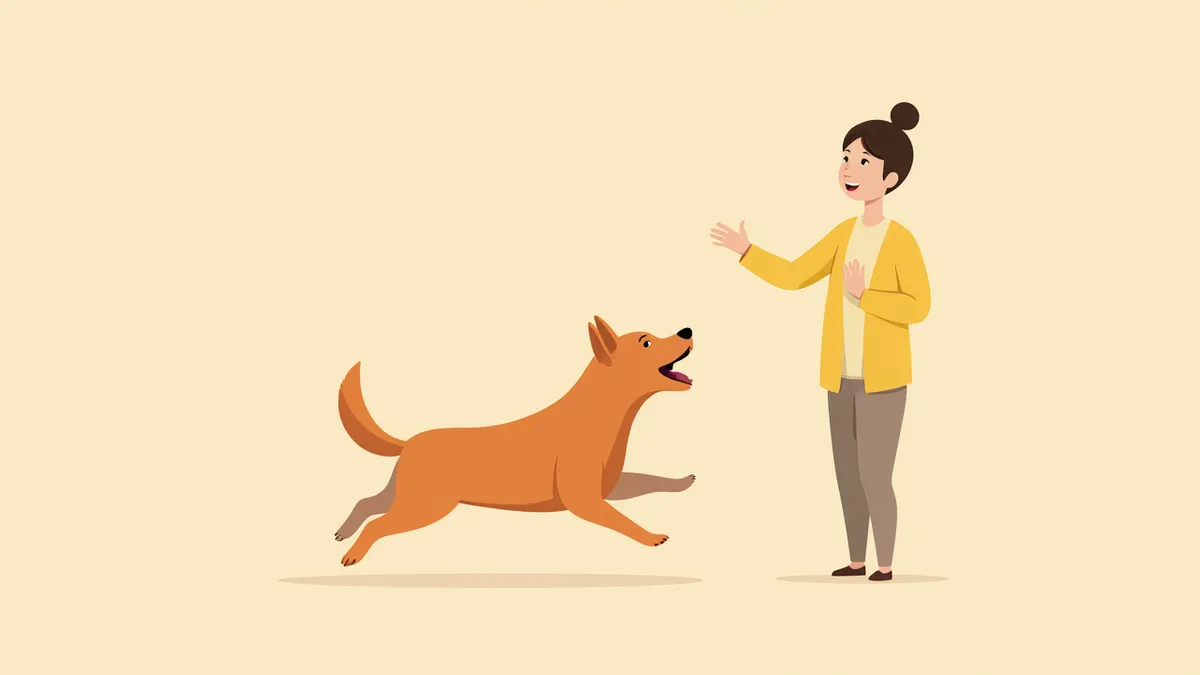
BEST 4 — Reinforce calm behavior: The key is positive reinforcement—ignoring excited behaviors and rewarding calm moments with praise and treats. Positive reinforcement effectively modifies behavior without the side effects associated with punishment-based methods.
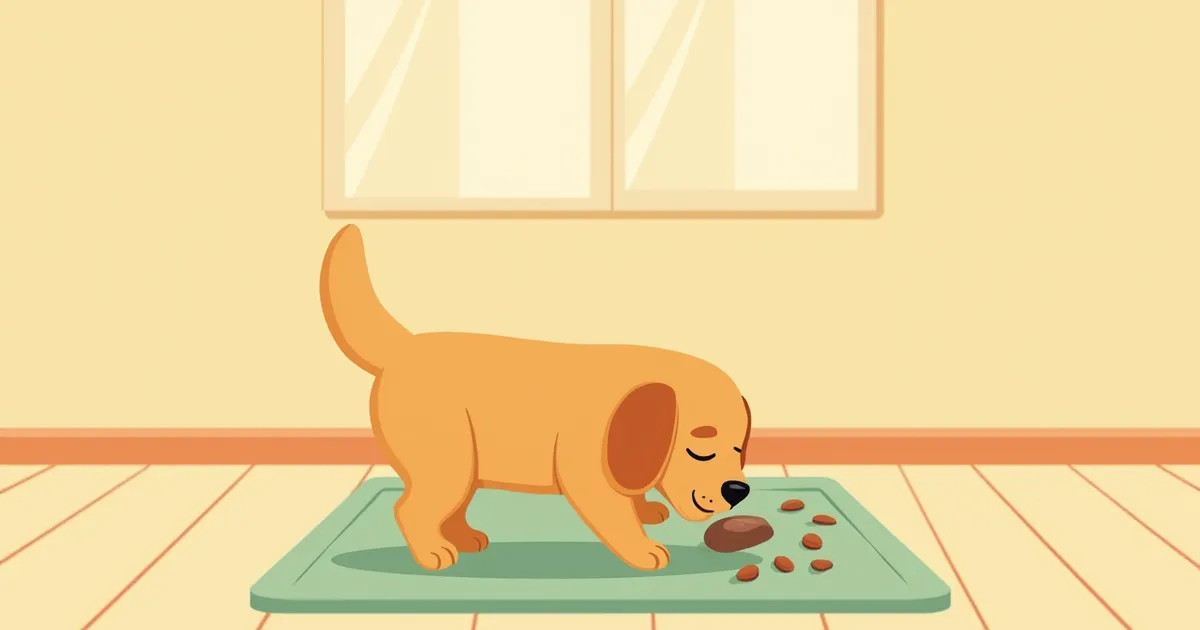
Puppy nose work training

Recommended Impulse Control Management BEST 5–7
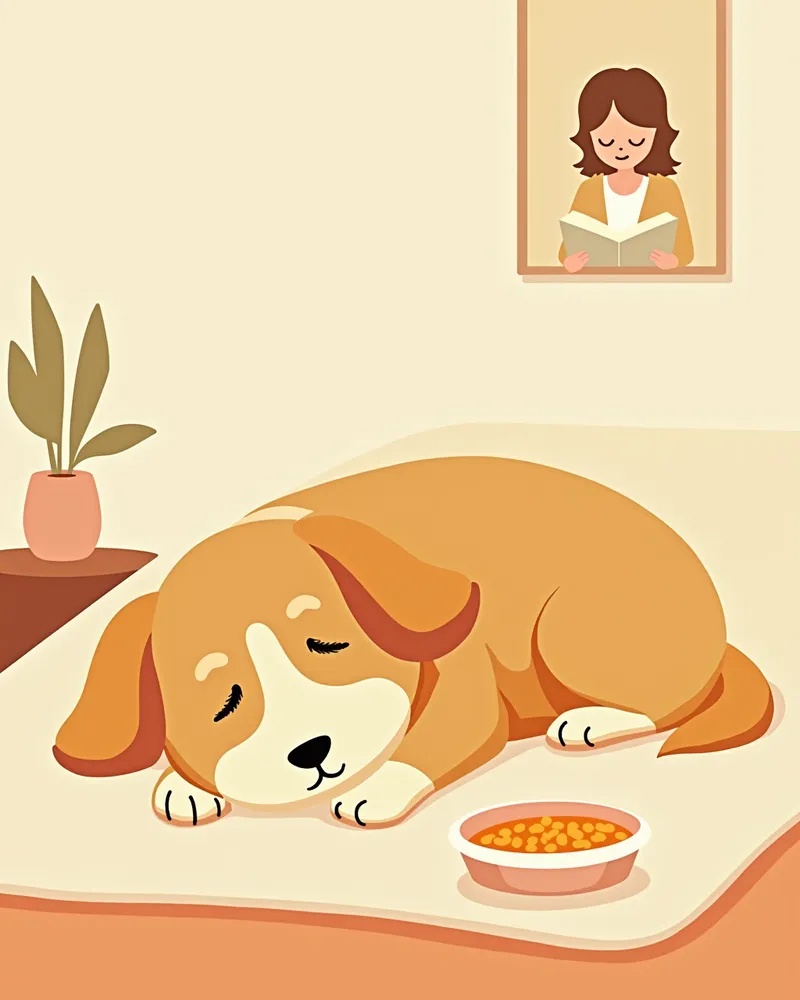
BEST 5 — Establish a structured daily routine: Keeping meal, exercise, and rest times consistent each day helps your dog anticipate what comes next, promoting a sense of stability and calm.
BEST 6 — Utilize calming supplements: Some calming supplements, such as L-theanine and alpha-casozepine, may be used as adjuncts. However, effectiveness varies by individual, and they are unlikely to produce strong effects on their own. Always consult your veterinarian before starting any supplement.
BEST 7 — Consult a veterinary behavior specialist: If training alone does not improve the behavior, or if aggression or self-harm is present, consultation with a veterinary behavior specialist is necessary. A specialist can identify the underlying cause and, if needed, prescribe behavior-modifying medication.
A calm and stable appearance of the puppy

Comparison of Effectiveness, Difficulty, and Cost by Management Method

ItemImprovement EffectDifficultyMonthly Cost
Increase Daily ExerciseHighLowFree
Nose Work & Puzzle ToysHighLow₩10,000–30,000
Basic Training (Sit, Stay)Very highModerateFree–professional cost
Calming SupplementsAuxiliaryLow₩20,000–50,000/month
Veterinary Behavior ConsultationVery highHigh₩50,000–150,000/session

Effects vary between individuals. Combining multiple methods increases effectiveness.

Criteria for Choosing the Right Approach for Your Dog

By Age: Puppies may naturally exhibit high activity levels as part of their development. If excessive excitement persists into adulthood, proactive management is necessary.
By Breed: For high-energy breeds, prioritize sufficient physical exercise and mental stimulation. For other breeds, aim for a balanced approach to mental enrichment and socialization.
By Behavior Intensity: Mild excitement can be managed through exercise and basic training. If aggression or self-harm is present, consult a veterinary behaviorist first.
By Onset Timing: If the behavior change is sudden, rule out medical causes such as neurological or endocrine disorders first.

Mistakes That Backfire — Common Owner Errors
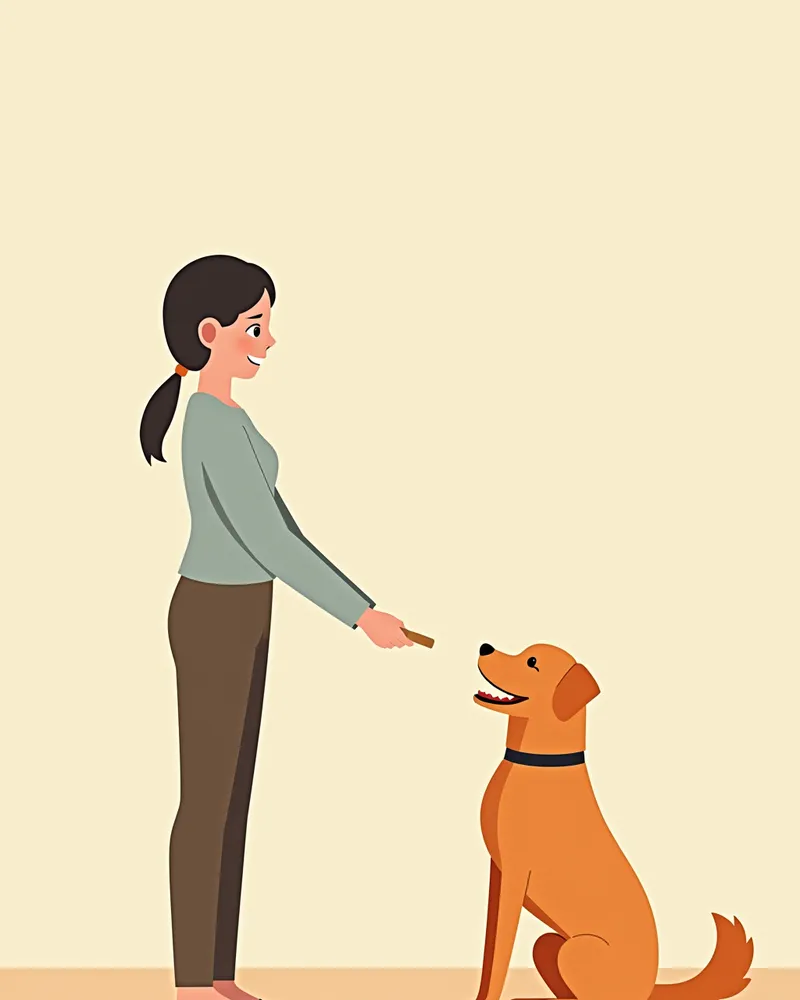
Attention-seeking during excitement: Simply reacting to unwanted behavior can act as a reward. Ignoring the behavior is key.
Inconsistent allowances: Allowing jumping on some days and scolding on others confuses your dog.
Excessive punishment: Yelling or using physical force increases anxiety and worsens the problem.
Training sessions that are too long: Short, frequent sessions of 5–10 minutes are far more effective than one 20-minute session.
A calm dog receiving rewards from its owner

High-Energy Breeds Have Different Standards

Herding breeds like Border Collies and Australian Shepherds, as well as other high-energy breeds, are known to be predisposed to repetitive behaviors. For these dogs, it’s important to ensure they get plenty of daily exercise and engage in activities that challenge both their minds and bodies, such as agility or frisbee. Simply increasing physical activity often isn’t enough; incorporating mental stimulation is key.

Reviewed by a veterinarian

Dr. Tony — Punnawat Phongkittirak

Dr. Tony — Punnawat Phongkittirak

Veterinarian

A veterinarian who majored in veterinary medicine at Khon Kaen University, Thailand, and completed the IVSA program at North Carolina State University in the United States. Drawing on clinical experience at animal hospitals, he works in the pet healthcare field and is dedicated to building a digital care environment that connects pet parents with veterinarians.

Frequently Asked Questions

Will my dog's excessive excitement naturally improve as they get older?
While some dogs naturally become calmer as they age, those who haven’t learned self-control often struggle to improve even as adults. Establishing basic training and a consistent exercise routine from an early age is essential.
What kind of nose work toy should I choose first?
Start with a low-difficulty snuffle mat. If it’s too hard or too easy, your pet will quickly lose interest. Gradually increasing the difficulty as they build successful experiences is the most effective approach.
Are calming supplements really effective? Do they cause dependency?
Supplements like L-theanine and alpha-casozepine may not produce strong effects on their own, but they can be helpful when used alongside training. Since effectiveness and safety vary from pet to pet, please consult your veterinarian before starting. Prescription medications should always be used under professional veterinary guidance.
What’s the difference between a trainer and a veterinary behaviorist?
Trainers specialize in behavior modification and obedience training. Veterinary behaviorists are licensed veterinarians who rule out medical causes, prescribe medication, and treat complex behavioral disorders. If your pet exhibits aggression, self-harm, or compulsive behaviors, you’ll need a veterinary behaviorist.
Shouldn't we scold or punish them?
Physical punishment, yelling, and leash jerking may seem to curb behavior in the short term, but they actually increase anxiety and aggression while eroding trust. For impulse control issues, positive reinforcement that rewards calm behavior is the most effective approach.

Share

Related Guides

References

[1] Landsberg, G., Hunthausen, W., and Ackerman, L., Behavior Problems of the Dog and Cat, 3rd edition, Saunders Elsevier, 2013

[2] Simpson, B.S., Landsberg, G.M., Reisner, I.R. et al. (2007). Effects of reconcile (fluoxetine) chewable tablets plus behavior management for canine separation anxiety. Vet Ther. 8(1):18–31

[3] Jensen, J.B.H., Sandøe, P. and Nielsen, S.S. (2020). Owner-Related Reasons Matter more than Behavioural Problems — A Study of Why Owners Relinquished Dogs and Cats to a Danish Animal Shelter from 1996 to 2017. Animals, 10(6), 1064.

[4] Horwitz, D.F. and Mills, D.S. (eds.), BSAVA Manual of Canine and Feline Behavioural Medicine, 2nd edition, BSAVA, 2009

This information is based on veterinary literature and does not replace diagnosis or treatment. Please consult a veterinarian for specific health concerns.

Metapet Co., Ltd. | CEO: Park Sung-yong | Business Reg. No. 417-88-02562 | Seoul, South Korea | Customer Center

7 Best Ways to Manage Dog Overexcitement & Impulse Control | Meongsiljang