Like
Share
멍실장
강아지 분리불안 관리 추천 BEST와 고르는 기준 총정리

Anxious When Left Alone: 7 Ways to Manage Separation Anxiety in Dogs and How to Choose Products

Brain & CognitionTop PicksMeongsiljang Veterinary Advisory Board

We’ve organized effective ways to manage separation anxiety in dogs by training, products, and medications. We’ll guide you step by step, from symptom checks to daily routines.

What Is Canine Separation Anxiety? Definition and Key Management Points
A dog showing signs of anxiety as its owner prepares to leave
Canine separation anxiety, also known as separation-related disorder, is a behavioral issue in which dogs exhibit anxious reactions when separated from their attachment figures, such as their owners. Common symptoms include excessive barking, destructive behavior, and inappropriate elimination. Rather than being a sign of "bad manners," these behaviors often reflect the stress and anxiety the dog experiences during separation. However, this issue is not straightforward. It typically results from a combination of factors, including frustration, generalized anxiety, isolation stress, and confinement anxiety. While excessive attachment may play a role, it does not automatically equate to separation anxiety. Therefore, it is crucial to recognize symptoms early and intervene before they worsen. This article provides evidence-based management strategies, highlighting the top four approaches and offering step-by-step guidance on how to choose the most suitable method for your dog.

Self-Check for Separation Anxiety — 7 Signs to Look For
If you notice these signs recurring, it may be worth considering separation anxiety. However, an accurate diagnosis requires an evaluation by a veterinary behavior specialist.
Vocalization: Persistent barking or whining when you leave.
Destructive behavior: Chewing furniture or scratching doors when left alone.
Inappropriate elimination: Accidents despite being house-trained, occurring only when alone.
Escape attempts: Repeatedly trying to get out through front doors or fences.
Shadowing: Constantly following you around the house like a shadow.
Pre-departure anxiety: Trembling, panting, or whining as soon as you start preparing to leave.
Over-excitement upon return: Extreme excitement even after short absences.
Keep in mind that these behaviors aren't always caused by anxiety. It's important to rule out other potential causes, such as boredom or a natural instinct to explore.
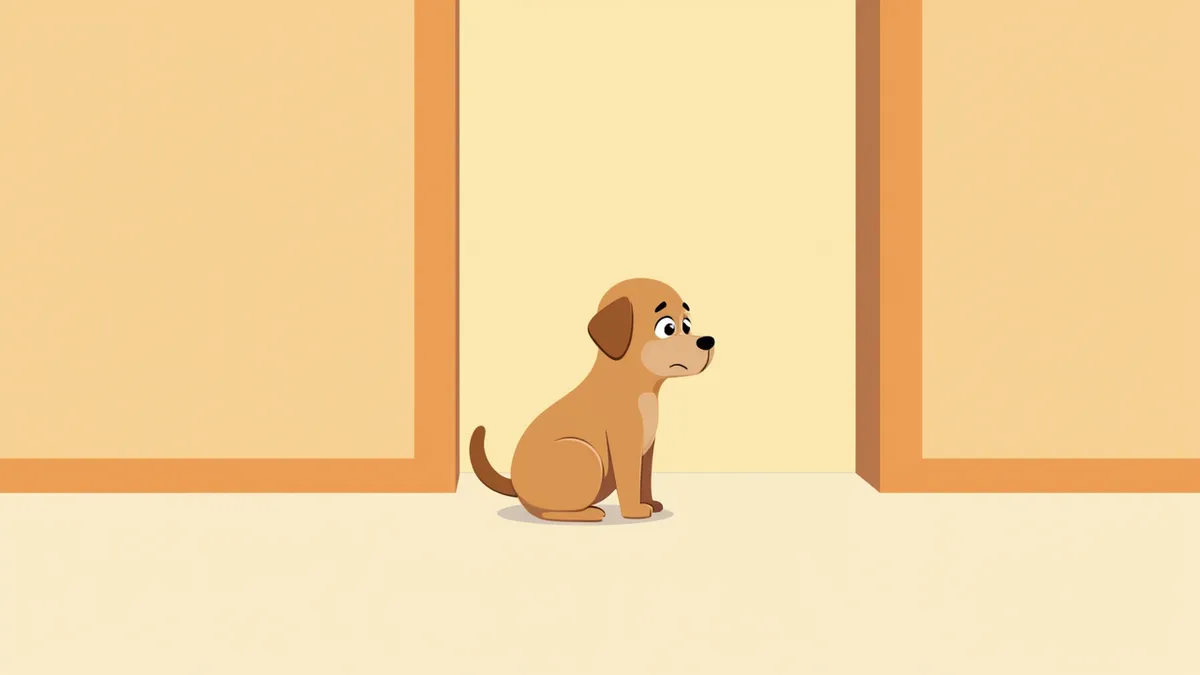
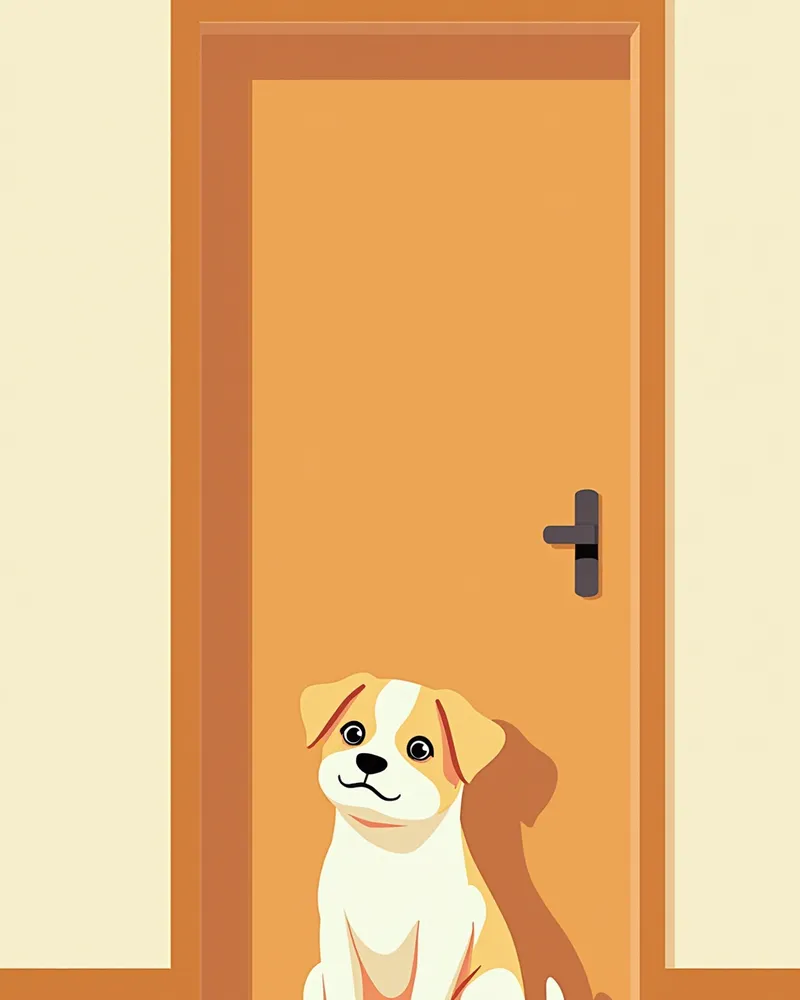
A dog anxiously waiting for its owner at the front door

Signs That Require an Immediate Veterinary Visit

If your pet is engaging in self-harm (such as excessively biting or licking its paws or tail to the point of injury), has refused food for several days, or has developed bleeding in its mouth or paws due to destructive behavior, a prompt veterinary visit is necessary. In such severe cases, behavioral modification alone may not be sufficient, so it is advisable to consult a veterinary behaviorist to discuss whether medication should be used in conjunction with behavioral therapy.

BEST ① Desensitization Training — Step-by-Step Separation Practice
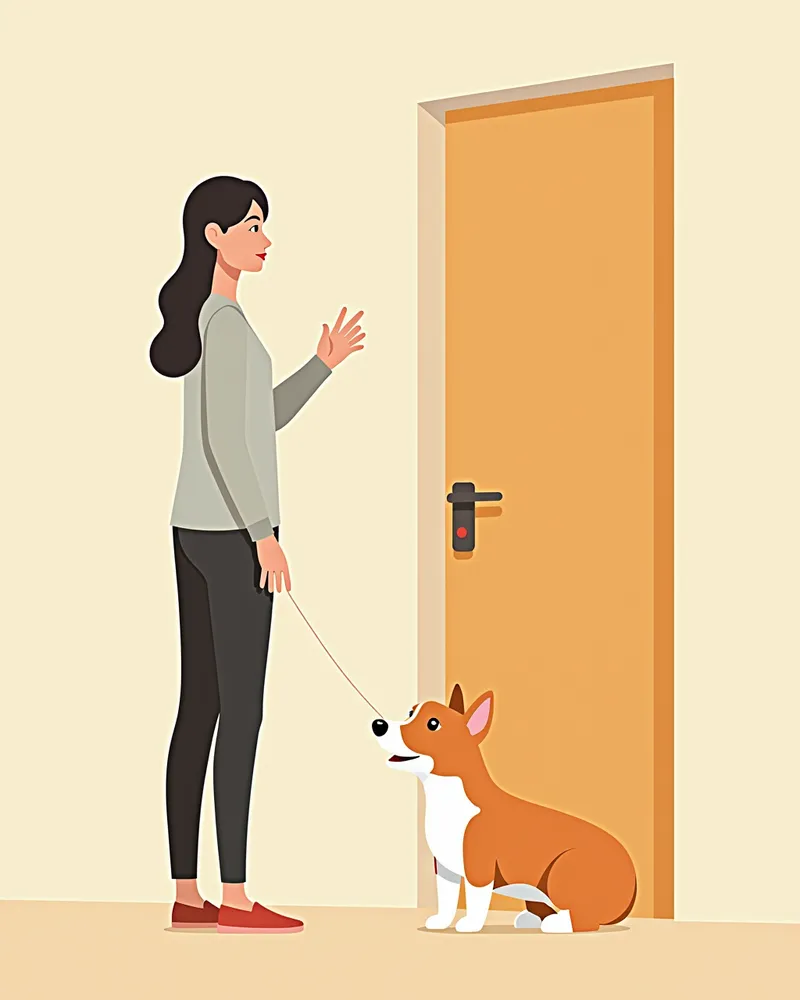
Desensitization is a training method that starts with very brief separations your dog can handle and gradually increases the duration. It is the most evidence-based approach for correcting separation anxiety.
Step 1: Repeat pre-departure cues (such as grabbing keys or a bag) until your dog no longer reacts to them.
Step 2: Stand by the door, then immediately return (5–10 seconds).
Step 3: Close the door, return after 5 seconds, and gradually extend the time.
Step 4: Expand to actual short departures.
If you notice signs of anxiety, immediately go back to the previous step. The key is to avoid forcing progress.
A pet owner and puppy practicing step-by-step separation training

BEST ② Counterconditioning — Making 'Alone Time = Good Things'

Counterconditioning is a technique that pairs alone time with high-value rewards to shift your pet’s emotions toward positivity. It works best when combined with desensitization.
Using a Kong: Prepare a special filling reserved exclusively for when you leave.
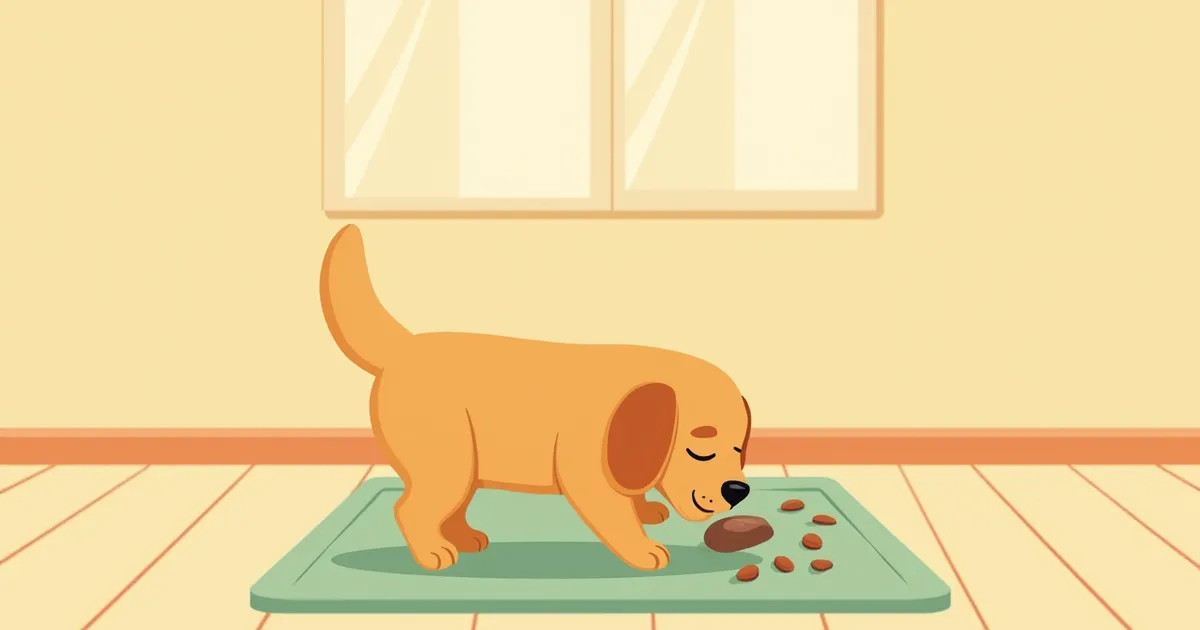
Scatter feeding: Spread kibble on the floor so your pet has to forage for it.
Snuffle mat: Use scent-based activities to engage their focus.
Avoid overly enthusiastic greetings right before leaving or immediately upon returning. Keeping your departures and arrivals calm and low-key is key to successfully completing counterconditioning.
A dog happily playing with a bean toy

BEST ③ Anxiety-Relief Aids — Features by Type and How to Choose

These products can serve as helpful aids when used alongside behavior modification training. However, their effectiveness is limited when used alone; the core of successful management lies in consistent behavior modification and environmental enrichment.
Pressure Vests: The gentle, full-body pressure provided by these vests is known to promote a sense of calm. It’s best to gradually acclimate your dog to wearing the vest through positive training sessions before using it in stressful situations.
Synthetic Pheromones (Adaptil): These products replicate the calming pheromones naturally produced by nursing mother dogs and are available in diffuser, collar, and spray formats.
Anxiety-Relief Supplements: Treats and nutritional supplements containing ingredients like tryptophan and L-theanine are available. Since individual responses vary, please consult your veterinarian before starting any new supplement.
Nose Work and Puzzle Toys: Enrichment activities that engage your dog’s sense of smell, such as sniffing, licking, and foraging for treats, can help alleviate boredom and reduce stress during alone time.

Comparison of Separation Anxiety Management Methods — Recommendations by Symptom Stage

ItemDesensitization/CounterconditioningAnxiety-relief supplementPressure vestMedication
Onset of effectGradualVaries by individualWhen wornGradual
Duration of effectLong-termWhile in useWhile wornWhile taking it
Side effectsNoneRelatively fewNonePossible
Suitable casesAll casesAdjunctive useAdjunctive useModerate~severe or high-risk cases
CostLowModerateLowHigh

Medication requires a veterinary prescription

When Medication May Be Needed Alongside Behavioral Modification

If behavioral modification training alone doesn’t lead to improvement or if the symptoms are severe, you may consider medication after consulting with your veterinarian. For separation anxiety, medications such as fluoxetine, which acts on serotonin, or clomipramine may be prescribed. Please note that it can take time for these medications to take effect. Additionally, as anxiety worsens, the response to medication may slow down, and a higher dosage might be required. Medications are most effective when used in conjunction with behavioral modification training.

BEST ④ Daily Management Routine — Habits That Help Prevent Separation Anxiety
Adequate exercise: Tire out your pet’s energy with at least 30 minutes of walking before you leave.
Independence training: Practice short periods of alone time every day, even when you’re home.
Calm greetings: A calm demeanor when leaving or returning is more helpful than overly emotional farewells or reunions.
Consistent routine: Keep departure and return times as consistent as possible.
Create a safe space: Train your pet to see a crate or specific area as a safe haven.
This routine is also effective in preventing separation anxiety. The earlier you start, the better.
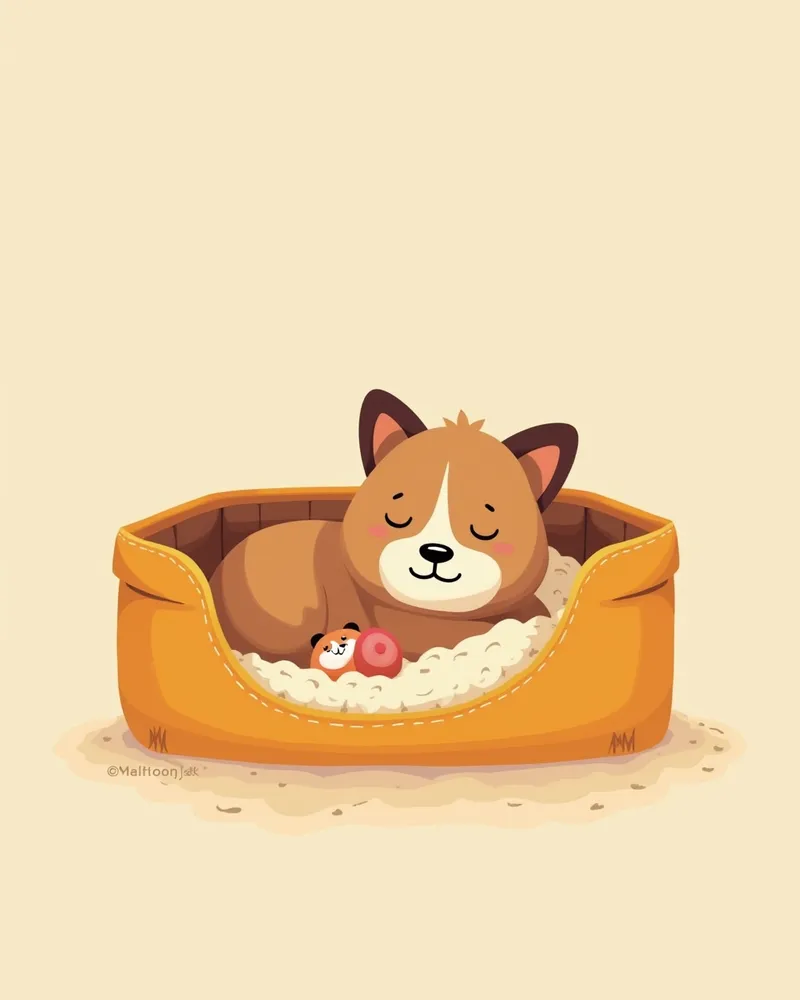
A puppy resting comfortably inside a kennel

Reviewed by a veterinarian

Dr. Tony — Punnawat Phongkittirak

Dr. Tony — Punnawat Phongkittirak

Veterinarian

A veterinarian who majored in veterinary medicine at Khon Kaen University, Thailand, and completed the IVSA program at North Carolina State University in the United States. Drawing on clinical experience at animal hospitals, he works in the pet healthcare field and is dedicated to building a digital care environment that connects pet parents with veterinarians.

Frequently Asked Questions

Can a dog’s separation anxiety resolve on its own?
While some cases may resolve on their own, separation anxiety is often difficult to overcome without intervention because it stems from a complex mix of factors such as frustration and isolation stress. It is more effective to recognize the symptoms early and begin a structured behavior modification program.
Will having two dogs resolve separation anxiety?
Not necessarily. Since separation anxiety is primarily triggered by being separated from the owner (the attachment figure), symptoms often persist even if another dog is present. In fact, both dogs may become anxious together.
How long does it take to train a dog with separation anxiety?
The recovery time varies greatly depending on the severity of symptoms and individual circumstances. Mild cases may improve relatively quickly, while severe cases can take several months or longer. Consistent, short daily sessions are far more effective than occasional, longer ones.
Can crate training help with separation anxiety?
Training your dog to see the crate as a safe space in advance can be helpful. However, some dogs may experience heightened anxiety when confined in a crate, so it’s essential to check each dog’s individual reaction before using one.
What should I do if my pet is left alone for more than 8 hours a day?
Leaving your dog alone for more than eight hours a day can worsen separation anxiety. Combining training with practical solutions—such as hiring a dog walker, enrolling your pet in daycare, or coming home during your lunch break—can be highly effective.

Share

Related Guides

References

[1] Veterinary Guide to Preventing Behavior Problems in Dogs and Cats. Wiley-Blackwell.

[2] Introduction to Animal Behavior and Veterinary Behavioral Medicine. Chapters 5, 15, 17.

This information is based on veterinary literature and does not replace diagnosis or treatment. Please consult a veterinarian for specific health concerns.

Metapet Co., Ltd. | CEO: Park Sung-yong | Business Reg. No. 417-88-02562 | Seoul, South Korea | Customer Center

Dog Separation Anxiety: 7 Ways to Manage It + How to Choose | Meongsiljang