Like
Share
멍실장
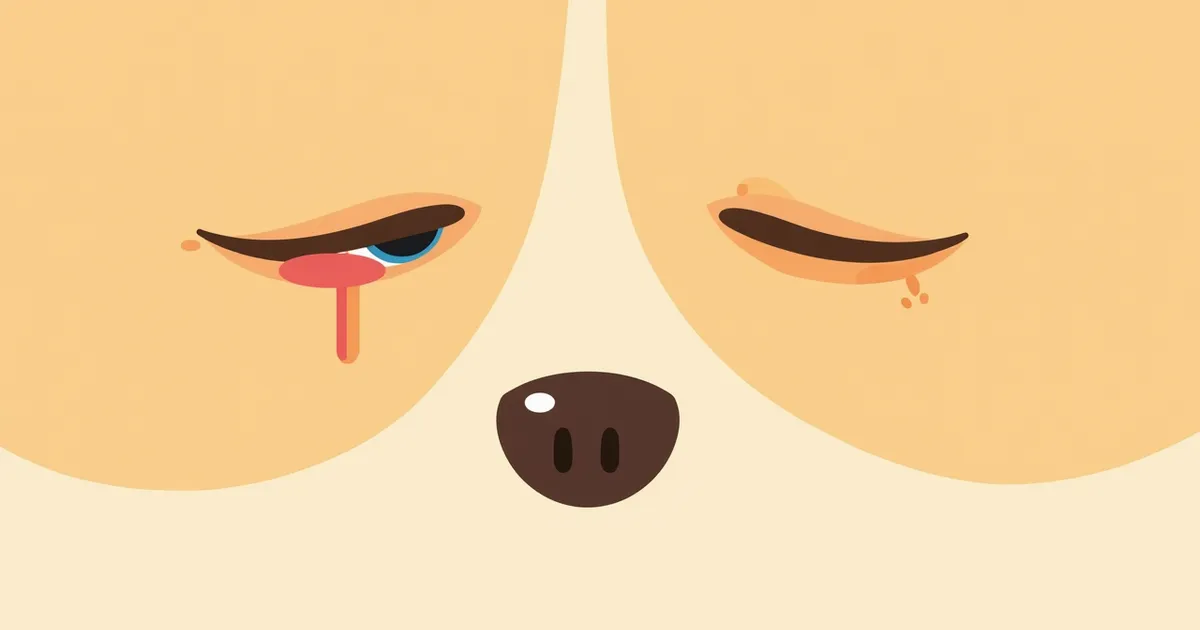
강아지 건성 각결막염 증상이 나타난 눈의 실물감 있는 이미지

7 Key Management Tips for Canine Keratoconjunctivitis Sicca (KCS) from a Veterinarian

Eye HealthTop PicksMeongsiljang Veterinary Advisory Board

Keratoconjunctivitis sicca (KCS), commonly known as dry eye, is a condition in dogs where insufficient tear production leads to dryness and inflammation of the eyes. Here’s a guide on how to choose effective management products, along with our top three recommendations.

Keratoconjunctivitis Sicca (KCS) in Dogs Is an Eye Condition Caused by Insufficient Tear Production

Real-life images of symptoms of dry keratoconjunctivitis in dogs
Keratoconjunctivitis sicca (KCS), commonly known as dry eye in dogs, is a condition in which insufficient tear production leads to ocular dryness and potential corneal damage. If left untreated, it can progress to vision impairment or corneal ulcers. Early detection and proper management are crucial. The first step is obtaining an accurate diagnosis from a veterinarian. Products that support tear production and contain protective film-forming ingredients are recommended. It’s also important to consider safe ingredient combinations and ease of use.

Key Facts: Managing Keratoconjunctivitis Sicca (KCS)
- Promotes tear production: Look for ingredients that stimulate tear secretion to support natural tear production. - Forms a moisturizing barrier: Creates a film on the eye surface to retain moisture and relieve dryness. - Soothes inflammation: Should contain ingredients that reduce redness and itching in the eyes. - Safe ingredient combination: Choose products formulated exclusively with ingredients safe for dogs. - Easy to use: A design that allows for easy direct application into the eye is ideal. - Suitable for long-term use: Opt for products with minimal side effects even when used over extended periods.
A veterinarian examining a puppy's eyes.

Key Fact 1: KCS Is a Condition of Insufficient Tear Production
Keratoconjunctivitis sicca (KCS), commonly known as dry eye, is a condition in which insufficient tear production—particularly of the aqueous layer—leads to dryness and inflammation of the cornea and conjunctiva. Affected pets often exhibit recurrent thick, stringy discharge, redness, and discomfort, along with pigmentary and vascular changes in the cornea or corneal clouding. Because a lack of tears leaves the cornea vulnerable to damage, untreated KCS can progress to corneal ulcers. The most common cause is an immune-mediated disease that attacks the tear glands; other potential causes include certain medications (such as sulfonamides, etodolac, and atropine), trauma, neurological factors, removal of the third eyelid gland, and congenital or genetic predispositions. Rather than dismissing symptoms as simple eye discharge, it is important to confirm the diagnosis with a Schirmer tear test.
Actual product image of the liquid tear substitute

Key Fact 2: Diagnosis and Treatment Options
KCS is diagnosed by measuring tear production with a Schirmer tear test and checking for corneal damage using fluorescein staining. Treatment often involves a combination of artificial tears to supplement insufficient tear production and immunomodulating eye drops (such as cyclosporine) to help stimulate tear secretion. These prescription medications are determined by a veterinarian based on the diagnosis, and they must be used consistently as it takes time for them to take effect. If there is an underlying disease, that should be treated as well. Do not use human eye drops or unverified products without veterinary guidance.
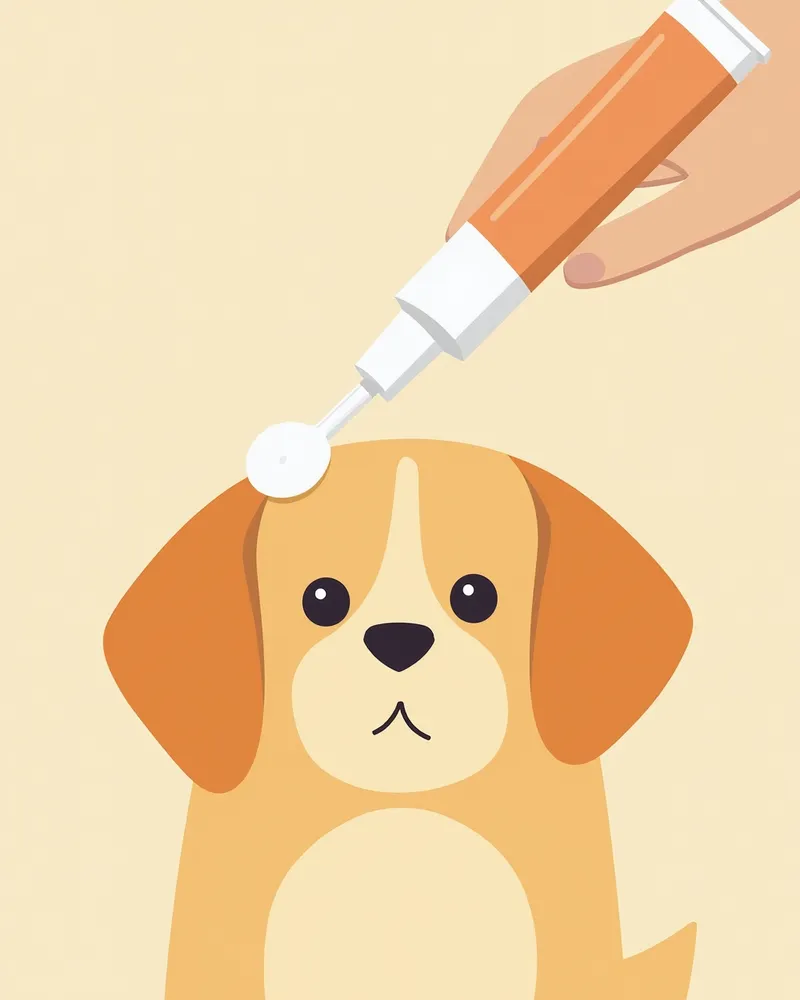
A scene showing the application of a moisturizing coating gel to a dog's eyes.

Key Fact 3: Consistent Management and Monitoring Are Essential

KCS is generally a condition that requires ongoing management rather than a complete cure, so it’s important to continue applying prescribed eye drops as directed, regularly monitor tear production through Schirmer tear tests, and adjust treatment accordingly. Stopping medication without veterinary guidance can lead to a recurrence of symptoms. Keep the eyes clean by gently wiping away discharge, and seek immediate veterinary care if you notice worsening corneal condition or severe pain. With long-term management under your veterinarian’s guidance, you can help protect the cornea and maintain your pet’s eye health.
Actual product photo of the multi-ingredient eye care set

Points to Note About Keratoconjunctivitis Sicca (KCS)

ItemKey Points
ConditionDryness and inflammation of the cornea and conjunctiva due to insufficient tears, with risk of ulceration
SymptomsRecurrent sticky eye discharge, redness, corneal cloudiness, discomfort
Diagnosis & TreatmentDiagnosed with the Schirmer test; prescription of artificial tears plus immunomodulatory eye drops (cyclosporine, etc.)
CautionsIt takes time to work; apply consistently and do not stop on your own; do not use human eye drops
ManagementRegular Schirmer test tracking and medication adjustment; recheck if it worsens

This is not a table recommending specific products or clinics, but a reference for consulting your veterinarian. Treatment and testing decisions must always be made together with your veterinarian through an examination.

Caution: Overuse Can Irritate the Eyes

Using eye drops too frequently can irritate the eyes or worsen the condition. Do not exceed the recommended daily dosage, and always follow your veterinarian’s instructions. If your pet’s eyes become redder or produce more discharge, stop using the drops immediately and visit your vet.

Usage Tip: Ensure Your Dog Accepts It Comfortably
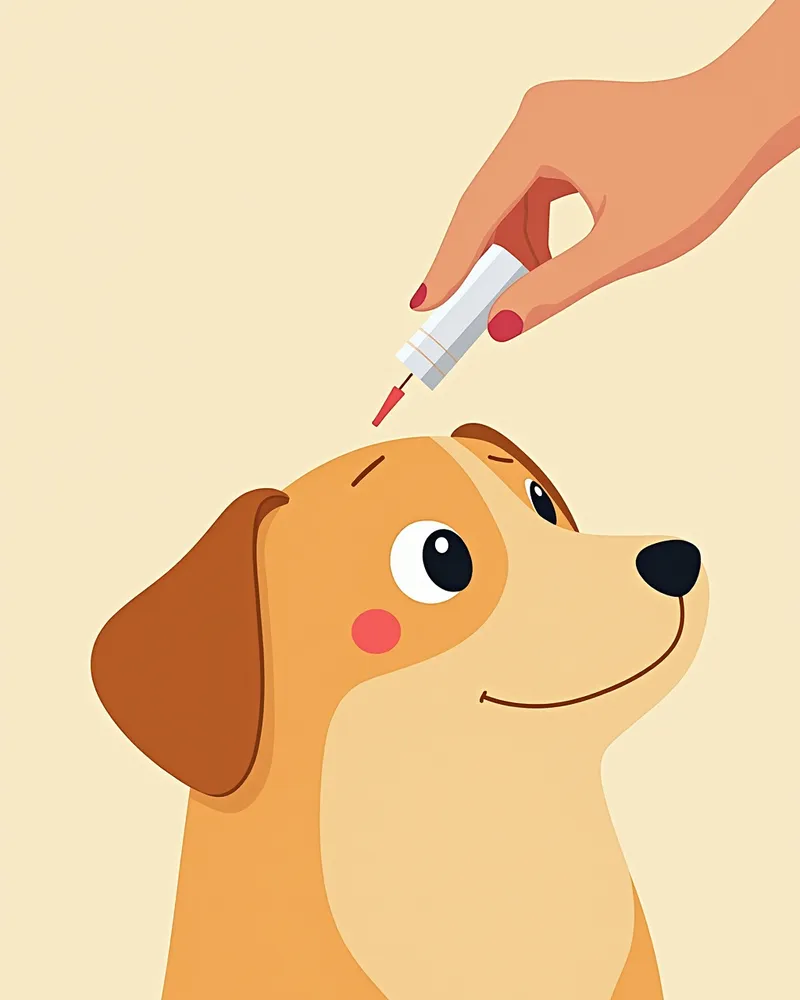
When administering eye drops to your dog, approach gently in a quiet environment. Support their head lightly with one hand, gently lift the eyelid to expose the eye surface, and instill the drops without letting the bottle tip touch the eye. Your dog may startle and move at first, so take your time to help them get used to the process. After applying the drops, prevent rubbing by gently holding their eyes closed for a few moments. If using more than one type of eye drop, administer them sequentially with a time interval between each to avoid diluting their effects. Storing the product in the refrigerator can enhance comfort during application.
A scene of applying artificial tears to a dog's eyes

Reviewed by a veterinarian

Dr. Tony — Punnawat Phongkittirak

Dr. Tony — Punnawat Phongkittirak

Veterinarian

A veterinarian who majored in veterinary medicine at Khon Kaen University, Thailand, and completed the IVSA program at North Carolina State University in the United States. Drawing on clinical experience at animal hospitals, he works in the pet healthcare field and is dedicated to building a digital care environment that connects pet parents with veterinarians.

Frequently Asked Questions

Can dry keratoconjunctivitis in dogs be cured?
While some cases can be completely cured, most require ongoing management. Depending on the underlying cause, medication or surgery may be necessary.
Can I use eye drops multiple times a day?
Do not exceed the number of applications prescribed by your veterinarian. Overuse can irritate the eyes.
What should I do if my dog rubs its eyes after applying eye drops?
Rubbing the eyes can cause irritation or increase the risk of infection. It's best to gently cover the eyes or softly close them.
Can eye drops be stored in the refrigerator?
Most products can be stored in the refrigerator. However, storage instructions may vary depending on the product label, so please check the label for specific guidance.
What should I do if my pet’s eyes don’t improve even after using eye drops?
If your pet’s eyes become redder or produce more discharge, consult your veterinarian right away. There may be another underlying cause.

Share

Related Guides

References

[1] Esson, D. W., & Calvarese, S. (2022). Clinical Atlas of Canine and Feline Ophthalmic Disease, 2nd Ed. John Wiley & Sons, Inc.

[2] Plumb's Veterinary Drug Handbook, 9th Ed. (2022). Wiley-Blackwell.

[3] Veterinary Ophthalmology, 5th Ed. (2021). Wiley-Blackwell.

This information is based on veterinary literature and does not replace diagnosis or treatment. Please consult a veterinarian for specific health concerns.

Metapet Co., Ltd. | CEO: Park Sung-yong | Business Reg. No. 417-88-02562 | Seoul, South Korea | Customer Center

Canine Keratoconjunctivitis Sicca (KCS): 7 Vet Care Tips | Meongsiljang