Like
Share
멍실장
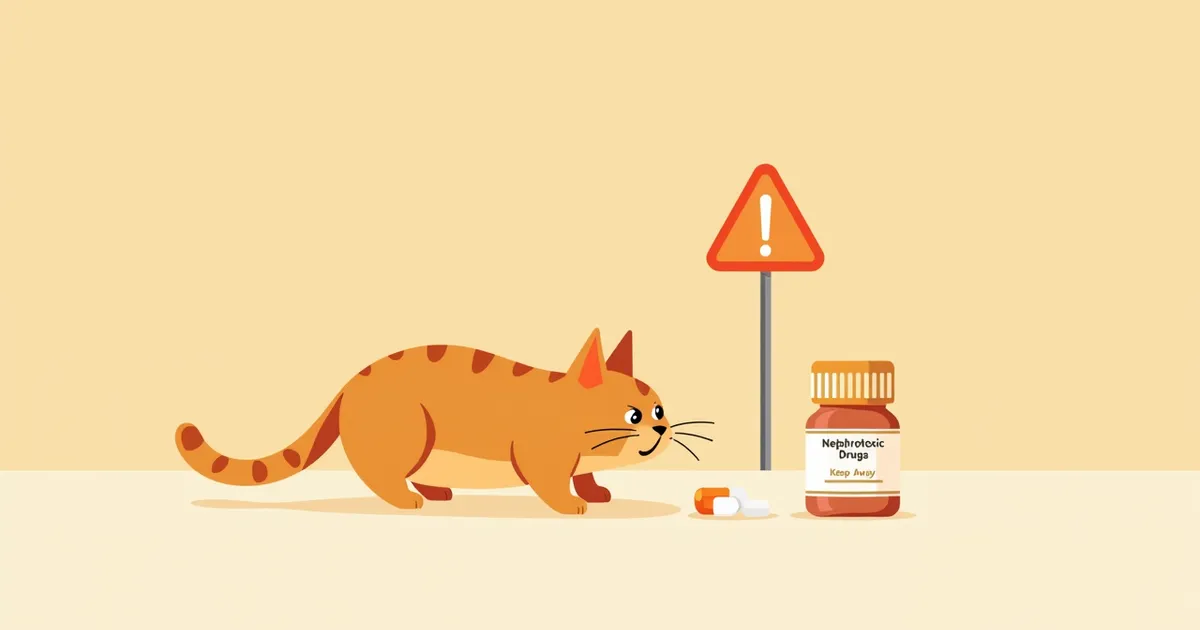
강아지가 신독성 약물이 적힌 병을 조심스럽게 맡는 모습

7 Nephrotoxic Drugs and Substances That Damage Your Dog’s Kidneys, Warned by Veterinarians

KidneyTop PicksMeongsiljang Veterinary Advisory Board

It’s important to accurately identify medications and substances that can damage your dog’s kidneys, and to choose safe management methods. This article outlines recommended products and selection criteria, taking into account nephrotoxic risks.

What Is Managing Nephrotoxic Drugs and Substances in Dogs?

A medical illustration showing a puppy’s kidneys with a red warning sign around them.
Managing nephrotoxic drugs and substances in dogs involves recognizing materials that can harm the kidneys and either using them safely or avoiding them altogether. Dogs are uniquely susceptible to certain substances, meaning even small amounts can place a significant burden on their kidneys. - Acetaminophen: This human pain reliever can be dangerous for dogs, so it should not be used without veterinary guidance. - Nonsteroidal anti-inflammatory drugs (NSAIDs): While used for pain relief, excessive amounts of certain NSAIDs like ibuprofen can damage the proximal tubules, potentially leading to acute kidney injury characterized by oliguria or anuria. - Certain antibiotics: Specifically, aminoglycoside antibiotics can cause kidney damage, so caution is needed to avoid combining them with other nephrotoxic drugs. - Lilies, grapes, and raisins: Lily plants can damage renal tubular cells, while grapes and raisins may cause vomiting and acute kidney injury (AKI). Therefore, it is important to approach everyday substances with care.

Key Takeaway: Managing Nephrotoxic Drugs and Substances in Dogs
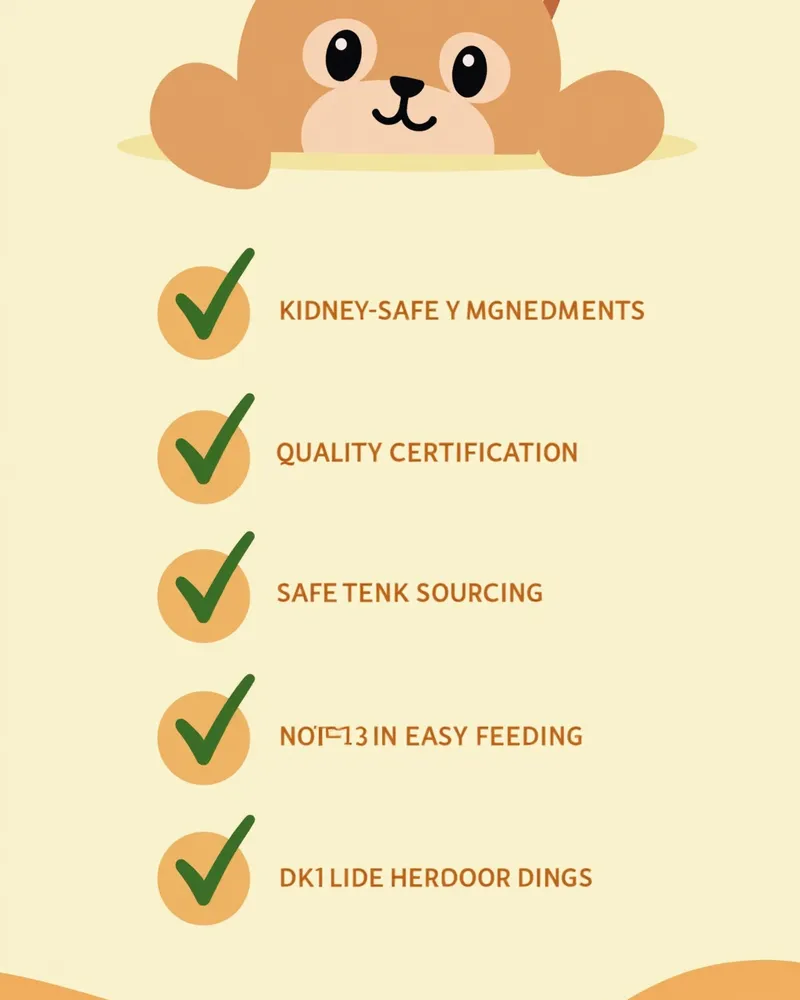
Protecting your dog’s kidney health requires careful product selection. Be sure to check the following criteria:
Check active ingredients: Always verify that the product does not contain ingredients particularly dangerous to dogs, such as acetaminophen or nonsteroidal anti-inflammatory drugs (NSAIDs).
Veterinarian-recommended products: Products recommended by veterinarians have often been verified for both safety and efficacy.
Ingredient purity and sourcing: Choose products with high-purity natural or synthetic ingredients.
Duration and frequency of use: If long-term use is necessary, administer the product at appropriate intervals to minimize stress on the kidneys.
Adverse event reporting system: Confirm that the manufacturer regularly monitors and publicly reports any adverse reactions.
Checklist for Selecting Kidney-Safe Medications

Key Takeaway 1: What Is Nephrotoxicity and What Are the Symptoms?

Nephrotoxicity refers to the property of certain drugs or substances that directly damage kidney cells. Dogs lack a specific transporter (OAT-4) responsible for excreting certain organic acids out of the renal tubules, making their proximal tubules particularly susceptible to damage from these substances compared to other species. Early symptoms are often non-specific, such as decreased appetite, vomiting, and lethargy. As the condition progresses, signs may include excessive thirst and urination, or conversely, reduced urine output, weight loss, and dehydration. Because symptoms can worsen rapidly, it is crucial to seek immediate veterinary care if your dog has been exposed to a suspected nephrotoxic substance.
Image of a container of white powdered supplement that can be mixed into dog food

Key Takeaway 2: Which Substances Are Dangerous and How Are They Diagnosed and Treated?
Lilies (such as lily flowers), human pain relievers like ibuprofen and acetaminophen, certain antibiotics (especially aminoglycosides), ethylene glycol (antifreeze), and grapes or raisins are particularly nephrotoxic to dogs. Diagnosis involves blood tests (BUN, creatinine, SDMA), urinalysis, and ultrasound. Treatment depends on the veterinarian’s assessment and may include removing the causative agent, intravenous fluid therapy, correcting electrolyte imbalances, and dialysis when necessary. Prompt treatment immediately after exposure significantly impacts the prognosis.
Image of a liquid supplement bottle and syringe, with a dog drinking it.

Key Takeaway 3: Home Prevention, Management, and Veterinary Consultation Are Key
The most important preventive measure is to store human medications, ornamental lilies, and chemicals such as cleaning agents and antifreeze in areas inaccessible to dogs. For dogs with already compromised kidney function, a prescribed diet and regular blood and urine tests are essential. Do not administer "kidney-protective supplements" sold online without consulting your veterinarian, as their efficacy is unproven and they may instead place additional strain on the kidneys. Always follow your veterinarian's instructions for any medication prescriptions or dosage adjustments.
An image of a blue capsule that is easy for dogs to swallow.

What Pet Owners Should Know About Nephrotoxic Drugs and Substances in Dogs

ItemKey Points
ConditionKidney cell damage can progress to acute or chronic renal failure
CausesLilies, human pain relievers, antifreeze, some antibiotics, etc.
SymptomsVomiting, lethargy, polydipsia/polyuria, decreased urination, dehydration
Diagnosis & TreatmentFluid therapy and electrolyte correction after blood and urine tests, decided by the veterinarian
Precautions & ManagementStore hazardous substances separately, do not administer unverified supplements on your own

This is not a table recommending specific products or hospitals, but a reference for when you consult your veterinarian. Decisions about treatment and testing must always be made together with your veterinarian through an examination.

Warning: Medications Strictly Prohibited for Dogs

Acetaminophen, nonsteroidal anti-inflammatory drugs (NSAIDs), and aspirin are extremely dangerous for dogs. These medications can cause kidney damage or even death, so never administer them to your dog.

Usage Tips: Practical Management for Your Dog’s Kidney Health

Even after selecting a product, consistent care remains essential. Try these tips:
Regular check-ups: Monitor kidney function with blood and urine tests every six months.
Encourage water intake: Refresh the water frequently and place multiple bowls around the home to encourage hydration.
Dietary management: Choose a kidney-support formula designed for dogs and reduce sodium intake.
Stress management: Provide a calm, stable environment to help minimize your dog’s stress.
Medication records: Keep a detailed log of all medications and supplements administered, as this will be helpful when consulting with your veterinarian.
Checklist image for tips on maintaining your dog’s kidney health

Reviewed by a veterinarian

Dr. Tony — Punnawat Phongkittirak

Dr. Tony — Punnawat Phongkittirak

Veterinarian

A veterinarian who majored in veterinary medicine at Khon Kaen University, Thailand, and completed the IVSA program at North Carolina State University in the United States. Drawing on clinical experience at animal hospitals, he works in the pet healthcare field and is dedicated to building a digital care environment that connects pet parents with veterinarians.

Frequently Asked Questions

My dog is currently on kidney medication, but suddenly has no appetite. Is this something to worry about?
Loss of appetite can be a sign of declining kidney function. Please do not stop your pet’s medication on your own; consult your veterinarian immediately. Any discontinuation of medication or changes in dosage must be done strictly under veterinary guidance.
I gave my dog a nonsteroidal anti-inflammatory drug (NSAID). Should I take him to the vet?
Yes, it is a very dangerous medication. You should go to the hospital immediately for an examination, and if possible, bring the medication bottle with you.
When should I start giving my pet kidney-support supplements?
Kidney-support supplements haven’t been thoroughly proven for efficacy, and depending on the product, they may even place additional strain on the kidneys. If you suspect your pet’s kidney function is declining or it’s time for a routine checkup, it’s best to consult your veterinarian before deciding whether to use such supplements.
What medications are safe for dogs?
It’s hard to say that any particular medication is absolutely safe. The safest approach is to use only medications prescribed by your veterinarian, tailored to your dog’s condition and dosed exactly as directed. Please don’t give unverified supplements without first consulting your vet.
Is it safe to give my pet multiple kidney-support supplements at the same time?
Combining medications can increase the risk of side effects. Be sure to consult your veterinarian before deciding whether to administer them together.

Share

Related Guides

References

[1] Cohn LA, Cote E (eds.). Cote’s Clinical Veterinary Advisor: Dogs and Cats, 4th ed. Elsevier, 2020.

[2] Blackwell's Five-Minute Veterinary Consult Clinical Companion, Small Animal Toxicology, 3rd Edition. Wiley-Blackwell, 2021.

[3] DeClementi C. Nonsteroidal antiinflammatory drug toxicosis. In: Cohn LA, Cote E (eds.), Cote’s Clinical Veterinary Advisor, 4th ed. Elsevier, 2020, pp. 695–697.

This information is based on veterinary literature and does not replace diagnosis or treatment. Please consult a veterinarian for specific health concerns.

Metapet Co., Ltd. | CEO: Park Sung-yong | Business Reg. No. 417-88-02562 | Seoul, South Korea | Customer Center

7 Nephrotoxic Drugs & Substances That Harm Dog Kidneys | Meongsiljang