
Like
Share
멍실장
강아지 렙토스피라 신장 침범 관리 추천 BEST와 고르는 기준 총정리

Veterinarian-Recommended Top 7 Management Strategies and Selection Criteria for Puppies with Leptospiral Kidney Involvement

KidneyTop PicksMeongsiljang Veterinary Advisory Board

We provide a comprehensive guide to selecting appropriate products and criteria for managing puppies with leptospiral infection that has affected the kidneys. The key is personalized management in conjunction with veterinary prescriptions.

Leptospiral Kidney Involvement in Puppies Is a Serious Infectious Disease That Causes Impaired Kidney Function

Image illustrating the mechanism of leptospiral renal invasion
When leptospirosis invades the kidneys, it causes inflammation of the kidney tissue (interstitial nephritis), leading to impaired kidney function and difficulties in waste excretion. This condition manifests as acute kidney injury and can progress to chronic kidney disease even after recovery, making early detection and treatment critical. Additionally, leptospirosis is a zoonotic disease that can spread to humans and other animals through contaminated urine, requiring extra caution. The cornerstone of treatment involves veterinarian-administered antibiotics and supportive care such as fluid therapy; severe cases often require hospitalization. Regular monitoring of kidney values, urine output, and weight changes, along with close collaboration with your veterinarian, ensures safe and effective management.

The Key to Managing Leptospiral Kidney Involvement in Puppies Is Kidney Protection and Inflammation Relief
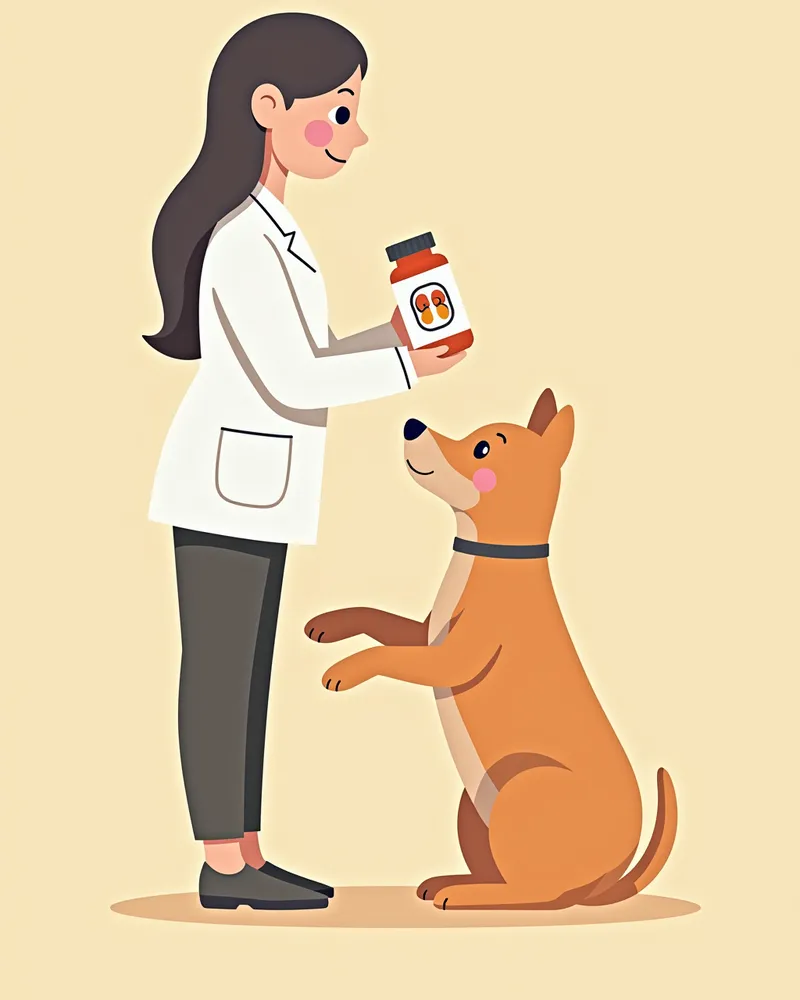
The cornerstone of kidney care after infection is your veterinarian’s antibiotic therapy, along with fluid and supportive care; please remember that nutritional supplements play only a secondary role. However, in dogs with glomerular disease and proteinuria, omega-3 fatty acid supplementation is known to help reduce proteinuria and glomerular damage, thereby slowing the progression of renal failure. Conversely, there is insufficient evidence to support the renal recovery benefits of certain ingredients like glucosamine or lutein, so please do not rely on them blindly and consult your veterinarian before choosing them. Dosages should be adjusted according to your dog’s weight and condition, and as the owner, your consistent administration and close monitoring for any changes in their status are crucial. If vomiting, diarrhea, or loss of appetite occurs during supplementation, stop immediately and visit the clinic. Since recovering kidney function takes time, please manage your pet’s care with patience.
Infographic explaining kidney-support supplements for dogs

BEST 1: High-Concentration Supplements with Enhanced Kidney-Protective Ingredients

- Omega-3 fatty acids: Studies suggest they may help reduce proteinuria and glomerular damage in glomerular diseases accompanied by proteinuria. - Glucosamine: Primarily used for joint health, there is insufficient veterinary evidence to support claims that it promotes kidney cell regeneration or alleviates kidney inflammation. - Lutein: Known as an antioxidant, but no direct evidence has been confirmed regarding its role in recovering from kidney damage caused by leptospirosis. These supplements cannot replace a veterinarian’s antibiotic and fluid therapy and should only be considered as adjunctive support. If used for a recovering dog, strictly adhere to the daily recommended dosage based on body weight, and always consult your veterinarian before long-term use.
BEST 1 Kidney Support Supplement Image

BEST 2: Liquid Supplements Containing Natural Anti-Inflammatory Ingredients

- Apple extract: While known for its antioxidant properties, there is no veterinary evidence supporting its effectiveness in protecting dogs' kidneys. - Blueberry polyphenols: Although they contain antioxidants, there is insufficient evidence to suggest they improve kidney metabolic function or enhance waste elimination. - Lemon balm extract: There is no evidence supporting its use in treating kidney disease; it should be understood solely as a supplement to improve palatability. Liquid formulations are easy to administer and may be convenient for dogs with reduced appetites. However, since these products are not treatments, they must always be used alongside veterinary-prescribed antibiotics and fluid therapy. Always consult your veterinarian before use to ensure safe management.
Image of the BEST 2 liquid supplement

BEST 3: Complex Supplements for Improving Kidney Function

- Vitamin B complex: While these nutrients support overall metabolism, there is no direct evidence that they promote kidney function recovery. - Selenium and zinc: Although these minerals are involved in antioxidant and immune functions, there is insufficient evidence to support their effectiveness in recovering from leptospiral kidney damage. - Magnesium: In cases of kidney disease, magnesium levels require careful management, so we do not recommend arbitrary supplementation. For reference, research is exploring whether antioxidants such as vitamin E, vitamin C, and beta-carotene may help slow the progression of chronic kidney disease. Please remember that no supplement can replace veterinary diagnosis and treatment. Always consult your veterinarian before use and administer only the prescribed amount.
Image of the top 3 multi-nutrient supplements

Comparison Table of Products BEST 1–3

ItemBEST 1BEST 2BEST 3
Main IngredientsGlucosamine, Omega-3, LuteinApple extract, Blueberry polyphenols, Lemon balmB vitamins, Selenium, Zinc, Magnesium
FormulationCapsuleLiquidCapsule
Daily Dosage1 tablet10ml1 capsule
Suitable TimingRecovery periodWhen appetite is reducedLong-term management

Choose based on your dog's weight and condition, alongside your veterinarian's prescription.

Caution: Adverse Effects May Occur with Overdose

Dogs with compromised kidney function may experience adverse effects if they receive excessive amounts of the active ingredients. Always consult your veterinarian to determine the appropriate dosage. If vomiting, diarrhea, or loss of appetite occurs during administration, stop giving the product immediately and seek veterinary care.

Important Points to Remember When Managing Leptospiral Kidney Involvement in Puppies

Recovery of kidney function after leptospirosis infection can take time, and you may need to monitor your pet’s kidney health for several months post-infection. Even after recovery, the condition can progress to chronic kidney disease, making consistent care and regular check-ups essential. Work closely with your veterinarian to track kidney values, urine output, and weight changes, and continue any prescribed treatments. If you’re using supplements, adjust the dosage based on your pet’s weight and condition rather than keeping it fixed, and consult your vet for guidance. Stop administration immediately and visit the clinic if any unusual symptoms appear. Since kidney function recovery is not a quick process, please stay patient and committed to ongoing care.
Dog care schedule checklist image

Reviewed by a veterinarian

Dr. Tony — Punnawat Phongkittirak

Dr. Tony — Punnawat Phongkittirak

Veterinarian

A veterinarian who majored in veterinary medicine at Khon Kaen University, Thailand, and completed the IVSA program at North Carolina State University in the United States. Drawing on clinical experience at animal hospitals, he works in the pet healthcare field and is dedicated to building a digital care environment that connects pet parents with veterinarians.

Frequently Asked Questions

How long should I continue giving nutritional supplements after leptospiral kidney involvement?
Nutritional supplements alone are not sufficient for treatment; a veterinarian’s prescription of antibiotics and supportive care should come first. The duration of supplement use varies depending on the pet’s recovery progress, so rather than setting a fixed timeframe, it’s best to consult with your veterinarian to determine the appropriate course.
Is it safe to give my pet supplements and antibiotics at the same time?
The cornerstone of leptospirosis treatment is antibiotics. For safety, consult your veterinarian before combining supplements with antibiotics to check for potential interactions and determine the appropriate timing for administration.
What products do you recommend for pets with a poor appetite?
If your pet has lost its appetite, liquid formulations or highly palatable options may be easier to administer. However, since a decreased appetite can itself be a sign of worsening kidney function, please consult your veterinarian first.
When should vaccines be administered for prevention?
The timing of leptospirosis vaccination and the interval for booster shots vary depending on the vaccine product, your dog’s health status, and local conditions, so it’s safest to consult your veterinarian to determine the appropriate schedule.
What should I keep in mind when managing my pet’s care at home?
Always provide fresh, clean water, and carefully monitor any changes in your pet’s elimination patterns and appetite. Leptospirosis is a zoonotic disease that can be transmitted to humans, so take proper hygiene precautions when handling urine.

Share

Related Guides

References

[1] Plumb's Veterinary Drug Handbook, 9th Edition, 2022

[2] The Merck Veterinary Manual, 12th Edition, 2021

[3] Small Animal Internal Medicine, 5th Edition, 2020

This information is based on veterinary literature and does not replace diagnosis or treatment. Please consult a veterinarian for specific health concerns.

Metapet Co., Ltd. | CEO: Park Sung-yong | Business Reg. No. 417-88-02562 | Seoul, South Korea | Customer Center

Leptospiral Kidney Disease in Dogs: 7 Vet Care Tips | Meongsiljang