Like
Share
멍실장
강아지 강박적 꼬리 쫓기 관리 추천 BEST와 고르는 기준 총정리

Top Management Recommendations and Selection Criteria for Canine Compulsive Tail Chasing

Brain & CognitionTop PicksMeongsiljang Veterinary Advisory Board

If your dog obsessively chases its tail, it may be a behavioral disorder rather than simple play. We’ve compiled a step-by-step management guide covering everything from identifying the cause to behavioral modification, environmental enrichment, and veterinary treatment.

What Is Canine Compulsive Tail Chasing?
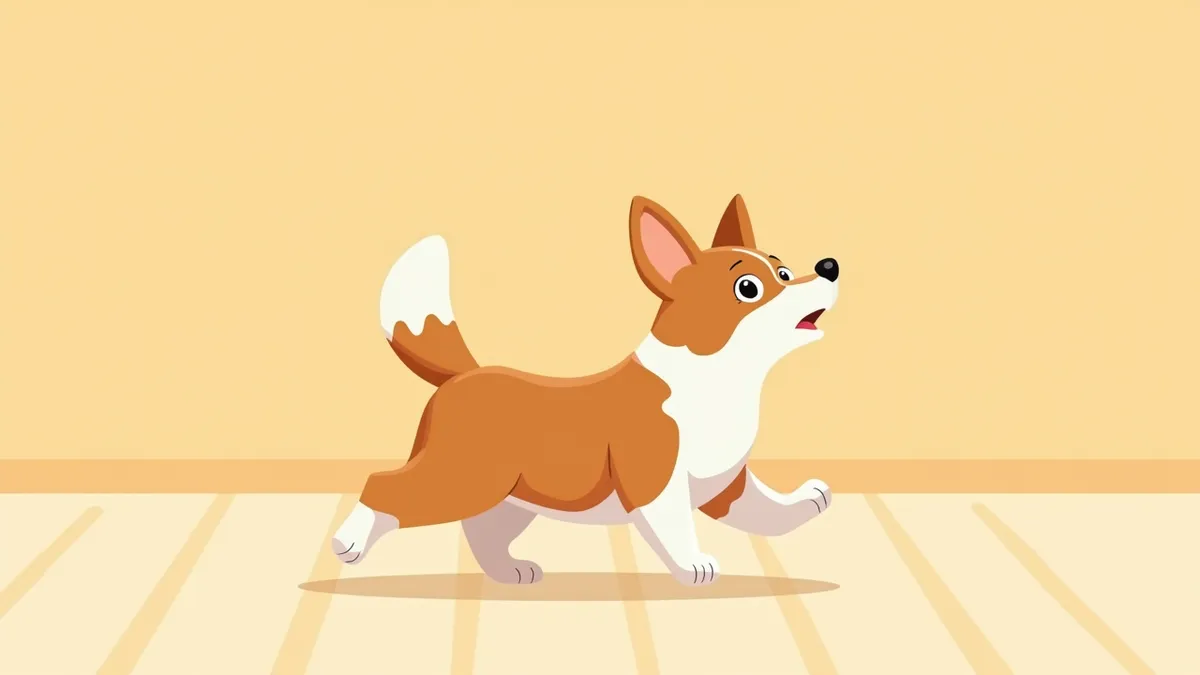
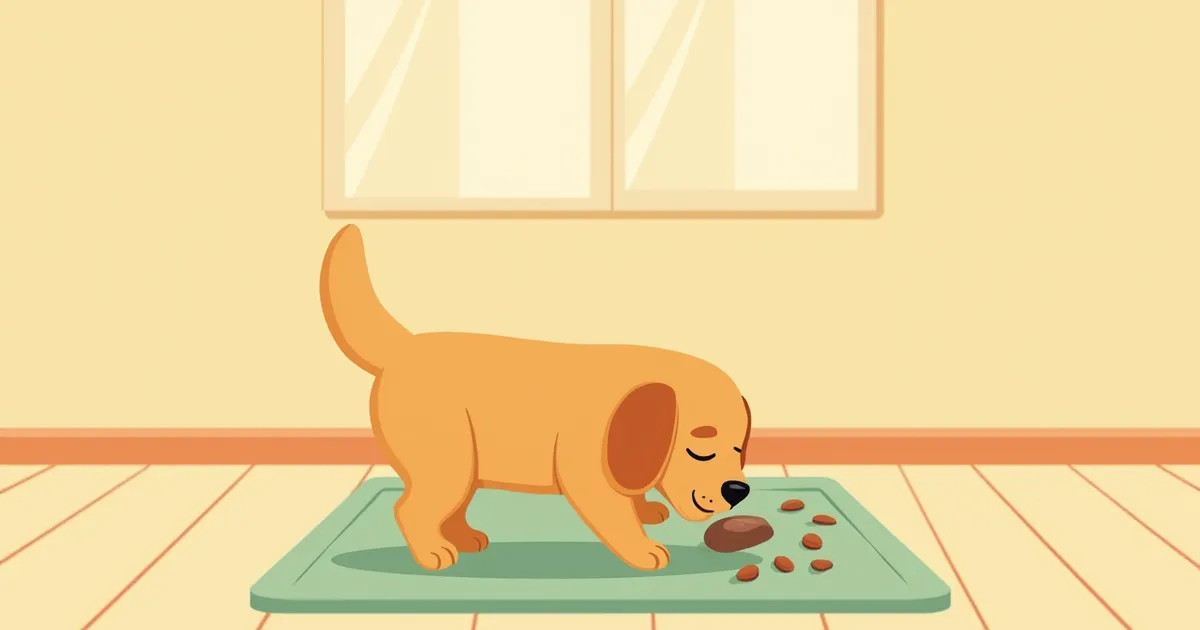
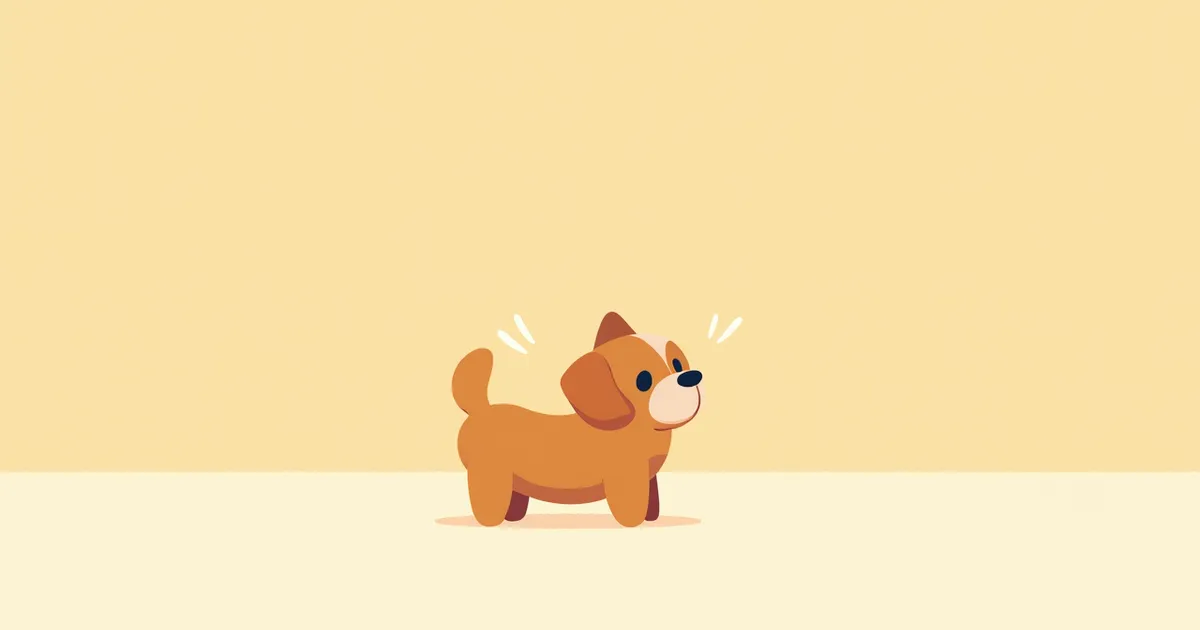
Puppies that obsessively chase their tails
Canine compulsive tail chasing is a compulsive disorder driven by stress, anxiety, or genetic predisposition, characterized by repetitive tail-chasing or biting. The most critical step is to begin management before the behavior reaches a point where the dog cannot stop on its own. While occasional, playful chasing that ends quickly is normal, if the behavior occurs multiple times a day and disrupts daily life, a stepwise approach involving behavior modification, environmental enrichment, and, when necessary, veterinary-prescribed treatment is essential.

4 Causes — Identify First to Manage Effectively
Genetic and breed predisposition: Certain breeds, such as Bull Terriers, German Shepherds, and Border Collies, have a higher incidence of compulsive behaviors.
Environmental stress: A lack of exercise, insufficient socialization, or prolonged exposure to a monotonous environment can trigger repetitive behaviors as the dog attempts to self-stimulate.
Physical causes: Pain or discomfort from conditions like anal gland inflammation or skin itching can initiate tail-chasing behavior (Bain & Fan 2012).
Neurological causes: Visual abnormalities or seizures can provoke repetitive behaviors. If the chasing is consistently fixed in one direction, a neurological examination is essential.
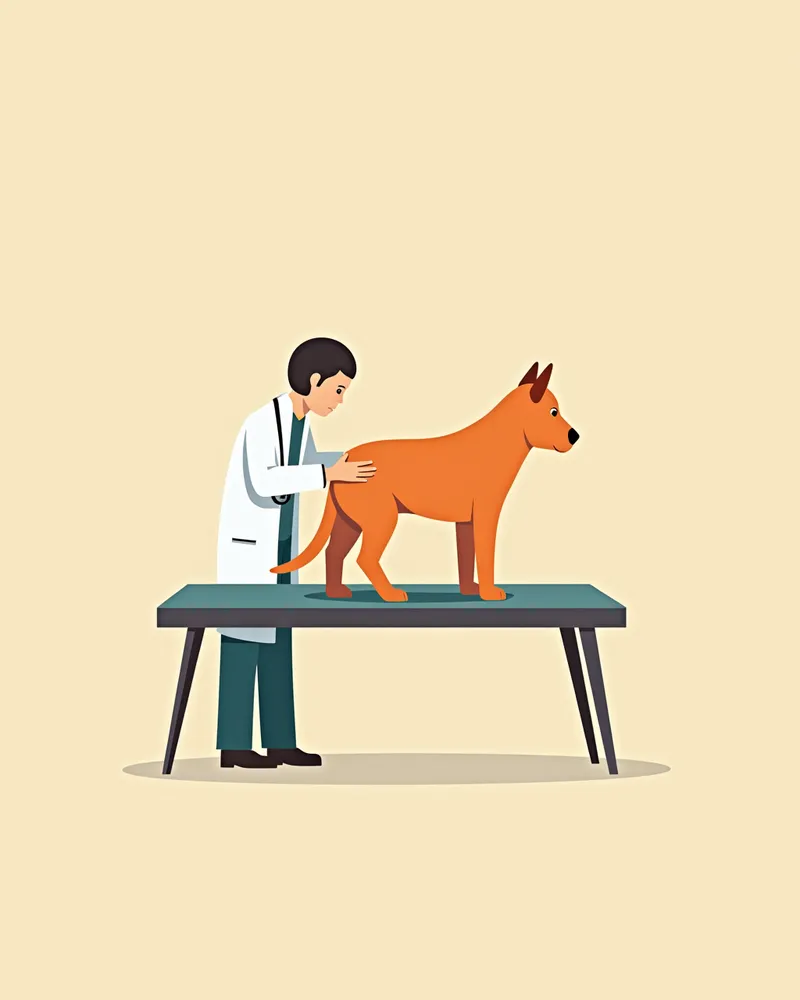
A veterinarian examining a puppy's tail area.

Go to the Vet Immediately If You See These Signs

If your pet has wounds, bleeding, or hair loss on the tail, or if seizures or changes in consciousness are present, or if symptoms suddenly worsen, it may be a neurological or skin condition rather than a behavioral issue. Ruling out physical causes should come before behavioral modification.

Criteria for Choosing a Management Plan — Check in This Order
Assessing symptom severity: If your dog briefly chases its tail and stops on its own, it’s considered mild. If it can’t stop itself, repeats the behavior multiple times a day, or it interferes with daily life, it’s likely moderate to severe. In those cases, consulting a veterinarian should be your first step.
Ruling out physical causes: Before starting behavioral modification, it’s important to check for issues like anal gland problems, skin conditions, eye issues, or neurological abnormalities. In fact, anal gland inflammation has been reported as a trigger for tail-chasing behavior.
Environmental assessment: Start by identifying your dog’s daily exercise level, time spent alone, and types of triggers to reduce stress factors.
Behavioral modification vs. medication: For mild cases, begin with behavioral modification alone. For moderate to severe cases, consult a veterinary behaviorist about whether to combine medication with treatment. Medication is most effective when used alongside behavioral modification and environmental management.
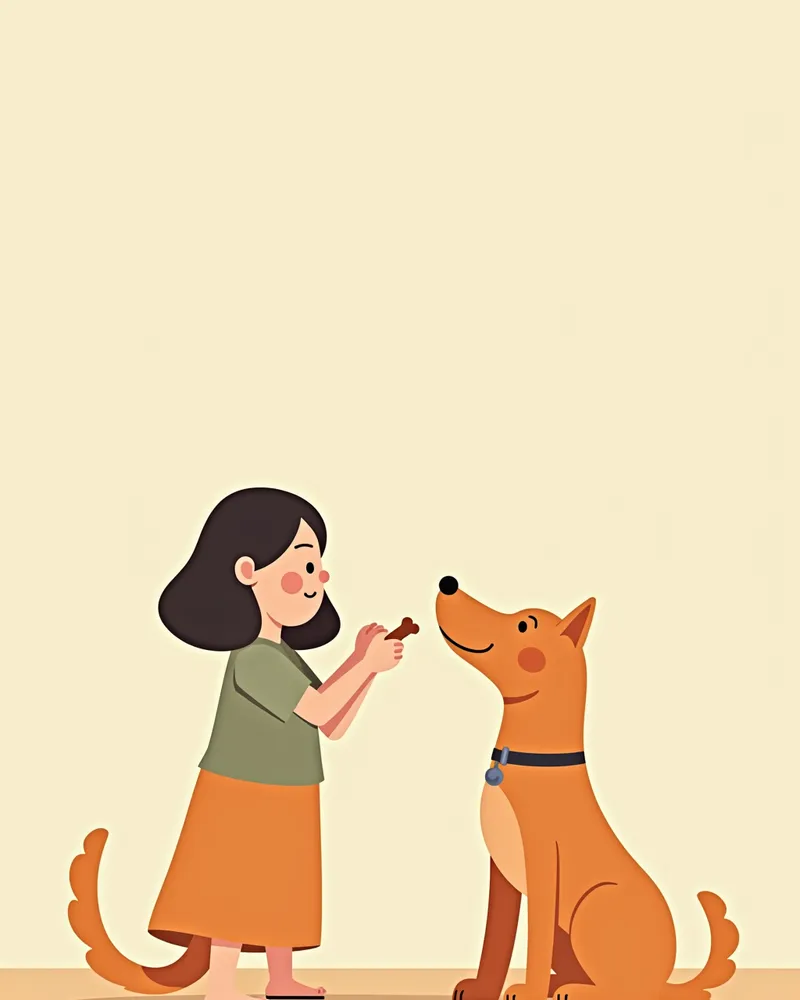
A training scene where treats are used to redirect a dog's behavior.

Best 1 — Behavior Modification: Ignore, Redirect, Reward

The key is to ignore your dog once tail-chasing begins. Scolding or reacting strongly can inadvertently reinforce the behavior. Immediately reward your dog with praise or treats the moment they stop chasing their tail, and redirect them to an alternative behavior such as "sit" or "stay." Repeating short training sessions two to three times a day will yield results. Behavioral modification can take several weeks to several months. For moderate to severe cases, a systematic protocol from a board-certified veterinary behaviorist is necessary.

Best 2 — Environmental Management: Exercise, Stimulus Removal, Enrichment
Increase daily exercise: Provide regular aerobic exercise tailored to your dog’s breed and fitness level. Properly expending built-up energy can reduce the time and attention they devote to repetitive behaviors.
Enrich the environment: Use nose work toys, chew toys, and puzzle feeders to provide ample mental stimulation. When dogs have more engaging activities, they’re less likely to focus on their tails.
Remove triggering stimuli: It’s important to identify and eliminate visual triggers that provoke tail-chasing, such as light reflections, shadows, or TV images. According to veterinary behavior textbooks, chasing lights and shadows is a common repetitive behavior seen in herding breeds like Border Collies.
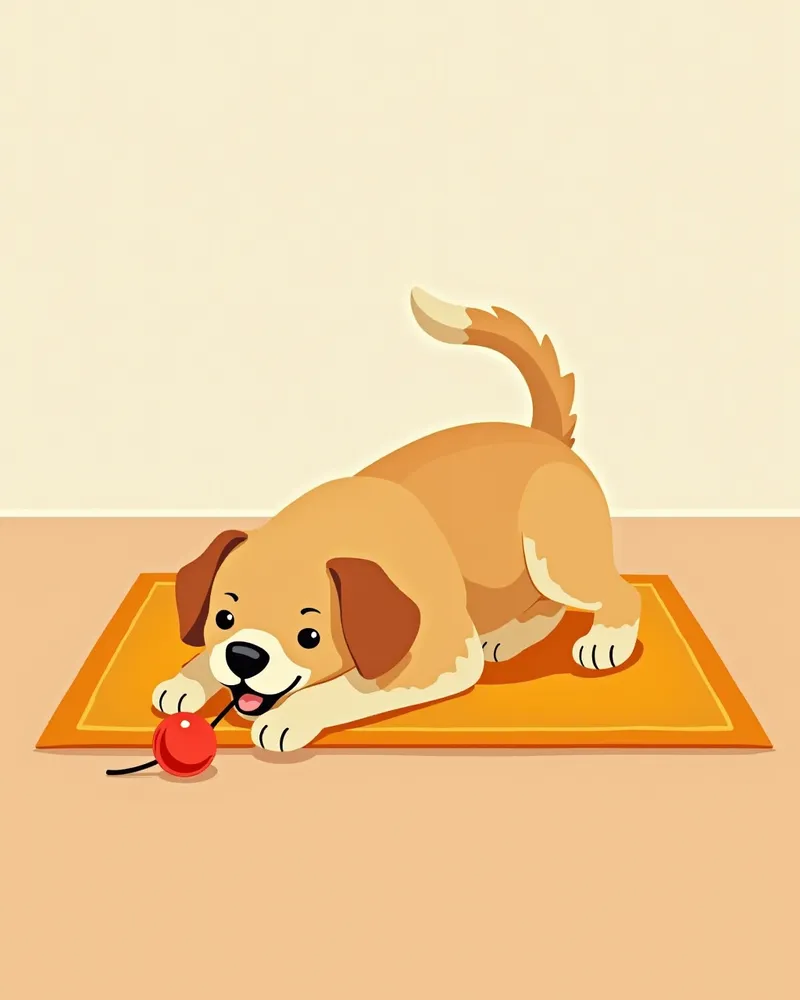
A puppy playing with an enrichment toy

Best 3 — Veterinary Treatment: Anxiolytic Prescription

For moderate to severe compulsive behaviors, behavior modification alone has its limits. A veterinarian will determine the appropriate dosage and administration schedule for anxiolytic medications, such as the tricyclic antidepressant clomipramine (brand name Clomicalm), based on your pet’s weight and overall health. Antidepressants exert anxiolytic effects at clinical doses, but they must be administered consistently for a certain period before their full benefits take hold. Combining medication with behavior modification yields significantly better results. Because abruptly stopping the medication can lead to relapse, it is crucial to follow your veterinarian’s instructions throughout the entire treatment course. Prescribed medications may vary depending on breed, weight, and underlying health conditions, so please consult with a veterinary specialist for personalized advice.

Breed-Specific Precautions

Bulldogs are known to exhibit breed-specific repetitive behaviors, such as "trancing," where they walk in a dazed manner with slow movements. Herding breeds like Border Collies and German Shepherds are prone to developing compulsive behaviors involving chasing lights or shadows, so it is especially important to minimize visual stimuli. Large retriever-type dogs often experience acral lick dermatitis, which involves excessive licking of the paws and legs rather than the tail.

Reviewed by a veterinarian

Dr. Tony — Punnawat Phongkittirak

Dr. Tony — Punnawat Phongkittirak

Veterinarian

A veterinarian who majored in veterinary medicine at Khon Kaen University, Thailand, and completed the IVSA program at North Carolina State University in the United States. Drawing on clinical experience at animal hospitals, he works in the pet healthcare field and is dedicated to building a digital care environment that connects pet parents with veterinarians.

Frequently Asked Questions

Is chasing its tail occasionally a sign of compulsive behavior?
Chasing briefly, as if playing, and then stopping on its own can be normal behavior. However, if your dog can’t stop, repeats the behavior multiple times a day, injures its tail, or it interferes with other activities, it may be a compulsive behavior, and you should consult your veterinarian.
Will scolding fix the problem?
Scolding is ineffective and can actually increase stress, potentially worsening compulsive behaviors. The correct approach is to ignore the dog when it starts chasing its tail, then immediately praise and reward it the moment it stops, guiding it toward alternative behaviors.
How can I tell if my pet needs medication?
If the behavior persists for a long time without stopping on its own, doesn’t improve despite consistent behavioral training, or if there are recurring injuries or inflammation on the tail, it’s best to consult a veterinary behavior specialist. They can determine whether anti-anxiety medication is necessary.
Can it be completely eliminated?
Rather than aiming for a complete cure, the realistic goal is to reduce the frequency and severity of symptoms. With consistent environmental improvements, behavior modification, and medication when necessary, many pets can be managed to a point where their daily life is not significantly affected.
The symptoms have suddenly worsened. What should I do?
If the condition has suddenly worsened, there may be a new underlying physical cause, such as anal sac inflammation, a skin infection, or a neurological issue. It’s important to have your pet examined by a veterinarian to identify the root cause before pursuing behavioral modification.

Share

Related Guides

References

[1] Bain, M.J. and Fan, C.M. (2012). Animal behavior case of the month. J. Am. Vet. Med. Assoc. 240(6): 673–675.

[2] Hewson, C.J., Luescher, U.A., and Ball, R.O. (1999). The use of chance-corrected agreement to diagnose canine compulsive disorder. Can. J. Vet. Res. 63(3): 201–206.

[3] Denerolle, P., White, S.D., Taylor, T.S., and Vandenabeele, S.I.J. (2007). Organic diseases mimicking acral lick dermatitis in six dogs. J. Am. Anim. Hosp. Assoc. 43(4): 215–220.

[4] Introduction to Animal Behavior and Veterinary Behavioral Medicine, Chapter 17 — Compulsive and Stereotypic Behaviors in Dogs

This information is based on veterinary literature and does not replace diagnosis or treatment. Please consult a veterinarian for specific health concerns.

Metapet Co., Ltd. | CEO: Park Sung-yong | Business Reg. No. 417-88-02562 | Seoul, South Korea | Customer Center

Dog Compulsive Tail Chasing: Causes, Fixes & Vet Care | Meongsiljang