Like
Share
멍실장
강아지 사냥 본능 과도 발현 관리 추천 BEST와 고르는 기준 총정리

Dog Hunting Instinct: Chasing and Biting — 7 Management Strategies and Guidelines for Choosing Supplies

Brain & CognitionTop PicksMeongsiljang Veterinary Advisory Board

If your dog’s hunting instinct is so strong that it becomes uncontrollable, we’ve compiled the best veterinary behavior-based management strategies—including impulse control training, nosework, and energy-releasing exercises—along with guidelines for choosing the right approach.

What Is Excessive Expression of a Dog’s Hunting Instinct?
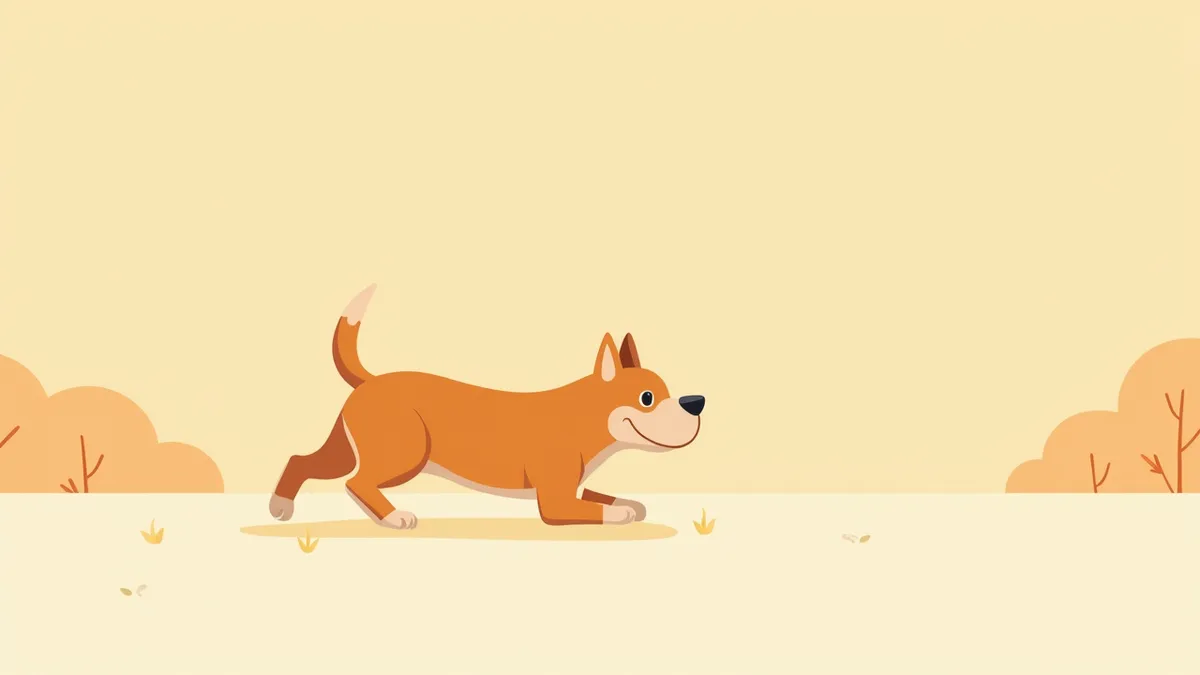
A scene showing a dog’s hunting instinct as it intensely pursues a moving object.
Excessive expression of a dog’s hunting instinct is a behavioral issue in which predatory behaviors—chasing, capturing, and biting—are not inhibited by everyday stimuli and occur repeatedly. A typical sign is when the dog charges at bicycles, running people, or cats without responding even to its name. The key point is not that the dog is highly excited, but that it cannot stop when given a signal from its owner. This distinction is crucial for differentiating a lively dog from one with excessive predatory behavior. Without early intervention, this can lead to injuries to other animals or accidents involving children, so a systematic approach is necessary.

Symptom Checklist to Confirm Excessive Expression
Random chasing impulse: Your dog will immediately bolt toward bicycles, joggers, or small animals without warning or hesitation.
Fixed gaze and stalking: They become completely focused on the target, with a rigid body and locked eyes.
Attempts to catch or bite: Going beyond simple chasing, they close the distance to actually bite or grab the target.
High arousal and difficulty redirecting attention: Once in chase mode, their arousal level spikes so high that it becomes difficult to redirect their attention, even with their name or treats.
Loss of leash control: During walks, they may suddenly pull with such intense force that it is difficult to restrain them physically.
If these behaviors occur repeatedly, rather than simply labeling it as a "dog problem," it is best to seek a professional behavioral assessment instead of self-diagnosing, to accurately identify the cause and determine the proper management approach.
Symptoms of an overactive hunting instinct in dogs — intense focus and a tense posture

Consult a Professional Immediately in These Situations

If your dog’s hunting instinct is directed toward people or children, or if it has already bitten and injured another pet, attempting to train it on your own can be dangerous. Additionally, if the symptoms have suddenly worsened, there may be an underlying neurological or hormonal issue, so a veterinary behavioral assessment should be the first step. We recommend consulting with a qualified behavior modifier alongside veterinary care.

Comparison of 5 Management Methods at a Glance

ItemMain EffectDifficultyCost Level
Impulse control trainingDirectly improves prey-drive inhibitionHighFree~Medium
Nosework/brain stimulationSafely redirects energyLowLow
Energy-releasing exerciseReduces overall hyperarousalMediumMedium
Environmental managementDirectly prevents accidentsLowMedium~High
Professional behavior modificationResolves complex problemsLow (from the owner's perspective)High

Combining 2–3 methods is more effective than using one alone

BEST ① Impulse Control Training — The Most Fundamental Solution
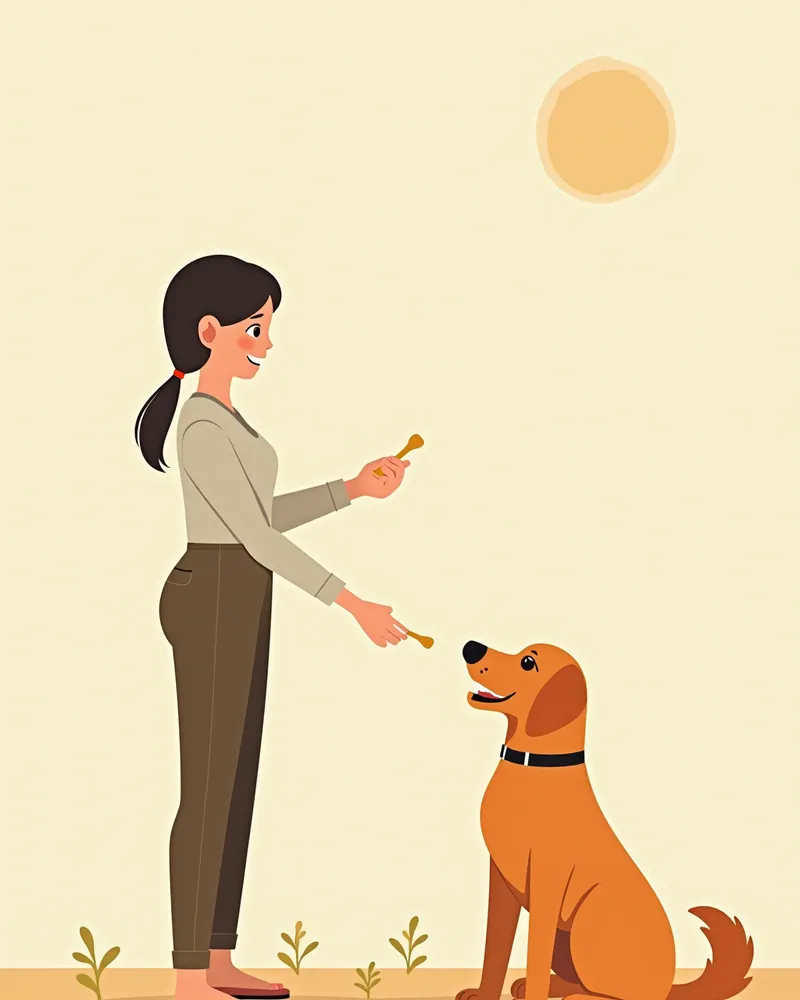
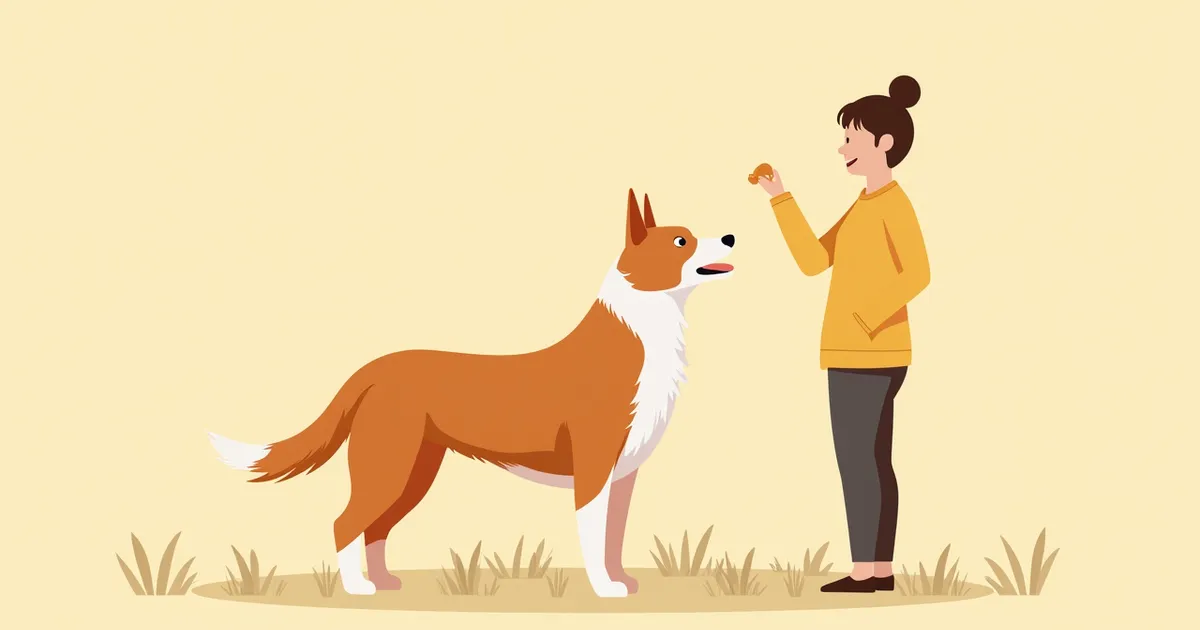
Impulse control training helps your dog learn to respond to your cues even when faced with tempting distractions. Mastering these three core exercises will make a big difference. Leave it: Reward your dog with a treat when they return to you after approaching the target, and gradually decrease the distance between them and the target. Name response reinforcement: Build a habit of making immediate eye contact whenever their name is called, regardless of the situation. Recall training: Practice having your dog come running to you immediately when called—this is key to preventing them from chasing before they start. Begin indoors in a distraction-free environment, and practice consistently for no more than 15 minutes, three times a week.
Impulse control training for dogs — A dog practicing recall with its owner

BEST ② Nosework and Mental Stimulation — Safely Channel Energy

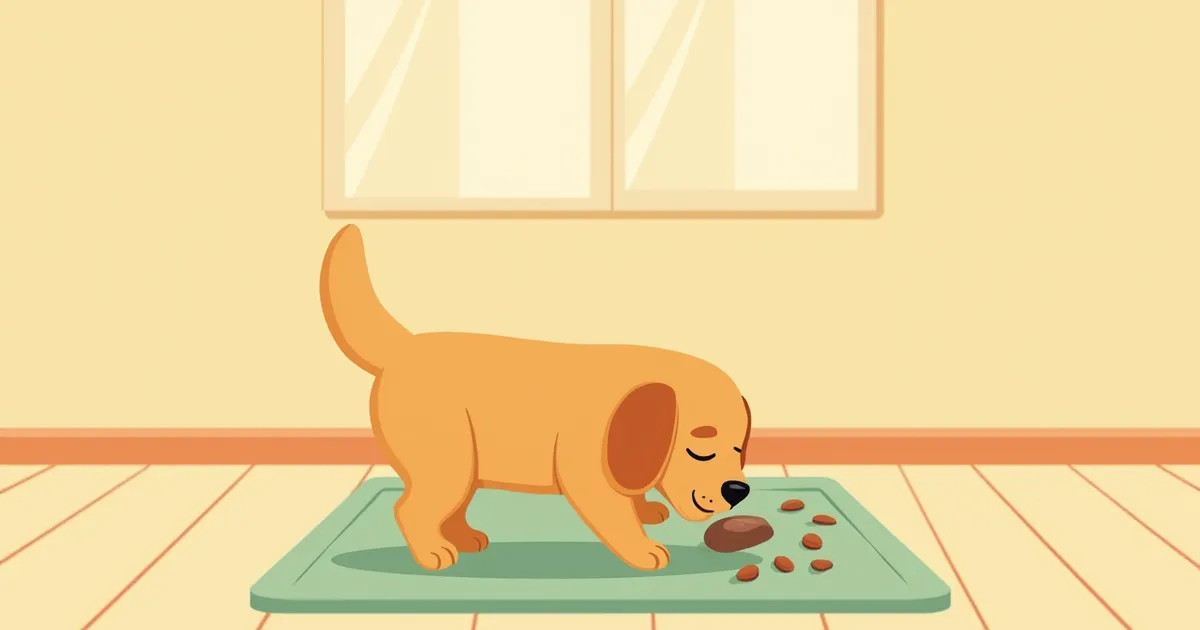
Since innate drives like the hunting instinct are difficult to eliminate, this approach channels that energy into acceptable activities such as scent tracking. Scent-search games: Hide treats in various spots around the house and let your dog find them using their nose. Sniffari walks: Use a longer leash and allow ample time for sniffing. Snuffle mats: These are nosework tools with food hidden inside the mat for dogs to dig out with their noses. While these activities may not fully replace the intrinsic rewards of predatory instincts, consistent use before walks or in situations where excitement is expected can help reduce arousal and overstimulation, providing a safe outlet for energy and serving as an effective management strategy.

BEST ③ Energy-Releasing Exercise — Reduce Overall Arousal

Regular and sufficient physical exercise helps manage your dog’s overall arousal and excitement, with the key being to meet their breed-specific activity needs.
Long-distance running or cycling alongside your dog: Especially beneficial for active medium- to large-breed dogs.
Swimming: Allows for ample energy release while minimizing stress on the joints.
Fetch and agility: Channel the instinct to chase into structured sports, providing a safe outlet.
However, exercise alone won’t eliminate an innate hunting drive. It’s essential to combine adequate physical activity with impulse control training and environmental management. Dogs are often calmer and more receptive to training immediately after they’ve had a chance to fully expend their energy.

Checklist for Choosing Management Methods and Tools

If you’re unsure which approach to choose, use these guidelines to make the decision easier.
Assess the current risk level: If your dog has already bitten or caused injury, professional behavior modification should be your top priority.
Consider your breed’s energy level: High-energy breeds like Border Collies, Huskies, and Beagles require a combination of exercise and training.
Evaluate your available training time: If even 15 minutes, three times a week, feels challenging, start with nosework tools.
Take your budget into account: If professional behavior modification is financially out of reach, you can begin with self-guided training combined with a snuffle mat.
Combining exercise, training, and nosework is the most effective approach.
Dog Behavior Management Tools — Sniffing Mats, Puzzle Feeders, Training Leashes

Pay Extra Attention for Breeds with Strong Hunting Instincts

Border Collies, Siberian Huskies, Beagles, Jack Russell Terriers, and Malinois have strong hunting and herding instincts that are deeply ingrained in their breed characteristics. For these breeds, the realistic goal is not "correction" but rather "providing appropriate outlets for their instincts." In multi-dog households or homes with small animals, we recommend having a professional behavior assessment conducted before the first introduction.

Reviewed by a veterinarian

Dr. Tony — Punnawat Phongkittirak

Dr. Tony — Punnawat Phongkittirak

Veterinarian

A veterinarian who majored in veterinary medicine at Khon Kaen University, Thailand, and completed the IVSA program at North Carolina State University in the United States. Drawing on clinical experience at animal hospitals, he works in the pet healthcare field and is dedicated to building a digital care environment that connects pet parents with veterinarians.

Frequently Asked Questions

Can a dog's hunting instinct be completely eliminated through training?
It’s impossible to completely eliminate this behavior, as the hunting instinct is an innate trait inherent to the breed. The goal isn’t to eradicate it, but to cultivate impulse control so your pet can stop when given a cue. With consistent training, you can safely manage this behavior in everyday life.
Can adult dogs that didn’t receive proper training as puppies still be corrected?
Training remains effective even for adult dogs. While younger dogs tend to learn faster and more easily because their habits haven’t yet been firmly established, consistent training can still bring about significant improvement in adult dogs. Consistency on the part of the owner matters more than the dog’s age.
What should I look for when choosing a nosework tool?
Start with simple snuffle mats or lick mats. If it’s too complex, your dog might give up. Once they’re comfortable, you can gradually upgrade to more challenging puzzle feeders. For hygiene, choose washable silicone or rubber materials.
Is lunging at other dogs also a problem related to hunting instincts?
They may look similar, but they are different. Reactivity stems from fear or excitement, while hunting instinct is driven by the desire to chase and capture. Since it can be difficult to distinguish between the two based on behavior alone, a professional assessment can help design a training plan tailored to the specific cause.
How long does it take for impulse control training to show results?
The timeline varies widely depending on the individual dog, breed, training frequency, and the owner’s consistency, so it’s difficult to set a fixed timeframe. With steady repetition and consistent rewards, your dog will gradually learn to pause in the face of triggers, but impulse control is a process that requires time and patience. Because hunting instincts are innate drives, they may not be fully suppressed by training alone; therefore, combining training with environmental management is the most practical approach. It’s crucial not to give up, even if you encounter plateaus that seem like setbacks.

Share

Related Guides

References

[1] Bain, M.J. and Fan, C.M. (2012). Animal behavior case of the month. J. Am. Vet. Med. Assoc. 240(6): 673–675.

[2] Lindell, E.M. et al. Introduction to Animal Behavior and Veterinary Behavioral Medicine. Wiley-Blackwell.

[3] Veterinary Guide to Preventing Behavior Problems in Dogs and Cats. Wiley-Blackwell.

[4] Overall, K.L., Rodan, I., Beaver, B.V. et al. (2005). Feline behavior guidelines from the American Association of Feline Practitioners. J. Am. Vet. Med. Assoc. 227(1): 70–84.

This information is based on veterinary literature and does not replace diagnosis or treatment. Please consult a veterinarian for specific health concerns.

Metapet Co., Ltd. | CEO: Park Sung-yong | Business Reg. No. 417-88-02562 | Seoul, South Korea | Customer Center

Dog's Hunting Instinct: 7 Ways to Manage Chasing & Biting | Meongsiljang