Like
Share
멍실장
강아지 반복 행동 장애 관리 추천 BEST와 고르는 기준 총정리

7 Management Strategies for Canine Compulsive Disorder — A Complete Guide to Causes and Selection Criteria

Brain & CognitionTop PicksMeongsiljang Veterinary Advisory Board

Canine compulsive disorder is a behavioral medicine condition in which normal behaviors, such as grooming or pacing, are repeated and exaggerated without context. We have compiled management strategies by type and criteria for initiating professional treatment, based on veterinary behavioral science.

What is Canine Compulsive Disorder?
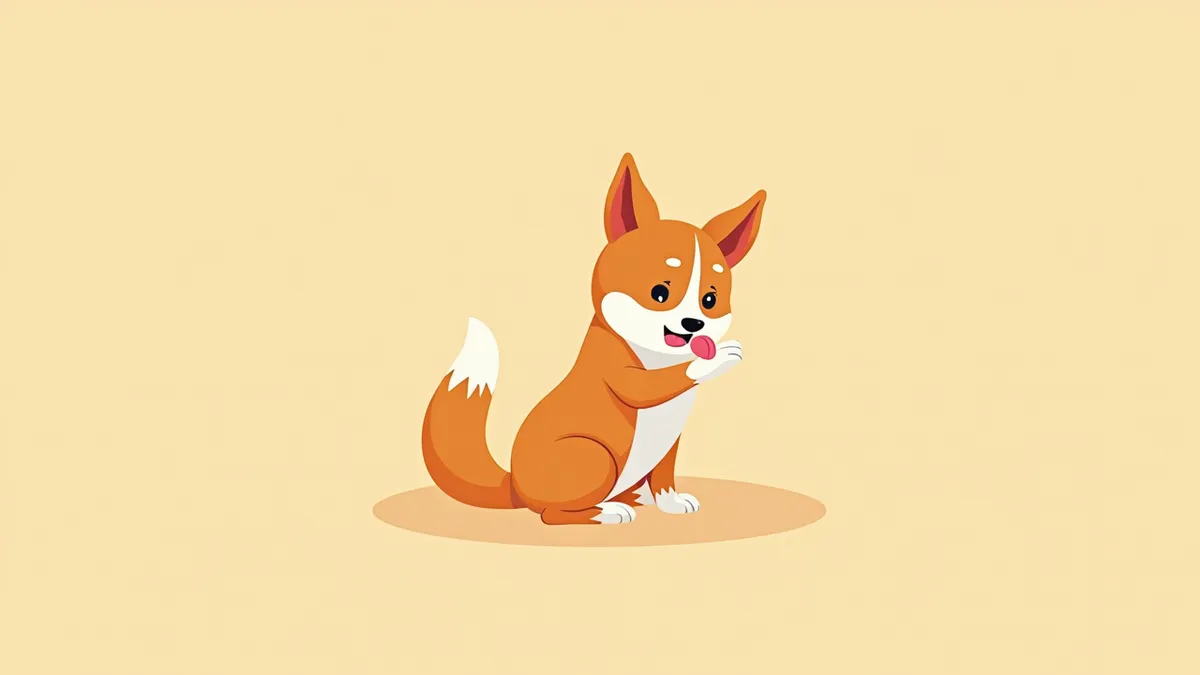
A puppy repeatedly licking its front paw
Canine compulsive disorder is a behavioral medicine condition in which normal behaviors such as grooming, eating, or walking are repeated, exaggerated, and ritualized without any contextual trigger. The key point is that these behaviors are uncontrollable. They start without external stimuli, and even if the owner tries to stop them, the dog immediately resumes the behavior. According to veterinary behavior textbooks, many dogs exhibiting these behaviors are experiencing anxiety or stress. If left untreated under the assumption that it’s just a habit, it can lead to self-injury or skin damage.

Main Types of Repetitive Behaviors — Which One Does My Dog Have?

Tail chasing and biting: The dog spins in circles, chasing or biting its own tail.
Focused licking of the front paws: Repetitive licking of one area can lead to acral lick dermatitis, where the skin becomes raw and inflamed.
Air snapping: The dog repeatedly makes chewing motions as if biting at something that isn’t there.
Chasing light or shadows: The dog obsessively chases reflections of light or shadows on walls.
Circling in place: The dog walks repeatedly along the same path without moving forward.
According to veterinary behavior textbooks, each type has a different underlying cause. Accurately identifying the type is the first step toward proper management.

Seek Immediate Veterinary Care If These Symptoms Appear

If repetitive behaviors have become so intense that your pet neglects basic daily activities like eating and sleeping, persist long enough to significantly disrupt their normal routine, or lead to self-injury such as skin abrasions or bleeding, you should seek veterinary care immediately. Veterinary behavior textbooks describe compulsive repetitive behaviors as difficult to stop once started and characteristic of their interference with normal daily functioning. Furthermore, symptoms that appear to be repetitive behaviors may actually stem from neurological, dermatological, or gastrointestinal conditions. Therefore, a physical examination and differential diagnosis by a veterinarian are essential before making a behavioral diagnosis.

Management BEST 1 — Rule Out Physical Diseases First

Symptoms that appear to be repetitive behaviors may actually stem from physical issues such as allergies, skin conditions, joint pain, gastrointestinal disorders, or nerve damage. Veterinary behavior textbooks highlight cases where excessive licking is linked to gastrointestinal problems, chasing lights or shadows originates from eye issues (such as vitreous degeneration), and tail biting is associated with anal sac inflammation. Therefore, before initiating behavioral treatment, it is crucial to first rule out physical causes through a physical examination, blood tests, skin tests, neurological exams, and, if necessary, ophthalmic exams. Only after excluding medical causes can a behavioral diagnosis be made.
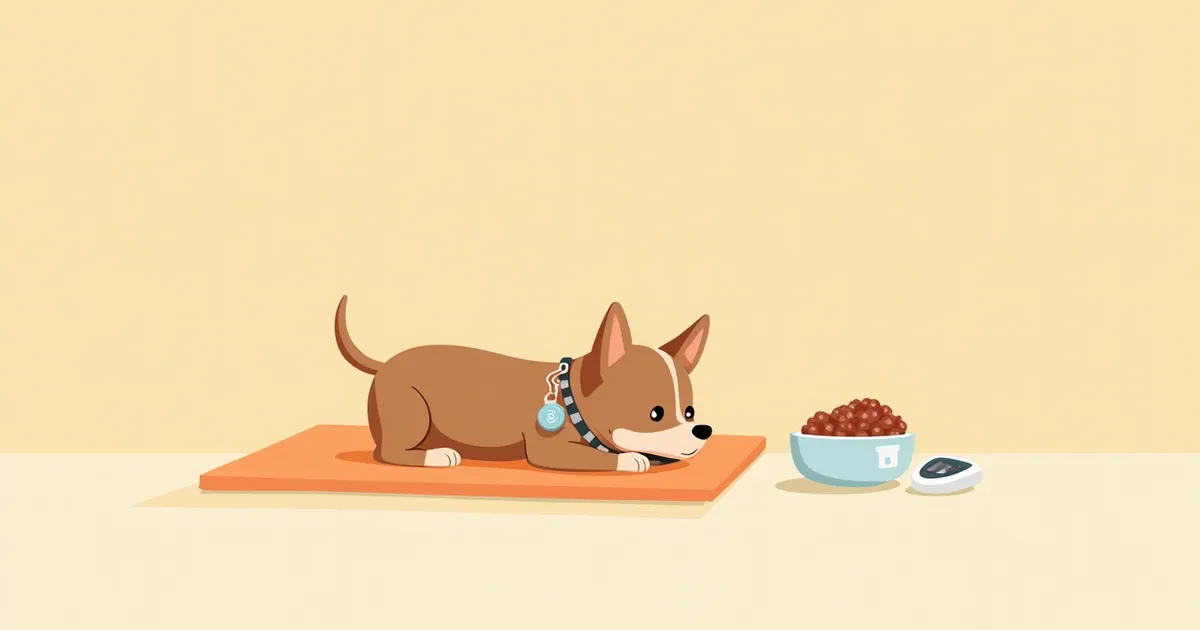
A veterinarian examining a puppy.

Management BEST 2 — Provide Appropriate Stimulation Through Environmental Enrichment

Repetitive behaviors can stem from both boredom and excessive stress. Environmental enrichment addresses both causes by providing the mental and physical stimulation needed for overall well-being. Veterinary textbooks typically categorize enrichment into environmental and social enrichment.
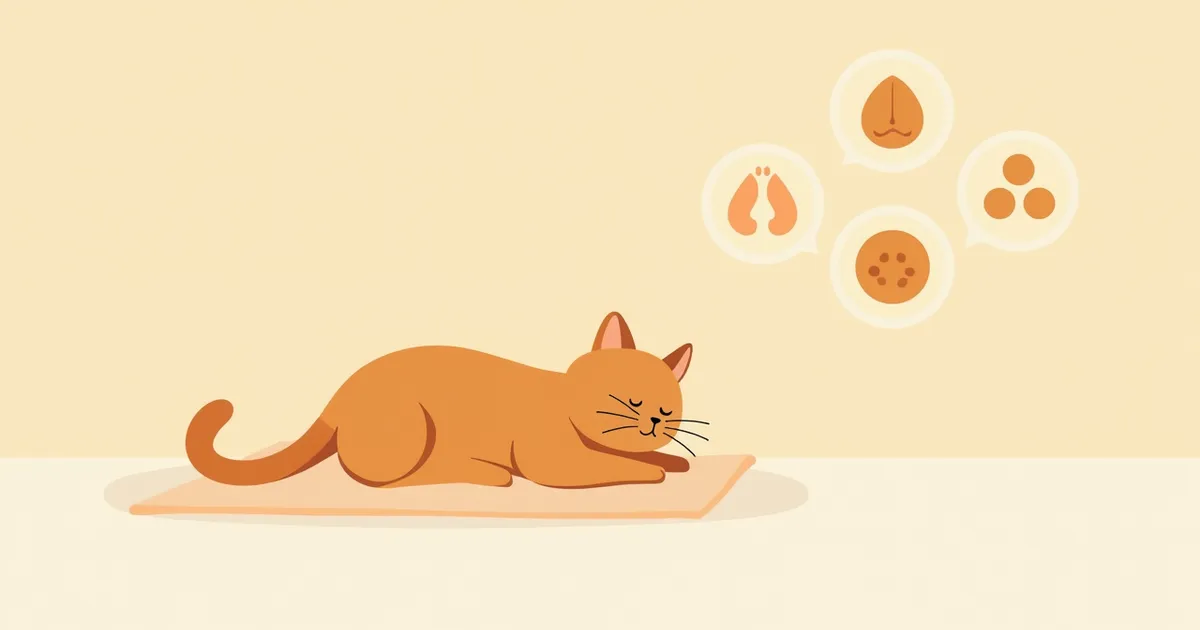
Nose work: Engaging in scent-seeking activities and using snuffle mats
Physical exercise: Providing regular physical activity through varied walks
Cognitive stimulation: Utilizing toys such as puzzle feeders and food-finding games
Social interaction: Ensuring consistent, dedicated interaction time with caregivers
If your pet is chasing lights or shadows, it is crucial to remove the triggering stimuli themselves, such as laser pointers or reflected light. Veterinary guidelines also recommend avoiding the use of laser pointers when managing repetitive behaviors.

Management BEST 3 — Behavior Modification: Substitution Is More Effective Than Blocking
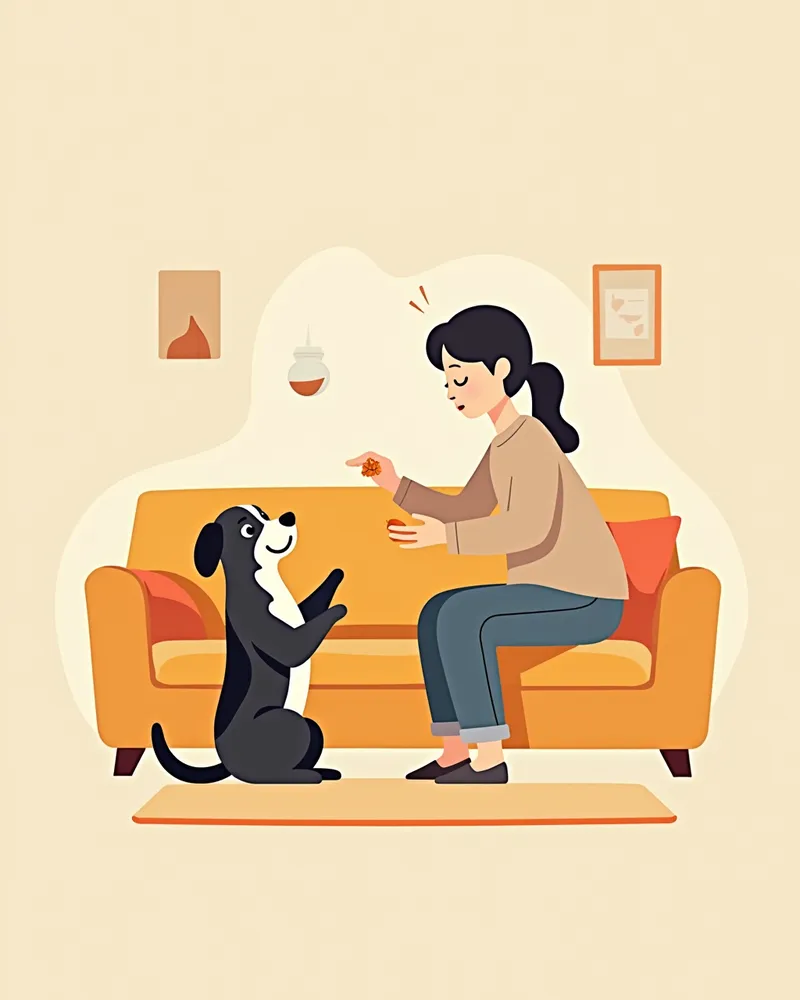
Scolding or reacting strongly when repetitive behaviors begin can inadvertently reinforce them. Even textbooks advise against using aversive control to forcibly suppress behaviors, as well as against unintentional reinforcement. 1. Block the behavior and separate from the environment: If the behavior starts, calmly move your pet to another area to remove them from the triggering stimulus. 2. Provide alternative behaviors: Teach other behaviors, such as going to a mat, sitting, or making eye contact, and reward them immediately. 3. Reward during a calm state: Actively reward your pet when they are calm, before the repetitive behavior occurs. 4. Maintain consistency: It is essential that all family members respond in the same way for the training to be effective. In addition, applying systematic desensitization and counterconditioning to the stimuli that trigger the behavior can be helpful. Behavioral modification does not happen overnight; consistent and steady application over a sufficient period is necessary to see change.
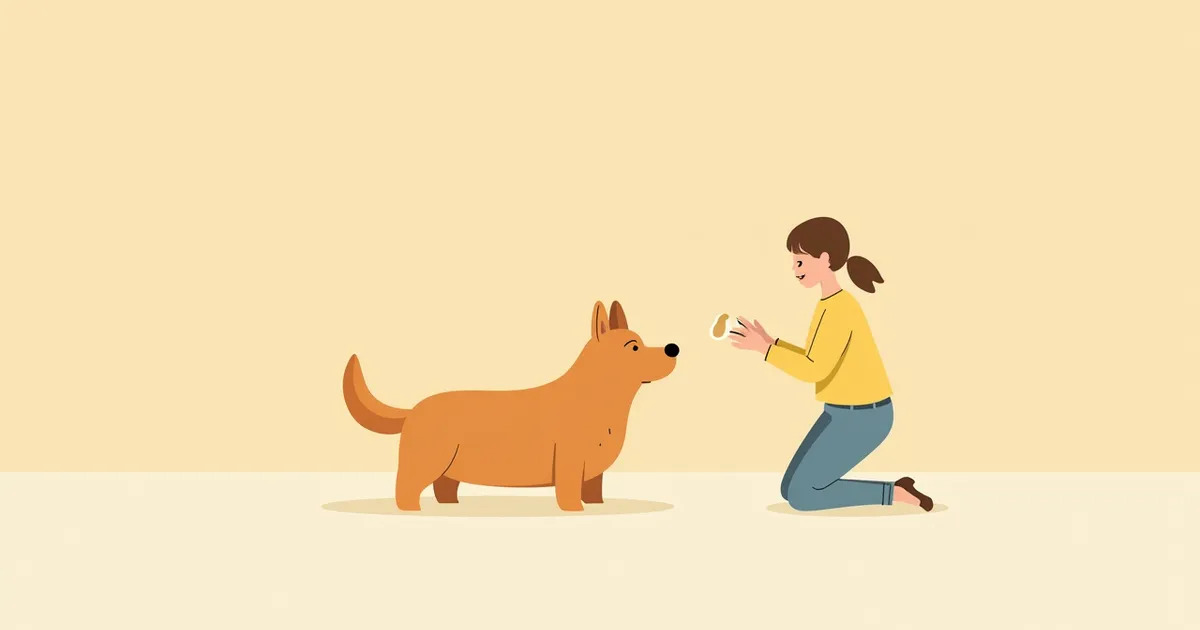
A guardian engaging in positive reinforcement training with their puppy

Management BEST 4 — Medication Treatment, When Should It Be Considered?

When environmental management and behavior modification alone are not enough, your veterinarian may add medication to the treatment plan. According to veterinary behavior and pharmacology textbooks, selective serotonin reuptake inhibitors (SSRIs) such as fluoxetine, paroxetine, and sertraline are commonly used for anxiety and obsessive-compulsive (repetitive) disorders. Tricyclic antidepressants (TCAs) like clomipramine may also be used. Medications are usually given by mouth, and because long-term use can cause side effects, blood tests and a neurological evaluation are recommended before starting treatment. Your veterinarian will determine the decision to prescribe and the appropriate dosage based on your pet’s weight, the severity of the behavior, and any underlying health conditions. Medications work best when used together with behavior modification and environmental management, rather than as a standalone treatment.
A veterinarian and a puppy together in the examination room

Vulnerable Repetitive Behavior Types Vary by Breed

English Bull Terriers and German Shepherds are more commonly reported to exhibit behaviors such as spinning in circles and chasing their tails. Large breeds like Retrievers are prone to acral lick dermatitis, characterized by repetitive licking of the front paws. Herding breeds often show a tendency to chase lights or shadows. Bull Terriers may also display "freezing," where they appear to become rigidly stuck in one spot. For breeds with these predispositions, starting environmental enrichment and socialization training early in life can help prevent these issues.

Reviewed by a veterinarian

Dr. Tony — Punnawat Phongkittirak

Dr. Tony — Punnawat Phongkittirak

Veterinarian

A veterinarian who majored in veterinary medicine at Khon Kaen University, Thailand, and completed the IVSA program at North Carolina State University in the United States. Drawing on clinical experience at animal hospitals, he works in the pet healthcare field and is dedicated to building a digital care environment that connects pet parents with veterinarians.

Frequently Asked Questions

Can compulsive disorders be cured?
Rather than aiming for complete elimination, a more realistic goal is to reduce the issue to a manageable level. With early detection and consistent environmental management and behavior modification, many cases can be reduced to a point where they no longer interfere with daily life.
Is my dog frequently biting its tail a sign of compulsive disorder?
Not necessarily. Tail biting can also be caused by tail pain, parasites, or anal gland issues. We recommend having a veterinarian check for any underlying physical causes first, and if everything is normal, consulting with a behavior specialist.
Shouldn't we punish or stop them with loud voices?
Punishment can actually increase anxiety and stress, potentially worsening the behavior. Instead, calmly separating the pet into a quiet space and rewarding them when they are calm is far more effective.
It seems like repetitive behaviors worsen when my pet is left alone. Is this different from separation anxiety?
Separation anxiety and compulsive disorders often occur together. If the behavior worsens when your pet is alone, an evaluation for separation anxiety is also necessary. A veterinary behavior specialist can diagnose both conditions and develop a comprehensive management plan.
What’s the easiest first step you can start right at home?
The fastest first step is to remove specific triggers that provoke repetitive behaviors, such as laser pointers and reflected light. Next, increase your pet’s daily exercise and provide additional cognitive stimulation with puzzle toys.

Share

Related Guides

References

[1] Bain, M.J. Repetitive Behaviors in Companion Animals. In: Introduction to Animal Behavior and Veterinary Behavioral Medicine. Wiley-Blackwell, 2022. Chapter 17.

[2] Bain, M.J. and Fan, C.M. Animal behavior case of the month. Journal of the American Veterinary Medical Association. 240(6):673-675, 2012.

[3] Denerolle, P., White, S.D., Taylor, T.S., and Vandenabeele, S.I.J. Organic diseases mimicking acral lick dermatitis in six dogs. Journal of the American Animal Hospital Association. 43(4):215-220, 2007.

[4] Hewson, C.J., Luescher, U.A., and Ball, R.O. The use of chance-corrected agreement to diagnose canine compulsive disorder. Canadian Journal of Veterinary Research. 63(3):201-206, 1999.

This information is based on veterinary literature and does not replace diagnosis or treatment. Please consult a veterinarian for specific health concerns.

Metapet Co., Ltd. | CEO: Park Sung-yong | Business Reg. No. 417-88-02562 | Seoul, South Korea | Customer Center

Canine Compulsive Disorder: 7 Ways to Manage It & Choose | Meongsiljang