Like
Share
멍실장
고양이 심장 초음파(에코) 검사 관리 추천 BEST와 고르는 기준 총정리

7 Best Tips for Choosing a Feline Cardiac Ultrasound (Echo) Recommended by Veterinarians

HeartTop PicksMeongsiljang Veterinary Advisory Board

A feline cardiac ultrasound is a key diagnostic tool that precisely evaluates the structure and function of the heart. Regular screenings help detect heart disease early.

What Is a Feline Cardiac Ultrasound (Echo)?
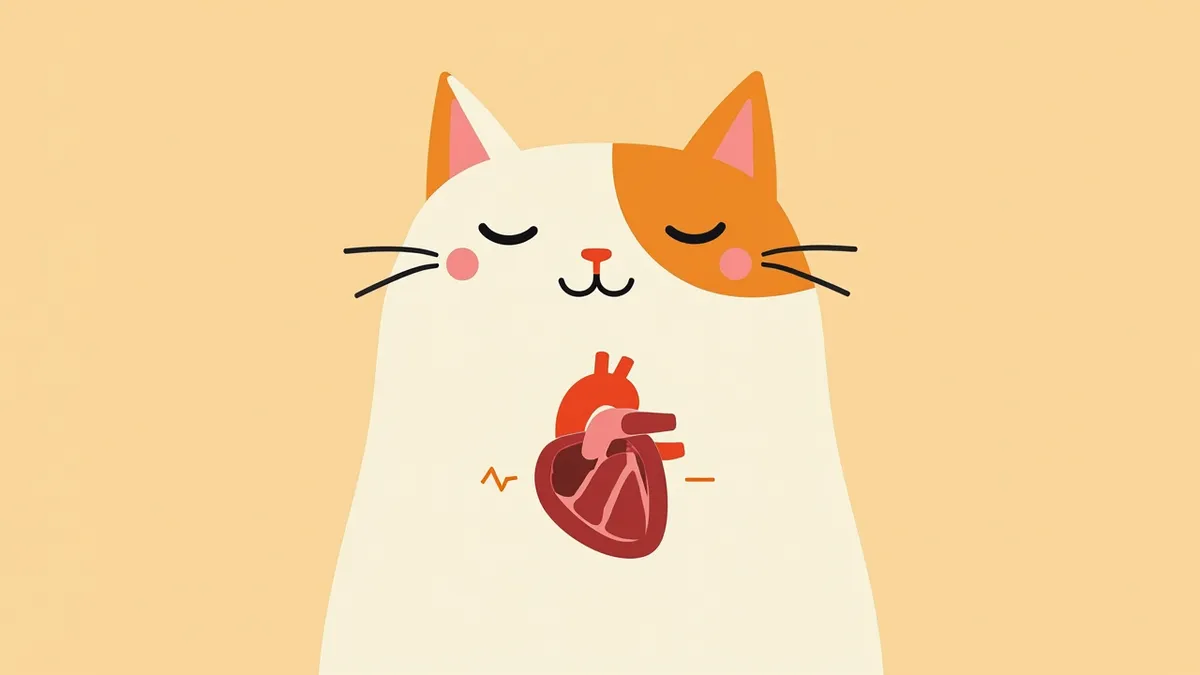
The appearance of the heart structure on the screen during a feline cardiac ultrasound examination
Feline cardiac ultrasound (echocardiography) is a non-invasive test that allows real-time observation of the heart’s structure and function. It enables precise analysis of heart rate, valve motion, and blood flow. It is widely recognized as the most sensitive non-invasive test for diagnosing hypertrophic cardiomyopathy (HCM), the most common heart disease in cats, and for differentiating it from other cardiac conditions. However, because the patterns of myocardial hypertrophy in cats are highly variable and interpretation heavily depends on the operator’s experience, results can be influenced by the cat’s stress level even though the procedure can be performed without anesthesia. Therefore, it is best conducted in a specialized setting by experienced professionals.

Selection Criteria: Tips for Choosing a Clinic for Cardiac Ultrasound

When choosing an echocardiogram for your cat, be sure to check the following criteria. The accuracy and safety of the test largely depend on the hospital’s equipment and expertise. First, confirm that the clinic has dedicated cardiac ultrasound equipment. Second, verify that the veterinarian has extensive experience in diagnosing heart disease. Third, ensure that sufficient time is allocated for the examination. Fourth, check whether a detailed and accurate report is provided after the test. Fifth, make sure the environment is designed to minimize stress for your cat.
A veterinarian analyzing the results of a cat's cardiac ultrasound.

Check 1: Dedicated Cardiac Ultrasound with Color Doppler

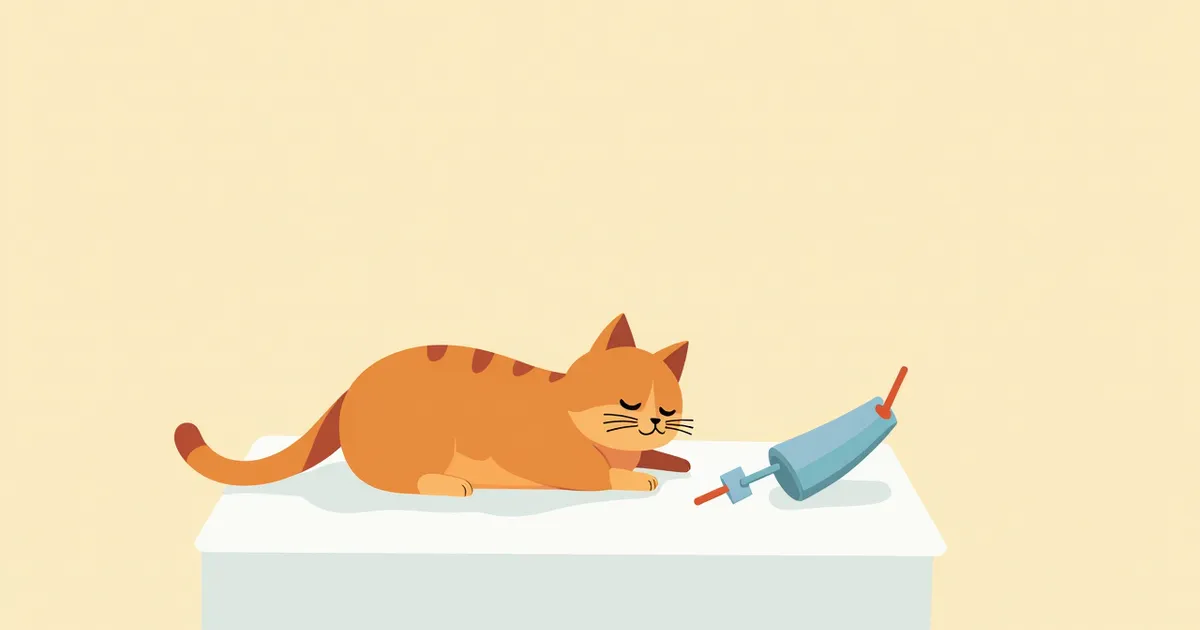
An accurate feline cardiac ultrasound requires evaluating not just the heart’s structure, but also blood flow and valvular regurgitation. Therefore, it is important to confirm that the clinic uses dedicated cardiac ultrasound equipment equipped with color and continuous-wave Doppler functions. Doppler capability allows for the quantitative assessment of findings such as left atrial enlargement, valvular regurgitation, and outflow tract obstruction, enabling a proper evaluation of the progression of hypertrophic cardiomyopathy (HCM), which is common in cats. Since equipment specifications directly impact diagnostic accuracy, it is advisable to choose a clinic with extensive experience in cardiac examinations rather than one that only possesses general abdominal ultrasound equipment.
An informational image showing whether the echocardiogram is a cardiac-specific ultrasound equipped with color Doppler.

Check 2: Comprehensive Cardiology Services and Auxiliary Tests

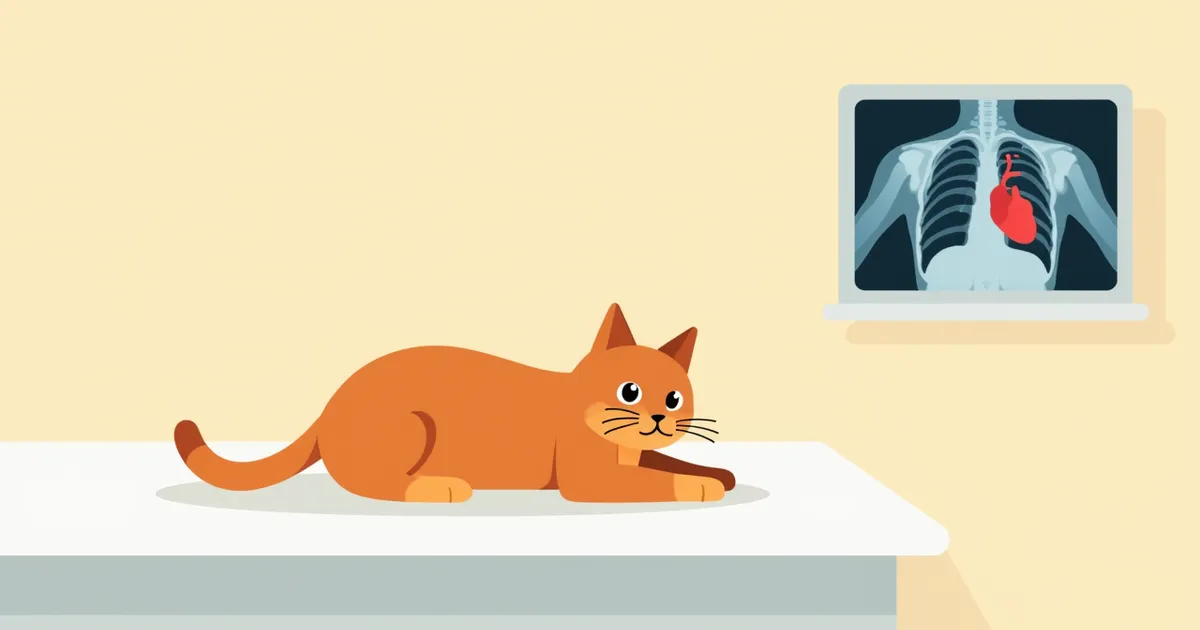
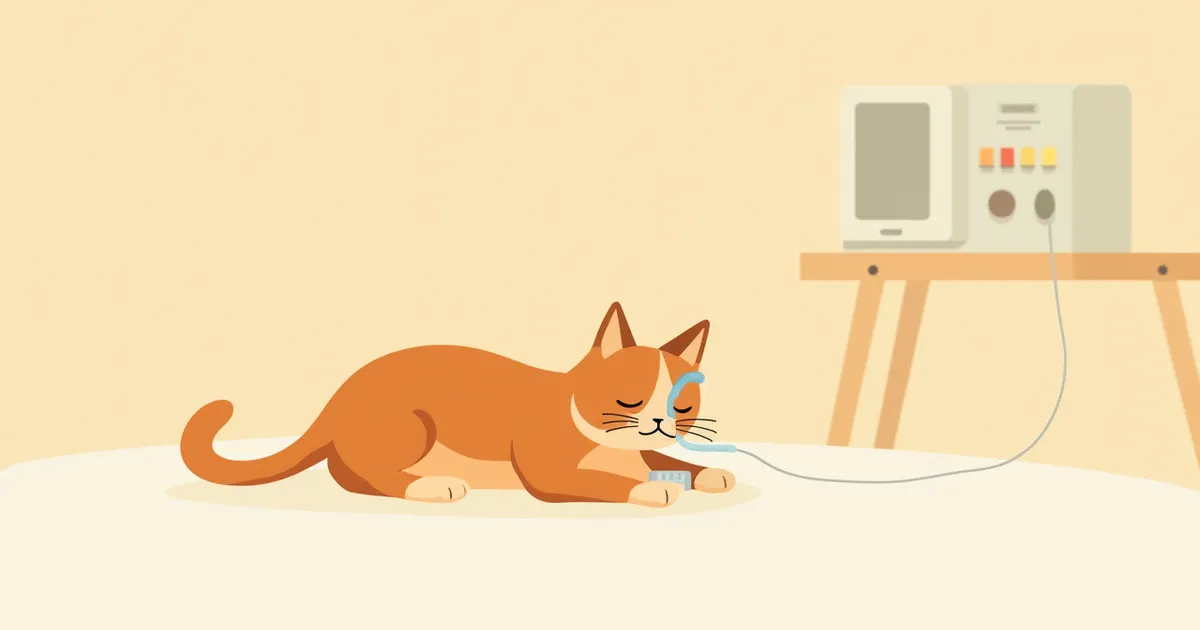
Rather than relying solely on an echocardiogram, it’s best to choose a clinic that also offers blood pressure monitoring, electrocardiograms, and blood tests for cardiac biomarkers like NT-proBNP. Cats are skilled at hiding symptoms, so a comprehensive evaluation is essential when heart murmurs or changes in breathing appear to avoid missing early-stage heart disease. You can feel more at ease if the clinic provides a low-stress environment for examinations and is equipped to offer hospitalization and oxygen therapy when needed. Ideally, look for a practice that conducts regular follow-ups and compares new imaging results with previous records.
An informational image explaining whether circulatory system care and supplementary diagnostic tests are provided together.

Check 3: Veterinarian Performs Quantitative Measurements and Directly Explains Results

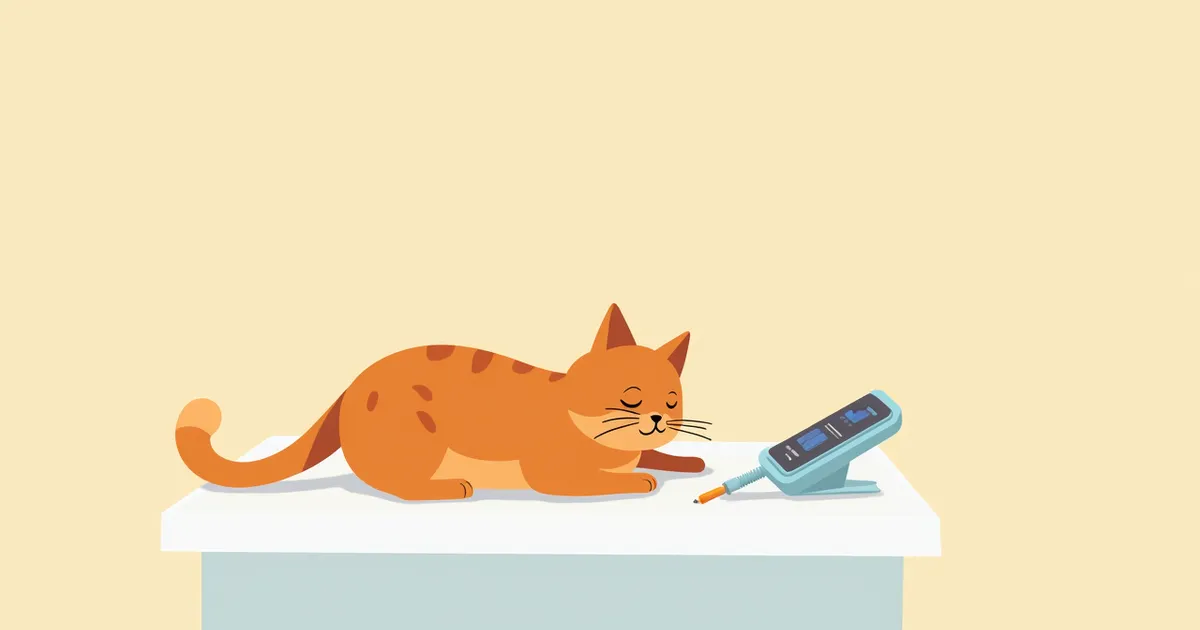
Even with the same echocardiogram images, a veterinarian’s experience plays a crucial role in accurately measuring and interpreting values such as the left atrium-to-aorta ratio and ventricular wall thickness. Choose a clinic where the veterinarian frequently performs cardiac ultrasounds and personally explains to you how the measurements compare to normal ranges, as well as whether medication or follow-up examinations are needed. A clinic with a veterinarian who provides guidance on the next steps for ongoing care is preferable to one that simply hands you the results and ends there.
An informational image showing whether the veterinarian personally explains the quantitative measurements and results.

Checklist for Choosing a Clinic for Cardiac Ultrasound

ItemRecommended Criteria
EquipmentA place with a dedicated cardiac ultrasound equipped with color and continuous-wave Doppler
Test OperationA place that also reviews supporting tests such as blood pressure, ECG, and NT-proBNP
Interpretation AbilityA vet with extensive echocardiography experience who performs quantitative measurements accurately
Result InterpretationA place that personally explains measurements compared to normal ranges and guides a management plan
Cost GuidanceA place that informs you in advance of expected costs and the possibility of additional tests before testing

This table does not recommend specific products or clinics; it's a reference for when you consult your veterinarian. Always make treatment and testing decisions together with your vet through an examination.

Caution: Essential Points to Know for Feline Echo Exams

If you suspect your cat has a heart condition, it is essential to have them examined at a specialized veterinary clinic. In particular, if symptoms of cardiac arrest or acute heart failure appear, immediate veterinary care is necessary. Before the examination, accurately inform the veterinarian about your cat’s condition. Since stress during the test can skew the results, ensure your cat gets plenty of rest beforehand.

Usage Tips: Pre- and Post-Exam Care for Feline Echo

Echocardiography is a non-invasive test that does not require fasting, so you can feed and water your cat as usual the day before the exam. However, because cats are sensitive to stress, anxiety can affect the interpretation of the results; therefore, it is important to keep your cat in a quiet space and minimize stimulation to help them stay calm before the procedure. After the exam, please wait until your cat has returned to a comfortable state. Once you receive the results, work with your veterinarian to develop a management plan. For conditions such as hypertrophic cardiomyopathy (HCM), echocardiography is the best method for tracking disease progression, so regular exams are recommended to continuously monitor your cat’s heart health.
A cat resting comfortably after an ultrasound examination.

Reviewed by a veterinarian

Dr. Tony — Punnawat Phongkittirak

Dr. Tony — Punnawat Phongkittirak

Veterinarian

A veterinarian who majored in veterinary medicine at Khon Kaen University, Thailand, and completed the IVSA program at North Carolina State University in the United States. Drawing on clinical experience at animal hospitals, he works in the pet healthcare field and is dedicated to building a digital care environment that connects pet parents with veterinarians.

Frequently Asked Questions

Does a cat need anesthesia for an echocardiogram?
No, a cat’s echocardiogram can be performed without anesthesia. However, if the cat is stressed, the results may be inaccurate, so it’s important to keep the cat calm before the exam.
Even if the echocardiogram results are normal, is regular check-up still necessary?
Yes, we recommend annual check-ups for senior cats and breeds at higher risk of genetic heart conditions, such as Maine Coons and Ragdolls. Early detection plays a crucial role in effective management.
How much does an echocardiogram cost?
Costs can vary widely depending on the clinic, the specific tests performed, and your pet’s condition. For an accurate estimate, please contact the clinic where you plan to receive treatment directly.
Is your cat uncomfortable during the examination?
The exam itself is painless. However, your cat may feel confused or tense because the veterinarian needs to touch them and place the ultrasound probe on their skin. It’s important to help your cat feel comfortable before the procedure.
What should I do if the echocardiogram results show abnormalities?
Work with your veterinarian to develop a treatment plan, which may include medication, dietary management, and regular follow-up exams. Early intervention plays a crucial role in preventing the progression of heart disease.

Share

Related Guides

References

[1] Textbook of Cardiovascular Medicine in Dogs and Cats, 2021

[2] Feline Emergency and Critical Care Medicine, 2nd Ed, 2020

[3] Clinical Medicine of the Dog and Cat, 4th Ed, 2019

This information is based on veterinary literature and does not replace diagnosis or treatment. Please consult a veterinarian for specific health concerns.

Metapet Co., Ltd. | CEO: Park Sung-yong | Business Reg. No. 417-88-02562 | Seoul, South Korea | Customer Center

7 Vet Tips for Choosing a Feline Cardiac Ultrasound | Meongsiljang