Like
Share
멍실장
고양이 녹내장 약물·수술 치료 관리 추천 BEST와 고르는 기준 총정리

7 Best Feline Glaucoma Treatment and Management Tips from Veterinarians — Criteria for Choosing Medication vs. Surgery

Eye HealthTop PicksMeongsiljang Veterinary Advisory Board

Feline glaucoma is a serious condition that can lead to vision loss. With appropriate medication and surgical management, the progression of the disease can be slowed.

Early Diagnosis and Tailored Management Are Key to Treating Feline Glaucoma
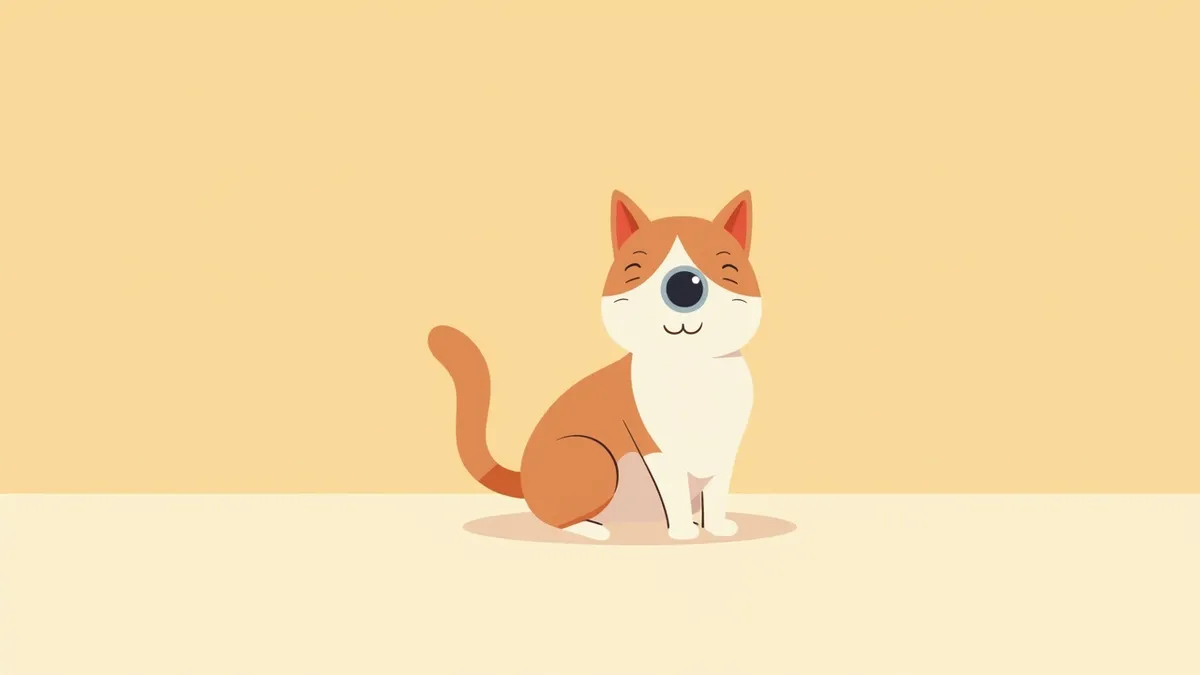
The appearance of a cat’s eye clouded by glaucoma
Feline glaucoma is a condition in which persistently elevated intraocular pressure damages the optic nerve. In its early stages, symptoms such as redness and blurred vision may appear. Initiating appropriate treatment at this stage can help slow vision loss. - Early diagnosis: It is important to consult with a veterinarian for an accurate diagnosis while symptoms are still mild. - Tailored treatment plan: Depending on the cat’s condition and disease progression, various treatments such as medications and surgery may be combined. - Regular check-ups: Periodic measurements of intraocular pressure and eye examinations are necessary throughout treatment. - Owner care: Proper administration of eye drops and close observation of the eye’s condition are essential. Treatment success depends on all these elements working together effectively.

Note: What to Consider When Evaluating Glaucoma Treatment
When choosing a treatment for feline glaucoma, it’s important to take a comprehensive look at the stage of the disease, the condition of the eye, the cat’s life expectancy, and the owner’s ability to manage care. It’s safest to understand the pros and cons of each treatment option and make a decision in consultation with your veterinarian.
Suitability for medication: Medication is effective in the early stages when intraocular pressure can be controlled.
Surgical options: If pressure control is difficult, surgery may be necessary.
Risk of recurrence: Some surgeries may have a risk of long-term recurrence, so caution is advised.
Cost and management burden: Long-term medication or post-surgical care may be required, so financial and time commitments should also be considered.
A veterinarian measuring a cat's eye pressure.

Note 1: Glaucoma Is an Emergency Condition Requiring Prompt Treatment
Glaucoma is a condition in which elevated intraocular pressure damages the optic nerve. Because a sudden spike in eye pressure can lead to vision loss in a very short time, prompt treatment is essential. Seek veterinary care immediately if your pet’s eyes appear enlarged or red, show signs of pain, or if they are rubbing their eyes or seem to have diminished vision. In cats, glaucoma often develops secondary to other eye conditions such as uveitis, so it is important to identify and address any underlying causes.
Glaucoma is an emergency condition that requires prompt treatment. Related informational image

Note 2: The Core of Treatment Options Is Lowering Intraocular Pressure
The cornerstone of glaucoma treatment is lowering elevated intraocular pressure. This is typically managed with eye drops or oral medications to reduce pressure. If medications alone are insufficient or vision recovery is difficult, laser therapy or surgery may be considered. When an underlying cause, such as uveitis, is present, that condition must also be treated. The appropriate medication and treatment approach depend on the intraocular pressure and the overall condition of the eye, so a veterinarian will determine and prescribe the plan following a comprehensive ophthalmic examination.
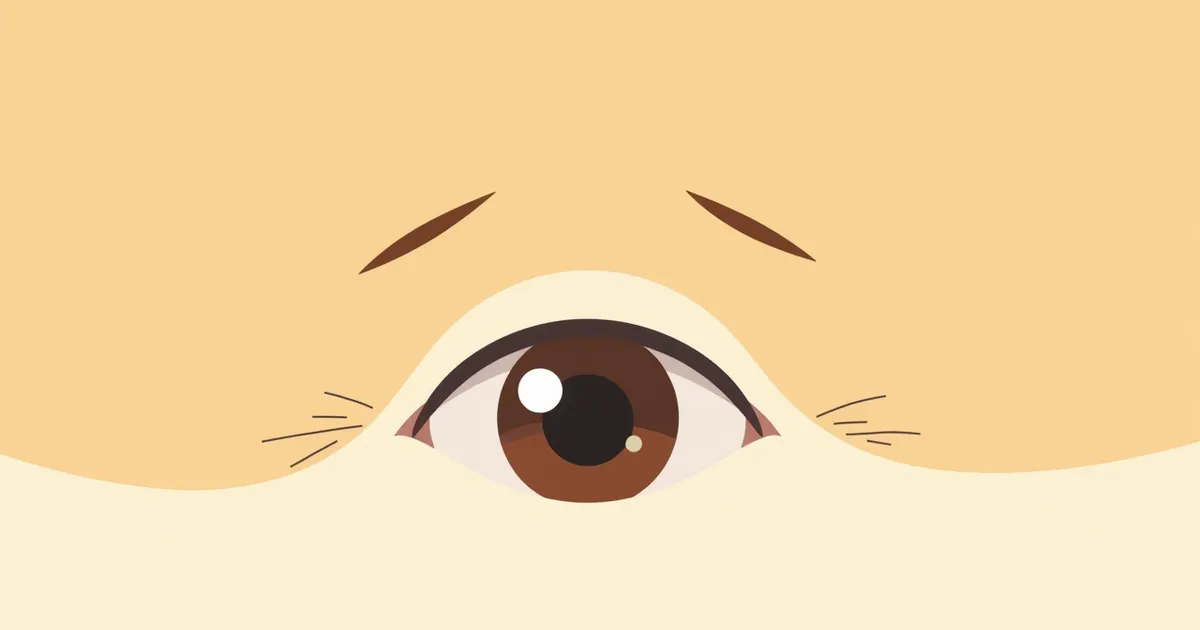
The key to treatment is lowering intraocular pressure. See the related guide image.

Note 3: Immediate Veterinary Care and Consistent Management Are Essential
Glaucoma is a condition where immediate veterinary care is crucial to preserving vision. After starting treatment, regular monitoring of intraocular pressure and medication adjustments are necessary. If one eye is affected, the other eye should also be closely monitored. Do not stop medications without consulting your veterinarian; follow the prescribed regimen consistently. If pain or redness worsens, seek veterinary attention promptly. In many cases, the goal of glaucoma treatment is not a cure but managing intraocular pressure to preserve remaining vision and comfort.
Immediate veterinary care and consistent follow-up management are essential. Please refer to the accompanying guide image for more details.

Key Points to Know About Glaucoma Treatment

ItemKey Points
UrgencyA rapid rise in intraocular pressure can cause vision loss in a short time; seek care immediately
Feline characteristicsOften occurs secondary to conditions like uveitis, so the underlying disease is also treated
Treatment optionsEye drops and systemic drugs to lower intraocular pressure; laser or surgery if needed
Prescription principlesThe veterinarian decides and prescribes the drug and method based on intraocular pressure and eye condition
ManagementRegular intraocular pressure measurement and medication adjustment; also carefully monitor the other eye

This is not a table recommending specific products or clinics, but a reference for criteria when consulting your veterinarian. Treatment and testing decisions must always be made together with your veterinarian through an examination.

Caution: Visit the Vet Immediately If There Is Severe Pain or Eye Swelling

If your cat is rubbing its eyes, keeping them closed, or if its eyes appear swollen or red, it could be a sign of acute glaucoma. This condition can lead to rapid vision loss, so it’s important to consult a veterinarian immediately. Delaying treatment can make it more difficult to manage.

5 Post-Treatment Care Tips
Consistent care remains essential even after treatment. Regularly monitor your pet’s eye condition and ensure no doses are missed.
Adhere to the medication schedule: Administer eye drops precisely at the prescribed times.
Monitor eye condition: Closely observe for redness, light sensitivity, or changes in tear production.
Environmental management: Provide a quiet, comfortable space for rest.
Prevent infection: Wash your hands and avoid direct contact with the eyes.
Regular check-ups: Glaucoma is often a condition where the goal is consistent intraocular pressure management rather than a complete cure, making it crucial not to miss scheduled check-ups. The frequency of visits varies depending on eye condition and intraocular pressure, so follow your veterinarian’s recommended schedule to recheck pressure and adjust medication as needed.
A cat resting quietly in a calm environment after treatment.

Reviewed by a veterinarian

Dr. Tony — Punnawat Phongkittirak

Dr. Tony — Punnawat Phongkittirak

Veterinarian

A veterinarian who majored in veterinary medicine at Khon Kaen University, Thailand, and completed the IVSA program at North Carolina State University in the United States. Drawing on clinical experience at animal hospitals, he works in the pet healthcare field and is dedicated to building a digital care environment that connects pet parents with veterinarians.

Frequently Asked Questions

Can feline glaucoma be cured?
While a complete cure remains elusive at present, we can manage intraocular pressure and slow vision loss through medication or surgery. Early intervention is key.
What should I do if I miss a dose of eye drops?
If you miss a dose, administer it as soon as you remember, provided it’s not too close to the next scheduled dose. If it’s almost time for the next dose, skip the missed one and resume the regular schedule—do not adjust the dosing interval on your own. When in doubt, consult your veterinarian.
Will my cat be able to adjust well after surgery?
Most cats experience reduced pain after surgery, which leads to increased activity and an improved quality of life. It’s also important for pet owners to adjust to any changes in their cat’s appearance.
Does glaucoma always require surgery?
No. In the early stages, it can be managed with medication. Surgery is considered when pressure control is difficult or when pain is severe.
Will my cat feel lonely after an enucleation?
Cats rely more on their sense of smell and hearing than on vision, so pain relief is more important than alleviating loneliness. They need adequate care and a stable environment.

Share

Related Guides

References

[1] Fossum TW. Small Animal Surgery. 5th ed. Elsevier; 2020.

[2] Kass PH, et al. Glaucoma in cats: a review of diagnosis and management. J Feline Med Surg. 2018;20(1):3-14.

[3] Plumb's Veterinary Drug Handbook, 9th ed. Wiley-Blackwell; 2022.

This information is based on veterinary literature and does not replace diagnosis or treatment. Please consult a veterinarian for specific health concerns.

Metapet Co., Ltd. | CEO: Park Sung-yong | Business Reg. No. 417-88-02562 | Seoul, South Korea | Customer Center

7 Vet Tips on Feline Glaucoma: Medication vs. Surgery | Meongsiljang