Like
Share
멍실장
고양이 심부전 응급 처치 관리 추천 BEST와 고르는 기준 총정리

7 Essential Treatments and Management Steps for Feline Congestive Heart Failure Emergencies

HeartTop PicksMeongsiljang Veterinary Advisory Board

Feline heart failure can lead to sudden respiratory distress and pulmonary edema, making emergency care crucial. Here’s a summary of effective management products and guidelines.

Feline Heart Failure Emergency Care Is Key to Saving Lives
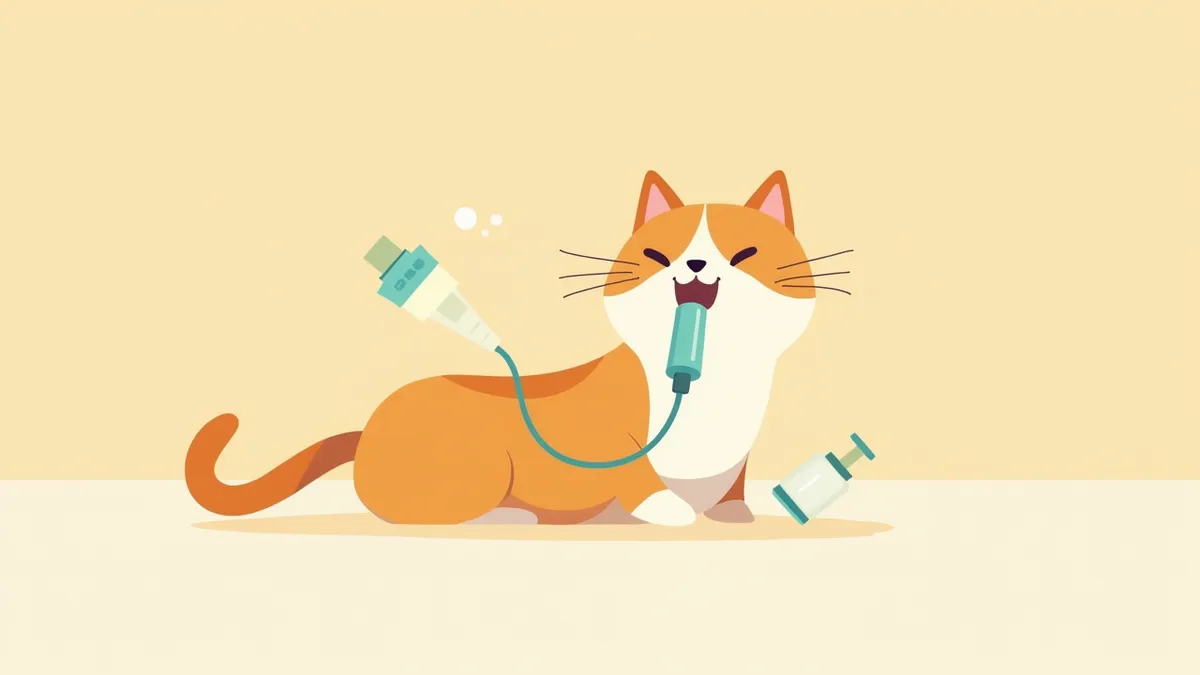
A cat experiencing difficulty breathing receives oxygen therapy.
Feline heart failure is a dangerous condition in which impaired heart function leads to fluid accumulation in the lungs (pulmonary edema) or the chest cavity (pleural effusion). Unlike in dogs, coughing is not a common symptom in cats with heart failure; instead, more frequent signs include rapid breathing, difficulty breathing, increased effort to breathe, and lethargy. If you notice these symptoms, immediate veterinary care is essential. Emergency treatment focuses on sustaining life by administering oxygen to reduce respiratory burden and using medications such as diuretics to remove excess fluid. In particular, oxygen therapy helps decrease the work of breathing. However, because cats can become severely stressed by even minor stimuli—thereby increasing cardiac strain—it is crucial to keep them as calm and quiet as possible before examinations or treatments. Pet owners should be familiar with basic first-aid measures, but following a veterinarian’s guidance is the safest approach. Since all these interventions are only temporary measures, transporting the cat to a veterinary hospital is absolutely essential.

Know This: Recognizing a Heart Failure Emergency
- Immediate effect and safety: In emergencies, the product should work quickly while minimizing stress on your cat. - Ease of use: It should be easy for pet owners to administer and in a form that cats are unlikely to reject. - Functionality: Ideally, the product should support oxygen supply, promote diuresis, and improve heart function. - Veterinarian recommendation: Always choose products under the guidance of a professional veterinarian. - Stability and reliability: It’s important to select products that have undergone quality verification. - Long-term manageability: Products that can be used not only for short-term emergencies but also for ongoing care are preferred.
A veterinarian explaining the use of an oxygen mask for cats.

Know This 1: Respiratory Distress Is the Key Sign of Heart Failure Emergencies
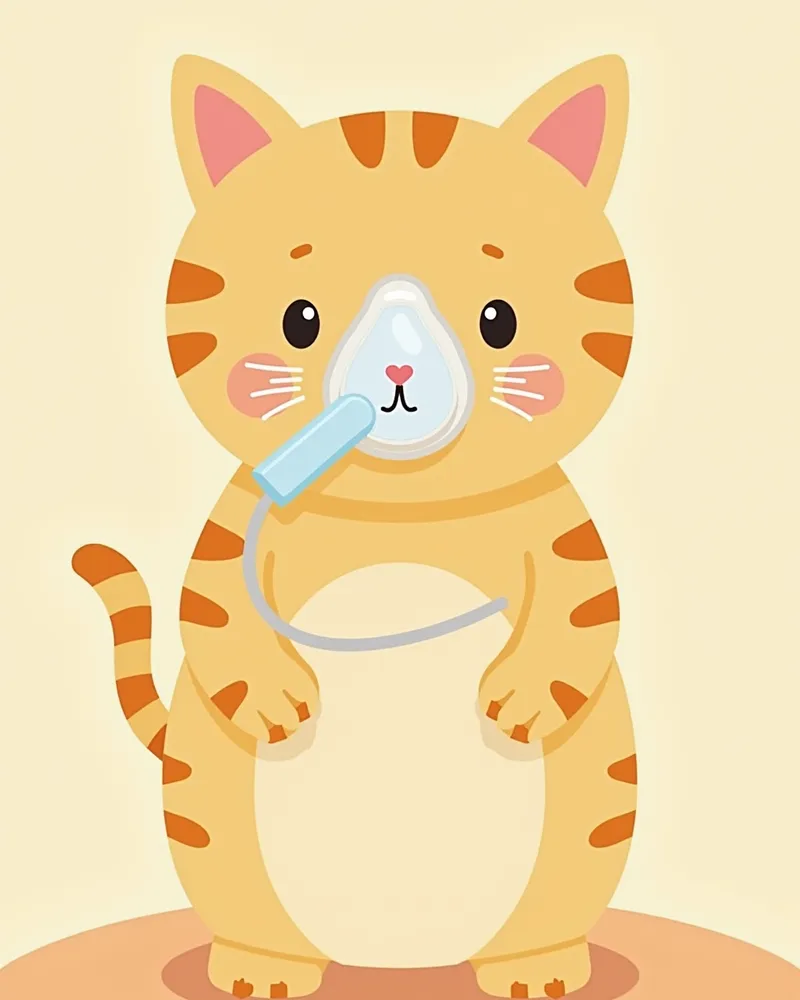
When heart failure worsens, fluid can accumulate in the lungs (pulmonary edema) or chest cavity (pleural effusion), leading to severe breathing difficulties and a life-threatening emergency that requires immediate action. Cats often mask heart disease symptoms until sudden respiratory distress occurs, so regularly monitoring for an increased resting respiratory rate is essential. Never overlook any changes in breathing patterns.
Respiratory distress is the key warning sign of a heart failure emergency. See the accompanying image for guidance.

Know This 2: Emergency Signs and What to Do on the Spot
If your cat is panting with its mouth open, breathing rapidly with noticeable abdominal heaving, or if its gums and tongue appear bluish, seek veterinary care immediately. Avoid forcing the cat into your arms or causing excitement, as this can worsen the situation; instead, keep the environment as calm and comfortable as possible and transport the cat quickly. Rather than attempting aggressive first aid like CPR at home, focus on moving the cat to the clinic swiftly while ensuring its airway remains unobstructed. It’s wise to identify a nearby emergency clinic in advance.
Guide image on emergency signs and what to do on the spot

Know This 3: Hospital Treatment and Subsequent Management
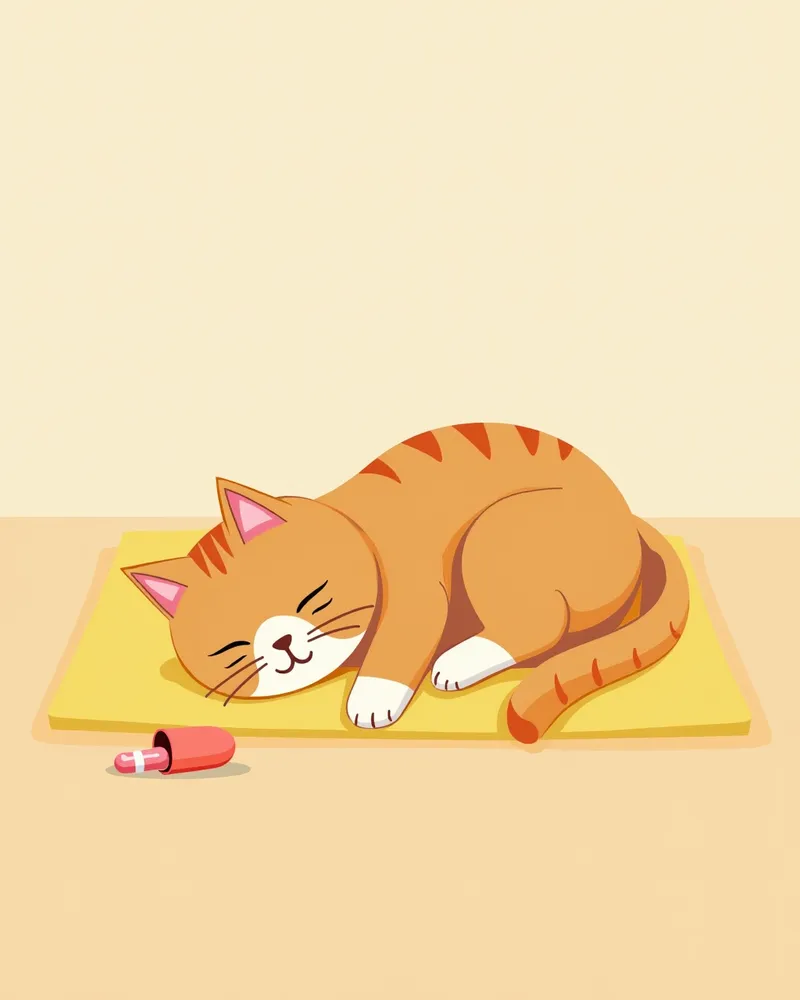
In an emergency, treatment involves providing oxygen, draining fluid from the lungs and chest cavity using diuretics, and stabilizing the heart. Once the crisis has passed, a medication plan is developed based on cardiac evaluations, and consistent management is essential to reduce the risk of recurrence. At home, it is important to monitor your pet’s resting respiratory rate to detect worsening symptoms early, administer medications without missing doses, and keep up with regular veterinary check-ups. If you notice any changes, consult your veterinarian rather than making independent decisions.
Guide image on hospital treatment and post-treatment care

What Pet Owners Should Know About Heart Failure Emergencies

ItemKey Points
Key SignsRespiratory distress from pulmonary edema or pleural effusion, which can be life-threatening
Emergency SymptomsOpen-mouth or abdominal breathing, rapid breathing, bluish gums or tongue
On-the-Spot ResponseKeep the cat calm without exciting it, and transport quickly in a position that doesn't obstruct breathing
Hospital TreatmentRemove fluid with oxygen and diuretics, then plan medication once stabilized
Follow-up CareOnce stable, manage recurrence by recording respiratory rate, giving medication, and regular checkups

This table does not recommend specific products or clinics; it's a reference for when you consult your veterinarian. Always make treatment and testing decisions together with your vet through an examination.

Emergency Situation: If Respiratory Distress Worsens, Transport to the Hospital Immediately

If your cat is panting with its mouth wide open or its lips turn blue, these are signs of worsening heart failure. While providing oxygen can help, immediate veterinary care is absolutely essential. Home measures are only temporary and should not replace professional treatment.

Usage Tips: Be Careful to Avoid Stressing Your Cat
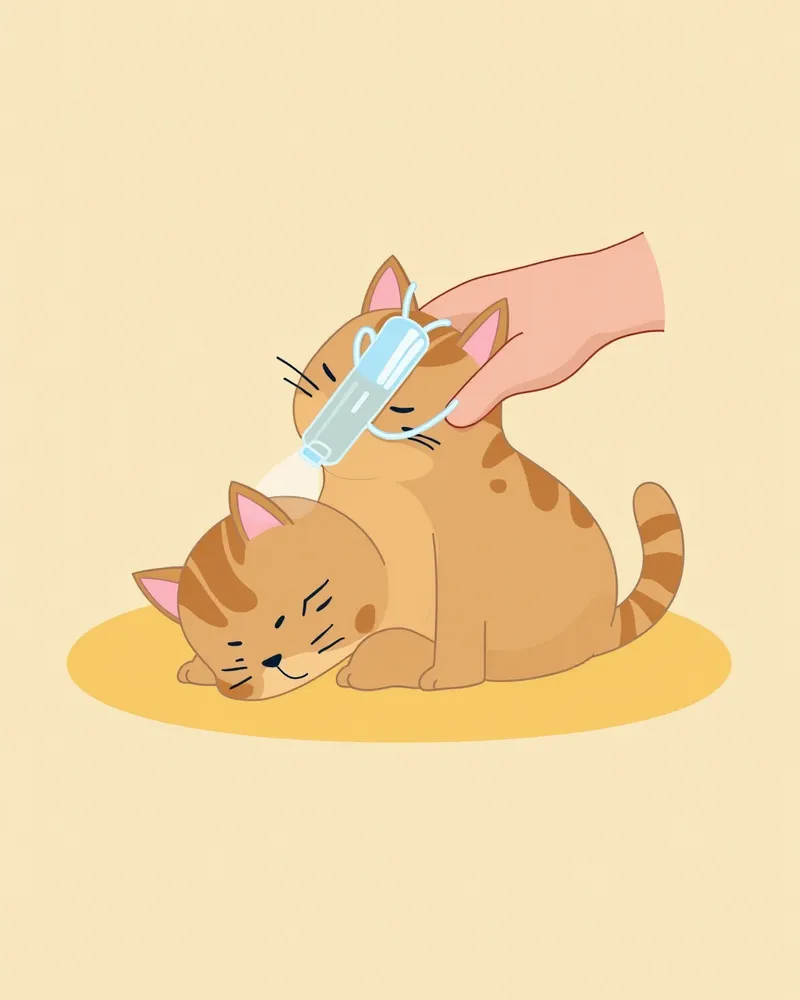
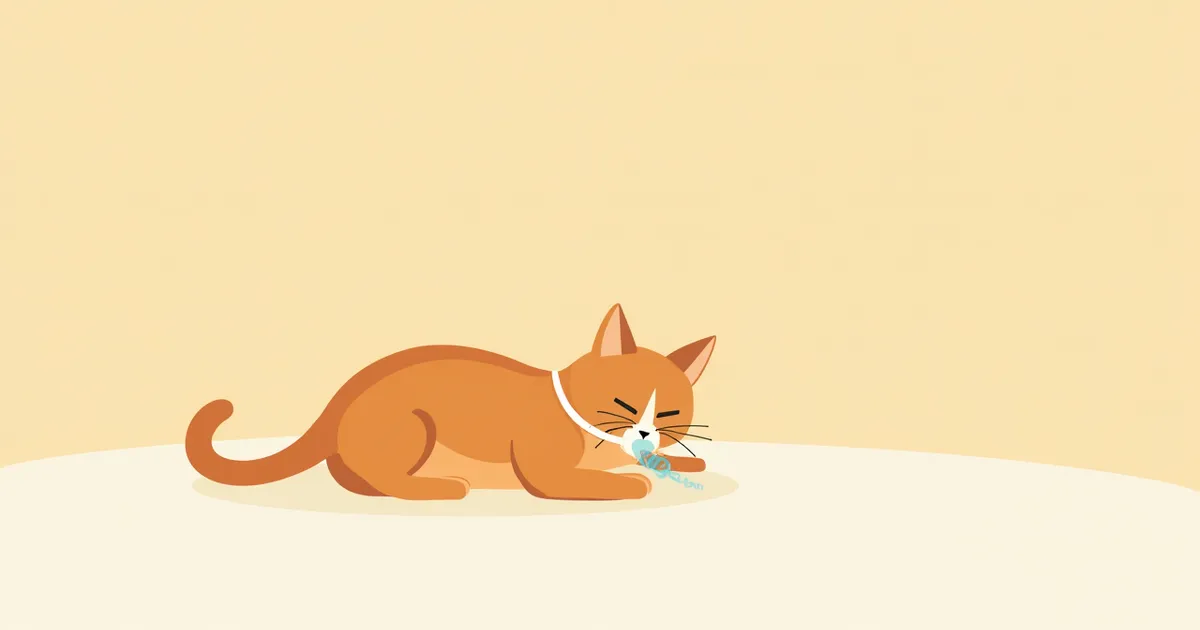
- Take action in a quiet environment: Cats become extremely stressed in emergencies, so handle the situation in a calm, well-lit space. - Approach gently: When putting on a mask or administering medication, approach slowly and handle your cat with a gentle touch. - Monitor reactions closely: Continuously observe your cat’s breathing, behavior, and responses. - Stop immediately if anxious: Excessive stress can strain the heart, so consult your veterinarian if your cat becomes overly distressed. - Provide a sense of security: Offer a blanket or a comfortable space to help your cat feel at ease. - Stay calm yourself: Maintain your own composure to help reassure and calm your cat.
Gently placing an oxygen mask on a cat

Reviewed by a veterinarian

Dr. Tony — Punnawat Phongkittirak

Dr. Tony — Punnawat Phongkittirak

Veterinarian

A veterinarian who majored in veterinary medicine at Khon Kaen University, Thailand, and completed the IVSA program at North Carolina State University in the United States. Drawing on clinical experience at animal hospitals, he works in the pet healthcare field and is dedicated to building a digital care environment that connects pet parents with veterinarians.

Frequently Asked Questions

Can you perform emergency first aid for feline heart failure at home?
While temporary oxygen support or administering medication may be possible, the key is a veterinarian’s diagnosis and treatment. Home care measures are only temporary steps to take before arriving at the clinic.
How do I use an oxygen mask?
Use the flow rate prescribed by your veterinarian, and administer the treatment in a quiet environment to keep your cat comfortable. Make sure the mask fits properly and take care to prevent it from slipping off.
Is it safe to give diuretics frequently?
No. It's important to strictly follow the dosage and schedule prescribed by your veterinarian. Overdosing can lead to dehydration or kidney damage.
Is it safe to give Pimobendan long-term?
Heart medications vary in their effects and precautions depending on the type, and since most cases of feline cardiomyopathy involve diastolic heart failure, the choice of medication depends on the diagnostic results. Therefore, rather than arbitrarily deciding on long-term use, it is essential to follow your veterinarian’s prescription and guidance, and to undergo regular re-evaluations through tests such as echocardiography and cardiac biomarker assays. Because certain medications can affect overall health, including kidney function, ongoing monitoring by your veterinarian is necessary.
What should I do if congestive heart failure recurs?
If the condition recurs, please visit the clinic immediately. We’ll need to restart emergency care and adjust the treatment plan under veterinary guidance.

Share

Related Guides

References

[1] Handbook of Veterinary Pharmacology, 2023, Chapter 307: Drugs Used in Heart Failure Therapy

[2] Textbook of Cardiovascular Medicine in Dogs and Cats, 2022, Section 7.19: Management of Congestive Heart Failure

[3] Notes on Canine and Feline Internal Medicine, 4th Edition, 2021, pp. 751-755: Diuretics and ACE Inhibitors in CHF

This information is based on veterinary literature and does not replace diagnosis or treatment. Please consult a veterinarian for specific health concerns.

Metapet Co., Ltd. | CEO: Park Sung-yong | Business Reg. No. 417-88-02562 | Seoul, South Korea | Customer Center

Feline Congestive Heart Failure: 7 Emergency Care Steps | Meongsiljang