Like
Share
멍실장
고양이 이소성 박동 관리 추천 BEST와 고르는 기준 총정리

7 Key Management Points for Feline Ectopic Beats (Premature Contractions) Explained by a Veterinarian

HeartTop PicksMeongsiljang Veterinary Advisory Board

Feline ectopic beats are abnormal heart rhythms that arise from irregular electrical signals in the heart, and their management depends on the underlying cause. Accurate diagnosis and tailored care are essential.

Feline Ectopic Beats Are Abnormal Heart Rhythms
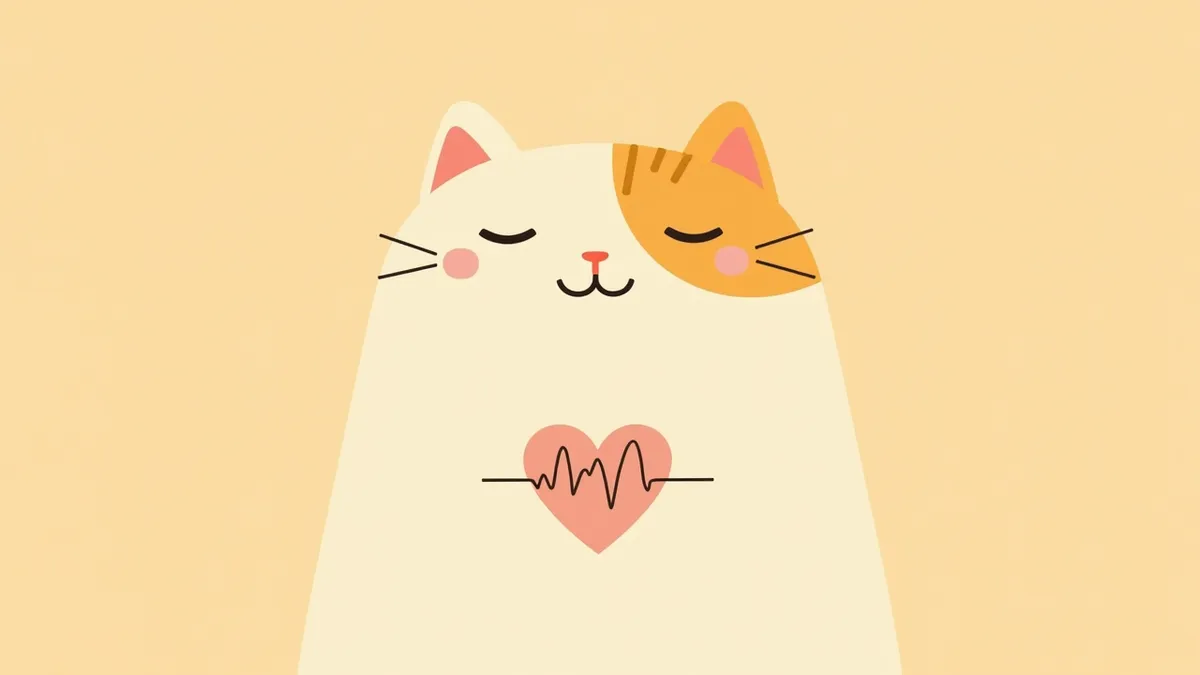
An image of a cat’s chest with gently overlapping heart rhythm waveforms
Ectopic beats in cats occur when the heart’s electrical signals deviate from the normal rhythm, firing earlier than expected or irregularly. They can manifest in various forms, such as premature ventricular contractions (PVCs) or premature atrial contractions (PACs), and may stem from a range of causes, including structural heart diseases like hypertrophic cardiomyopathy or hormonal imbalances such as hyperthyroidism. - Accurate diagnosis comes first: Ectopic beats are not merely symptoms but may indicate underlying heart disease. Therefore, it is essential to first identify the cause through diagnostic tools like electrocardiography (ECG), 24-hour Holter monitoring, or cardiac ultrasound. - Evidence-based treatment involves prescription medication: Clinically significant arrhythmias are managed with veterinarian-prescribed antiarrhythmic drugs such as sotalol, atenolol, diltiazem, or digoxin. There is no evidence that supplements alone can control ectopic beats. - Veterinary guidance is essential: Self-diagnosis or unsupervised medication use can be dangerous. Always seek professional diagnosis and follow prescribed treatment plans. Early detection and appropriate care can significantly improve your cat’s quality of life.

6 Essential Criteria to Consider When Managing Ectopic Beats
When managing ectopic beats in cats, it is essential to prioritize comprehensive medical evidence over marketing claims. The safest approach is to make decisions based on an accurate diagnosis and under the guidance of a veterinarian.
Prioritize accurate diagnosis: First, identify the type and cause of the arrhythmia using electrocardiograms (ECG), Holter monitoring, and cardiac ultrasound.
Select evidence-based medications: Arrhythmias accompanied by clinical signs should be managed with proven antiarrhythmic drugs such as sotalol, atenolol, diltiazem, or digoxin.
Consider renal and hepatic function: Cats with chronic kidney disease may require dosage adjustments for medications like atenolol, making organ function evaluation necessary.
Beware of drug interactions: Combining calcium channel blockers and beta-blockers can increase the risk of atrioventricular block, so it is crucial to verify all concurrent medications.
Veterinary prescription status: Whether a medication is a prescription drug used and validated in clinical practice is key to its reliability.
Do not over-rely on supplements: There is no evidence that natural or herbal supplements can treat arrhythmias, and some herbs are actually not recommended.
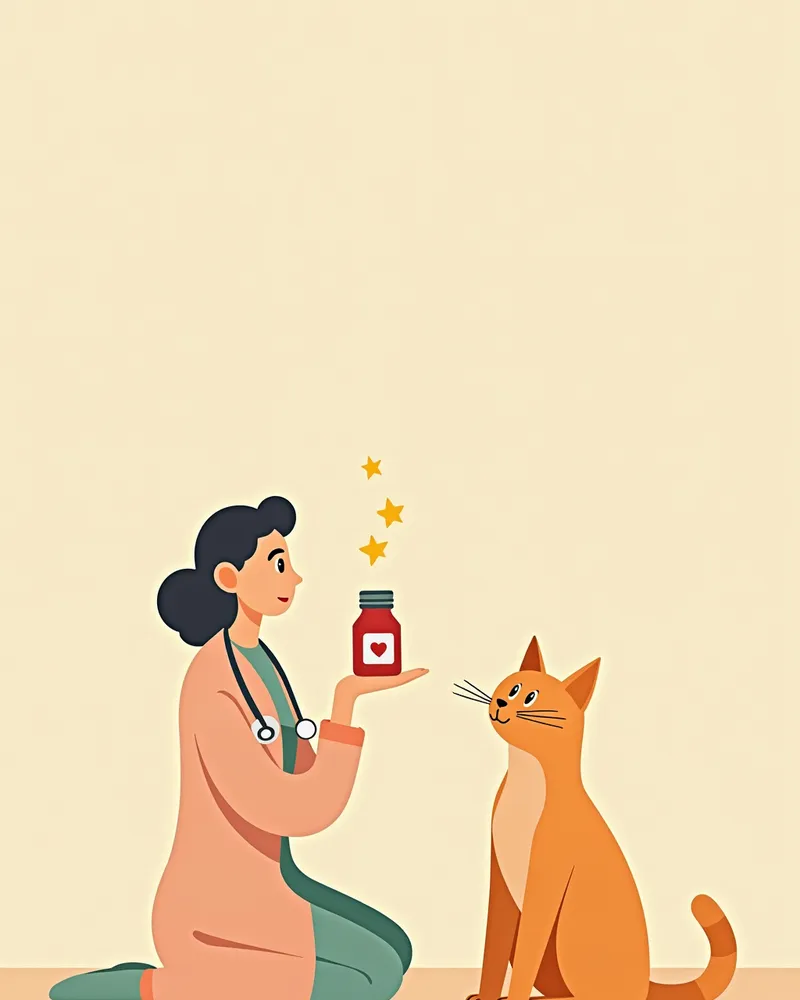
A veterinarian holding a bottle of heart supplements, with a cat curiously looking on.

BEST 1: Cardiac Calm Protector Capsules
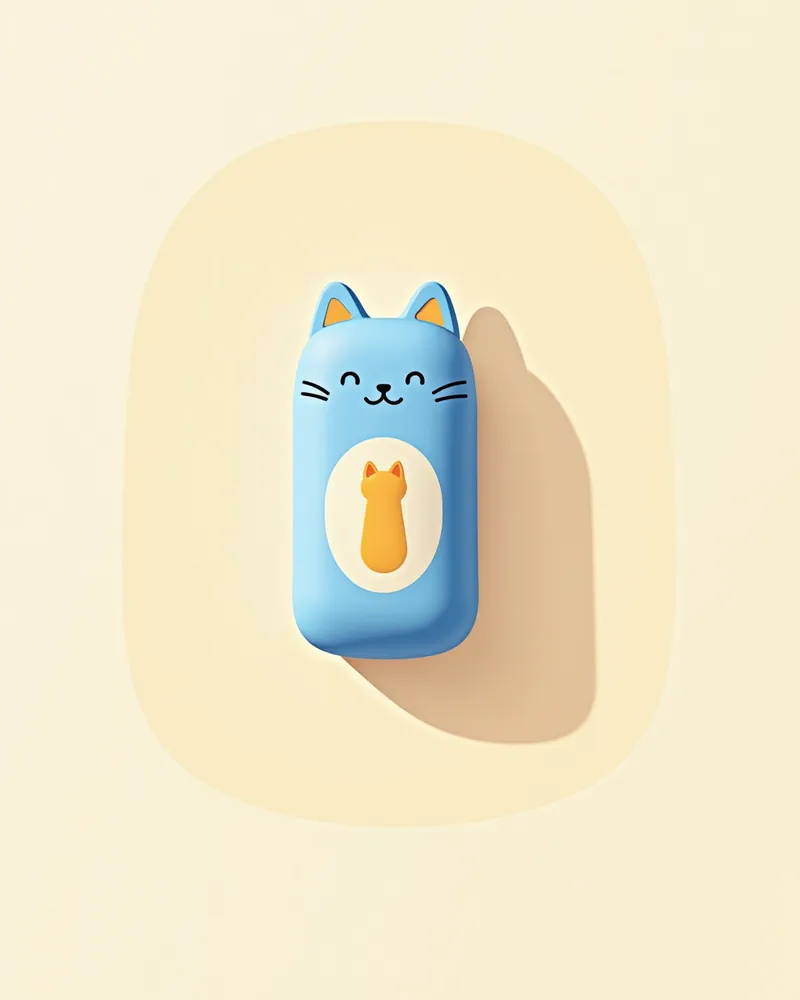
“Cardiac Calm Protector Capsules” is a supplement marketed as containing natural ingredients. However, there is no evidence in veterinary textbooks to support claims that ingredients such as resveratrol, omega-3 fatty acids, and magnesium reduce premature ventricular contractions in cats or improve the contractility of heart muscle. The standard of care for managing arrhythmias is the use of veterinarian-prescribed antiarrhythmic medications such as sotalol and atenolol. Since supplements are not treatments, claims like “improvement within 2–4 weeks” lack verified scientific backing. Always consult your veterinarian before administering any supplement, and prioritize prescribed treatments based on a proper diagnosis.
A product in a blue capsule bottle with a cat-shaped label

BEST 2: Cardiac Health Capsule Plus

“Cardiac Health Capsule Plus” is marketed as a multifunctional supplement for senior cats. However, there is no textbook evidence to support the claim that the following ingredients improve feline arrhythmias or declining cardiac function. - Coenzyme Q10 and Lutein: Although advertised to support energy metabolism in heart cells, there is no textbook evidence that they improve arrhythmias in cats. - Vitamin E: While known for its antioxidant properties, there is no evidence that it treats ectopic beats. - Form: The liquid form may be convenient to administer, but convenience does not equate to therapeutic efficacy. - Evidence-based treatment: Arrhythmias accompanied by symptoms are managed with veterinarian-prescribed medications such as sotalol and diltiazem. - Veterinary consultation is essential: Always consult a professional after diagnosis before deciding whether to use any supplement.
An image showing a white capsule bottle and a liquid bottle placed together.

BEST 3: Febrika, a Natural Heart Supplement

“Febrika,” a natural heart supplement, is marketed for its plant-based ingredients. However, just because a product contains natural or herbal components doesn’t mean it’s safe or effective for your pet’s heart. - Unproven herbal effects: There’s no scientific evidence in veterinary textbooks to support claims that lemon balm or thyme extracts stabilize a cat’s heartbeat. - Caution with herbs: Some herbs, such as hawthorn, may actually worsen heart toxicity and are not recommended. Always check the ingredient list carefully. - “Natural” doesn’t mean “safe”: Even natural ingredients can be toxic to cats, so don’t assume safety based solely on the term “natural.” - Evidence-based care: Arrhythmias with clinical symptoms should be managed with antiarrhythmic medications prescribed by a veterinarian. - Consult a professional: Always talk to your vet before giving your pet any supplement.
A natural supplement product in a green bottle with a plant design

Comparison Table of Products BEST 1–3

ItemMain IngredientsFormRecommended Age
Cardiac Stability Protector CapsuleResveratrol, Omega-3, MagnesiumCapsuleDecide after consulting a vet
Heart Health Capsule PlusCoenzyme Q10, Lutein, Vitamin ECapsule/LiquidDecide after consulting a vet
Natural Heart Supplement FebricaHerbal blend, Lemon balm, Plant extractsCapsuleDecide after consulting a vet

The ingredients and forms in the table are information the products claim, and there is no veterinary evidence that these ingredients treat ectopic beats in cats. Arrhythmias are managed with vet-prescribed drugs such as sotalol, atenolol, diltiazem, and digoxin. Whatever the product, choose it according to diagnosis and dosing guidance, and if any abnormality occurs, stop immediately and visit a clinic.

Caution: Always Consult Your Veterinarian Before Use

Ectopic beats can be a sign of declining heart function. Self-diagnosis or indiscriminate use of supplements may lead to serious complications. Always determine the underlying cause through an echocardiogram or electrocardiogram, and only use products prescribed by your veterinarian.

5 Practical Tips for Managing Ectopic Beats
Managing ectopic beats isn’t about relying on supplements; it centers on daily care grounded in accurate diagnosis and a veterinarian’s prescription. By following these steps, you can help maintain your pet’s heart health more steadily.
Minimize stress: Environmental changes or loud noises can be burdensome for cats, so provide a quiet and stable space.
Avoid strenuous activity: If you notice symptoms such as fainting, exercise intolerance, or lethargy, do not force physical exertion and consult your veterinarian.
Manage weight and diet: Obesity places strain on overall health, so maintain an appropriate weight and determine the diet in consultation with your veterinarian.
Consistently take prescribed medication: If antiarrhythmic drugs have been prescribed, do not stop them arbitrarily; follow the instructions carefully.
Regular cardiac check-ups: Track changes in condition through regular evaluations such as electrocardiograms, Holter monitoring, and cardiac ultrasounds.
A quiet indoor scene of a cat playing with a feather toy.

Reviewed by a veterinarian

Dr. Tony — Punnawat Phongkittirak

Dr. Tony — Punnawat Phongkittirak

Veterinarian

A veterinarian who majored in veterinary medicine at Khon Kaen University, Thailand, and completed the IVSA program at North Carolina State University in the United States. Drawing on clinical experience at animal hospitals, he works in the pet healthcare field and is dedicated to building a digital care environment that connects pet parents with veterinarians.

Frequently Asked Questions

Can ectopic beats in cats be treated?
It depends on the underlying cause. If the issue stems from temporary stress or dehydration, symptoms often improve once the trigger is resolved. However, if it’s a sign of a heart condition such as hypertrophic cardiomyopathy, ongoing management with prescribed antiarrhythmic medications like sotalol, atenolol, or diltiazem is necessary after a veterinary diagnosis.
How many supplement pills should I give my pet per day?
There are no supplements proven to be effective for arrhythmias. Dosages should not be determined by arbitrary product guidelines, but rather prescribed by a veterinarian as medication (e.g., sotolol, atenolol) based on diagnosis, body weight, kidney function, and other factors. Self-medicating is dangerous.
Will giving a supplement completely normalize my pet's heart rate?
There is no evidence that supplements can normalize arrhythmias. Arrhythmias with clinical symptoms are managed with antiarrhythmic medications prescribed by a veterinarian, with the goal being symptom control and prevention of complications (such as thromboembolism) rather than a complete cure.
Can ectopic beats affect a cat's lifespan?
It depends on the cause and severity. Early detection and appropriate treatment of heart disease can improve quality of life and prognosis, but if left untreated, it can lead to congestive heart failure.
Can supplements cause side effects?
Even prescribed antiarrhythmic medications, not just supplements, can have side effects. For example, digoxin has a narrow therapeutic window and requires careful monitoring, and it may cause gastrointestinal issues such as loss of appetite or vomiting. If you notice any adverse reactions, stop administering the medication immediately and consult your veterinarian.

Share

Related Guides

References

[1] Schriefl S, Steinberg TA, Matiasek K, et al. Etiologic classification of seizures, signalment, clinical signs, and outcome in cats with seizure disorders: 91 cases. Vet Med A 2008;233(10):1591-7.

[2] Coates JR, Bergman RL. Seizures in young dogs and cats: pathophysiology and diagnosis. Compendium 2005:447-59.

[3] The Cat, Clinical Medicine and Management, 2nd Edition. Elsevier, 2021.

This information is based on veterinary literature and does not replace diagnosis or treatment. Please consult a veterinarian for specific health concerns.

Metapet Co., Ltd. | CEO: Park Sung-yong | Business Reg. No. 417-88-02562 | Seoul, South Korea | Customer Center

Feline Ectopic Beats: 7 Vet Management Points | Meongsiljang