Like
Share
멍실장
강아지 음식 자원 보호 행동 관리 추천 BEST와 고르는 기준 총정리

Puppy Growling at Food Bowl — Top 7 Solutions for Food-Resource Guarding Aggression

Brain & CognitionTop PicksMeongsiljang Veterinary Advisory Board

We’ve compiled a comprehensive guide based on veterinary behavioral medicine, covering the causes and severity indicators of food-resource guarding in dogs, along with four practical management strategies owners can implement right away—and responses to absolutely avoid.

What Is Food-Resource Guarding Behavior in Dogs?
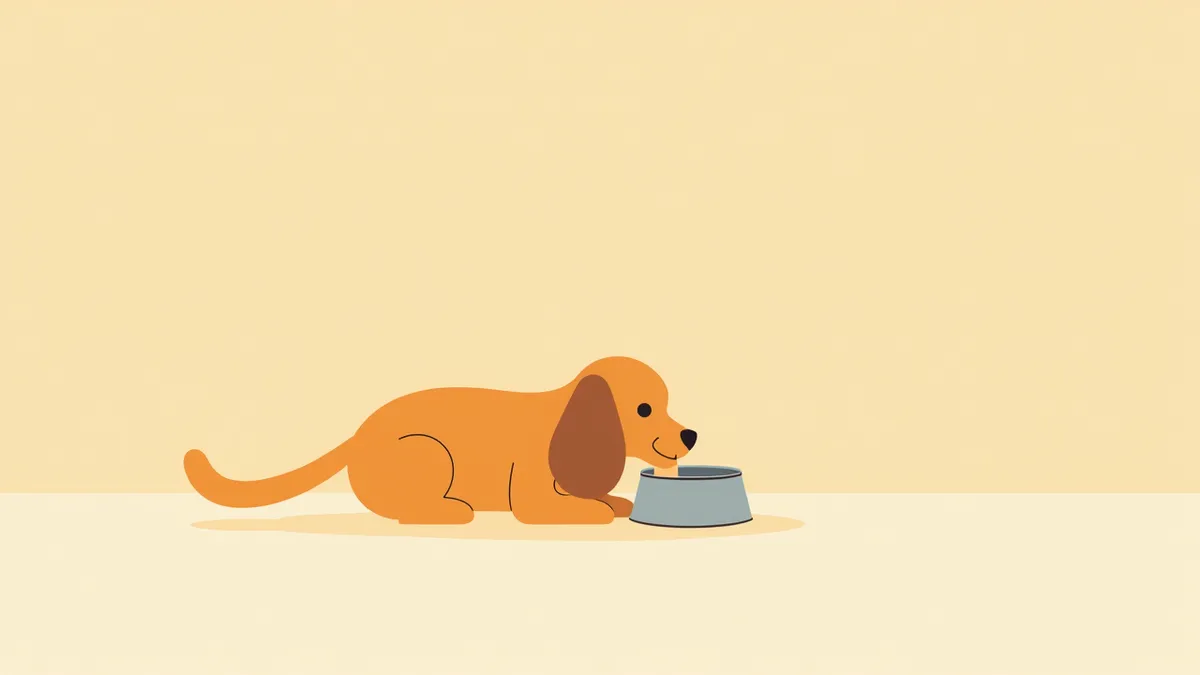
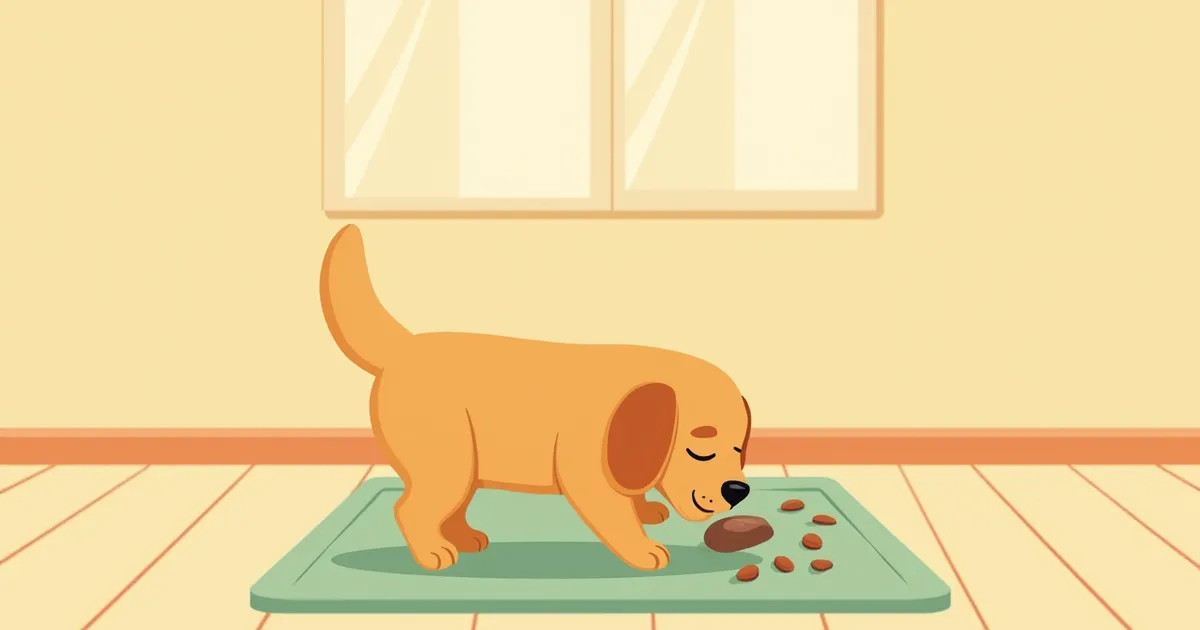
A puppy quietly eating its meal all by itself
Food-resource guarding in dogs is an instinctive defensive behavior where a dog tries to protect valuable items—such as food bowls, treats, or bones—from people or other animals approaching them. The most important thing to understand is that this behavior stems from wild survival instincts, so the goal isn’t to eliminate it entirely. Instead, the key is using positive reinforcement training to teach your dog that your approach leads to better outcomes. With early intervention, this behavior can be significantly improved.

Why Does This Behavior Occur? — 3 Causes

Food-guarding behavior generally stems from four main causes.
Instinct and survival habits: This behavior originates from ancestral survival instincts, where dogs would secure and quickly consume food to prepare for times of scarcity in the wild.
Learned experiences: If a dog is repeatedly interrupted while eating or has had its bowl taken away, accumulated fear, anxiety, and frustration can lead to learned behavior that strengthens guarding tendencies.
Competitive environments: In multi-dog households or homes with young children, frequent perceived threats of resource loss can exacerbate guarding behavior, especially during stressful periods or environmental changes.
Health issues: When a dog guards food or attempts to swallow unusual items, gastrointestinal problems such as malabsorption may be a more common cause than anxiety or compulsive disorders. Therefore, it is important to first consult a veterinarian to rule out any underlying health issues.

Assessing Behavior Severity — What Stage Is My Dog At?

Mild: Hardening of food or rapid eating — these behaviors can be sufficiently improved through training alone. Caution: Growling or baring teeth — immediate environmental management and training are necessary. Severe: Snapping or actual biting — consultation with a veterinary behavior specialist is essential. If the behavior reaches the caution level or beyond, prioritize the safety of children, elderly individuals, and other pets.

Management Strategy #1 — Separating the Dedicated Eating Area
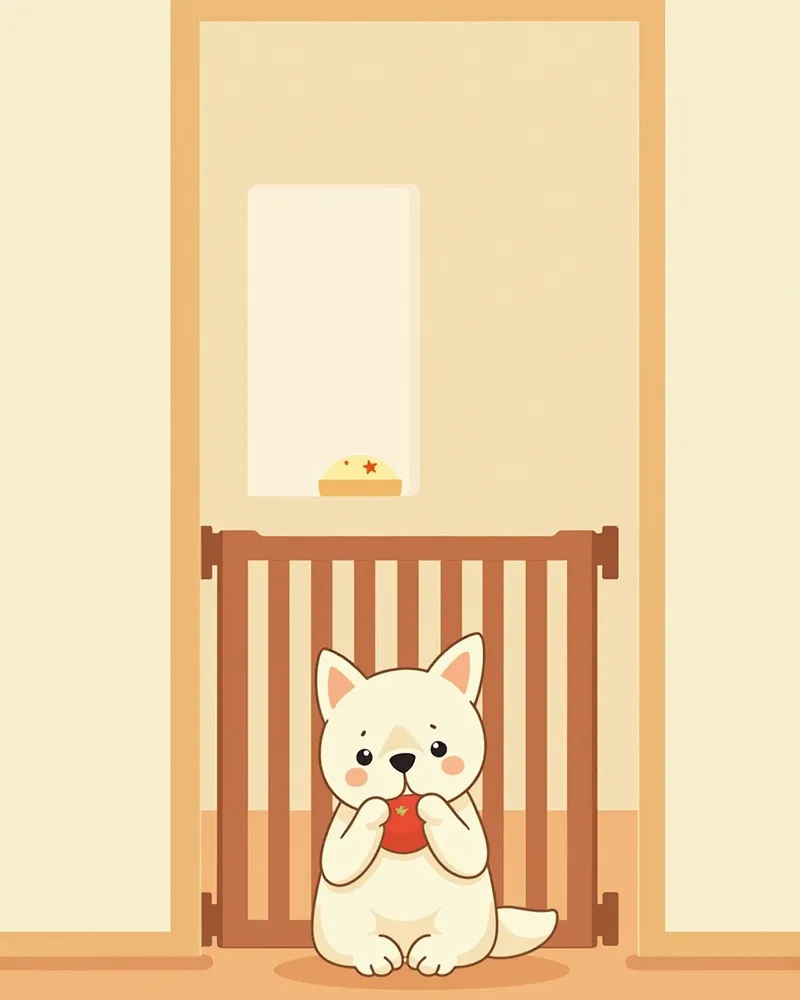
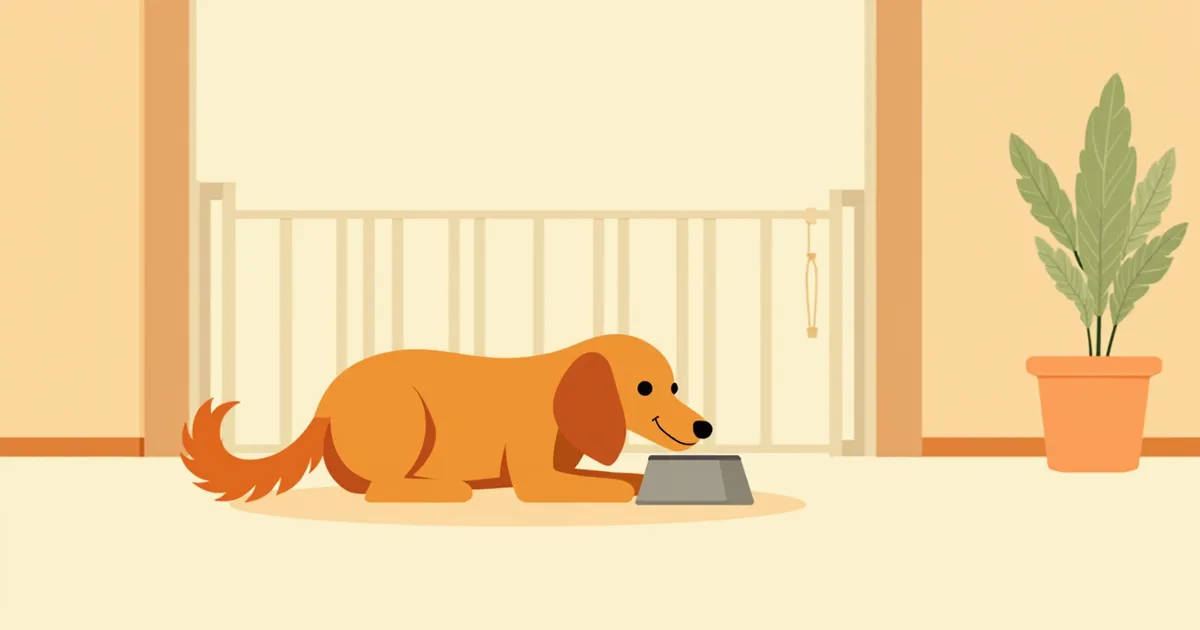
The first step for a dog showing resource-guarding behavior is to separate its eating area. According to veterinary behavior textbooks, in households with young children or other pets, it is essential to completely isolate the dog with a door or gate during meals and to remove the food bowl immediately afterward. Eliminating competitive triggers reduces anxiety and serves as the starting point for subsequent training.
Example of a separate mealtime area for dogs

Management Strategy #2 — Trade Training (Trade Game)

Trade training is the most effective way to teach your pet that giving up a valued item leads to something even better. While your pet is eating, slowly approach and toss a more appealing treat near the bowl, then quietly step back. Repeatedly associating your approach with positive outcomes helps reduce wariness. When guarding toys or objects, teach your pet to exchange them for a higher-value treat, which naturally encourages them to let go. However, you must avoid lifting or taking away a food bowl or touching it during meals, as these actions can heighten fear, anxiety, and defensive instincts, ultimately worsening the behavior.

Management Strategy #3 — Positive Reinforcement for Bowl Approach
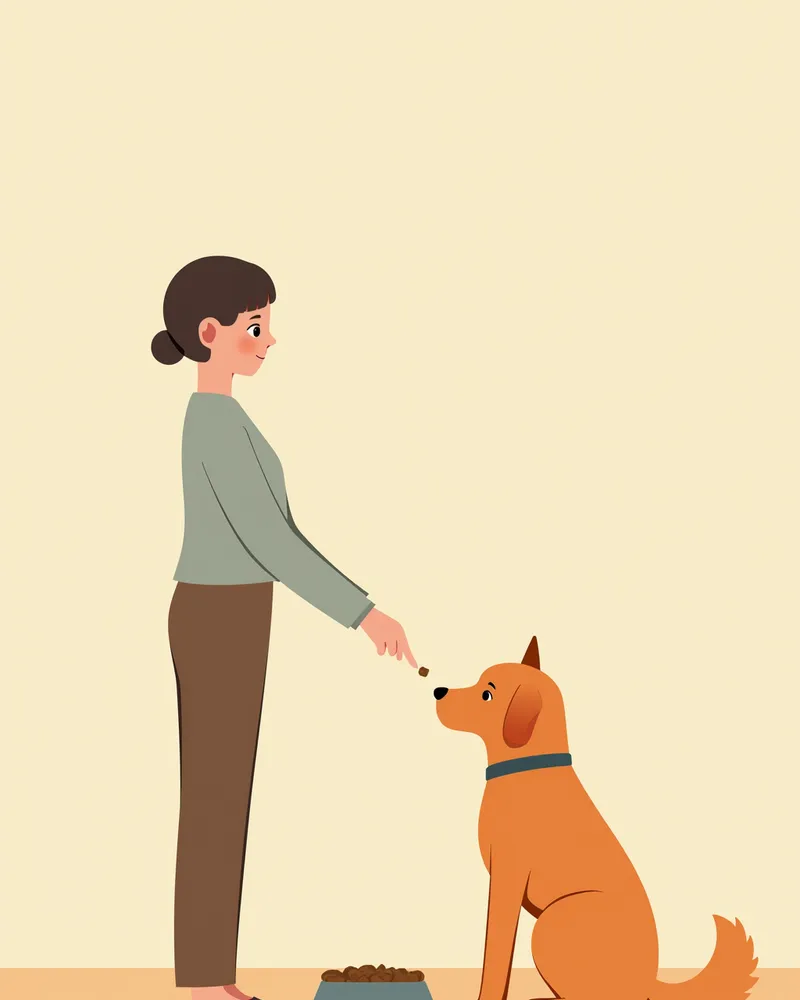
The goal of this training is to help your pet associate your approach to their bowl with something positive. Step 1: While they are eating, quietly toss a treat from 1 to 2 meters away. Step 2: Gradually decrease the distance as you continue tossing treats. Step 3: Stand next to the bowl and hand-feed the treat. Move to the next step only when your pet responds calmly at each stage. Patience is key.
A guardian training their puppy to approach the food bowl using positive reinforcement.

Management Strategy #4 — Multi-Dog Household Feeding Environment Checklist

In multi-dog households, environmental design is especially important.
Separate feeding areas: Feed each dog in a different space.
Clean up immediately after meals: Leaving uneaten food bowls around can lead to conflicts.
Consistent meal times: Feeding at set times helps reduce competition-related anxiety.
Provide plenty of resources: Offer ample treats and toys to minimize the perception of scarcity.

Responses to Absolutely Avoid

The following methods can worsen resource-guarding behavior or increase the risk of bite incidents. ❌ Scolding or punishing your pet when it growls — this can trigger increased aggression. ❌ Snatching the food bowl away while your pet is eating — this heightens anxiety and reinforces defensive instincts. ❌ Taking the item away and then returning it to assert dominance — this approach lacks scientific evidence and is dangerous. ❌ Ignoring growling and waiting for it to resolve on its own.

Signs That Professional Behavior Modification Is Needed
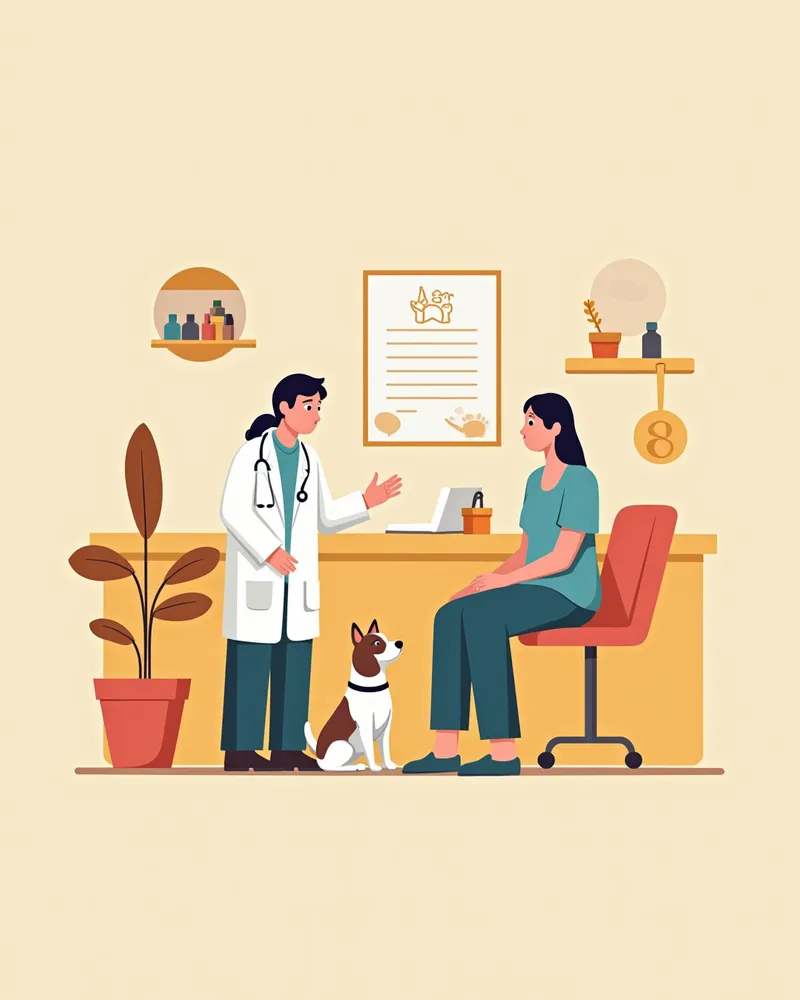
In the following situations, please do not try to handle them on your own; instead, consult a veterinary behavior specialist. Immediate consultation is necessary if: - Your pet has actually bitten a person or another animal. - The behavior has worsened despite starting training. - There are infants, toddlers, or elderly individuals in the household. - Guarding behavior is increasing, extending beyond food to include objects, locations, or people.
A veterinary behavior specialist and a pet owner discussing behavior modification for a puppy.

Reviewed by a veterinarian

Dr. Tony — Punnawat Phongkittirak

Dr. Tony — Punnawat Phongkittirak

Veterinarian

A veterinarian who majored in veterinary medicine at Khon Kaen University, Thailand, and completed the IVSA program at North Carolina State University in the United States. Drawing on clinical experience at animal hospitals, he works in the pet healthcare field and is dedicated to building a digital care environment that connects pet parents with veterinarians.

Frequently Asked Questions

Should I scold my dog if it growls while eating?
Please avoid scolding your dog. While punishment may seem to suppress growling, it actually increases fear and aggression, potentially leading to a dog that bites without warning. A positive reinforcement training approach is far safer and more effective.
Can it be prevented with training from an early age?
Yes, starting positive reinforcement training and exchange training for approaching the food bowl from puppyhood can help prevent resource guarding behavior from developing into a problem. The younger the dog, the faster and better the results.
Is it not because they're hungry that they guard their food bowl?
While hunger can be a trigger, resource guarding behavior can also occur when a pet is well-fed. However, if your pet suddenly starts guarding food or attempting to swallow unusual items, it could indicate a gastrointestinal issue such as malabsorption. In such cases, it's best to first have a veterinarian check for any health abnormalities. If the behavior stems from an instinctive defensive response, it's important to combine appropriate portion control with behavioral training.
What should I do if only one dog in a multi-dog household is severely affected?
First, completely separate the feeding areas. Competition with other pets can reinforce problematic behaviors, so simply separating the spaces often reduces symptoms. Next, combine this with individual positive reinforcement training.
Is it possible to train an adult dog?
Yes, it’s possible. Adult dogs can respond well to positive reinforcement training. However, the longer a habit has been ingrained, the more time it may take to change. In cases of severe behavioral issues, consulting a veterinary behaviorist can be especially effective.

Share

Related Guides

References

[1] Introduction to Animal Behavior and Veterinary Behavioral Medicine. Chapter 5: Resource guarding during feeding — management strategies and reinforcement approaches.

[2] Bergman L, Gaskins J. Feeding management and behavior. In: Veterinary Guide to Preventing Behavior Problems in Dogs and Cats. 2008.

This information is based on veterinary literature and does not replace diagnosis or treatment. Please consult a veterinarian for specific health concerns.

Metapet Co., Ltd. | CEO: Park Sung-yong | Business Reg. No. 417-88-02562 | Seoul, South Korea | Customer Center

Puppy Growling at the Food Bowl: 7 Resource-Guarding Fixes | Meongsiljang