
5 Key Ways to Reduce Conflict in Multi-Cat Households — From Introduction to Resource Placement
Here are five proven ways to reduce conflict between cats in multi-cat households. We’ve organized the information based on veterinary behavior science, covering everything from the introduction process to providing N+1 resources, designing vertical spaces, using pheromone products, and criteria for choosing a new cat.
What Is Multi-Cat Conflict? — Silent Stress Is More Dangerous
Signs of Chronic Conflict — Don’t Ignore These Behaviors
Danger Signs Requiring Immediate Separation
If there are bleeding scratches or bite wounds, or if one pet refuses to eat or drink for more than 24 hours, immediately separate them physically. Forcing reconciliation in this state will have the opposite effect. After separation, you must restart the process of introducing them from the very beginning.
BEST 1 — 4-Step Protocol for Gradual Introduction

BEST 2 — N+1 Resource Placement Rule
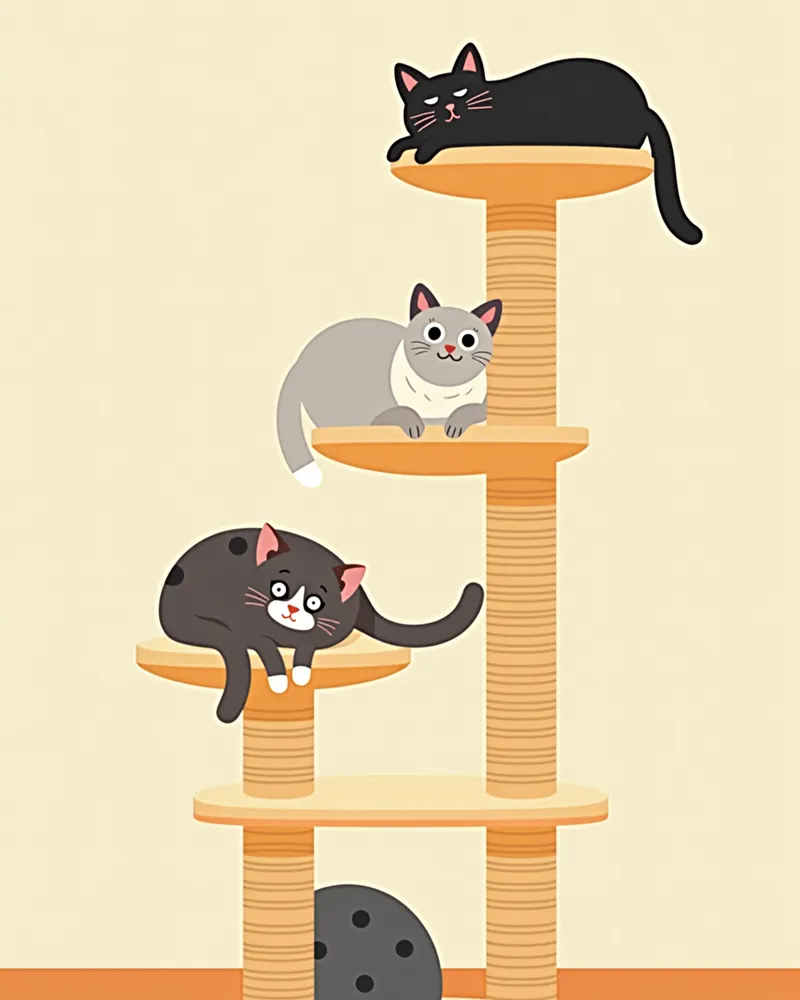
BEST 3 — Designing Vertical Spaces and Retreats
BEST 4 — How to Use Pheromone Products Correctly
BEST 5 — 4 Criteria for Choosing a New Cat
Conflict Can Recur Even After Successful Cohabitation
Environmental changes such as moving, new furniture, changes in household members, illness, or the heat cycle can reignite conflicts among cats that previously got along well. In such cases, repeating the initial cohabitation process of "scent exchange → space separation → gradual reintroduction" in shorter cycles can help them stabilize quickly.
Reviewed by a veterinarian

Dr. Tony — Punnawat Phongkittirak
VeterinarianA veterinarian who majored in veterinary medicine at Khon Kaen University, Thailand, and completed the IVSA program at North Carolina State University in the United States. Drawing on clinical experience at animal hospitals, he works in the pet healthcare field and is dedicated to building a digital care environment that connects pet parents with veterinarians.
Reviewed 2026-06-01
Managing Conflict in Multi-Cat Households — Frequently Asked Questions
How many litter boxes should I have in a multi-cat household?
Is it normal for cats to occasionally hiss at each other?
I’ve tried co-housing them several times, but it keeps failing. What should I do?
Do pheromone diffusers really work?
Can cats with a significant age difference get along well?
Share
Related Guides

7 Behavioral Enrichment Strategies for Mental Stimulation Recommended by Veterinarians

Top 5 Calming Supplements for Dogs and Cats in 2026

L-Theanine Effects and Calming Support

Feline Corneal Perforation: Emergency Signs You Must Not Miss and the Best 7 Management Products — Including Selection Criteria

If Your Cat’s Eyes Look Cloudy — Top 7 Corneal Edema Management Products and Selection Criteria

7 Best Cat Conjunctivitis Care Products Recommended by Veterinarians — Selection Criteria for Discharge and Redness

7 Key Points on Feline Cataract Phacoemulsification from a Veterinarian

Top 7 Blind Cat Care Products Recommended by Veterinarians and Selection Criteria

7 Key Symptoms and Management Essentials for Canine Thyroid Cancer, Explained by Veterinarians

7 Best Products for Managing Seasonal Flank Hair Loss in Dogs, Recommended by Veterinarians — Including Selection Criteria
References
[1] Seksel K. Multi-cat household problems. In: A Professional's Guide to Feline Behaviour Understanding, Improving and Resolving Problems. CABI, 2024.
[2] Pryor PA, Shadwick LL. Multicat Households. In: Veterinary Guide to Preventing Behavior Problems in Dogs and Cats. Wiley-Blackwell, 2022.
[3] Herron ME, Shreyer T. Feline social behavior and enrichment. In: Introduction to Animal Behavior and Veterinary Behavioral Medicine. Wiley, 2022.