Like
Share
멍실장
고양이 문맥 단락 수술 교정 관리 추천 BEST와 고르는 기준 총정리

7 Best Post-Operative Care Tips for Feline Portosystemic Shunt Surgery Recommended by Veterinarians

Liver HealthTop PicksMeongsiljang Veterinary Advisory Board

Surgical correction of feline portosystemic shunts is a key treatment for vascular abnormalities that cause liver dysfunction. Effective management and appropriate product selection are essential to preventing recurrence.

What Is Surgical Correction of a Feline Portosystemic Shunt?
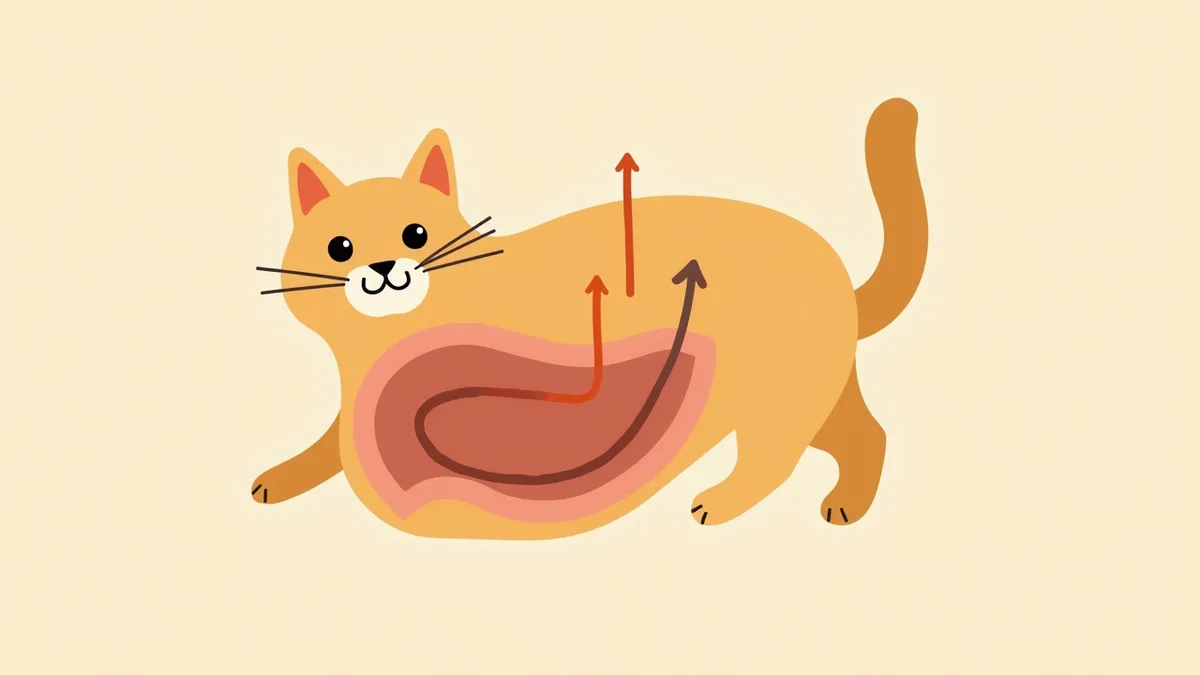
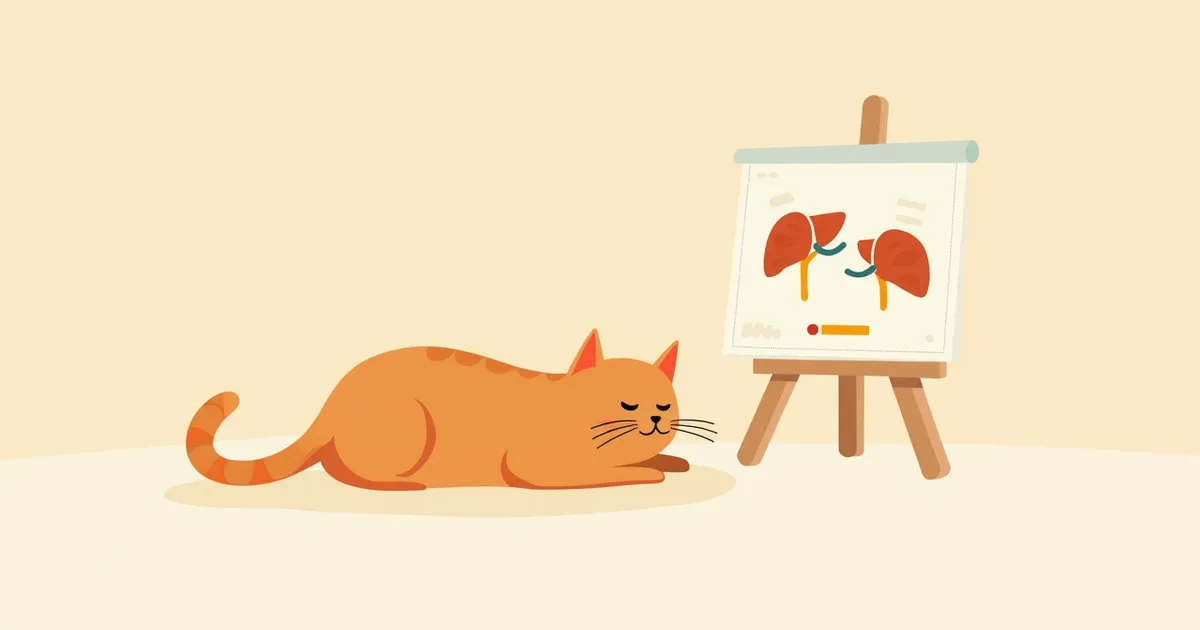
An anatomical diagram showing normal blood flow in a cat's liver and the surgical site for a portosystemic shunt procedure
Surgical correction of a feline portosystemic shunt involves surgically redirecting the abnormal blood flow between the portal vein and the vena cava. Under normal conditions, blood from the intestines should pass through the liver, where toxins are filtered out; however, a shunt can disrupt this process. The surgery aims to restore the diverted blood flow to its normal pathway. - Goal of normalizing blood flow: The objective is to guide blood that was bypassing the liver back into the normal circulatory route. - Reducing liver burden: This procedure can help alleviate the systemic burden caused by unfiltered substances circulating throughout the body. - Careful decision-making: The effectiveness, risks, and post-operative care requirements vary significantly among individual cats, making definitive predictions difficult. All decisions, including whether and how to use supplements, must be made in consultation with your veterinarian based on their professional diagnosis.

Things to Check Before Feline Portosystemic Shunt Surgery

Choosing the right product for your cat after surgery involves several important factors. First, consult your veterinarian to verify the type and amount of ingredients intended for liver support, as well as their suitability for cats. You should also ensure that the administration method (powder, liquid, or capsule) aligns with your cat’s feeding habits. It is essential to select products with minimal side effects that are recommended by veterinarians. Finally, consider whether the product is suitable for long-term use.
Ingredient Check: Glucosamine is a supportive ingredient for joint and ligament health, so do not confuse it with products intended for liver support. Since it is difficult to definitively determine the efficacy of liver-related supplements, always consult your veterinarian before choosing one.
Administration Form: Liquid forms are easy to administer, whereas powders may have a strong odor.
Veterinarian-Recommended Products: Products that are clinically verified and recommended by veterinarians are preferable.
Minimizing Side Effects: Formulations that cause minimal gastrointestinal discomfort are preferred.
Suitability for Long-Term Use: Confirm with your veterinarian that the product is safe for continuous use.
A cat consuming a liquid supplement under the supervision of a veterinarian.

Good to Know 1: What Is a Portosystemic Shunt and How Is It Managed?

A portosystemic shunt is an abnormal blood vessel that allows blood to bypass the liver instead of flowing from the intestines to the liver as it should. Because the liver cannot properly filter toxins, this can lead to neurological symptoms such as lethargy after eating, drooling, and seizures. Management options include medical approaches, such as dietary and pharmaceutical interventions to control symptoms, and surgical correction to block the shunt and restore normal blood flow. The most appropriate approach depends on the shunt’s location and type, as well as the severity of symptoms, so it is essential to discuss the options thoroughly with your veterinarian.
What is a contextual paragraph, and how do you manage it? Related guide image

Good to Know 2: Diagnosis and Preoperative Stabilization Are Important
Before considering surgery, it’s important to accurately determine the location and shape of the shunt through imaging tests, and to evaluate liver function and overall health. In most cases, surgery isn’t performed immediately; instead, the condition is first stabilized by reducing toxins through diet and medication. It’s safest to receive care at a veterinary hospital equipped with the expertise for step-by-step approaches, precise diagnostics, and anesthesia and surgical procedures. Be sure to discuss with your veterinarian what preparations are needed before surgery.
Accurate diagnosis and preoperative stabilization are crucial. For more details, please refer to the accompanying image.

Good to Know 3: Surgical Risks and Postoperative Care Require Professional Consultation

Because abruptly blocking the blood vessel can be dangerous, this procedure may involve gradually narrowing it, and close postoperative monitoring is essential. Due to the risk of complications and recurrence, ongoing dietary and medication management, along with regular check-ups, are often necessary after surgery. Given the high complexity of this operation, it is important to consult with an experienced veterinarian or a specialized referral hospital to fully understand the benefits and risks before making a decision.
Surgical risks and post-operative care require professional consultation. Please refer to the related informational image.

What Pet Owners Should Know About Portosystemic Shunt Surgery

ItemKey Points
Disease OverviewBlood bypasses the liver, so toxins are not filtered, causing neurological symptoms
Management OptionsMedical management with diet and drugs, and surgical correction to block the bypass vessel
Before SurgeryConfirm the shunt location with imaging, and stabilize first with diet and medication
Risks and AftercareGradual ligation and complications; continue diet, medication, and regular checkups afterward
ConsultationA difficult surgery; consult an experienced veterinarian or a specialty hospital

This is not a table recommending specific products or clinics, but criteria to refer to when consulting your veterinarian. Treatment and testing decisions must always be made together with your veterinarian through an examination.

Caution: Beware of Overdosing and Side Effects

Liver-support supplements should be given exactly as directed by your veterinarian. Overdosing can increase the burden on the liver and may cause side effects such as nausea, diarrhea, and loss of appetite. Cats with pre-existing liver disease may be particularly sensitive to certain ingredients, so always consult your veterinarian before use.

Usage Tips: 3 Key Points for Postoperative Care

To help your cat recover after surgery, daily care is essential. First, encourage regular meals and adequate water intake. Additionally, manage activity levels to avoid excessive stress. Finally, monitor liver function and the recovery progress through regular veterinary check-ups.
Regular Meals: Maintain consistent feeding times to support liver function recovery.
Encouraging Water Intake: Refresh the water frequently and place water bowls in multiple locations.
Activity Management: Prioritize rest over excessive running or jumping.
Regular Check-ups: The frequency of check-ups varies depending on the individual’s condition and recovery progress. Rather than setting arbitrary intervals, follow the schedule recommended by your veterinarian for regular examinations.
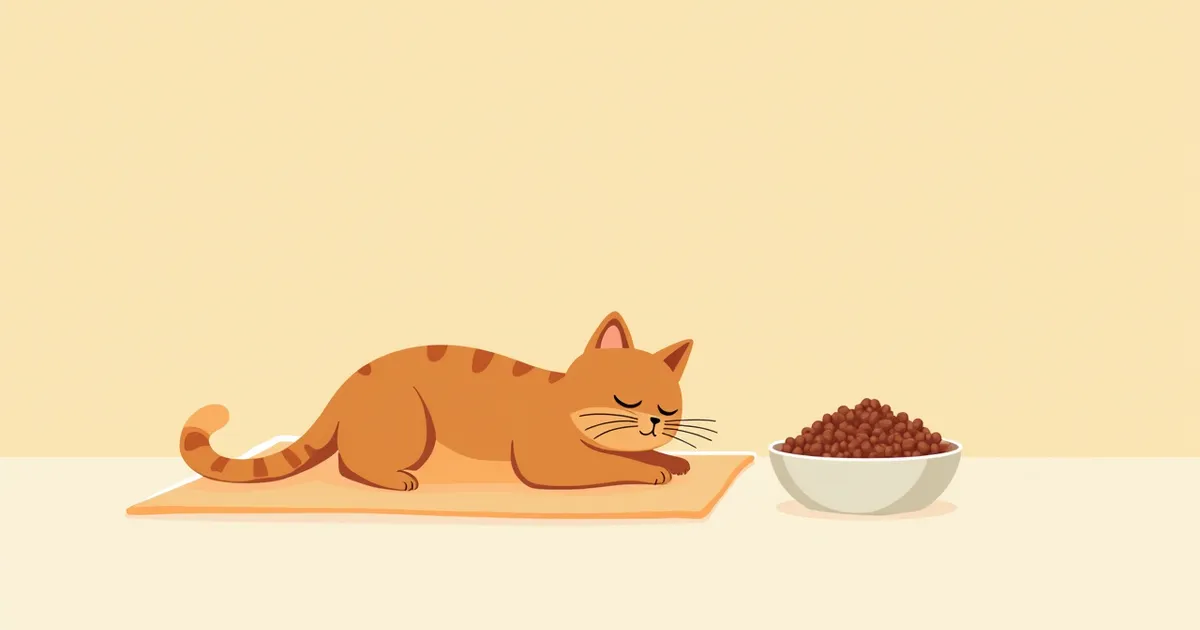
Stable Environment: Maintain a quiet environment with minimal changes or disturbances.
A cat resting in a calm, stable environment after surgery.

Reviewed by a veterinarian

Dr. Tony — Punnawat Phongkittirak

Dr. Tony — Punnawat Phongkittirak

Veterinarian

A veterinarian who majored in veterinary medicine at Khon Kaen University, Thailand, and completed the IVSA program at North Carolina State University in the United States. Drawing on clinical experience at animal hospitals, he works in the pet healthcare field and is dedicated to building a digital care environment that connects pet parents with veterinarians.

Frequently Asked Questions

When should I start giving supplements after surgery?
The timing for starting supplements varies depending on your cat’s recovery progress, so it’s safer to follow your veterinarian’s guidance rather than applying a fixed schedule. Please consult with your vet to create an initial recovery care plan.
Should I continue giving the supplement?
The duration of medication varies significantly depending on the individual pet and their recovery progress. Rather than following a one-size-fits-all timeline, consult your veterinarian to develop a long-term management plan and adjust it based on regular check-up results.
Will giving supplements fully restore liver function?
Supplements play only a supportive role. The cornerstone of management for this condition is surgical or medical treatment, and it is difficult to expect a full recovery from supplements alone, so please consult with your veterinarian.
Will giving supplements cause side effects?
It’s important to follow the dosage prescribed by your veterinarian. Overdosing can cause gastrointestinal symptoms such as nausea or diarrhea, so if you notice any unusual signs, stop using the product and consult your vet.
Can a natural diet help protect the liver?
While dietary management can be helpful, the appropriate diet or supplements depend on your cat's specific condition. Please consult with your veterinarian to determine the best dietary plan, including whether a raw food diet is suitable, rather than making these decisions on your own.

Share

Related Guides

References

[1] Fossum TW. Preoperative and intraoperative care of the surgical patient. In: Small Animal Surgery. 3rd ed. Elsevier; 2007.

[2] Hosgood G, Scholl DT. Evaluation of age as a risk factor for perianesthetic morbidity and mortality in the dog. J Vet Emerg Crit Care. 1998;8(3):222-236.

[3] Reader RC, McCarthy RJ, Schultz KL, et al. Comparison of liposomal bupivacaine and 0.5% bupivacaine hydrochloride for control of postoperative pain in dogs undergoing tibial plateau leveling osteotomy. J Am Vet Med Assoc. 2020;256(10):1011-1019.

This information is based on veterinary literature and does not replace diagnosis or treatment. Please consult a veterinarian for specific health concerns.

Metapet Co., Ltd. | CEO: Park Sung-yong | Business Reg. No. 417-88-02562 | Seoul, South Korea | Customer Center

7 Vet-Recommended Post-Op Care Tips for Cat Portosystemic Shunt | Meongsiljang