Like
Share
멍실장
강아지 실내 환경 벼룩 제거 관리 추천 BEST와 고르는 기준 총정리

Top Recommendations and Selection Criteria for Indoor Flea Control in Dogs

Infection/ParasitesTop PicksMeongsiljang Veterinary Advisory Board

Getting rid of fleas in your home isn’t just about treating your dog. Comprehensive care to eliminate hidden fleas and eggs throughout your house is essential. We’ve put together a clear guide on how to choose effective products and methods, including our top three recommendations.

Indoor Flea Control for Dogs Requires Comprehensive Management, Not Just Treatment
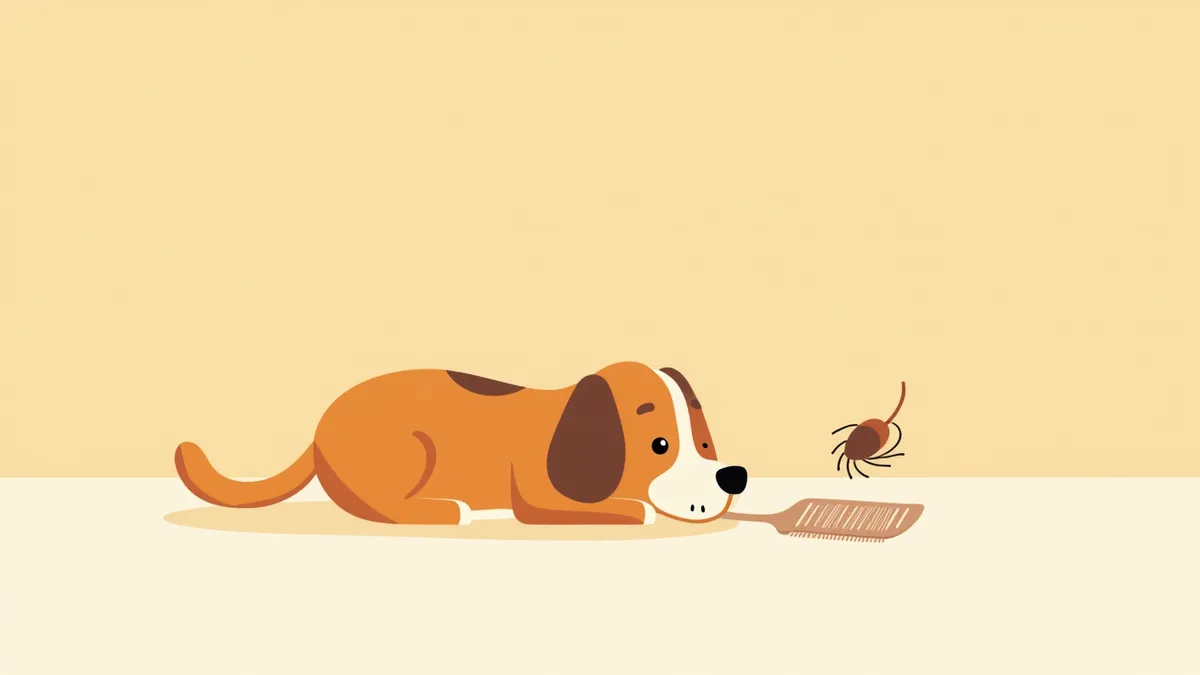
The puppy is lying on the carpet, and fleas that have fallen out from its fur are stuck to the comb.
Simply checking your dog for fleas isn’t enough to eliminate them from your home. Fleas lay eggs in beds, carpets, and sofa crevices, rapidly progressing through larval and pupal stages. To achieve complete control, you must target not only adult fleas on your dog’s coat but also all life stages hidden throughout your living space. - Comprehensive approach: To effectively eliminate all stages of the flea life cycle, it is important to regularly use products containing insect growth regulators (IGRs) or long-acting ingredients alongside adulticides. Simple sprays have a short duration of action and are best used as a quick “shock” treatment to kill adults; they should be combined with long-term management products for sustained control. - Indoor cleaning: Vacuum beds, carpets, sofas, and armchairs daily. Wash or replace your dog’s bedding every day. For long-haired breeds, brushing every two to three days can also help. - Prevention-focused: Using preventive products before fleas appear is far more effective. Prevention is essential, especially in environments with frequent contact with other dogs or during seasons when flea activity peaks. Maintaining a clean indoor environment is the most important preventive measure.

Five Criteria for Choosing Indoor Flea Control Products for Dogs

When choosing a flea control product for your home, don’t just rely on claims that it “works.” An effective product should target all stages of the flea life cycle. It’s especially important to choose one that eliminates eggs, larvae, pupae, and adult fleas. Also consider safety, ease of use, and environmental friendliness. As a pet owner, make sure the product is safe to use indoors and suitable for repeated application.
Three flea control products are placed on the table, with their ingredients and safety ratings clearly labeled.

BEST 1: Flea Removal Spray + Coat Flea Removal Kit Set

This product is one of the comprehensive sets effective for indoor flea control. The spray provides rapid knockdown of adult fleas and can be applied directly to beds, carpets, and sofas; however, for long-term environmental control, it should be used in conjunction with products containing insect growth regulators (IGRs). - Elimination of eggs and larvae: To target all stages of the flea life cycle, products containing IGRs (e.g., methoprene, lufenuron) are necessary. While the spray in this set offers short-term efficacy, it has limitations for long-term control. - Flea removal kit for fur: This kit effectively removes fleas when used with combing and can be reused. It is particularly suitable for long-haired breeds or dogs sensitive to fleas. - For indoor use only: Although formulated with relatively safe ingredients for application throughout the home, care should be taken to avoid contact with the dog’s eyes, mouth, and nose. - Ongoing management: Using the product once or twice a week helps eliminate adult fleas, but complete flea eradication requires consistent management for at least six months to address immature stages in the environment. The duration of management may vary depending on the flea life cycle and the thoroughness of environmental control.
The puppy is being brushed, and a flea removal spray is placed nearby.

BEST 2: Electric Flea Remover (UV + Vibration Method)
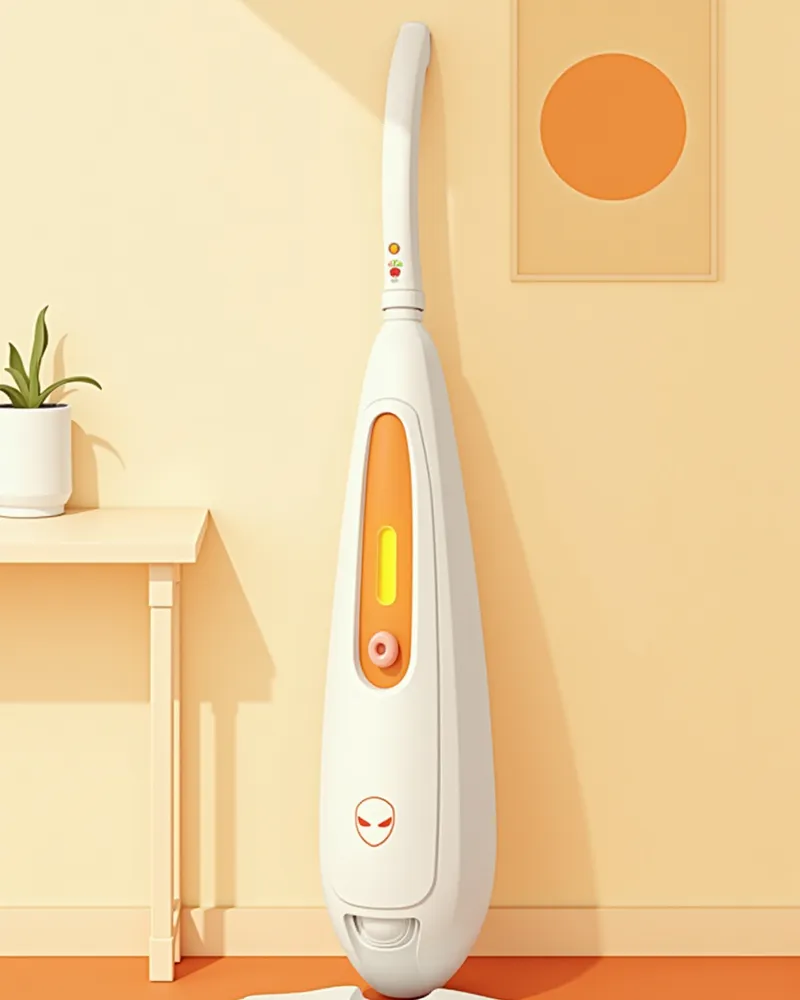
This product is an electric flea remover that uses UV light to detect and attract fleas, then captures them through vibration and suction. - UV Attraction Feature: It detects and attracts fleas in dark environments for effective capture. However, since larvae and pupae do not respond to UV light, its effectiveness is limited. - Vibration Suction System: It can remove adult fleas and some larvae hiding in beds, sofas, carpets, etc. However, it is difficult to remove pupae or eggs. - Reusable Design: After use, simply clean the filter to reuse the device, making it an economical choice. - Safe for Dogs: Since it operates without chemical ingredients, it can be a safe option for sensitive breeds. However, as it does not eliminate all stages of the flea life cycle, it is insufficient as a standalone treatment method. - Enhanced Indoor Cleaning Efficiency: Using it for 10–15 minutes daily helps remove adult fleas, but it has limitations in completely eliminating fleas from the entire environment.
An electric flea remover with UV light is cleaning the carpet.

BEST 3: Natural Ingredient Flea Removal Scented Candle + Spray Set

This product consists of a scented candle and a spray made with natural ingredients, making it relatively safe to use even for dogs of sensitive breeds or those with allergies. - Natural Ingredients: While the candle may contain ingredients intended to attract fleas, its efficacy is limited, and there is insufficient medical evidence to support its attraction mechanism. The spray utilizes certain natural ingredients (such as thyme oil and lemongrass oil) for insecticidal purposes, but its effectiveness may be weaker than that of synthetic products. - Improved Indoor Atmosphere: The refreshing scent helps ventilate indoor air and create a pleasant environment. - Eco-Friendly: Manufactured without harsh chemicals, this product is reusable and places less burden on the environment. - Combined Prevention and Treatment: You can expect a combined effect of attracting fleas with the candle and eliminating them with the spray; however, this approach may be insufficient to remove all stages of the flea life cycle. To see results, repeated use must be accompanied by thorough cleaning. - Easy to Use: The candle is used at night, and the spray is applied after cleaning the interior, offering convenience. However, since the effect may be inadequate, we recommend using this product in conjunction with proven insecticides and insect growth regulators.
A set of natural flea-removal incense and spray is placed on a wooden table.

Comparison Table of BEST 1–3 Flea Removal Products

ItemMain IngredientsUsage MethodSafety
BEST 1 SetSpray ingredients, combing toolSpray application, combingHigh
BEST 2 Electric RemoverUV light, vibration suctionElectric operation, cleaningVery high
BEST 3 Scented Candle SetNatural oils, plant-based ingredientsCandle lighting, spray applicationVery high

Safety is evaluated based on a level that is safe for both dogs and humans.

Precautions: Safety Guidelines for Using Flea Removal Products

All flea control products should be kept away from direct contact with your dog’s skin. In particular, avoid spraying near the eyes, mouth, and nose. After use, ensure the room is well-ventilated and prevent your dog from coming into direct contact with the product. If any allergic reactions occur, stop using the product immediately and consult your veterinarian.

Four Tips for Indoor Flea Control in Dogs

Flea elimination is not a quick fix. It’s important to clean your dog’s bed, carpets, and sofas daily, and to brush your dog’s coat every day. For long-haired breeds, brushing every two to three days is especially important. - Use preventive products: Using preventive products before fleas appear is highly effective. For long-term management, it’s best to follow the recommended schedule for each product (e.g., every 4–6 weeks, as per product instructions) rather than deciding the frequency arbitrarily. - Indoor environment management: Regular cleaning, such as vacuuming and washing bedding, can reduce immature flea stages like eggs, larvae, and pupae hidden in the environment. This kind of environmental management is key to reducing flea populations. - Consistent care: To completely eliminate fleas and prevent reinfection, treatment should continue for at least six months, ideally without interruption. Stopping treatment increases the risk of reinfection. - Owner involvement: When all family members participate in cleaning and care, the results are much more effective. Managing all pets and the environment together maximizes the outcome.
Checklist of 4 Tips for Flea Removal

Reviewed by a veterinarian

Dr. Tony — Punnawat Phongkittirak

Dr. Tony — Punnawat Phongkittirak

Veterinarian

A veterinarian who majored in veterinary medicine at Khon Kaen University, Thailand, and completed the IVSA program at North Carolina State University in the United States. Drawing on clinical experience at animal hospitals, he works in the pet healthcare field and is dedicated to building a digital care environment that connects pet parents with veterinarians.

Frequently Asked Questions

How long does it take to get rid of fleas on a dog?
To completely eliminate fleas and prevent reinfestation, treatment must be continued consistently for at least six months, ideally without interruption. However, improvement in clinical signs is typically assessed within 6 to 8 weeks after starting treatment. If all animals living in the same environment are not treated simultaneously alongside proper environmental management, the risk of recurrence is high. Therefore, long-term management is essential.
Do natural-ingredient products work?
Products made with natural ingredients are generally safer, but they may be less effective than synthetic alternatives. Natural products alone aren’t sufficient to eliminate all stages of the flea life cycle, so they should be used in combination with insect growth regulators (IGRs) or long-term treatment products. Consistent reapplication and thorough cleaning are essential to achieve effective results.

Share

Related Guides

References

[1] BSAVA Manual of Canine and Feline Dermatology, 4th Ed, 2003

[2] Thiemann T, Fielden LJ, Kelrick MI. Water uptake in the cat flea Ctenocephalides felis. Journal of Insect Physiology, 2003

[3] Shaw SE, Kenny MJ, Tasker S et al. Pathogen carriage by the cat flea Ctenocephalides felis in the United Kingdom. Veterinary Microbiology, 2004

This information is based on veterinary literature and does not replace diagnosis or treatment. Please consult a veterinarian for specific health concerns.

Metapet Co., Ltd. | CEO: Park Sung-yong | Business Reg. No. 417-88-02562 | Seoul, South Korea | Customer Center

Indoor Flea Control for Dogs: Top 3 Picks & How to Choose | Meongsiljang