
Like
Share
멍실장
강아지 에키노코쿠스 관리 추천 BEST와 고르는 기준 총정리

Top 3 Recommended Echinococcus Management Products for Dogs and Key Selection Criteria

Infection/ParasitesTop PicksMeongsiljang Veterinary Advisory Board

Echinococcus in dogs can also be dangerous to humans. We’ve outlined the key criteria for choosing effective management products and our top three recommendations.

Echinococcus in Dogs Is a Dangerous Parasite for Owners and Families

A puppy lying on the grass, with a small parasite visible near its anus.
Echinococcus is a zoonotic parasite that can cause serious infections in humans as well. Families with young children need to be especially vigilant, as hand hygiene may not be consistently maintained. Dogs and cats serve as definitive hosts for this parasite, while humans can become infected by ingesting parasite eggs from contaminated soil, water, or food, or through contact with infected animals. Human infection can lead to hydatid disease (echinococcosis), characterized by cyst formation in organs such as the liver or lungs. Since infected dogs typically show no symptoms, early detection is difficult, making prevention crucial. - Echinococcus Prevention: Supervise your dog to prevent ingestion of soil or trash, and promptly dispose of feces. - Hygiene Management: Wipe your dog’s coat after outdoor activities, and regularly disinfect toys and bowls. - Family-Wide Prevention: Ensure all family members wash their hands thoroughly, especially after contact with your dog. Early prevention is key to maintaining health.

Key Criteria for Choosing Echinococcus Management Products

When selecting an echinococcosis management product for your dog, be sure to verify its efficacy, safety, and ease of use. The most critical factor is whether it contains ingredients specifically targeted against Echinococcus. Standard dewormers may not be effective in killing this parasite. Also, check if the product comes in a form suitable for regular administration and whether the dosing method is convenient. Since it should be used under veterinary guidance, do not administer it without professional advice.
The veterinarian reviews the puppy’s health records to check the deworming schedule.

BEST 1: ProDirect Echinococcus-Specific Dewormer
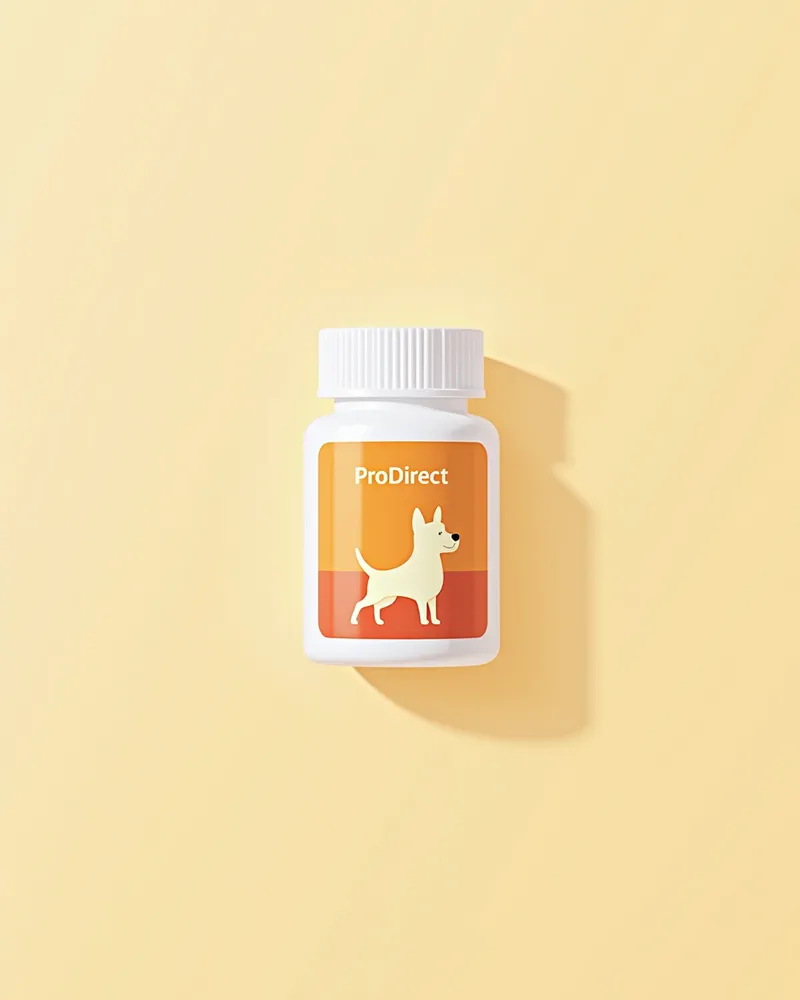
Treatment for echinococcosis must be determined by a veterinarian and requires the use of specific anthelmintics effective against tapeworms. Praziquantel is an effective drug against Echinococcus, and benzimidazoles such as fenbendazole and albendazole also demonstrate efficacy against adult Echinococcus worms in dogs and cats. However, treatment must be accompanied by management of intermediate hosts (such as cattle and sheep) and deworming of infected dogs to prevent the shedding of eggs. Accurate dosage and administration intervals must be strictly followed, as overdosing can lead to adverse effects. - Efficacy: Praziquantel shows good efficacy against Echinococcus spp., particularly E. multilocularis. However, the dosage varies depending on the formulation, such as oral, spot-on, or injectable. - Ease of Use: Administration methods differ based on the drug formulation, so it is essential to follow the veterinarian’s instructions. - Safety: Adhering to the veterinarian-recommended dosage reduces the risk of adverse effects. Regular monitoring and proper medication management are necessary.
Echinococcus-specific deworming tablets, featuring a silhouette of a dog

BEST 2: LevoDirect Dewormer (Oral)

Managing echinococcosis requires veterinary consultation to determine the appropriate medication and dosing schedule. It is important to note that anthelmintics effective against nematodes (such as roundworms and lungworms), like those in the levamisole class, are ineffective against echinococcosis, which is caused by cestodes (tapeworms). Therefore, medications specifically effective against cestodes, such as praziquantel, fenbendazole, or albendazole, must be selected. Administration methods vary depending on the product and route of administration, and a one-size-fits-all approach is not recommended. In particular, claims of once-weekly dosing are unfounded; the dosing schedule should be tailored to each individual case. - Multi-parasite coverage: While anthelmintics for nematodes are effective against other parasites like roundworms and lungworms, they do not work against echinococcosis. Always verify the active ingredients. - Ease of administration: Administration methods vary by drug formulation. Consult your veterinarian to select the most appropriate method. - Dosing schedule: The dosing interval should be determined based on the risk of infection from intermediate hosts and environmental factors. Avoid arbitrary scheduling. Consistent medication management is key to prevention.
A puppy eating deworming food.

BEST 3: TerraDirect Spray Dewormer

Echinococcus is a tapeworm that parasitizes the intestines of dogs, so topical sprays applied to the fur cannot eliminate intestinal parasites. To interrupt the transmission cycle, it is recommended to administer oral dewormers (such as praziquantel, fenbendazole, or albendazole) and practice environmental management, including the immediate disposal of feces. Since there is no evidence supporting the efficacy of externally applied products like sprays in treating Echinococcus, they should be used with caution. - Prevention-focused: Echinococcus management should center on administering oral dewormers under veterinary guidance and managing contaminated environments. - Usage: Products sprayed on the fur are ineffective against intestinal Echinococcus. When using such products, take care to avoid contact with the eyes, nose, and other sensitive areas. - Safety: While the risk of side effects from the topical product itself is low when proper dosage and application methods are followed, topical products cannot treat Echinococcus. Regular management can help prevent infection, but decisions should always be made after consulting a veterinarian.
Spraying a dog's back with a spray

Comparison Table of BEST 1–3 Products

ItemProduct NameFormCycleFeatures
ProdirectProdirectTabletDosage and cycle determined under veterinary guidancePraziquantel (effective against Echinococcus), and ingredients effective against cestodes such as fenbendazole and albendazole
LevodirectLevodirectOralDosing cycle determined under veterinary guidanceEffective against nematodes (such as ascarids) but ineffective against the cestode Echinococcus
TheradirectTheradirectSprayUse required under veterinary guidanceA topical product that cannot treat intestinal Echinococcus; careful use is advised

All products must be used according to veterinarian prescription. Always consult before administering.

Caution: Side Effects May Occur with Overdose

Echinococcus dewormers must be administered exactly as prescribed by your veterinarian. Overdosing can cause side effects such as nausea, diarrhea, and lethargy. Extra caution is especially important for puppies and dogs with underlying health conditions. If you notice any unusual symptoms after administration, please visit your veterinary clinic immediately.

Echinococcus Management Tips

It’s important to promptly clean up your dog’s feces and always wash your hands afterward. After outdoor activities, wipe down your dog’s coat, and regularly disinfect toys and food bowls. Also, keep a close eye on your dog to prevent them from eating dirt or trash. Since echinococcosis can be transmitted to humans, everyone in the family should maintain good hygiene. - Environmental Management: Keep your dog away from soil or contaminated areas. - Preventing Contact: Develop the habit of washing your hands after interacting with your dog. - Regular Check-ups: Consult with your veterinarian to establish a routine deworming schedule. Good hygiene is the first step in prevention.
The family washing their hands after playing with the puppy.

Reviewed by a veterinarian

Dr. Tony — Punnawat Phongkittirak

Dr. Tony — Punnawat Phongkittirak

Veterinarian

A veterinarian who majored in veterinary medicine at Khon Kaen University, Thailand, and completed the IVSA program at North Carolina State University in the United States. Drawing on clinical experience at animal hospitals, he works in the pet healthcare field and is dedicated to building a digital care environment that connects pet parents with veterinarians.

Frequently Asked Questions

How does echinococcosis get transmitted?
Adult Echinococcus tapeworms live in the intestines of their definitive hosts, dogs. Intermediate hosts such as humans, cattle, and sheep can become infected by ingesting parasite eggs from contaminated soil, water, or food, or through contact with infected dogs. Therefore, deworming infected dogs and maintaining good hygiene among all family members are essential to prevent human infection.
Can I purchase Echinococcus dewormer over the counter at home?
No. Echinococcus poses a risk to humans as well, so a veterinarian's diagnosis and prescription are essential. Self-medicating can lead to side effects.
Will parasites be expelled after taking deworming medication?
While parasites may be expelled after administration, the timing varies depending on the specific product and medication, so there is no set timeframe. Be sure to dispose of feces immediately and wash your hands thoroughly.
How often should echinococcosis prevention be performed?
The dosing schedule should be determined by your veterinarian based on your pet’s individual circumstances, environment, and risk level; there is no evidence to support a rigid once-weekly regimen. A tailored plan should be developed through regular check-ups and consultations.
What should I do if my dog has ingested a parasite?
Please consult your veterinarian immediately. The timing of treatment depends on the severity of the infection, and medication should only be administered after the infection has been confirmed. A visit to the clinic may be required before starting treatment.

Share

Related Guides

References

[1] Notes on Canine Internal Medicine, 4th Ed. (2023). Echinococcus granulosus and multilocularis: Diagnosis and management in dogs.

[2] Small Animal Critical Care Medicine, 3rd Ed. (2022). Parasitic infections in dogs: Clinical presentation and treatment protocols.

[3] American Veterinary Medical Association (AVMA). Canine Parasite Control Guidelines (2023).

This information is based on veterinary literature and does not replace diagnosis or treatment. Please consult a veterinarian for specific health concerns.

Metapet Co., Ltd. | CEO: Park Sung-yong | Business Reg. No. 417-88-02562 | Seoul, South Korea | Customer Center

Canine Echinococcus: Top 3 Products & How to Choose | Meongsiljang