
Like
Share
멍실장
고양이 신장 종양 관리 추천 BEST와 고르는 기준 총정리

7 Key Strategies for Managing Feline Kidney Tumors, According to Veterinarians

KidneyTop PicksMeongsiljang Veterinary Advisory Board

Early detection is key when it comes to kidney tumors in cats. Knowing the right management strategies and how to choose appropriate products can significantly improve treatment outcomes and enhance your cat’s quality of life.

Early Detection is Key for Feline Kidney Tumors
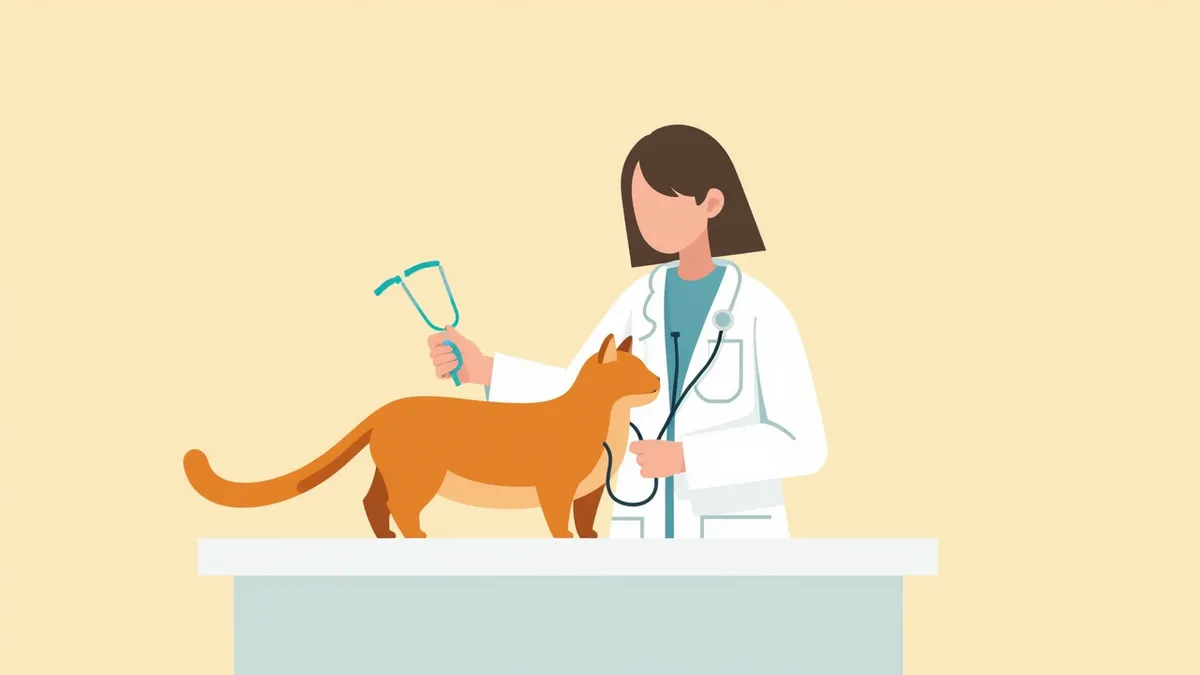
A scene of a check-up for early detection of kidney tumors in cats
Feline kidney tumors often show few symptoms in the early stages, making early detection crucial. As the cancer progresses, signs such as anemia, weight loss, decreased appetite, and lethargy may appear. Catching abnormal signs early through regular check-ups can significantly impact treatment outcomes. - Early Management: Collaborating with your veterinarian to establish an early diagnosis and treatment plan can greatly help extend your cat’s lifespan and improve their quality of life. - Regular Check-ups: Blood and urine tests conducted at least once or twice a year are essential for continuously monitoring kidney function. - Recognizing Symptoms: If you notice decreased appetite, frequent urination, or signs of dehydration, seek veterinary care immediately.

Good to Know: Managing Kidney Tumors

When considering products or supplements for managing feline renal tumors, it is crucial to first remember that there are no proven supplements capable of eliminating the tumor itself. Prioritize diagnosis-based treatment and the management of remaining kidney function, using the following guidelines for safety. - Renal Dietary Management: Since renal tumors can be accompanied by chronic kidney disease, it is helpful to use a veterinarian-recommended renal prescription diet to ensure appropriate caloric and nutritional intake, while also monitoring weight, body condition, and muscle mass. - Fluid and Electrolyte Management: Subcutaneous fluids, potassium supplementation, and phosphate binders should be used under veterinary guidance to help slow the decline of kidney function. - Cat-Friendly Formulations: To ensure long-term compliance, choose forms that cats readily accept, such as solids, canned food, or gels. It is also important to consult your veterinarian to confirm compatibility with other treatments. - Evidence-Based Priority: Rather than relying on ingredients with unproven efficacy, it is safer to choose management options with confirmed safety and scientific evidence, in consultation with your veterinarian.
How to Compare Criteria When Choosing Products for Managing Feline Kidney Tumors

Good to Know 1: What Are Kidney Tumors?

Kidney tumors are growths that develop in the kidneys and can vary in type, including lymphoma and carcinoma. In the early stages, there are often no noticeable symptoms, but as the condition progresses, signs such as decreased appetite, weight loss, blood in the urine, and abdominal masses may appear. In cats, renal lymphoma is relatively common and can affect one or both kidneys. Because the symptoms are often vague, these tumors are sometimes discovered incidentally during routine health check-up imaging. Since treatment options and prognosis differ significantly depending on the tumor type, an accurate diagnosis is essential.
What is a kidney tumor? Related guide image

Good to Know 2: Diagnosis and Treatment Options

Kidney tumors are identified through imaging tests such as ultrasound, and their specific type is diagnosed via fine-needle aspiration or biopsy. We also evaluate whether the cancer has metastasized, assess kidney function, and review the patient’s overall health status. Treatment depends on the tumor type: if the tumor is confined to one kidney, surgical removal may be considered, whereas lymphoma is primarily treated with chemotherapy. Treatment options may be limited if both kidneys are affected or if kidney function is already compromised. The most appropriate treatment plan is determined through specialized oncology care, based on diagnostic results and kidney function.
An informational image about diagnosis and treatment options

Good to Know 3: Kidney Function Management and Professional Consultation

When treating kidney tumors, it’s essential to protect the remaining kidney function alongside therapy. Monitor kidney values through hydration and dietary management, along with regular check-ups, and evaluate both the tumor and kidney function together. Avoid unproven supplements that claim to eliminate tumors; instead, prioritize evidence-based treatment. Seek veterinary care if you notice changes such as loss of appetite, weight loss, or blood in the urine. It’s best to consult a veterinarian experienced in tumor care to develop a comprehensive plan that addresses both treatment and kidney management.
Guide image for kidney function management and professional consultation

Points to Note About Kidney Tumors

ItemKey Points
ConditionKidney tumors (lymphoma, carcinoma, etc.); initially asymptomatic, with hematuria and weight loss as it progresses
DiagnosisImaging such as ultrasound + fine-needle aspiration/biopsy, evaluation of metastasis and kidney function
TreatmentSurgery for localized types; chemotherapy for lymphoma; may be limited depending on kidney function
ManagementCombined with protecting remaining kidney function (hydration, diet, regular testing)
CautionProhibit unverified supplements; oncology consultation and follow-up

This is not a table recommending specific products or clinics, but criteria to reference when consulting your veterinarian. Always make treatment and testing decisions together with your veterinarian through an examination.

Caution: Side Effects May Occur with Overdose

Even supplements and nutritional products can cause digestive upset or diarrhea if given in excess. Don’t arbitrarily increase unverified products in an attempt to shrink tumors; always follow the dosage prescribed by your veterinarian. Be especially cautious when combining them with medications your pet is already taking, as drug interactions may occur—always consult your vet first.

Usage Tip: Closely Monitor Your Cat’s Reactions

After starting a kidney tumor management product, carefully monitor and record any changes in your cat’s appetite, elimination habits, and activity level. - Monitor for reactions: If sudden loss of appetite, vomiting, or diarrhea occurs, seek veterinary care immediately. - Dosage adjustments: Adhere to the dosage prescribed by your veterinarian, though adjustments may be necessary based on your cat’s response. - Keep a log: Regularly documenting changes in a journal or app can be helpful during consultations with your veterinarian. - Caution when switching products: Always consult your veterinarian before switching to a different product. - Adapt as needed: Your cat’s condition may change over time, so it is important to adjust your management approach accordingly.
Tips for Managing Feline Kidney Tumors Image

Reviewed by a veterinarian

Dr. Tony — Punnawat Phongkittirak

Dr. Tony — Punnawat Phongkittirak

Veterinarian

A veterinarian who majored in veterinary medicine at Khon Kaen University, Thailand, and completed the IVSA program at North Carolina State University in the United States. Drawing on clinical experience at animal hospitals, he works in the pet healthcare field and is dedicated to building a digital care environment that connects pet parents with veterinarians.

Frequently Asked Questions

Can feline kidney tumors be cured?
Early diagnosis and treatment can help reduce symptoms and improve quality of life. However, since kidney tumors often have a poor prognosis as they progress, it's more realistic to focus on treatment based on the diagnosis and managing remaining kidney function rather than aiming for a complete cure.
When should I start giving my pet nutritional supplements?
There are no proven supplements that can eliminate tumors on their own, so it’s essential to first get a diagnosis from your veterinarian and develop a treatment plan tailored to the specific type of tumor. Any supportive dietary or nutritional management should be decided in consultation with your vet.
Is food alone enough?
When kidney disease is present, the foundation of care is feeding a veterinary-recommended renal prescription diet to ensure appropriate calorie and nutrient intake. There is no evidence that supplements can treat tumors, so any additional supplementation should only be given after consulting with your veterinarian.
Is it okay for my cat to share meals with other cats?
Tumor management and kidney care must be tailored to each cat’s individual diagnosis and renal function, so what works for one cat may not be suitable for another. It’s best to consult with your veterinarian to determine the most appropriate care plan for your cat.
How long does it take for the effects to kick in?
The time it takes for effects to appear varies significantly depending on the type of tumor, the treatment method, and kidney function. Rather than setting a fixed timeframe, it’s important to monitor kidney values and overall condition through regular check-ups.

Share

Related Guides

References

[1] The Cat, Clinical Medicine and Management, 2nd Edition. Elsevier, 2023.

[2] Small Animal Critical Care Medicine, 3rd Ed. Elsevier, 2022.

[3] Veterinary Oncology: Principles and Practice. Wiley-Blackwell, 2021.

This information is based on veterinary literature and does not replace diagnosis or treatment. Please consult a veterinarian for specific health concerns.

Metapet Co., Ltd. | CEO: Park Sung-yong | Business Reg. No. 417-88-02562 | Seoul, South Korea | Customer Center

7 Key Strategies for Managing Feline Kidney Tumors | Meongsiljang