Like
Share
멍실장
고양이 요도 협착 관리 추천 BEST와 고르는 기준 총정리

Top Recommended Products for Managing Feline Urethral Stricture and Selection Criteria

UrinaryTop PicksMeongsiljang Veterinary Advisory Board

Feline urethral stricture is a serious condition that can cause acute pain and urinary dysfunction. Choosing the right management products and treatments can make all the difference in survival rates and recovery speed.

What is Feline Urethral Stricture?
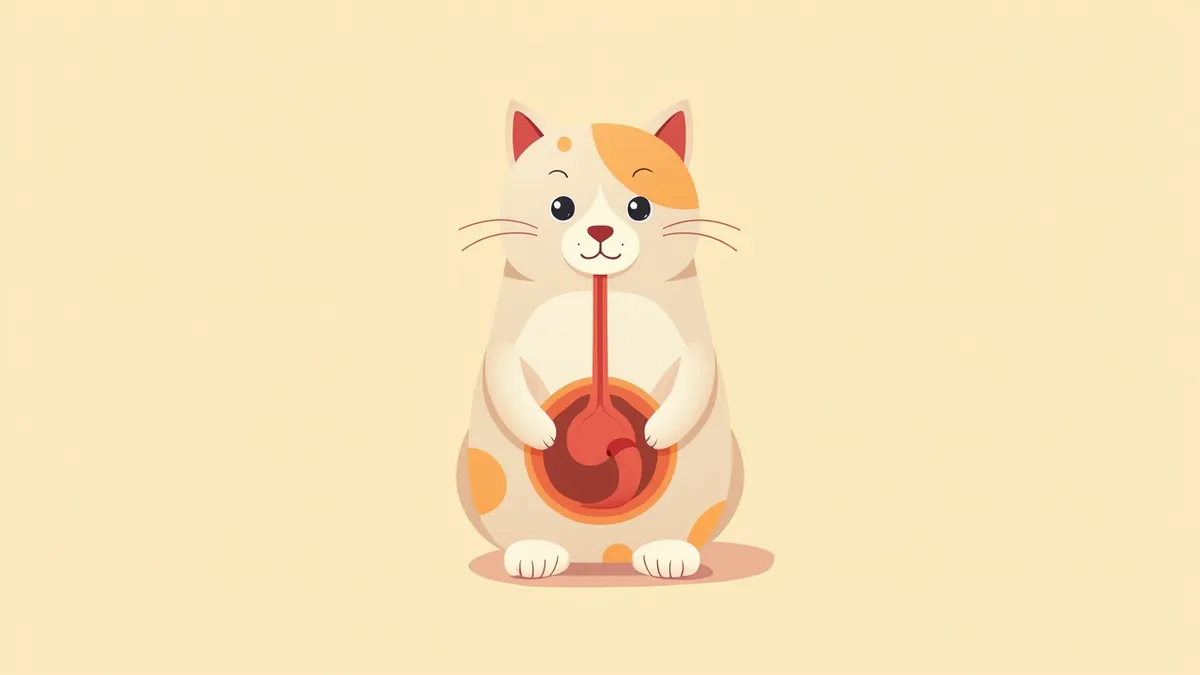
An illustration showing the anatomical location of urethral stricture in cats
Feline urethral stricture is a condition in which the urethra narrows, hindering smooth urine flow and causing acute pain and difficulty urinating. Urethral obstruction is more commonly reported in male cats, with blockages typically occurring in the distal third of the urethra. If left untreated, this condition can lead to acute kidney injury; in fact, urethral obstruction is the most common cause of acute kidney injury in cats. Therefore, urethral obstruction must always be ruled out before other causes and requires immediate intervention as a medical emergency. It is crucial to closely monitor any changes in your cat’s urination habits. If you notice any abnormal signs, seeking veterinary care without delay is the most helpful step.

Key Information: Managing Feline Urethral Stricture
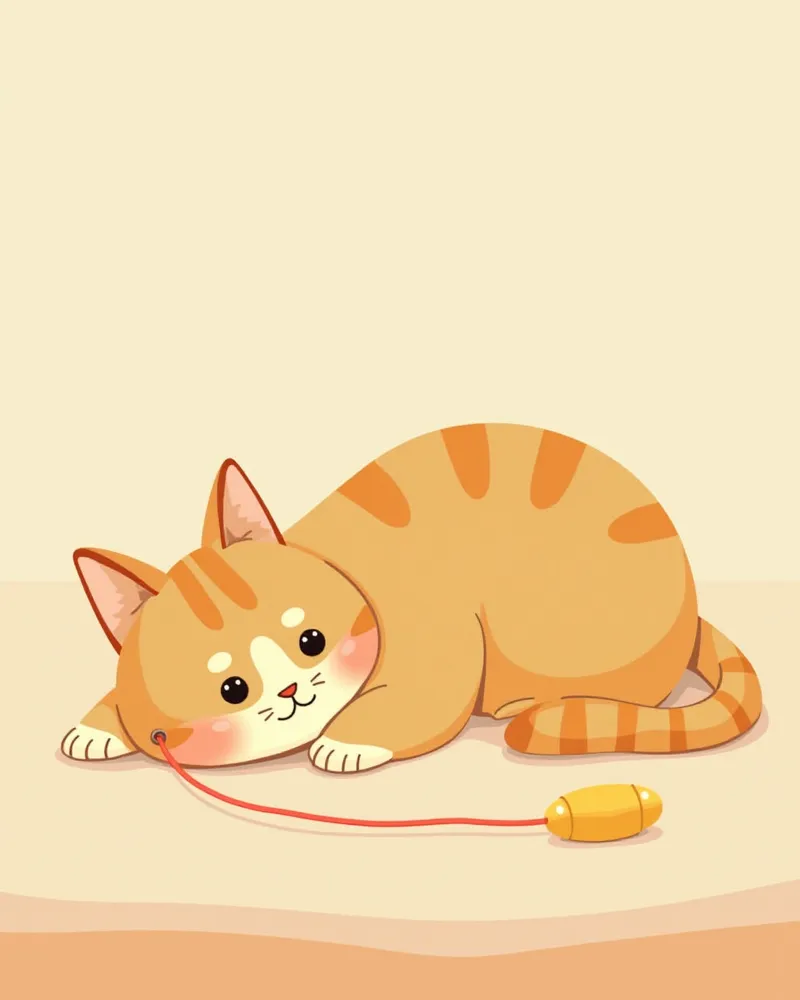
When choosing a product to manage feline urethral stricture, be sure to check the following four factors. Following these criteria makes it easier to select veterinarian-recommended products and tailor your choice to your cat’s needs.
Physical stability: The material should provide sufficient fixation without irritating the urethra.
Biocompatibility: The product should be made of materials proven to be biocompatible, allowing for long-term use without skin reactions.
Optimized urinary flow: It should have an internal structure designed to allow urine to flow smoothly.
Ease of maintenance: The design should make cleaning and replacement simple.
※ It is important to consult with your veterinarian to choose the appropriate product. If the product is not one directly recommended by the clinic, always confirm its suitability before use.
A cat wearing a management urinary catheter

Key Information 1: What is Urethral Stricture and How Urgent is It?
Feline urethral stricture is a condition in which the inner lining of the urethra narrows, preventing proper urine flow. It occurs more frequently in male cats, who may strain to urinate while producing little to no urine or passing blood-tinged urine. In severe cases, the bladder can become overdistended, and kidney function may be compromised. Failure to urinate for more than 24 hours constitutes a life-threatening emergency. If you observe these symptoms, seek veterinary care immediately.
What is urethral stricture and how urgent is it? Related guide images

Key Information 2: Diagnosis and Treatment Options for Urethral Stricture
Diagnosis is made through physical examination, bladder palpation, urinalysis, blood tests, and radiographic or ultrasonographic imaging. The treatment approach varies depending on the cause and severity of the stricture. In the early stages, a urinary catheter is inserted to relieve the obstruction and flush the bladder. For cases with recurrent episodes or severe strictures, surgical intervention to widen the urethra (urethral reconstruction) may be considered. The appropriate treatment plan should be determined by a veterinarian after directly evaluating the cat’s condition.
An informational image about the diagnosis and treatment options for urethral stricture

Key Information 3: Post-Treatment Care and Precautions for Owners
After treatment, it’s important to encourage your pet to drink plenty of water. Consistently feeding the veterinary-prescribed therapeutic diet and minimizing stress can help prevent recurrence. Maintaining a clean litter box and providing enough litter boxes are also essential. Over-the-counter supplements or natural remedies sold online lack proven efficacy, so if symptoms reappear, seek veterinary care immediately. Always follow your veterinarian’s instructions for any medications or dietary changes.
Guidance on post-treatment care and precautions for pet owners

What Owners Should Know About Feline Urethral Stricture

ItemKey Points
SymptomsInability to urinate or bloody urine, excessive straining during urination, abnormal posture, excessive licking behavior after urination
CausesInflammation·scarring of the urethral lining, stones (calcium oxalate or struvite), mucus plugs, blood clots, urethral spasms, etc.
DiagnosisPhysical examination, bladder palpation, urinalysis, blood and biochemistry tests, ultrasound or radiography to identify the cause
TreatmentUrinary catheter insertion to drain urine and flush the bladder; in recurrent or severe cases, consider perineal urethrostomy
ManagementMaintain veterinarian-prescribed diet, increase water intake, provide a stress-reduced environment, regular check-ups and follow-up monitoring

This is not a table recommending specific products or hospitals, but a reference standard for consulting with a veterinarian. Always make treatment and testing decisions together with a veterinarian through examination.

Warning: Risks of Incorrect Product Use

Products for managing urethral strictures can cause urethral damage or infection if used indiscriminately without a veterinarian’s guidance. If your cat shows signs of pain or if symptoms worsen during urination, seek veterinary care immediately. Always consult your veterinarian before selecting a product, and strictly follow hygiene protocols before use.

Usage Tips: Management Methods to Reduce Stress in Cats
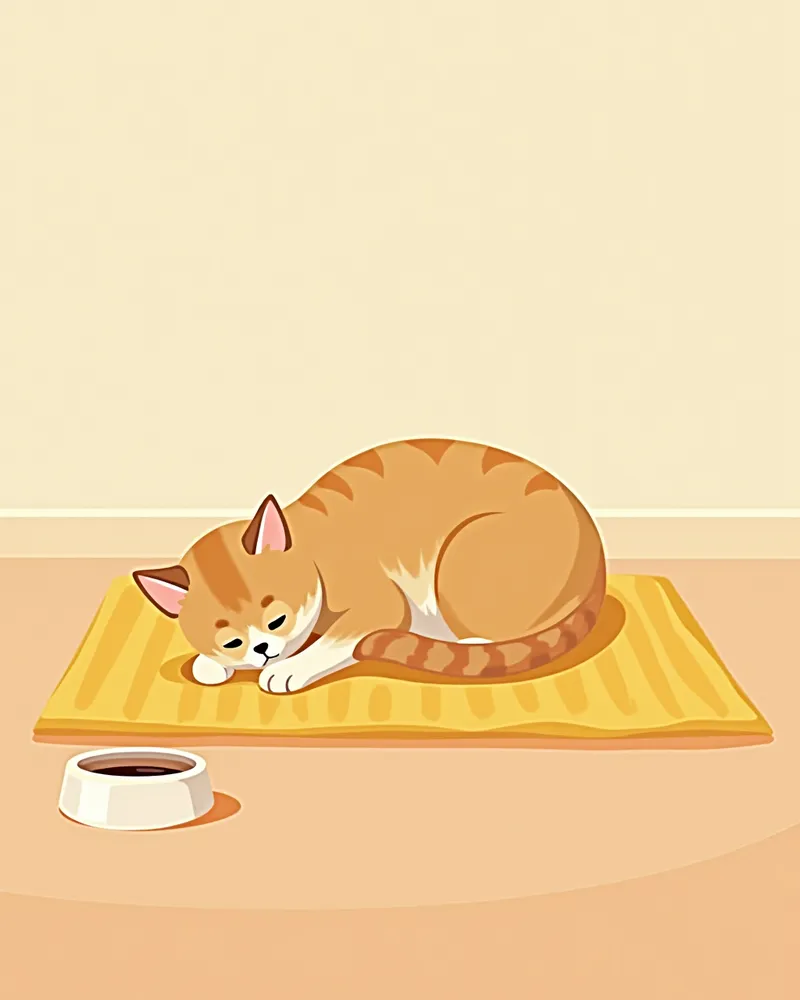
To help reduce your cat’s stress while managing urethral stricture, try these tips. Stress can slow recovery and increase the risk of recurrence.
Maintain a quiet environment: Provide care in a calm, low-noise space.
Regular hygiene care: Clean the urinary tract area and surrounding skin daily.
Keep daily routines consistent: Maintain regular feeding, play, and sleep schedules.
Monitor emotional responses: Watch closely for behavioral changes such as anxiety, aggression, or lethargy.
A cat resting comfortably in a quiet environment

Reviewed by a veterinarian

Dr. Tony — Punnawat Phongkittirak

Dr. Tony — Punnawat Phongkittirak

Veterinarian

A veterinarian who majored in veterinary medicine at Khon Kaen University, Thailand, and completed the IVSA program at North Carolina State University in the United States. Drawing on clinical experience at animal hospitals, he works in the pet healthcare field and is dedicated to building a digital care environment that connects pet parents with veterinarians.

Frequently Asked Questions

When should urethral stricture management products be replaced?
Veterinary textbooks don’t specify a fixed replacement schedule; instead, the timing is determined based on hygiene conditions and your veterinarian’s recommendations. As a general rule, you should replace it immediately if the discharge becomes cloudy or develops an odor.
What should I do if my cat tries to remove the product?
If your cat tries to remove the product, it may be a sign of stress, pain, discomfort, or an ill-fitting device. Please consult your veterinarian right away to check the fit, comfort, and whether your cat can urinate and defecate normally.
Can it be managed at home?
While it’s possible to manage the condition at home under your veterinarian’s guidance, it’s safer to have your pet monitored at the clinic during the early stages. The treatment plan should be decided after consulting with your vet.
What are the methods to prevent recurrence?
It is important to increase water intake, manage the diet with cat-specific food (e.g., formulas that regulate urinary pH and inhibit stone formation), and provide an environment that minimizes stress factors.
What should I do if my pet’s urethra is blocked?
Please contact your veterinarian immediately. Obstructions can lead to serious complications, so prompt action is essential, and your pet needs immediate evaluation and treatment at the clinic.

Share

Related Guides

References

[1] The Cat, Clinical Medicine and Management, 2nd Edition, 2020

[2] Feline Urologic Syndrome: Diagnosis and Management, Journal of Feline Medicine and Surgery, 2018

[3] American Association of Feline Practitioners (AAFP) Feline Urinary Health Guidelines, 2022

This information is based on veterinary literature and does not replace diagnosis or treatment. Please consult a veterinarian for specific health concerns.

Metapet Co., Ltd. | CEO: Park Sung-yong | Business Reg. No. 417-88-02562 | Seoul, South Korea | Customer Center

Feline Urethral Stricture: Top Products & Criteria | Meongsiljang