Like
Share
멍실장
강아지 요로결석 예방 식이 관리 추천 BEST와 고르는 기준 총정리

Top Recommended Diets for Preventing Canine Urinary Tract Stones and Key Selection Criteria

UrinaryTop PicksMeongsiljang Veterinary Advisory Board

Canine urinary tract stones are a condition in which maintaining a proper balance of protein and minerals is crucial. You can help reduce the risk through appropriate dietary management.

What Is a Preventive Diet for Canine Urinary Tract Stones?
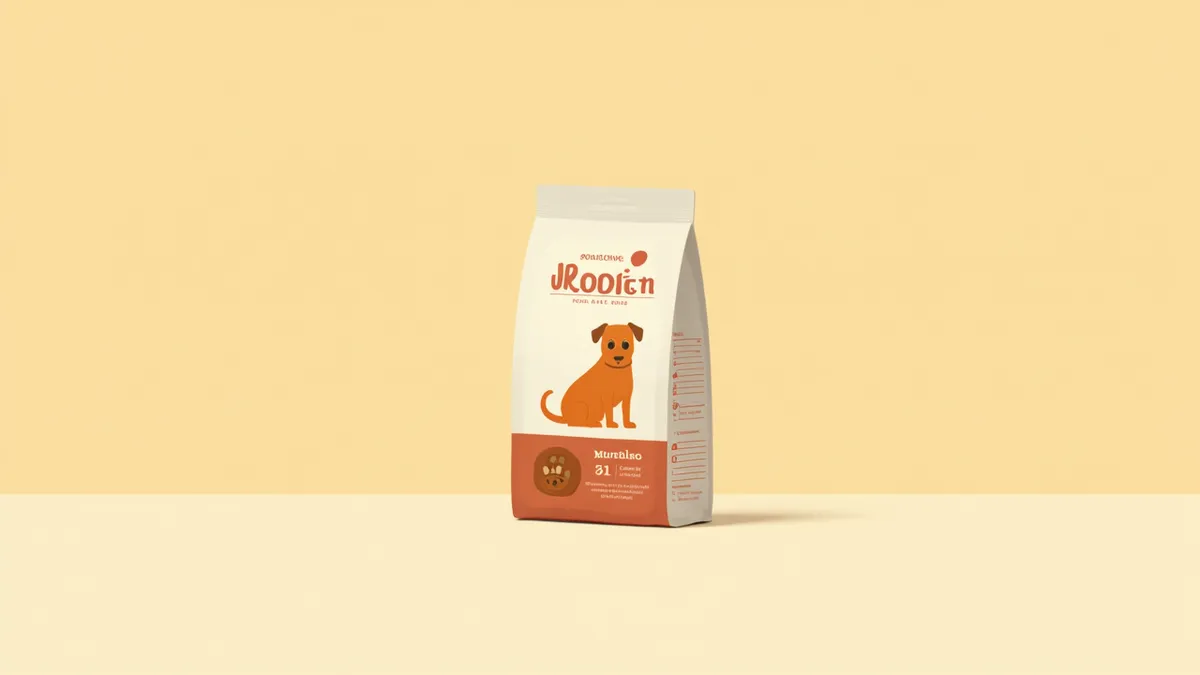
Packaging image for a urinary stone prevention diet for dogs
Dietary prevention for canine urinary tract stones refers to specially formulated foods or dietary supplements designed to maintain urinary health. Urinary stones form when urine becomes oversaturated with minerals, leading to the development of crystals and stones. - Struvite Stone Prevention: The key is to reduce magnesium levels and maintain an acidic urinary pH (below 6.5). Since struvite stones are closely linked to bacterial infections, it is ideal to manage urinary tract infections concurrently. - Uric Acid (Purine) Stone Prevention: Diets that limit high-purine protein intake and maintain an alkaline urinary pH (7.0 or higher) are helpful. Comprehensive dietary management is important, rather than simply adjusting protein levels. - Oxalate Stone Prevention: Calcium oxalate stones cannot be dissolved through diet and require removal. For prevention, increasing water intake to lower mineral concentration in the urinary tract is most important. Canned (wet) food can help increase water consumption. Consistently following these dietary guidelines can help maintain long-term urinary health. However, obtaining a diagnosis and recommendations from a veterinarian is the safest approach.

Key Criteria for Selecting a Preventive Diet for Urinary Tract Stones
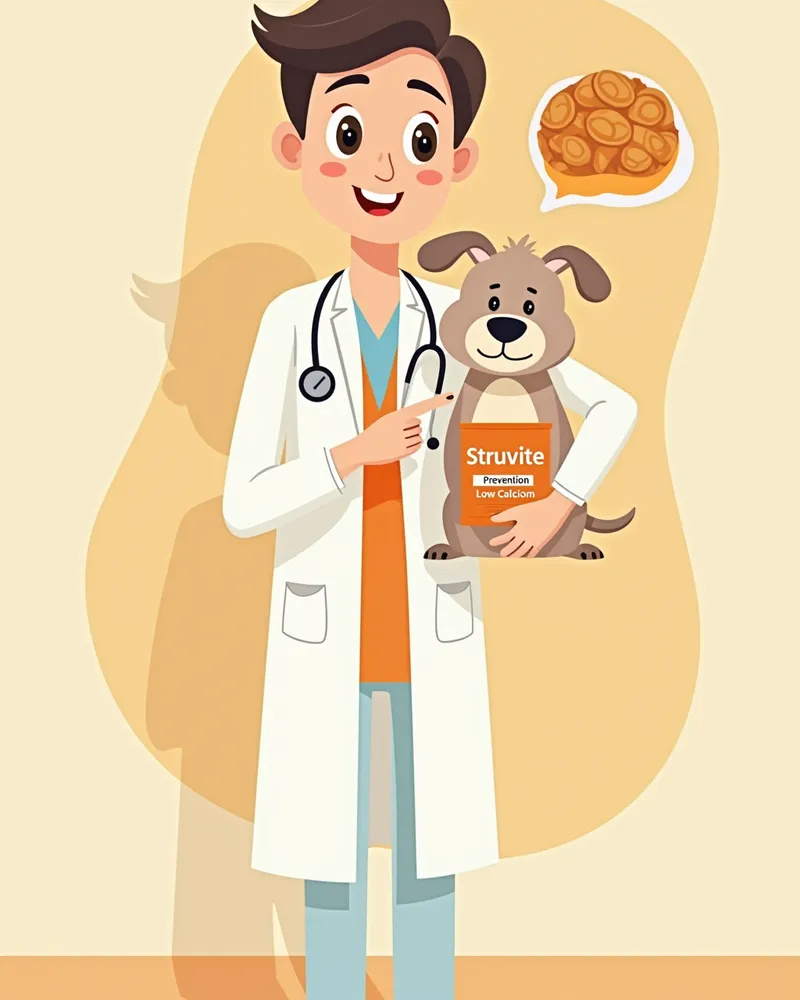
When selecting a preventive diet for urinary stones in dogs, it is essential to verify the ingredients, brand reliability, breed-specific considerations, and whether the product is recommended by a veterinarian. Specifically, if struvite stones are prevalent, a diet that maintains acidic urine (pH below 6.5) is necessary. Conversely, for uric acid stones, a diet that maintains alkaline urine (pH 7.0 or higher) is beneficial.
Struvite Prevention Ingredients: The diet should contain low magnesium levels and ingredients that maintain or lower urinary pH to an acidic state.
Controlled Protein Diet: Protein intake should be appropriately regulated; however, it is important to focus on high-quality protein and adequate intake rather than simply choosing a low-protein diet. Recently, the low-protein and low-sodium approach for preventing calcium oxalate stones is being re-evaluated.
High-Moisture Diet: Encouraging water intake helps keep the urinary tract clean and reduces urine concentration.
Mineral Regulation: The balance of calcium, magnesium, and phosphorus is crucial, as it influences the formation of stones in the urinary tract.
Veterinarian-Recommended Brands: Products that have been clinically verified are safe and appropriate choices.
An image of a veterinarian explaining dietary components for preventing urinary stones.

BEST 1: Premium Struvite Prevention Food
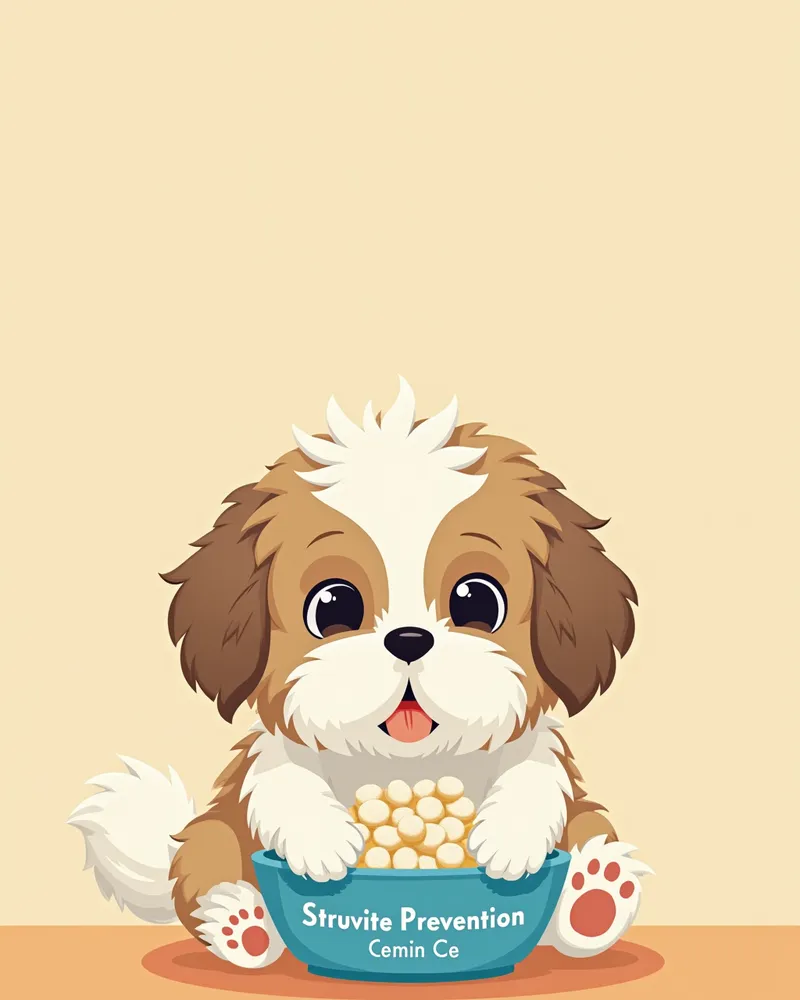
This food is specially formulated with a low-calcium, low-magnesium blend to help prevent struvite stones. It helps maintain proper urinary pH while providing balanced nutrition, and its high moisture content encourages increased water intake. It is particularly suitable for long-haired breeds and female dogs. As a brand frequently recommended by veterinarians, it has shown stable results with long-term use.
Features: Struvite-inhibiting ingredients, low calcium/magnesium, high moisture, tailored for long-haired breeds.
Reasons for recommendation: Clinically proven efficacy, stability with long-term use, high rate of veterinary recommendation.
A Shih Tzu puppy eating food to prevent urinary tract stones

BEST 2: Low-Uric Acid Dietary Supplement
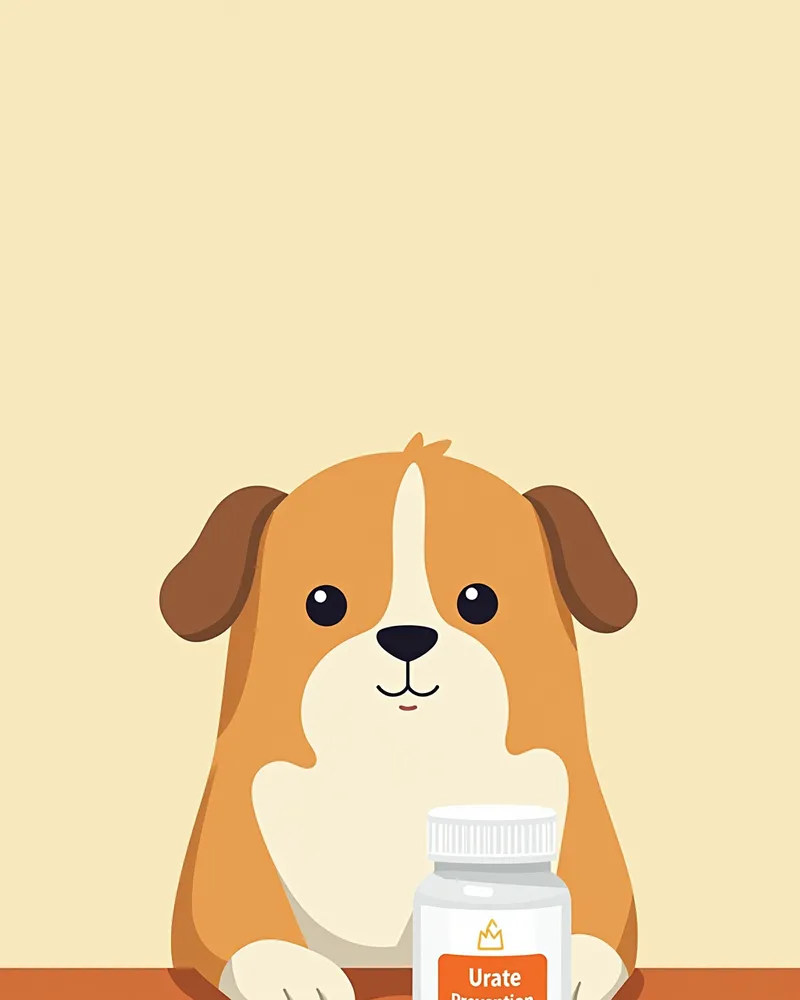
This dietary supplement is ideal for dogs at risk of uric acid stones, as it contains ingredients that inhibit uric acid production. It is particularly effective for breeds with a higher predisposition to uric acid stones, such as Miniature Pit Bulls, Terriers, and Spitzes. When administered with food, it helps maintain stable uric acid levels in the urinary tract. The convenient powder form makes it easy to mix into your dog’s meals.
Key Features: Uric acid-inhibiting ingredients, powder form, breed-specific formulation, easy administration.
Why We Recommend It: Directly effective in preventing uric acid stones, highly convenient to administer, and available by veterinary prescription.
A small terrier puppy looking at a supplement to help prevent uric acid stones

BEST 3: Comprehensive Urinary Health Dietary Package
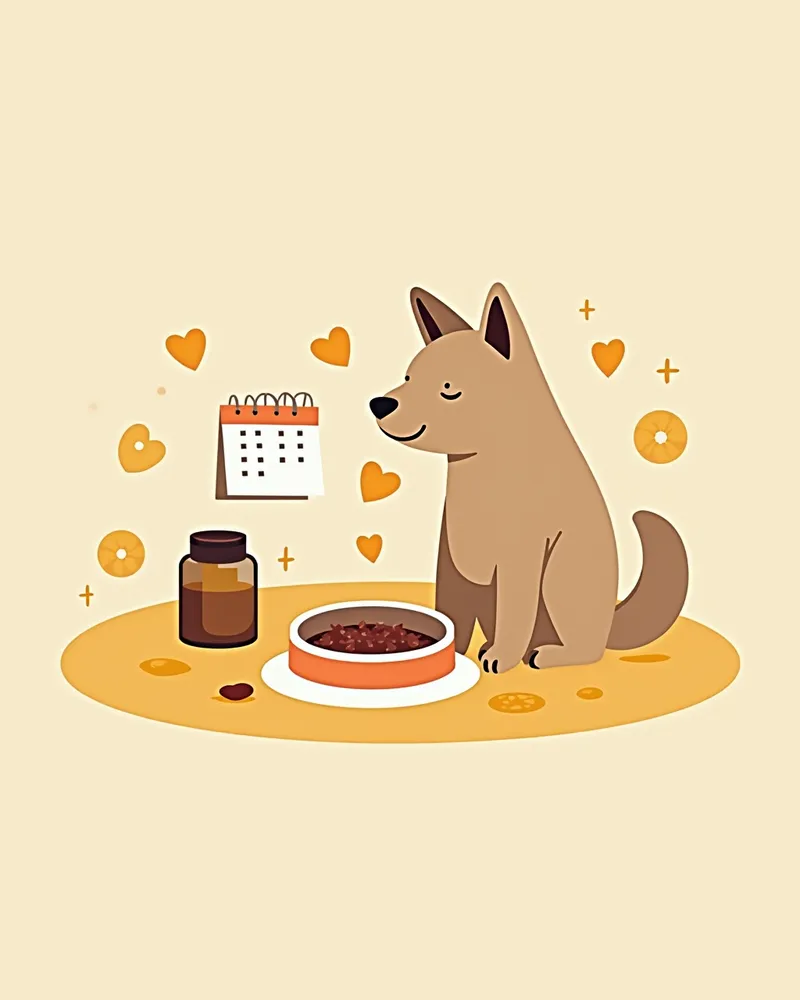
This dietary supplement is suitable for dogs at risk of uric acid stone formation. It contains ingredients that inhibit uric acid production. It is especially effective for breeds with a high risk of uric acid (urate) stones, such as Dalmatians and Bulldogs. When administered alongside regular food, it helps maintain stable uric acid levels in the urinary tract. Its convenient powder form makes it easy to mix into meals.
Features: Uric acid-inhibiting ingredients, powder form, breed-specific formulation, easy administration.
Recommended because: Helps prevent uric acid stones, offers high convenience of use, and can be prescribed by a veterinarian.
Image of the comprehensive management package for puppy urinary tract health

Comparison Table of BEST 1–3 Preventive Diets for Urinary Tract Stones

ItemBEST 1 Struvite FoodBEST 2 Uric Acid SupplementBEST 3 Comprehensive Package
Main Stone Type PreventionStruviteUric acidStruvite and uric acid (each based on different ingredients)
Ingredient FeaturesLow calcium, low magnesium, urine acidifying (pH below 6.5) ingredientsUric acid production–inhibiting ingredients, low-purine protein, urine alkalizing (pH above 7.0) ingredientsMultiple preventive ingredients, hydration ingredients, veterinarian-recommended ingredient combination
FormDry foodPowder supplementPackage (food + supplement + water kit)
Recommended BreedsFemales, long-haired breeds, struvite-risk breedsUric acid–risk breeds such as Dalmatian and BulldogAll breeds (with appropriate ingredient-based selection)
Veterinarian RecommendationHighHighVery high

Selecting the appropriate product based on your veterinarian's diagnosis is important. A comprehensive package may be recommended when there is a risk of recurrence, but customized treatment suited to the stone type takes priority.

Caution: Excessive Water Intake Can Be Dangerous

While encouraging your dog to drink more water is a great way to help prevent urinary stones, increasing fluid intake too suddenly can lead to gastrointestinal upset or put extra strain on the heart. It’s best to increase water consumption gradually and consult with your veterinarian. This is especially important for dogs with heart disease or reduced kidney function, who require extra care.

Tips for Using a Preventive Diet for Urinary Tract Stones

Once you switch your pet’s diet, monitor them closely for 2 to 4 weeks. If you notice any side effects such as constipation, diarrhea, or decreased appetite, consult your veterinarian immediately. Even after the dietary change, regular urine tests are essential to check the status of the urinary tract. Struvite stones are closely linked to infections, so it’s important to also check for urinary tract infections.
When to Start the Diet Change: Begin after your veterinarian’s diagnosis and once symptoms have stabilized.
Urine Test Frequency: Regular tests are needed every 1 to 3 months.
Infection Management: If there is a urinary tract infection, dietary changes alone may not be sufficient. Antibiotic treatment should also be considered.
Maintaining a Feeding Routine: Consistent meal times can support urinary health. Make sure to maintain adequate hydration as well.
A dog owner keeping a urinary tract health care journal for their puppy

Reviewed by a veterinarian

Dr. Tony — Punnawat Phongkittirak

Dr. Tony — Punnawat Phongkittirak

Veterinarian

A veterinarian who majored in veterinary medicine at Khon Kaen University, Thailand, and completed the IVSA program at North Carolina State University in the United States. Drawing on clinical experience at animal hospitals, he works in the pet healthcare field and is dedicated to building a digital care environment that connects pet parents with veterinarians.

Frequently Asked Questions

When should I start feeding my pet a urinary stone prevention diet?
It’s safest to start after your veterinarian has made a diagnosis and your pet’s symptoms have stabilized. If there’s a risk of recurrence, early initiation may be recommended as a preventive measure. Always follow your veterinarian’s guidance.
Is food alone enough?
Food alone may not be enough. Supplements are necessary to prevent uric acid stones, and a comprehensive management package is effective for overall care. However, a customized diet tailored to the specific type of stone is the most important factor. Please consult with your veterinarian.
My pet gets diarrhea when I change their diet. Is that normal?
Diarrhea may occur temporarily during the initial stages of transitioning to a new diet. If symptoms do not stabilize within 3–5 days, consult your veterinarian. Prolonged diarrhea may require dietary management.
Do all dogs need to eat a urinary stone prevention diet?
No. A veterinary diagnosis is necessary. The decision should be made after considering genetic factors, breed, and past medical history. If there are no abnormal urinary symptoms, a preventive diet is not needed.
Can I give my pet other treats while they’re on this diet?
Yes, but please only offer treats that are compatible with a preventive diet. It’s best to avoid high-protein, high-purine treats such as meat or cheese.

Share

Related Guides

References

[1] Clinical Medicine of the Dog and Cat, 4th Ed, Chapter 13: Nephrology/Urology, 2020

[2] Notes on Canine Internal Medicine, 4th Ed, 2019

[3] Fundamentals of Veterinary Clinical Pathology, 3rd Edition, 2021

This information is based on veterinary literature and does not replace diagnosis or treatment. Please consult a veterinarian for specific health concerns.

Metapet Co., Ltd. | CEO: Park Sung-yong | Business Reg. No. 417-88-02562 | Seoul, South Korea | Customer Center

Best Diets to Prevent Dog Urinary Stones: How to Choose | Meongsiljang