
Like
Share
멍실장
고양이 요도 카테터 삽입 관리 관리 추천 BEST와 고르는 기준 총정리

The Best Cat Urethral Catheter Care Products and Selection Criteria: A Complete Guide

UrinaryTop PicksMeongsiljang Veterinary Advisory Board

Proper care after urethral catheter placement in cats is essential for preventing infection and promoting recovery. Compare effective care products and methods.

Cat Urethral Catheter Care Is Key to Preventing Infection

The veterinarian is preparing to insert a urinary catheter into the cat's urethra.
Proper care after urethral catheter placement in cats is crucial for preventing infection and supporting recovery. Since catheterization is a sterile procedure, any bacterial contamination can lead to an ascending urinary tract infection. - Aseptic Care: Catheter insertion and management must be performed using aseptic techniques. Follow your veterinarian’s instructions for hand hygiene, clean the area regularly, and wear sterile gloves to avoid direct contact with bare hands. - Closed System: Connect the drainage bag to a closed collection system to prevent external bacteria from entering. Bacteria can ascend into the bladder through the insertion site or the inside of the catheter. - Secure Fixation: The catheter must be properly secured with sutures or tape to prevent dislodgement. Tom cat catheters (used for male cats without a balloon) must always be secured with sutures. - Single-Use Recommendation: To minimize bacterial introduction, sterile, single-use catheters and lubricants are standard; therefore, cleaning and reusing them is not recommended. Visit your veterinarian immediately if you notice any signs of infection.

Selection Criteria: Safety, Convenience, and Infection Prevention Performance
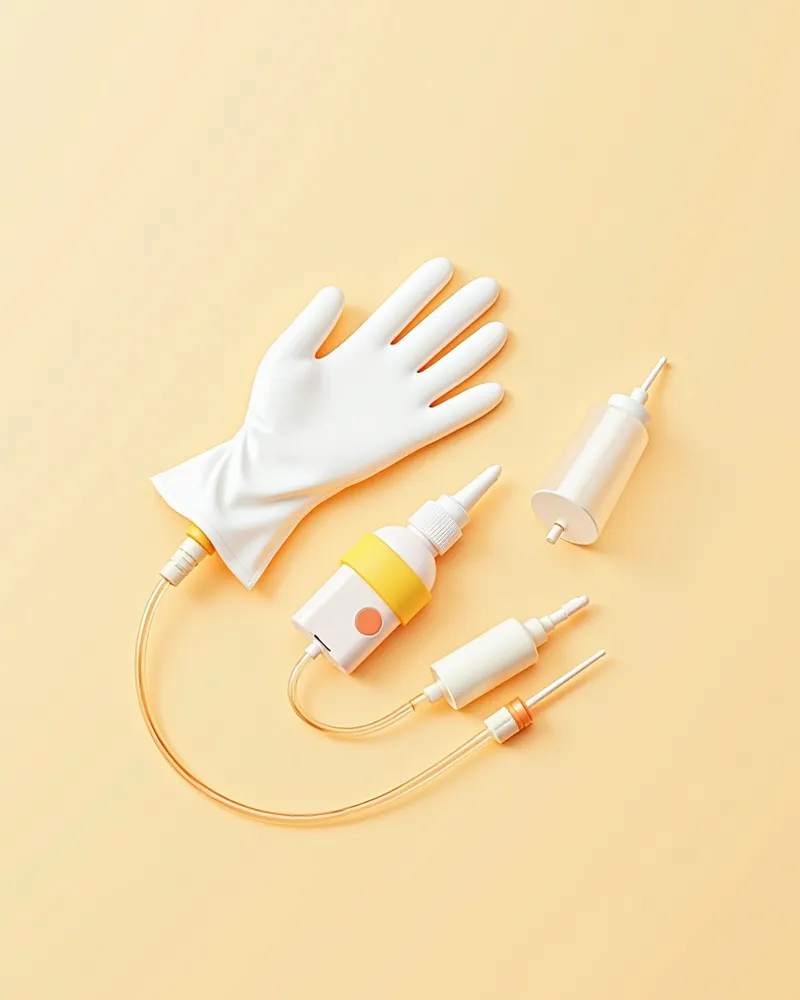
When choosing a feline urethral catheter care product, be sure to follow these three key criteria: - Safety: The product should be made of sterile materials that maintain an aseptic environment. Infection risk is particularly high immediately after catheter insertion, so opt for a sterile, single-use kit. Be cautious with rigid materials like polypropylene, as they can directly irritate the urethra. - Convenience: The securing device should remain stable despite the cat’s movements and allow for smooth motion. This design is especially suitable for active cats. - Infection Prevention: Products equipped with a closed drainage bag are ideal, as they prevent external bacteria from entering and reduce irritation to the surrounding skin. To minimize bacterial contamination, use sterile single-use lubricant packets instead of multi-dose bottles, and prioritize products recommended by your veterinarian.
Detailed images of the feline urethral catheter care kit

BEST 1: Aseptic Kit Dedicated Catheter Care Set
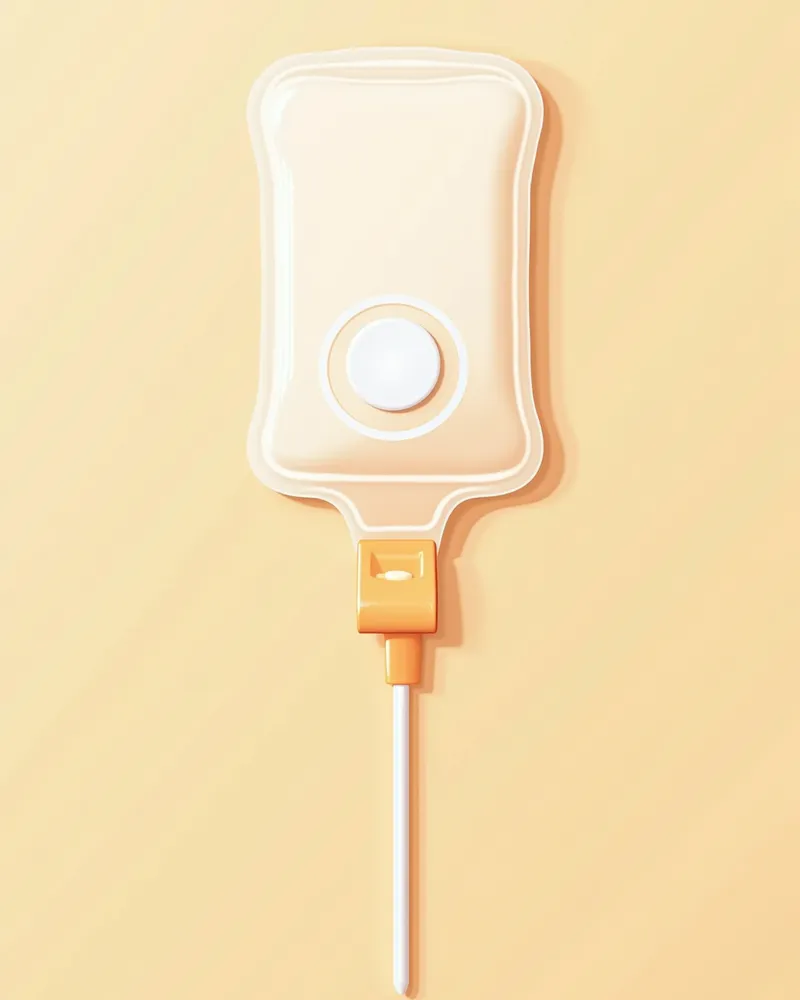
This product is a sterile kit recommended by veterinarians, ready for immediate use right after catheter insertion. - Sterility maintenance: Its sealed packaging and design ensure sterility, minimizing the risk of infection. - Secure fixation: The soft securing band adjusts to fit your cat’s body shape and is designed to stay in place despite movement. - Leak-proof collection bag: The fully sealed structure prevents urine leakage and effectively blocks odors. - Ease of use: The kit includes everything needed for immediate use after insertion, making home care easy after your vet visit. - Single-use design: Designed for single use, it simplifies hygiene management and is one of the standard kits recommended by veterinarians.
Premium Sterile Catheter Care Kit

BEST 2: Flexible Fixation Band and Sealed Drainage Bag Set
This product features a flexible fixation band that moves with your cat’s activity level. - Secure fixation: The band stays firmly in place, even for active cats. For added security, you can combine it with sutures and tape if needed. - Minimized skin irritation: Rigid materials can irritate the urethra and surrounding area, so a softer material is better for long-term care. - Sealed design: The closed drainage bag effectively blocks bacteria from entering from the outside. - Hygiene management: Urethral catheters are designed for single, sterile use, so cleaning and reusing them is not recommended. Visit a vet immediately if you notice any signs of infection. - Easy maintenance: Regular checks and drainage bag changes are possible, making it suitable for daily care. It’s best to follow your veterinarian’s recommendations.
Flexible fixation bandage catheter set for cats that are moving

BEST 3: Economical Disposable Catheter Care Kit
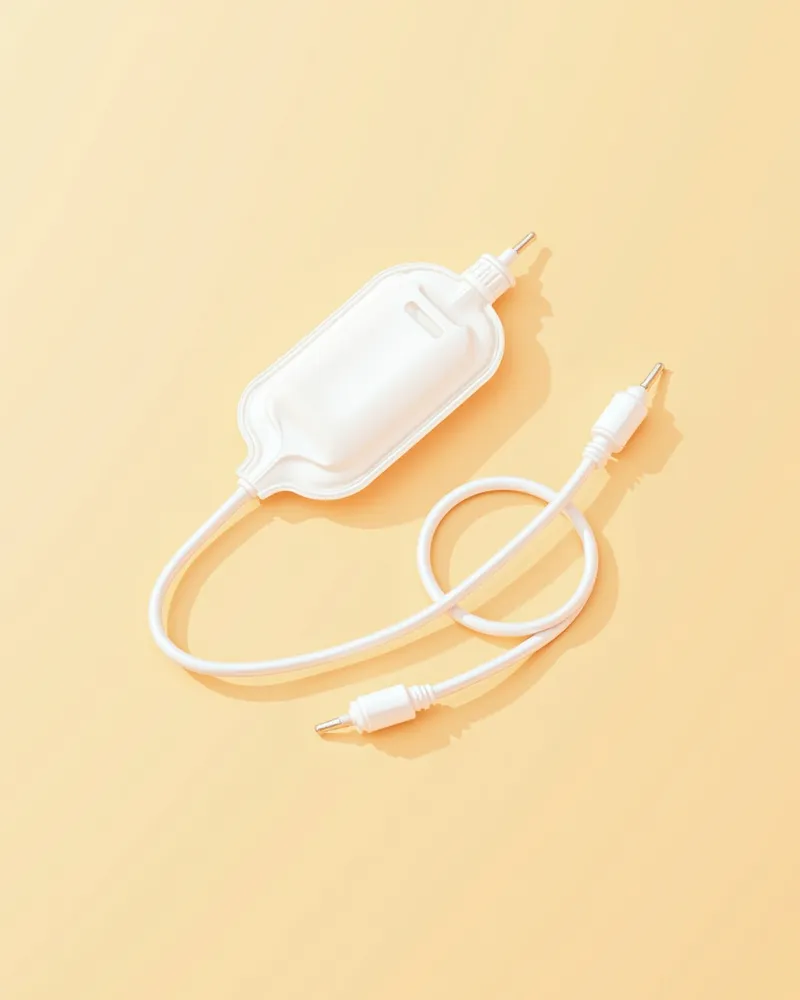
This is the most practical choice when considering cost. - Single-use design: Easy to maintain hygiene, reducing the risk of infection. Convenient to dispose of immediately after use. - Basic components: Includes a sealed waste bag and securing band, allowing for basic care. - Quick application: Can be quickly prepared and used in acute situations. - Veterinarian recommended: A standard kit commonly used in clinics, offering high reliability. - Cost-effective: No need for repeated purchases; designed for single use, helping reduce long-term costs, but must be discarded immediately after use.
Economy disposable catheter care kit

Comparison Table of BEST 1–3 Catheter Care Products

ItemBEST 1 Sterile KitBEST 2 Flexible Band SetBEST 3 Economy Disposable
Sterility MaintenanceFully sealed typeFixed sealEnsured by single-use
Fixation StrengthVery highHighModerate
Skin IrritationLowVery lowModerate
CostHighMediumLow
ReusabilityNot recommended (single-use)Not recommendedNot recommended (single-use)

Urinary catheters should as a rule be sterile single-use, used under veterinary guidance; if there are signs of infection, visit the hospital immediately.

Infection Warning Signs Require Immediate Veterinary Visit

If your cat develops a fever, shows signs of pain, or if you notice changes in the odor of discharge, blood in the urine, or cloudiness during urethral catheter care, there is a high likelihood of infection. In particular, if urine that had become clear suddenly turns cloudy again or shows signs of blood, suspect iatrogenic infection. In such cases, consult your veterinarian immediately, as infections can lead to serious complications. Additionally, a high risk of infection exists if you observe redness, inflammation, bleeding, pus-like discharge, or odor on the skin near the catheter, or if your cat appears to experience pain around the catheter site. You must also check for urine leakage around the catheter and for swelling or warmth at the insertion site. If any of these symptoms appear, report them to your veterinarian immediately.

Usage Tips: Daily Care and Cleaning 2–3 Times a Day Are Essential

The area around the catheter must be cleaned regularly using aseptic technique, as directed by your veterinarian. - Maintain cleanliness: Practice proper hand hygiene and use sterile gloves to gently wipe the area. Avoid touching the catheter directly with bare hands. - Replace the drainage bag: Regularly inspect the closed drainage bag for any signs of contamination. Urine output should typically be measured and recorded every 1–2 hours. - Monitor your cat’s behavior: If your cat tries to lick or pull at the catheter, fit them with an Elizabethan collar (protective cone). - Care frequency: Cleaning and inspection schedules vary depending on the patient’s condition, so follow the timeline specified by your veterinarian. - Keep records: Maintaining a care log helps you detect any abnormalities quickly. If the risk of infection increases, visit the clinic immediately.
Wear a collar to prevent the cat from licking the catheter.

Reviewed by a veterinarian

Dr. Tony — Punnawat Phongkittirak

Dr. Tony — Punnawat Phongkittirak

Veterinarian

A veterinarian who majored in veterinary medicine at Khon Kaen University, Thailand, and completed the IVSA program at North Carolina State University in the United States. Drawing on clinical experience at animal hospitals, he works in the pet healthcare field and is dedicated to building a digital care environment that connects pet parents with veterinarians.

Frequently Asked Questions

How many times a day should catheter care be performed?
Follow the schedule and frequency recommended by your veterinarian. Regular monitoring and cleaning are essential, with the exact frequency depending on your pet’s condition. Urine output is typically measured and recorded on an hourly basis.
What should I do if the catheter falls out?
Contact your veterinarian immediately. Reinsertion should only be performed by a professional, as attempting it yourself can be dangerous.
What should I do if the waste has a strong odor?
If the odor is strong or the color has changed, there’s a high likelihood of infection. Immediate veterinary care is necessary.
What should I do if my cat licks its catheter?
Use a preventive collar or other protective devices recommended by your veterinarian.
Where can I purchase a catheter care kit?
You can purchase it at veterinary clinics or specialized animal hospitals, as well as on online pet supply websites.

Share

Related Guides

References

[1] Allaway D, Gilham MS, Colyer A, et al. Metabolic profiling reveals effects of age, sexual development and neutering in plasma of young male cats. PLoS One. 2016;11(12):e0168144.

[2] The Cat, Clinical Medicine and Management, 2nd Edition. Elsevier, 2020.

[3] Advanced Monitoring for Small Animal Emergency and Critical Care, 2nd Ed. Wiley-Blackwell, 2018.

This information is based on veterinary literature and does not replace diagnosis or treatment. Please consult a veterinarian for specific health concerns.

Metapet Co., Ltd. | CEO: Park Sung-yong | Business Reg. No. 417-88-02562 | Seoul, South Korea | Customer Center

Cat Urethral Catheter Care: Best Products & Criteria | Meongsiljang