Like
Share
멍실장
고양이 쉬르머 눈물 검사 관리 추천 BEST와 고르는 기준 총정리

The Complete Guide to the Schirmer Tear Test for Cats — Purpose, Values, and Management Criteria

Eye HealthTop PicksMeongsiljang Veterinary Advisory Board

To catch abnormal tear production in cats early, it’s important to regularly perform Schirmer tear tests. In this article, we’ll compare the tools and management methods used for this test.

What Is the Schirmer Tear Test for Cats?
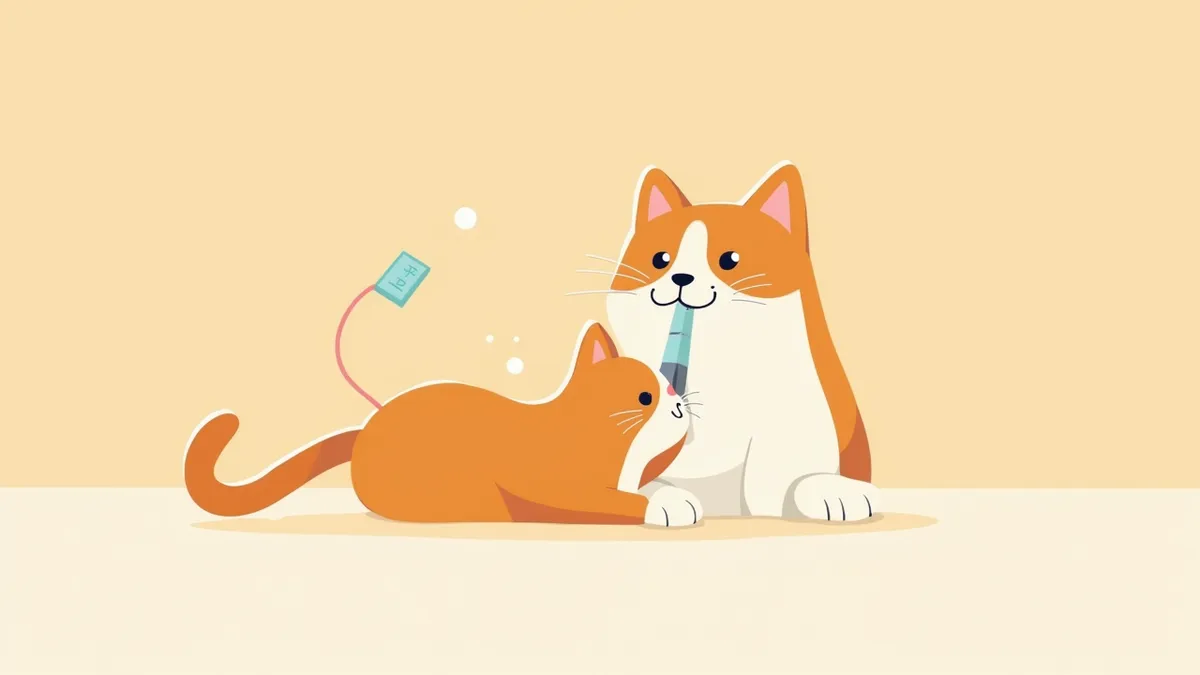
A veterinarian placing a Schirmer tear test strip on a cat's eye
The Schirmer tear test for cats is a diagnostic method that measures tear production. Insufficient tears can dry out the ocular surface, increasing the risk of corneal damage, inflammation, and secondary infections. Conversely, excessive tearing may indicate issues with the tear drainage system or irritation and inflammation. This test is highly valuable for early detection of such tear film abnormalities. - Purpose of the test: Used to evaluate tear production abnormalities and conditions such as keratoconjunctivitis sicca (KCS). - Measurement method: A standardized test strip is inserted into the conjunctival sac of the lower eyelid, and the length of wetting is measured after 1 minute (60 seconds). - Importance: Regularly performed in consultation with a veterinarian to maintain feline eye health. - Precautions: Conduct the test in a quiet environment to minimize stress and anxiety in the cat.

Selection Criteria: Tips for Choosing a Clinic for the Schirmer Tear Test

Choosing the right testing tools for your cat is important. You need to consider both comfort and accuracy. Soft materials are preferable to minimize stress for your cat during the test.
Material Stability: Paper-based strips are softer than plastic-based ones.
Appropriate Length: The strip should be sized appropriately for your cat’s eyes. Strips that are too long can cause discomfort.
Adhesion: The strip must adhere well to the eye and stay in place to ensure accurate measurements.
Packaging: Since the product should be used quickly after opening, opt for items with airtight packaging.
Comparison of Various Types of Schirmer Tear Test Strips

Check 1: Accurate Measurement with Standardized Strips
The Schirmer tear test measures tear production and is essential for diagnosing tear-deficiency conditions such as keratoconjunctivitis sicca (KCS). A standardized Schirmer strip is placed in the lower eyelid, and the length of wetting after one minute is measured. It’s best to choose a clinic that strictly adheres to the correct type of test strip and timing. To prevent skewed results, the test should be performed before administering topical anesthetics or flushing the eye, so ensuring proper testing protocol is also important.
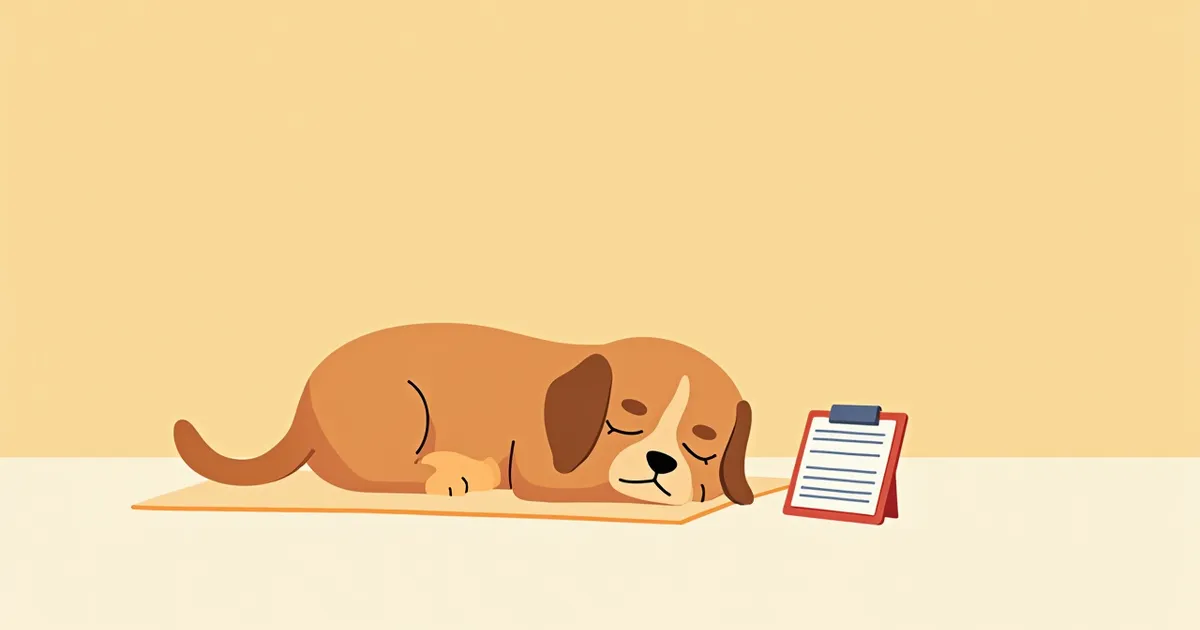
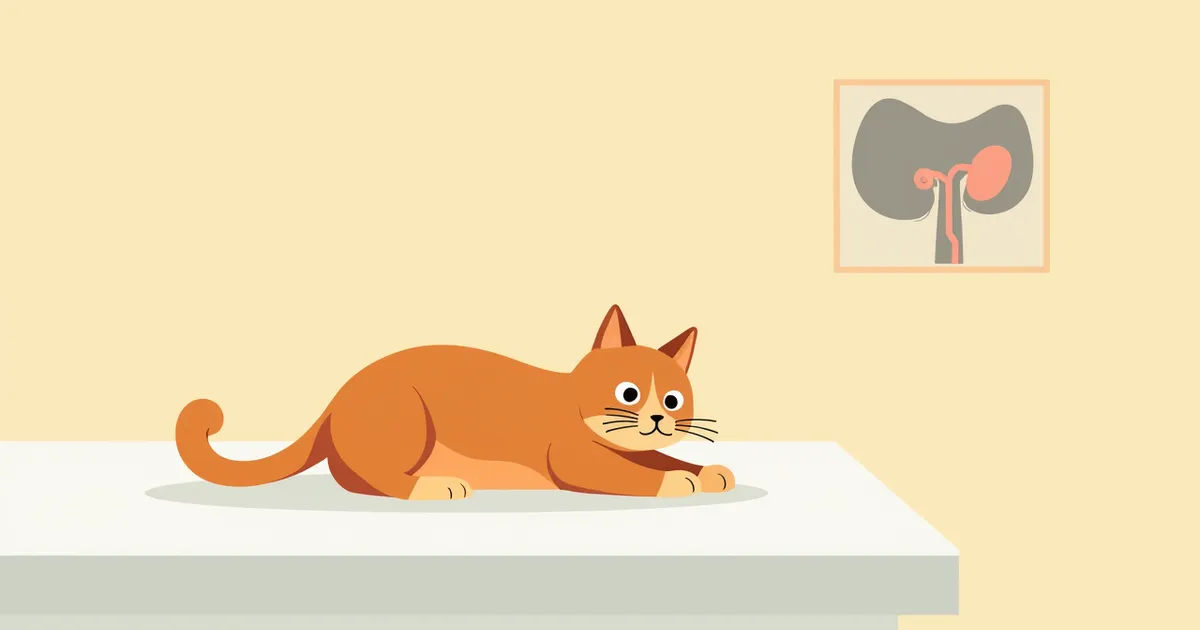
An illustrative image showing how to accurately measure using standard test strips.

Check 2: Proper Assessment of Indications Such as Chronic Conjunctivitis and Eye Discharge
If your pet has sticky eye discharge, recurrent conjunctivitis, or a cloudy-looking cornea, checking tear production can help identify the underlying cause. Insufficient tears can dry out and damage the cornea, making early detection crucial. Choose a veterinary clinic that measures both eyes and combines this with other ophthalmic tests, such as fluorescein staining, to thoroughly assess corneal health. If symptoms have persisted for a while, opt for a clinic that offers regular follow-up monitoring.
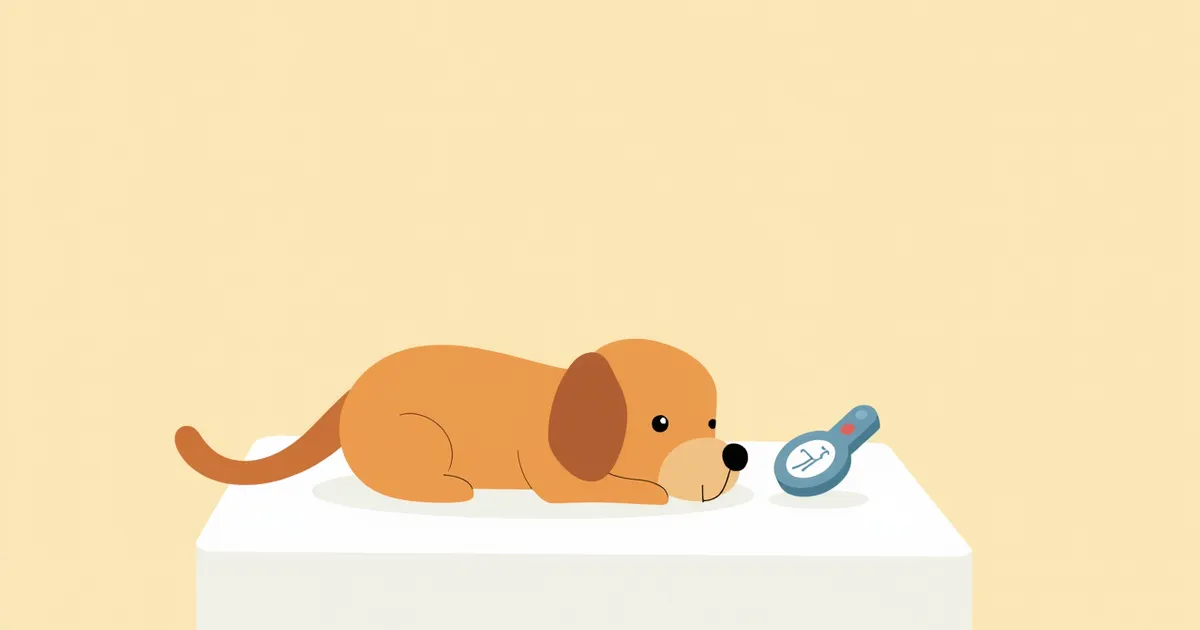
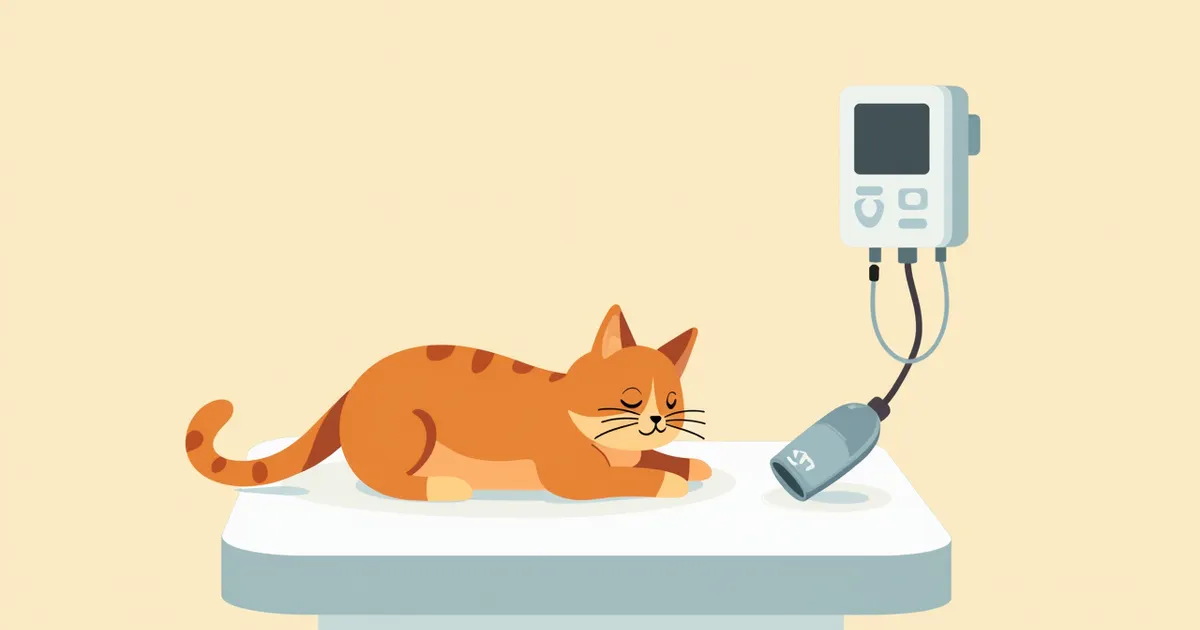
An informative image showing how to properly identify indications such as chronic conjunctivitis and eye discharge

Check 3: Interpretation of Values and Connection to Treatment

Tear volume readings only make sense when compared to the normal reference range. If the value is low, your pet may need tear supplements or immunomodulating eye drops to help stimulate tear production. It’s best to choose a clinic where a veterinarian with ophthalmology experience can explain the results and guide you on appropriate care. Rather than relying on a single test, look for a clinic that follows up with rechecks to monitor whether tear production improves after treatment and provides long-term management, ensuring stable eye health.
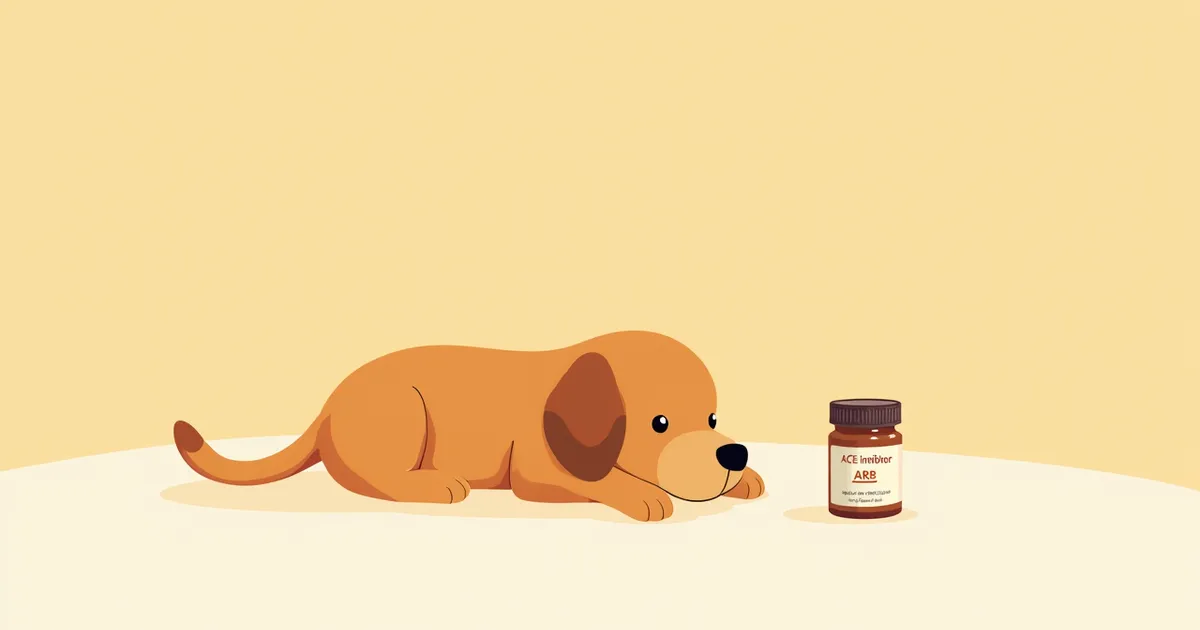
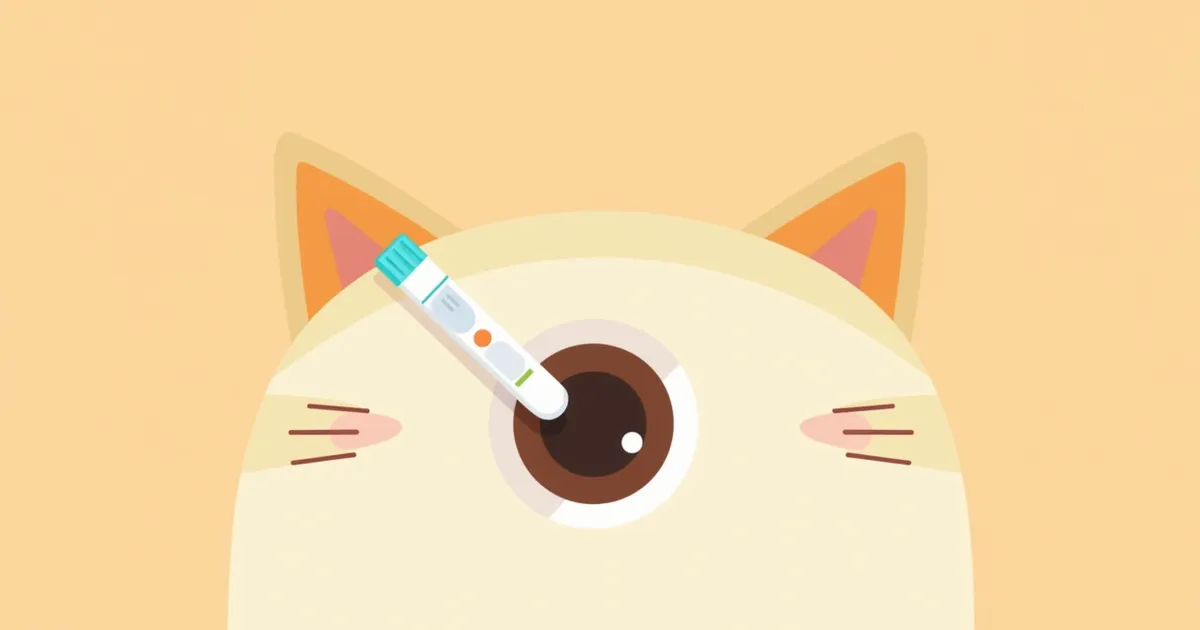
An illustrative guide on how to interpret the results and connect them to treatment.

Checklist for Choosing a Clinic for the Schirmer Tear Test

ItemRecommended Criteria
Testing MethodA place that measures accurately for 1 minute using standard test strips before anesthesia or rinsing
Test OperationA place that examines both eyes and also performs corneal exams such as fluorescein staining
Interpretation CompetenceA veterinarian with ophthalmic experience who interprets values by comparing them with the normal range
Result InterpretationA place that guides management such as tear supplementation and immunomodulating eye drops, and conducts re-examinations
Cost GuidanceA place that informs you in advance of the estimated cost and the possibility of additional tests before testing

This is not a table recommending specific products or hospitals, but a reference to consult with your veterinarian. Decisions about treatment and testing must always be made together with your veterinarian through an examination.

Precautions

Tear testing can be stressful for cats. Before the test, make sure your cat is comfortable in a quiet environment. After the test, monitor your cat to ensure there is no lingering irritation in the eyes.

Usage Tips and Management Methods
To perform a Schirmer tear test effectively, keep a few tips in mind. It’s important to place your cat in a quiet area before the test to help them relax.
Pre-test preparation: Let your cat rest quietly for about 10 minutes.
Strip placement: Gently place the strip in the conjunctival sac of the lower eyelid. Avoid touching the bottom part of the test strip with your fingers, as oils from your skin can skew the results.
Measurement time: Hold the strip in place for 1 minute (60 seconds). Be careful not to move it.
Interpreting results: Normal tear production is approximately 15–20 mm per minute (about 17 mm/min). If the value is below 5 mm/min, it may indicate keratoconjunctivitis sicca (dry eye). However, even with normal tear secretion, the reading can sometimes appear low, so your veterinarian will interpret the results alongside clinical signs.
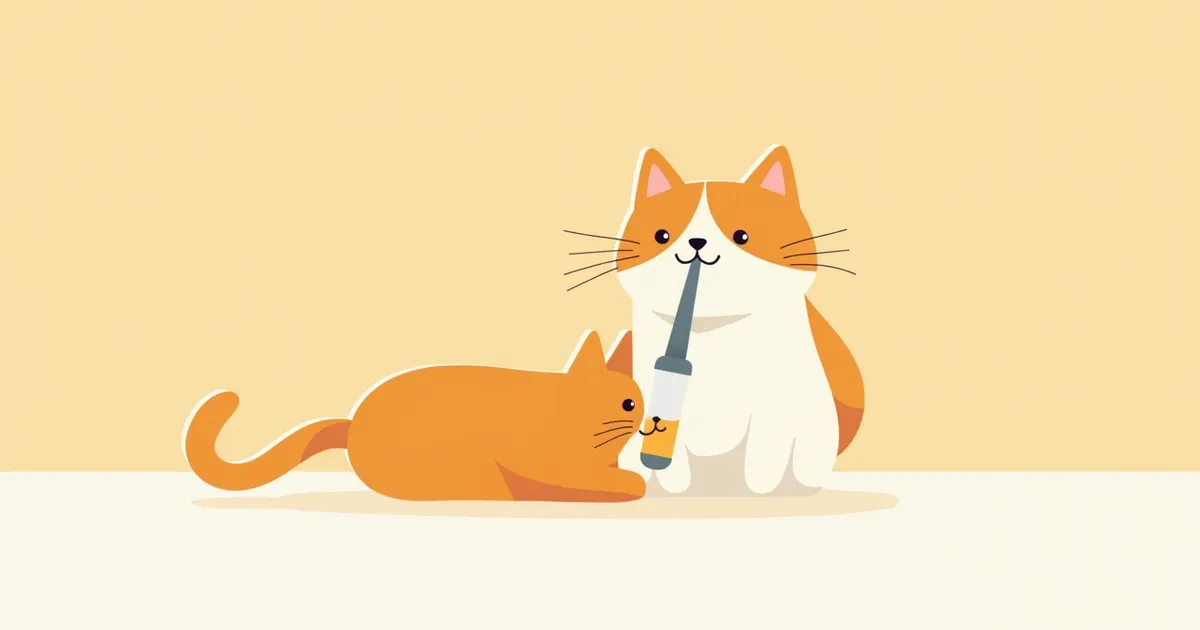
How to properly place a Schirmer tear test strip on a cat's eye

Reviewed by a veterinarian

Dr. Tony — Punnawat Phongkittirak

Dr. Tony — Punnawat Phongkittirak

Veterinarian

A veterinarian who majored in veterinary medicine at Khon Kaen University, Thailand, and completed the IVSA program at North Carolina State University in the United States. Drawing on clinical experience at animal hospitals, he works in the pet healthcare field and is dedicated to building a digital care environment that connects pet parents with veterinarians.

Frequently Asked Questions

How often should Schirmer tear tests be performed?
There’s no fixed schedule for eye exams. It’s best to consult your veterinarian if your pet shows symptoms like eye discharge, redness, or frequent rubbing of the eyes, if they’re older, or during routine health check-ups. If your pet is already being treated for an eye condition, follow the recheck intervals recommended by your vet.
What should I do if my cat moves during the examination?
If your cat moves during the test, it can lead to inaccurate results. Conduct the examination in a quiet environment, and if needed, have the owner gently hold the cat to keep it still.
Even if there is excessive tearing, is an examination still necessary?
Yes, it may be necessary. Excessive tearing can be caused by issues with the tear drainage system or by irritation and inflammation, so the actual volume of tear production needs to be assessed separately. In fact, some cats with normal tear production can still show low Schirmer tear test values, so we evaluate the test results alongside the clinical symptoms to make a diagnosis.
What should I do if my pet’s eyes become red after the examination?
Temporary redness is normal. If it doesn't go away within an hour or if there's increased tearing, please consult your veterinarian.
Can I perform the test at home?
Professional examinations should be conducted by a veterinarian. While you can make simple observations at home, an accurate diagnosis requires a visit to the clinic.

Share

Related Guides

References

[1] Gelatt KN et al. (2013). Veterinary Ophthalmology, 2nd ed. Wiley-Blackwell, Oxford, UK.

[2] Esson DW and Calvarese S (2022). Clinical Atlas of Canine and Feline Ophthalmic Disease, 2nd ed. John Wiley & Sons, Inc.

[3] Plumb's Veterinary Drug Handbook, 9th ed. (2022). Wiley-Blackwell.

This information is based on veterinary literature and does not replace diagnosis or treatment. Please consult a veterinarian for specific health concerns.

Metapet Co., Ltd. | CEO: Park Sung-yong | Business Reg. No. 417-88-02562 | Seoul, South Korea | Customer Center

Schirmer Tear Test for Cats: Purpose, Values & Criteria | Meongsiljang